 Veda Tour
Introduction to Yoga Tourism Combined with Nature Therapy
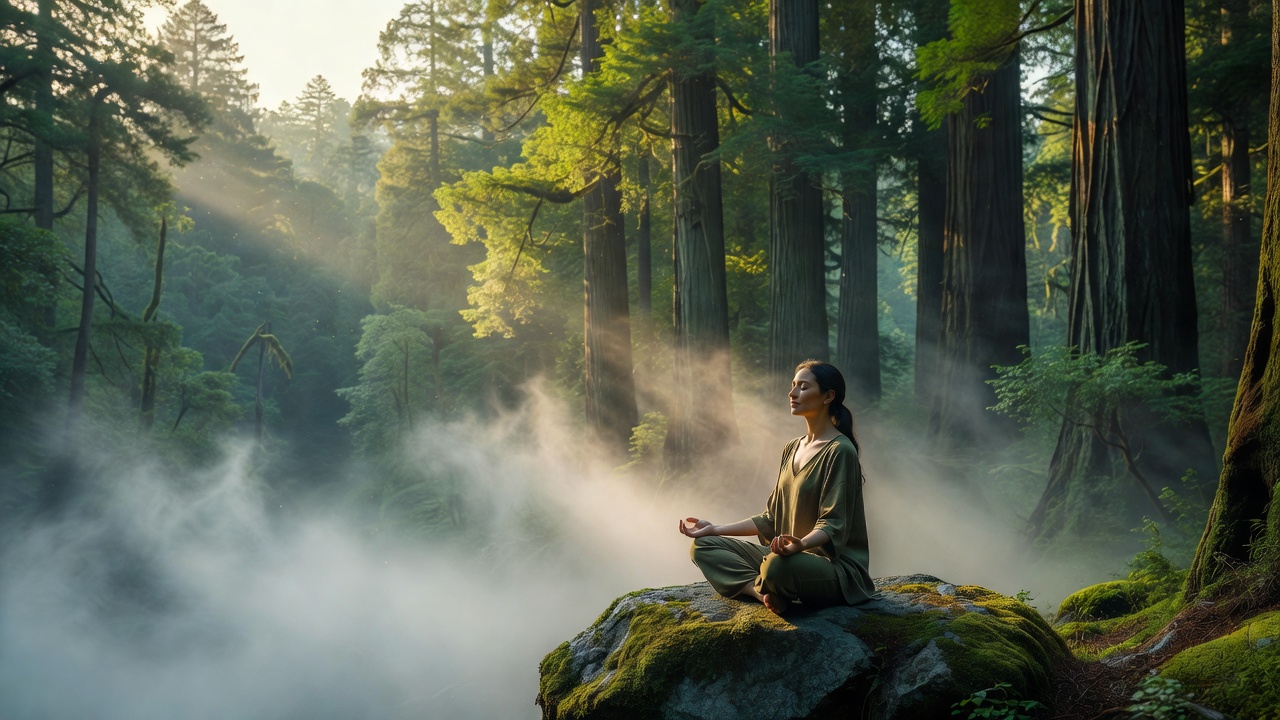
Yoga tourism has evolved beyond studio sessions into transformative journeys that integrate the healing power of nature. In 2026, travelers are increasingly seeking programs that pair outdoor asana practice with evidence-based nature therapy techniques like forest bathing. This fusion amplifies holistic healing by addressing physical, mental, and emotional well-being simultaneously. The approach appeals to those looking for restorative escapes that go deeper than conventional retreats. By immersing in natural environments, participants experience reduced stress hormones and enhanced mindfulness, supported by growing research on nature's therapeutic effects. Whether you are a seasoned yogi or a wellness newcomer, combining these elements can create lasting shifts in how you relate to your body and surroundings.
Many modern travelers report feeling disconnected from both themselves and the natural world due to urban lifestyles. Yoga tourism with nature therapy offers a direct antidote through intentional movement and sensory immersion. Programs often last from five to fourteen days, allowing time for gradual adaptation and profound personal insights. This trend reflects a broader shift toward sustainable, regenerative travel that benefits both the participant and the environment.
Proven Benefits of Forest Bathing and Outdoor Asana Sessions
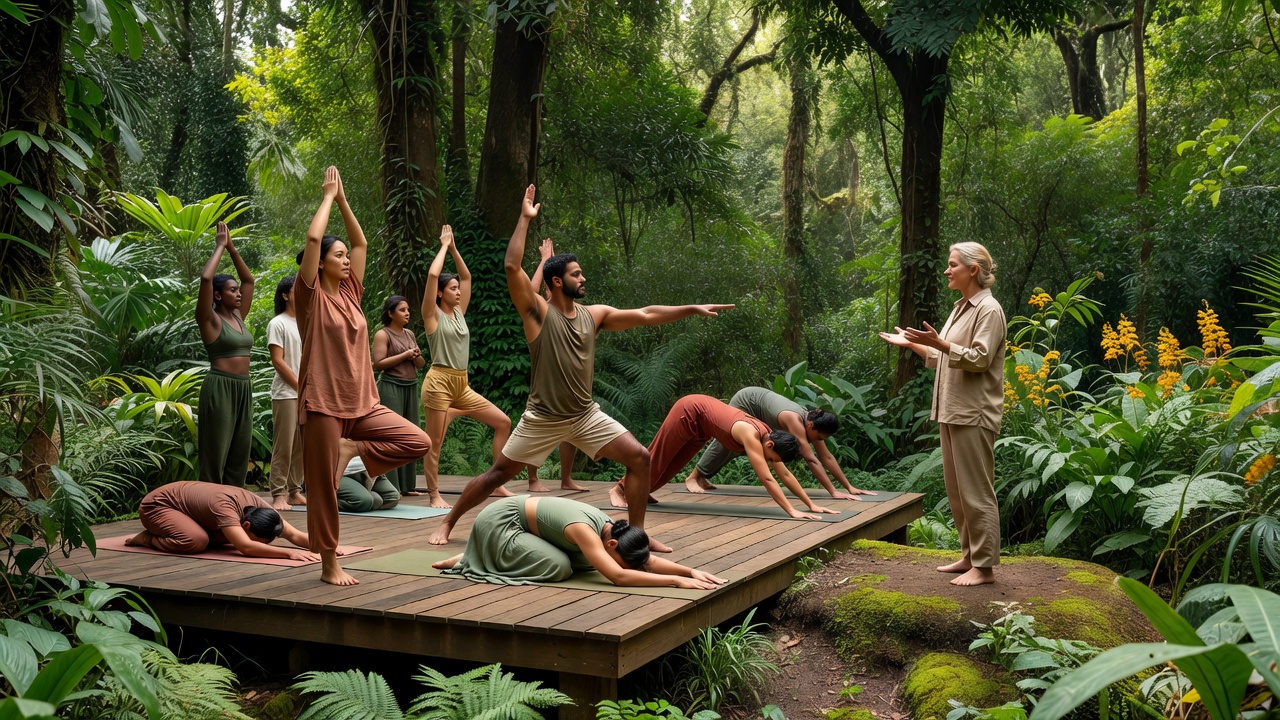
Forest bathing, known as shinrin-yoku, involves mindful immersion in wooded areas. Studies show it lowers cortisol levels and boosts immune function through phytoncides released by trees. When combined with outdoor yoga, these benefits multiply as participants engage in gentle movements under open skies. Outdoor asana sessions improve balance and proprioception due to uneven natural terrain. They also foster a deeper connection to the environment, promoting emotional resilience. Research from institutions like Mayo Clinic highlights nature exposure for anxiety reduction, while National Geographic documents wellness travel trends emphasizing immersive outdoor practices.
Additional advantages include improved respiratory health from fresh air and reduced inflammation markers. Participants often notice better sleep patterns after several days of combined practice. The synergy between slow yoga flows and guided nature walks enhances neuroplasticity, helping rewire stress responses. For those managing chronic conditions, the combination provides gentle yet effective support without the intensity of indoor gym settings. Long-term practitioners describe increased creativity and clearer decision-making upon returning home.
Real-World Retreat Examples in 2026
Several destinations stand out for 2026 yoga and nature therapy programs. In Costa Rica's Monteverde Cloud Forest, retreats offer daily forest bathing walks followed by sunset vinyasa flows. Bali's Ubud region combines jungle immersion with traditional Balinese healing rituals integrated into yoga sequences. European options include Portugal's Alentejo region, where olive groves provide serene backdrops for restorative yoga. These programs emphasize small groups to maintain intimacy with nature, often incorporating guided meditation amid ancient trees.
Additional examples include Canada's Vancouver Island retreats featuring coastal forest bathing paired with ocean-view sun salutations. In New Zealand's Fiordland National Park, multi-day treks blend hiking with evening yin yoga sessions. Japanese ryokans near ancient cedar forests integrate onsen soaks after morning asana and shinrin-yoku walks. Each location tailors activities to local ecology, ensuring authentic and culturally respectful experiences that deepen the healing process.
Step-by-Step Selection Criteria for Retreats
Choosing the right program requires careful evaluation. First, assess the instructor credentials, ensuring certifications in both yoga and nature-based therapies. Second, review the daily schedule for balanced integration of movement and stillness. Third, examine environmental policies to confirm eco-friendly practices such as zero-waste policies and local sourcing. Fourth, consider group size and customization options for dietary needs or physical limitations. Fifth, verify post-retreat support resources including online follow-up sessions or community forums. Sixth, read recent participant testimonials focusing on measurable outcomes like stress reduction or improved mobility. Finally, compare inclusions such as meals, transfers, and equipment to ensure transparency and value.
Comparisons to Indoor-Focused Programs
Indoor yoga retreats offer climate control and specialized equipment but often lack the sensory richness of nature. Nature-integrated programs provide superior stress relief through direct contact with elements like fresh air and natural sounds. Participants report longer-lasting mood improvements compared to studio-only experiences. Indoor settings suit beginners needing structure, while nature therapy excels for those seeking profound reconnection. Hybrid models are emerging in 2026 to bridge both approaches, allowing morning indoor alignment classes followed by afternoon forest immersion.
Practical Packing Tips for Nature-Based Yoga Trips
- Layered, moisture-wicking clothing suitable for variable weather conditions
- Reusable water bottle and eco-friendly sunscreen to minimize environmental impact
- Journal for reflection during forest bathing sessions and evening integrations
- Comfortable yoga mat designed for outdoor use with non-slip surface
- Insect repellent and sturdy walking shoes with good ankle support
- Headlamp or flashlight for early morning or evening practices
- Lightweight rain jacket and quick-dry towel for unexpected weather
- Personal first-aid kit including any prescribed medications
Seasonal Timing Advice
Optimal timing depends on destination climate. Spring and fall offer mild temperatures ideal for extended outdoor sessions in temperate regions. Tropical locations like Southeast Asia provide year-round opportunities, though avoiding monsoon seasons ensures safety and comfort. Summer months suit high-altitude or northern destinations where cooler forests provide relief. Winter escapes to southern hemispheres allow consistent practice when home climates are harsh. Always review historical weather data and retreat-specific calendars before booking to align with peak wellness seasons.
Mistakes to Avoid When Planning Your Trip
Common pitfalls include overlooking physical preparation such as building basic endurance beforehand. Another error is selecting retreats without verifying instructor-to-participant ratios, leading to less personalized guidance. Ignoring sustainability credentials can result in supporting operations that harm the very ecosystems meant to heal. Overpacking heavy gear reduces mobility during forest walks. Failing to research altitude or terrain challenges may cause discomfort. Finally, skipping post-trip integration planning diminishes long-term benefits.
Post-Retreat Integration Practices
Upon returning home, maintain momentum by scheduling weekly nature walks and short outdoor yoga sessions. Create a home sanctuary with plants and natural elements to replicate immersion effects. Journal insights gained and set small daily intentions rooted in the retreat experience. Many participants join virtual nature therapy groups or local hiking communities for ongoing support.
FAQ: Common Concerns About Yoga and Nature Therapy
Is prior yoga experience required?
Many programs welcome all levels, with modifications available for beginners and those with injuries.
How does nature therapy differ from standard meditation?
It incorporates active sensory engagement with the environment for deeper grounding and physiological effects.
What if I have allergies or mobility concerns?
Consult retreat organizers in advance; many offer adaptive options, hypoallergenic environments, and modified activities.
Are these programs suitable for solo travelers?
Yes, most welcome individuals and foster community through shared activities while respecting personal space.
How long should a first retreat last?
Five to seven days provide sufficient immersion without overwhelming newcomers to the format.
Conclusion
Blending yoga tourism with nature therapy represents the forefront of holistic healing in 2026. By following the outlined criteria, preparing thoughtfully, and avoiding common mistakes, travelers can embark on journeys that deliver lasting wellness benefits. These experiences not only rejuvenate the body but also foster a profound sense of connection to the natural world, encouraging sustainable lifestyle changes long after the trip ends.
No comments yet. Be the first!