 Veda Tour
Introduction to Seasonal Yoga Tourism
Seasonal yoga tourism represents a thoughtful evolution in wellness travel, where practitioners deliberately time their retreats to coincide with the natural cycles of spring, summer, autumn, and winter. This alignment enhances holistic healing by tapping into the body’s innate responses to environmental shifts, leading to improved outcomes in energy renewal, stress reduction, and overall vitality. In 2026, more travelers are recognizing that yoga performed in harmony with nature’s rhythms yields deeper physical, mental, and emotional benefits than year-round studio practice alone. Ancient traditions from Ayurveda and Traditional Chinese Medicine have long emphasized seasonal living, and contemporary research from National Institutes of Health confirms how light, temperature, and circadian changes influence hormone levels, sleep quality, and immune function. By choosing retreats that honor these cycles, participants often report sustained improvements in flexibility, mental clarity, and resilience against seasonal affective challenges.
The core principle involves matching yoga styles and intensities to each season’s energetic qualities. Spring calls for cleansing movements, summer favors dynamic outdoor flows, autumn emphasizes stability, and winter prioritizes restorative stillness. This structured approach transforms a simple vacation into a targeted wellness intervention, with global destinations offering tailored experiences that amplify the benefits through local climate, flora, and cultural context.
Spring Detox Flows for Renewal and Rejuvenation
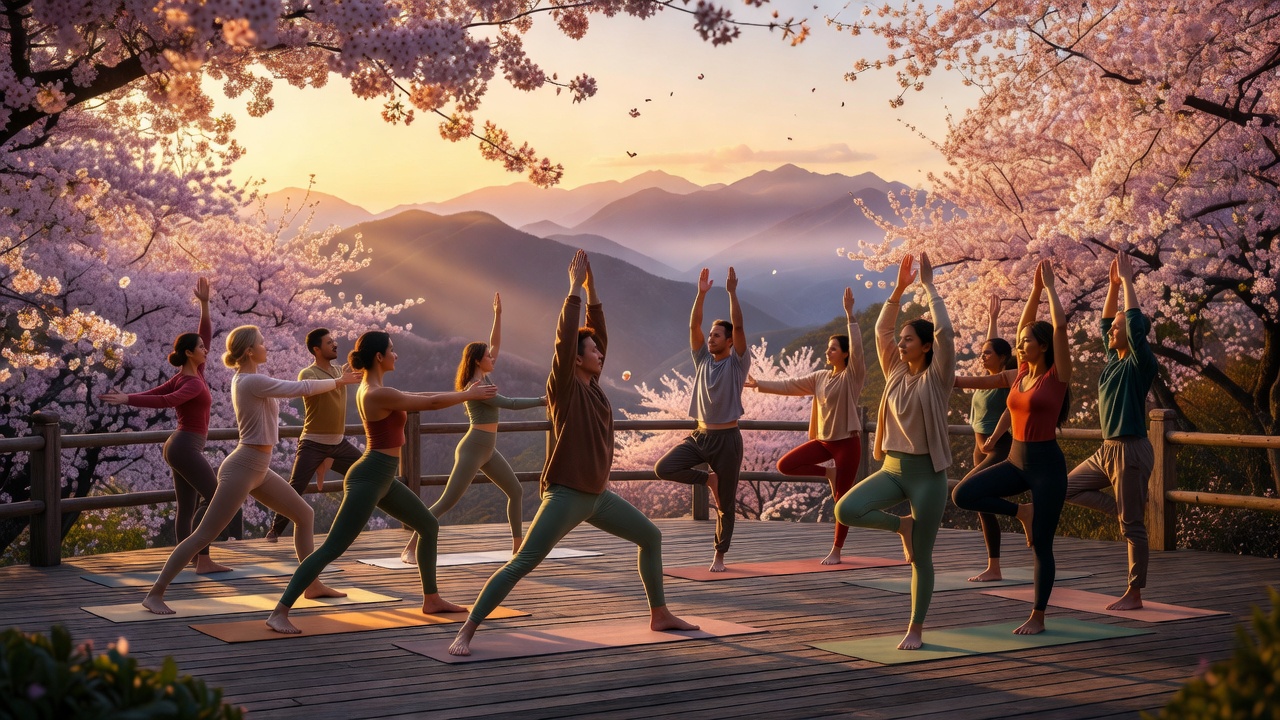
Spring embodies renewal, making it the optimal period for detox-oriented yoga practices that stimulate the lymphatic system and digestive organs. Sequences typically incorporate twisting postures such as revolved triangle and seated spinal twists, paired with breathwork like kapalabhati to promote internal cleansing. These flows help release accumulated winter stagnation while supporting liver and kidney function. Retreats in Ubud, Bali, or the Azores leverage the season’s blooming landscapes and fresh produce to enhance the detox experience through complementary nutrition programs. Participants often combine morning yoga with guided nature walks that encourage mindful eating of seasonal greens and herbs.
Practical Steps for Selecting a Spring Retreat
- Identify programs that integrate Ayurvedic principles or short juice fasts scheduled between March and May when plant growth peaks.
- Confirm that instructors hold certifications in seasonal yoga alignment and have experience adapting sequences for varying energy levels.
- Evaluate destination climate data to avoid extreme temperature swings that could hinder adaptation during the first few days.
- Review sample daily schedules to ensure adequate time for rest, hydration, and optional spa treatments that support detoxification.
Summer Outdoor Practices for Vitality and Expansion
Summer’s abundant daylight and warmth create ideal conditions for vigorous outdoor yoga that builds cardiovascular endurance and elevates mood through increased vitamin D exposure. Vinyasa and power flows performed on beaches or mountain plateaus encourage full-body engagement while fostering a sense of connection with the natural world. Popular locations include Costa Rica’s Pacific coast and the Greek islands, where longer days allow for sunrise-to-sunset sessions that improve flexibility and reduce cortisol levels. Travelers benefit from water-based variations such as SUP yoga, which adds balance challenges and core strength work.
Autumn Grounding Sequences for Stability and Release
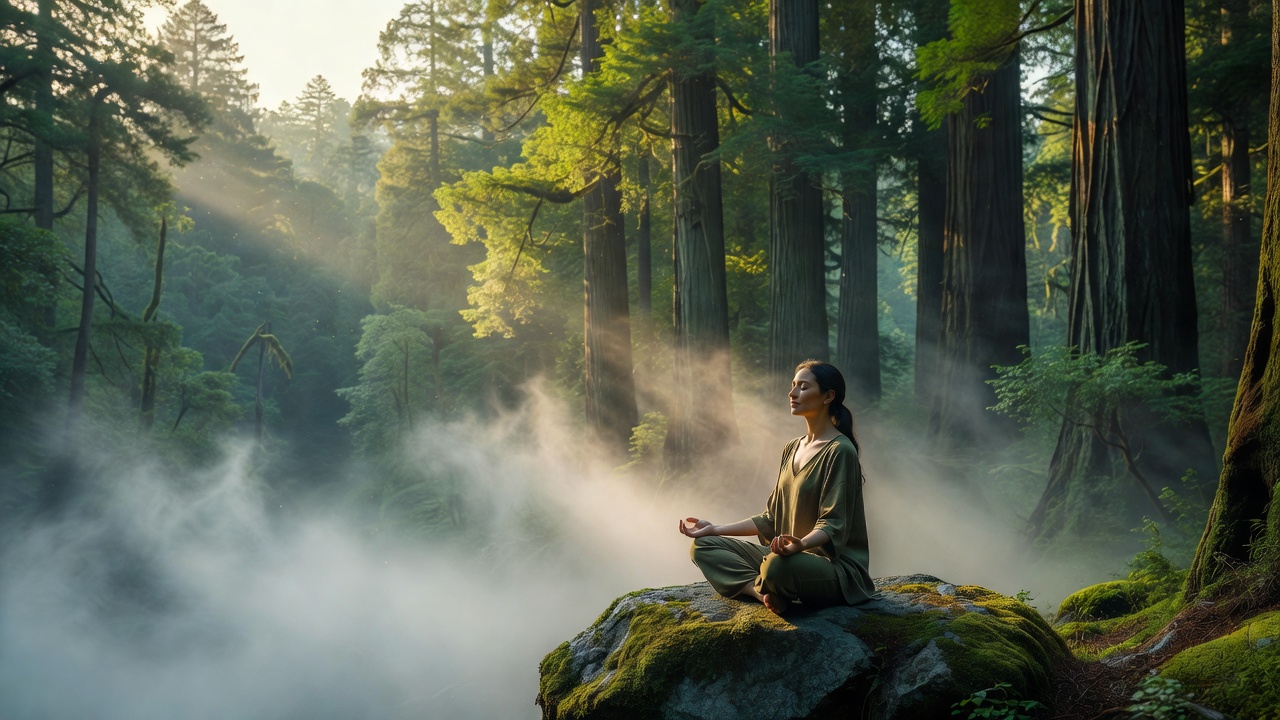
As daylight shortens and temperatures drop, autumn yoga shifts toward grounding postures that strengthen the legs and hips while promoting emotional release. Hip openers, tree pose variations, and seated forward folds help practitioners feel anchored during periods of transition. Retreats in Sedona, Arizona, or the Scottish Highlands utilize the visual metaphor of falling leaves to guide meditation on letting go of old patterns. These sequences often incorporate longer holds and mindfulness practices that prepare the immune system for winter, with many programs including foraging workshops or forest bathing to deepen the connection to seasonal change.
Winter Restorative Sessions for Deep Healing and Reflection
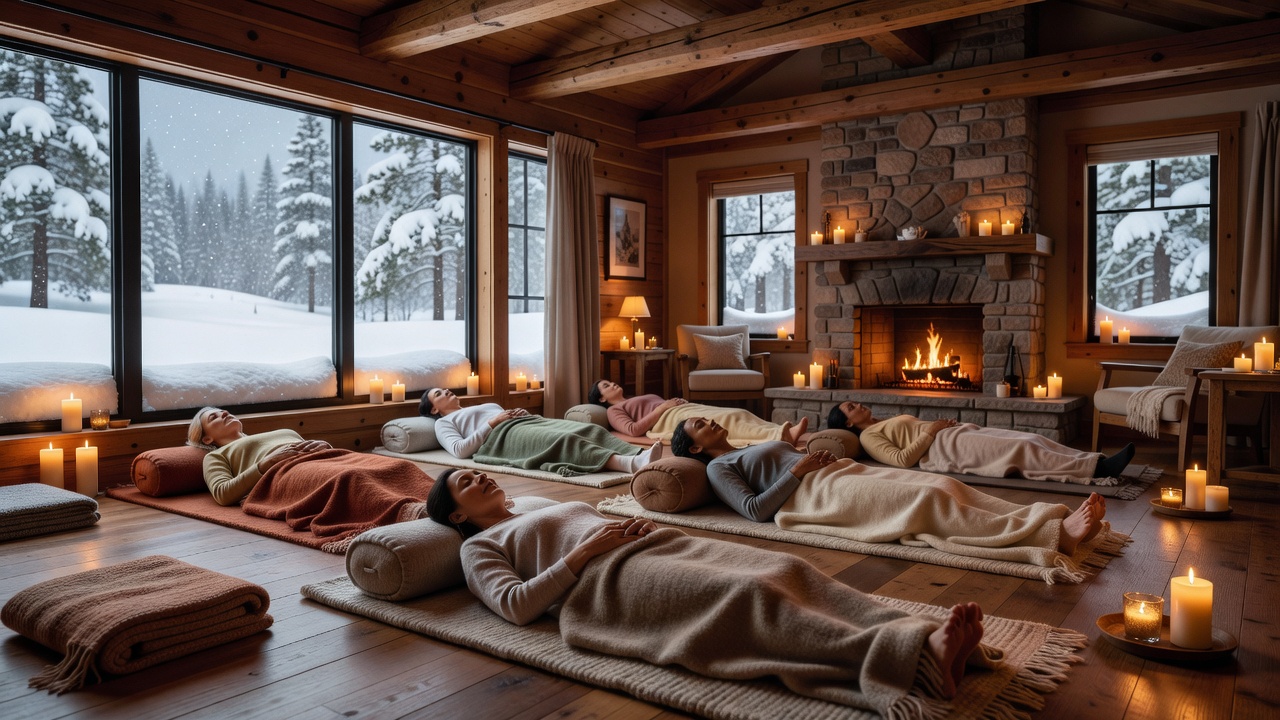
Winter naturally invites inward focus, making restorative and yin yoga the most appropriate styles. Supported poses using bolsters and blankets, combined with extended pranayama sessions, help conserve energy and combat seasonal affective patterns. Destinations such as Iceland’s geothermal areas or Himalayan foothills pair indoor practice with access to hot springs, creating a nurturing environment for introspection. These retreats emphasize slow, meditative movement that supports joint health and nervous system regulation during colder months.
Comparing Benefits Across All Four Seasons
Each season delivers distinct wellness advantages that build upon one another when experienced sequentially. Spring practices accelerate detoxification and reignite motivation after winter dormancy. Summer sessions improve cardiovascular fitness and social bonding through group outdoor activities. Autumn sequences foster emotional processing and prepare the body for colder weather by strengthening core stability. Winter restorative work promotes profound rest, better sleep architecture, and immune support. Longitudinal traveler reports indicate that attending one focused retreat per season produces cumulative gains in flexibility, stress management, and life satisfaction that surpass sporadic practice.
Real Traveler Case Studies and Outcomes
Emma, a 42-year-old educator from Canada, attended a seven-day spring detox retreat in Portugal in 2025 and documented sustained increases in daily energy and digestive comfort that persisted for six months afterward. She incorporated weekly twist sequences at home and noted measurable improvements in her annual health checkup markers. Mark, a 55-year-old executive, chose a winter restorative program in northern Thailand where thermal pools complemented yin yoga; he reported a 40 percent reduction in self-reported stress scores and better sleep continuity within three weeks. A third participant, Sofia from Spain, completed a summer outdoor series in Greece and experienced enhanced joint mobility plus stronger social connections that carried into her autumn home practice.
Practical Steps for Selecting and Preparing for Seasonal Retreats
- Begin by journaling personal wellness goals and matching them to seasonal themes—for example, focusing on detox in spring or rest in winter.
- Compare retreat durations, typically seven to fourteen days, and assess group size for comfort and personalized attention.
- Study historical climate patterns and pack accordingly, including moisture-wicking layers for summer humidity or insulated accessories for winter cold.
- Read verified participant reviews from the previous two seasons to gauge instructor quality and program flow.
- Confirm post-retreat support options such as virtual integration sessions or downloadable home practice guides.
- Budget for additional wellness services like massage or nutrition consultations that many seasonal programs offer as add-ons.
Mistakes to Avoid When Planning Seasonal Yoga Travel
Common pitfalls include selecting retreats based solely on price rather than seasonal appropriateness, ignoring personal health conditions that may require modifications, and failing to allow adequate recovery time between travel and return to work. Another frequent error is overlooking the importance of acclimatization, which can diminish early practice benefits. Travelers should also verify that the retreat provider follows sustainable practices to preserve the natural environments that make seasonal alignment possible.
Integrating Seasonal Yoga Principles into Daily Life
After returning home, participants can maintain momentum by adapting short daily sequences to the current season. Morning sun salutations in summer, evening restorative poses in winter, and weekly detox twists in spring help sustain the benefits. Many find that keeping a seasonal wellness journal and adjusting diet according to local produce further reinforces the holistic gains achieved during retreats.
FAQ
What should I pack for a seasonal yoga retreat?
Essential items include a non-slip mat, layered clothing suitable for the expected weather, a reusable water bottle, and any personal props such as straps or blocks. Summer retreats require sunscreen and light scarves, while winter programs benefit from warm socks and a cozy shawl for restorative sessions.
How do I adapt to different climates during travel?
Arrive one day early when possible, prioritize hydration and light meals upon arrival, and follow local guidance on meal timing. Gradual exposure to outdoor temperatures combined with gentle movement helps minimize jet lag and environmental stress.
Can seasonal yoga practices integrate into everyday routines year-round?
Absolutely. Short home versions—such as five-minute breathwork in winter or outdoor flows in summer—allow practitioners to mirror retreat benefits without requiring travel. Consistency with these micro-practices often leads to lasting lifestyle improvements.
Conclusion
Seasonal yoga tourism offers a powerful framework for aligning personal wellness with nature’s inherent wisdom. By thoughtfully selecting retreats that emphasize spring detox, summer vitality, autumn grounding, and winter restoration, travelers can achieve meaningful, lasting improvements in physical health and emotional balance throughout 2026 and beyond.
No comments yet. Be the first!