 Veda Tour
Introduction to Ayurveda Integration in Yoga Tourism
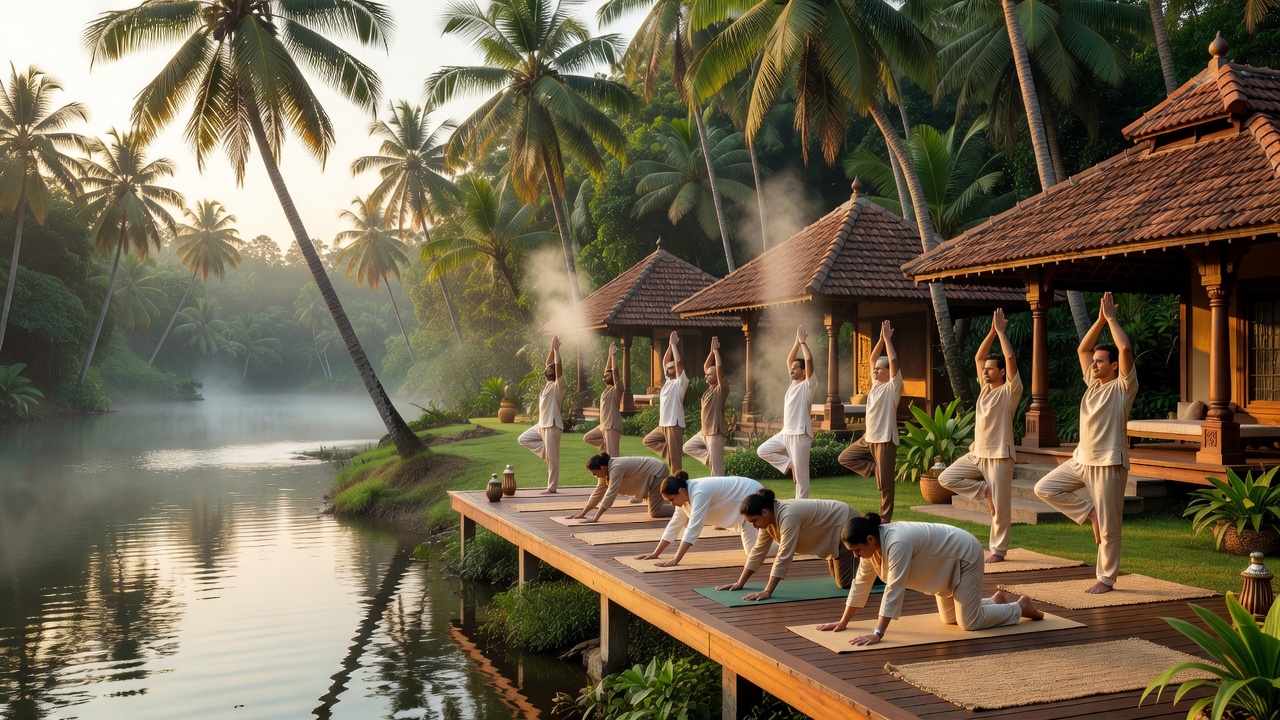
Yoga tourism has evolved far beyond basic asana sessions into sophisticated wellness travel that prioritizes lasting transformation. In 2026, travelers increasingly seek personalized journeys that combine yoga with Ayurvedic principles for true holistic healing. This integration addresses root causes of imbalance rather than offering only temporary relaxation, resulting in experiences that support physical recovery, mental clarity, and emotional equilibrium over the long term.
By merging these ancient Indian systems, participants gain tools to understand their unique constitutions and apply targeted practices during travel. The approach moves past generic retreats toward customized programs that align movement, nutrition, and detoxification for optimal outcomes.
Dosha-Based Retreat Selection
Understanding your dosha—Vata, Pitta, or Kapha—forms the essential starting point when choosing a yoga destination. Vata-dominant individuals benefit from grounding, warm environments featuring slow, restorative flows and nurturing surroundings. Pitta types thrive in cooling climates with moderate-intensity practices that avoid overheating. Kapha practitioners require stimulating sequences in lighter, breezy settings to encourage energy and motivation.
Leading 2026 retreats now provide pre-arrival dosha assessments through detailed online questionnaires, followed by in-person consultations upon arrival. This ensures every element of the program, from daily schedules to herbal recommendations, aligns precisely with individual needs. Real-world examples include retreats in Kerala that match Vata guests with coconut-oil-based therapies and gentle evening yoga to promote stability.
Ayurvedic Diet Adaptations at Yoga Destinations
Nutrition serves as a cornerstone of holistic healing during wellness travel. Destinations are adapting menus according to Ayurvedic guidelines, emphasizing seasonal, locally sourced ingredients tailored to each dosha. Vata-balancing meals often feature warm soups, steamed vegetables, and generous use of ghee for nourishment and moisture. Pitta options highlight cooling foods such as fresh cucumber salads, coconut-based dishes, and sweet fruits to reduce internal heat. Kapha meals focus on light, spicy preparations with ginger and turmeric to stimulate digestion and metabolism.
These adaptations support sustained energy throughout intensive yoga practices while preventing common complaints like bloating or post-session fatigue. Many centers also offer cooking workshops so guests can replicate dosha-specific recipes at home after the trip.
Combining Panchakarma Therapies with Daily Yoga Flows
Panchakarma detoxification therapies integrate seamlessly with structured yoga sequences to accelerate healing. Morning flows typically incorporate sun salutations and twisting poses to prepare tissues for treatments such as Abhyanga massage or Shirodhara oil application. Evening restorative sessions with supported inversions and deep breathing help the body absorb therapeutic benefits and promote restful sleep.
This daily rhythm enhances toxin elimination, improves circulation, and deepens relaxation. Guests often notice improved flexibility and reduced stress markers within the first week when therapies and movement are thoughtfully sequenced. 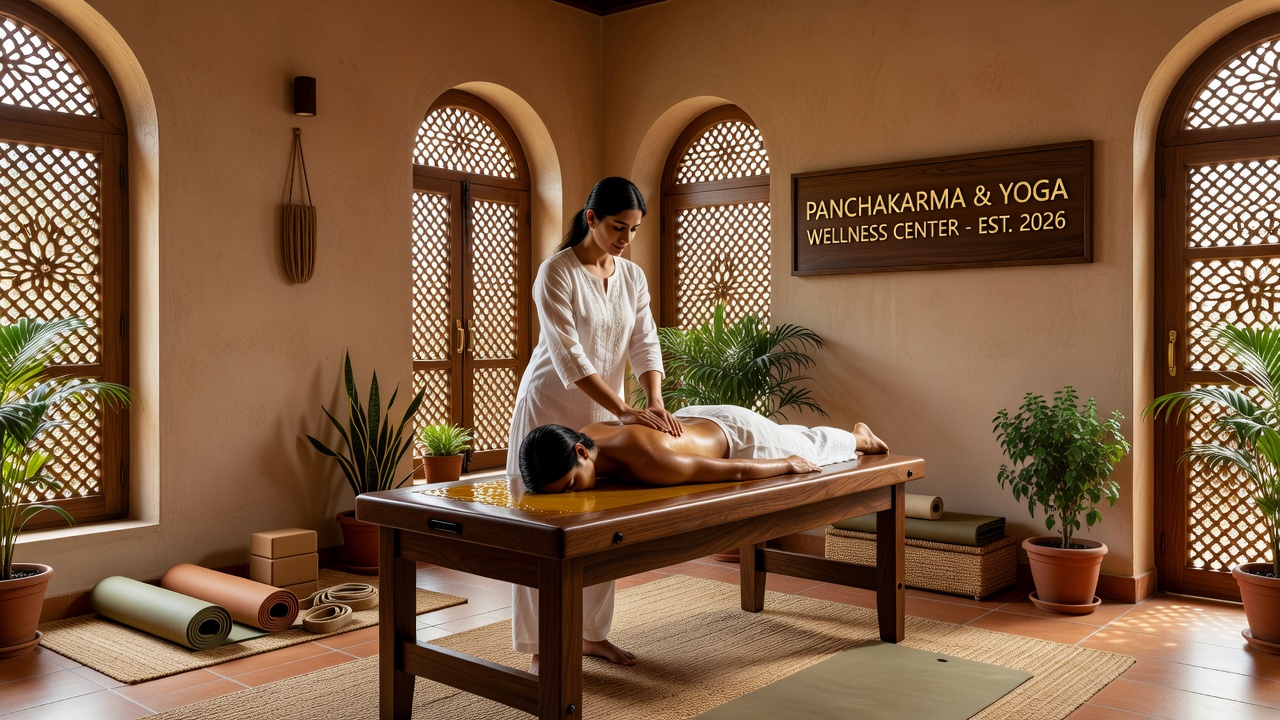
Real-World Examples from 2026 Wellness Travel Spots
Popular destinations in 2026 include Kerala’s eco-resorts offering multi-week Ayurveda-yoga packages and Rishikesh hybrid centers that combine riverfront yoga with traditional panchakarma. Additional emerging locations feature Bali wellness estates blending Ayurvedic consultations with vinyasa classes and Costa Rican retreats adapting Indian principles to tropical ingredients. Travelers consistently report sustained improvements in sleep quality, digestion, and emotional resilience lasting several months after completing integrated programs.
Step-by-Step Planning Checklist
Creating a successful Ayurveda-yoga journey requires careful preparation. Follow this expanded checklist for best results:
- Complete a professional dosha assessment at least four weeks before travel to allow time for personalized recommendations.
- Verify that chosen destinations employ certified Ayurvedic practitioners alongside experienced yoga instructors.
- Review detailed daily itineraries to confirm balance between active yoga sessions, therapy appointments, and adequate rest periods.
- Confirm dietary customization capabilities, including ingredient sourcing and allergy accommodations aligned with Ayurvedic principles.
- Prepare a post-trip integration plan that includes continued yoga routines, herbal teas, and periodic self-massage practices.
- Pack appropriate clothing for both movement and therapies, such as loose cotton garments and supportive props if needed.
Comparison of Pure Yoga vs. Ayurveda-Yoga Hybrid Trips
Pure yoga trips emphasize physical postures, breathwork, and group meditation, delivering flexibility and strong community connections. They suit beginners or those seeking lighter commitments with fewer scheduling constraints. Ayurveda-yoga hybrid trips, however, deliver deeper personalization through dosha-specific diets, therapeutic treatments, and ongoing consultations, often producing more profound and measurable healing results. Hybrids work especially well for individuals managing chronic imbalances or seeking comprehensive lifestyle resets. For authoritative perspectives on integrative health approaches, consult resources from the World Health Organization and the National Center for Complementary and Integrative Health.
Mistakes to Avoid When Planning Integrated Trips
Common pitfalls include selecting retreats without verifying practitioner credentials or overlooking the importance of pre-trip dosha testing. Another frequent error is underestimating recovery time between intensive therapies and yoga sessions, which can lead to fatigue. Always prioritize centers that emphasize gradual progression and provide clear aftercare guidance to maintain benefits long after returning home.
Conclusion
Integrating Ayurvedic principles into yoga tourism creates powerful opportunities for holistic healing that extend well beyond the duration of travel. With thoughtful planning around doshas, diet, and therapy sequencing, participants achieve lasting improvements in overall well-being. The 2026 wellness landscape offers more options than ever for those ready to embark on these personalized journeys.
FAQ
How customizable are these integrated programs?
Most reputable 2026 retreats allow extensive customization based on initial consultations, adjusting therapies, meal plans, and yoga intensity according to individual constitutions and goals.
What should I expect regarding overall investment?
Investment levels vary according to location, duration, and level of personalization, with premium packages emphasizing high-quality ingredients and one-on-one guidance.
Are there specific 2026 destinations recommended for beginners?
Beginners often start with established centers in Kerala or Rishikesh that offer introductory dosha workshops alongside gentle yoga sequences suitable for all levels.
How long should an integrated trip last for noticeable results?
Programs of 10 to 14 days typically provide sufficient time for initial detoxification and habit formation, though longer stays yield deeper transformation for chronic concerns.

No comments yet. Be the first!