 Veda Tour
Introduction to Pilgrimage Yoga Retreats
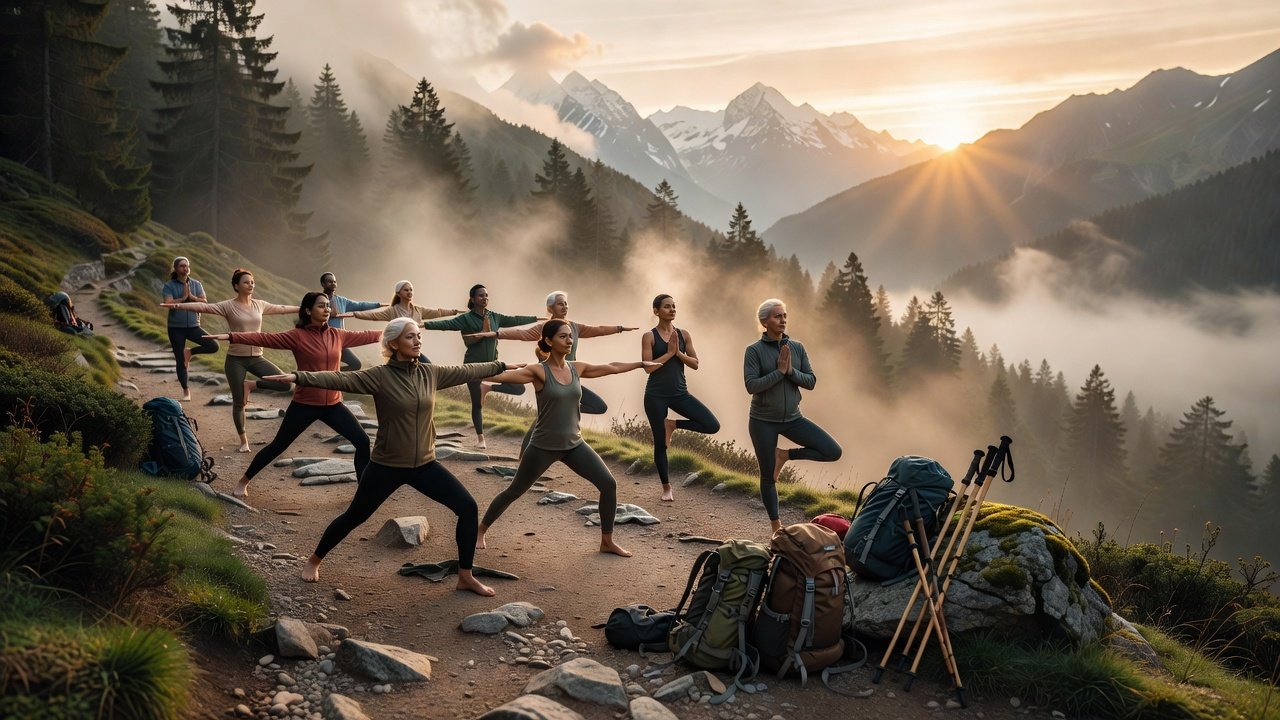
Pilgrimage yoga retreats represent an evolving trend in wellness travel, merging the ancient practice of sacred walking with modern yoga sessions. Unlike stationary retreats focused on fixed locations, these journey-based experiences emphasize active movement along historic trails, fostering mental clarity, physical endurance, and profound personal transformation. As interest in mindful travel grows in 2026, participants seek alternatives that combine adventure with introspection. This format draws from centuries-old traditions such as the Camino de Santiago and Himalayan pilgrimages, now adapted for contemporary wellness seekers who want more than passive relaxation. By integrating walking meditation with targeted asana practice, these retreats deliver a holistic path to well-being that encourages self-discovery through progressive daily challenges and reflective pauses in nature.
The appeal lies in the balance of physical exertion and spiritual depth. Travelers move at a deliberate pace, allowing time for breath awareness and present-moment focus while covering meaningful distances. This combination creates cumulative benefits that build over days or weeks rather than isolated sessions.
Key Benefits for Mental Clarity and Physical Endurance
Engaging in pilgrimage-style yoga travel enhances cardiovascular health through consistent daily movement while building resilience. Walking long distances promotes endorphin release, reducing stress and improving mood over extended periods. Yoga sessions at trail endpoints or scenic stops deepen flexibility, strengthen core muscles, and refine balance, creating synergy between body and mind that stationary classes rarely achieve. Research from health authorities underscores how regular walking combined with mindful movement supports joint health and lowers risks associated with sedentary lifestyles. World Health Organization guidelines highlight the value of at least 150 minutes of moderate aerobic activity weekly, a target easily met and exceeded on these routes.
Mentally, the practice sharpens clarity by reducing digital distractions and encouraging introspection amid natural surroundings. Participants frequently experience decreased anxiety levels and improved sleep quality after several days of rhythmic walking paired with restorative poses. Physical endurance gains include stronger legs, better posture, and heightened stamina, preparing individuals for future active adventures. Emotional benefits emerge as shared group experiences foster community bonds and a sense of accomplishment upon completing segments of ancient paths.
Preparation Steps: Route Selection, Physical Conditioning, and Asana Integration
Choosing the right route begins with honest assessment of current fitness, available time, and personal goals. Shorter European segments suit beginners, while multi-week Asian trails challenge experienced hikers. Factors like elevation gain, seasonal weather, and accommodation availability should guide decisions. Online resources and operator consultations help match trails to individual needs.
Physical conditioning requires a structured eight-to-twelve-week plan. Start with three weekly walks of increasing duration, progressing from five kilometers to fifteen or more. Incorporate strength exercises such as squats, lunges, and planks twice weekly to support joints and prevent injury. Add yoga flows focused on hip openers and spinal mobility on rest days to mimic retreat schedules. Gradual exposure to loaded backpacks during training builds carrying capacity without strain.
Integrating daily asana means planning 45-to-60-minute sessions emphasizing recovery and mobility. Morning sun salutations energize the body before walking, while evening sequences target hamstrings and shoulders. Portable props like straps and blocks enhance practice on uneven ground. Beginners can follow pre-recorded sequences tailored for travelers, ensuring consistency even on remote sections of trail.
Real-World Examples from European and Asian Trails
European routes like the Camino de Santiago in Spain allow walkers to cover 100 kilometers or more while attending guided yoga at historic monasteries and albergues. The path blends cultural immersion with wellness, passing vineyards and medieval villages. National Geographic has documented its transformative power for modern pilgrims seeking both adventure and reflection.
Asian examples include Nepal's Annapurna Circuit, where high-altitude stages pair with sunrise yoga overlooking snow-capped peaks. The Kumano Kodo trails in Japan combine temple stays with asana sessions that emphasize grounding and breath control amid ancient forests. These destinations deliver immersive encounters with local traditions alongside physical demands, setting them apart from purely fitness-oriented programs.
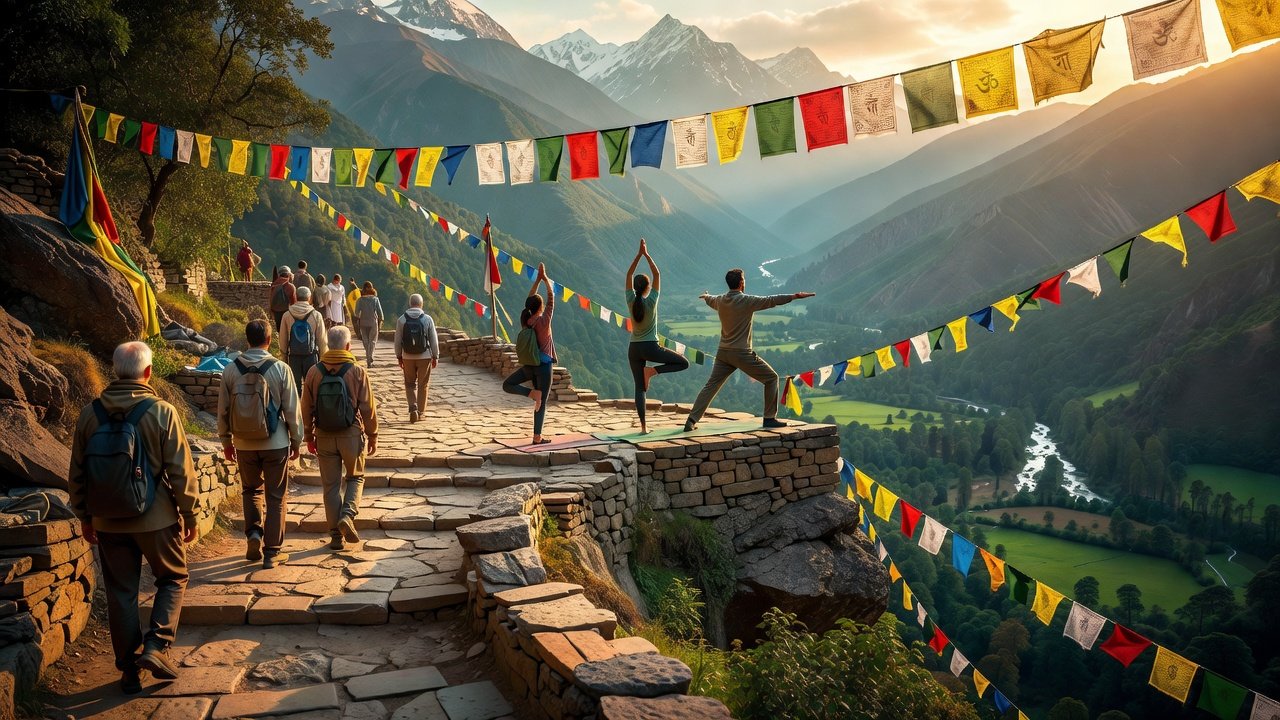
Additional options such as Portugal's Camino Portugues offer coastal scenery and milder climates for those preferring lower intensity. Each trail provides unique cultural layers that enrich the wellness journey beyond simple exercise.
Comparisons to Traditional Retreat Formats
Traditional retreats emphasize fixed daily schedules in resorts or ashrams with limited movement beyond the property grounds. Pilgrimage yoga versions introduce dynamic exploration that increases overall activity levels and sensory connection with changing landscapes. While stationary options excel at deep relaxation and luxury amenities, journey-based retreats deliver progressive achievement and adaptability under varied conditions.
Pros of pilgrimage formats include enhanced cardiovascular gains and stronger group cohesion formed through shared miles. Cons involve greater physical demands and variable weather exposure. Traditional retreats provide more predictable comfort but may lack the lasting sense of accomplishment that comes from completing a meaningful route. Both share core yoga principles, yet the active format appeals particularly to those craving progression and real-world application of mindfulness skills.
Sustainable Packing Tips and Practical Checklists
Pack light using versatile, eco-conscious items to minimize impact. Choose moisture-wicking base layers, a compact travel yoga mat, broken-in hiking shoes, and a lightweight rain shell. Include a reusable water bottle with filter and biodegradable toiletries.
- Clothing: three quick-dry tops and bottoms, warm layer, sun hat, buff for versatility
- Yoga essentials: mat, strap, two blocks, eye pillow for evening wind-down
- Health items: blister kit, electrolyte tablets, basic first-aid supplies
- Navigation and tech: offline map app, solar charger, headlamp
- Sustainability extras: cloth bag for trash, local currency for small vendors
These checklists prevent overpacking while ensuring readiness for daily movement and practice needs.
Potential Challenges and Solutions
Blisters, fatigue, and altitude effects rank among frequent hurdles. Prevention includes moisture-wicking socks, gradual pacing, and rest days every fourth or fifth day. Cultural navigation requires prior reading on local customs and basic language phrases to show respect at sacred sites.
Weather variability demands flexible daily plans and layered clothing systems. Group operators often supply support for logistics, allowing focus on personal practice. Addressing these proactively turns potential setbacks into opportunities for resilience building.
FAQ on Safety and Cultural Etiquette
How safe are pilgrimage yoga retreats?
Reputable providers include emergency support, medical kits, and experienced guides. Solo participants benefit from joining small groups for added security and shared knowledge.
What cultural etiquette should be observed?
Dress modestly near temples, remove shoes when entering sacred spaces, and ask permission before photographing people. Learning basic greetings demonstrates respect and eases interactions.
Is prior yoga or hiking experience necessary?
Many retreats welcome all levels with modified poses and adjustable distances. Beginners receive guidance to build skills progressively throughout the journey.
How do I choose a reputable operator?
Verify reviews, instructor credentials, sustainability policies, and clear cancellation terms before booking. Transparent itineraries with realistic daily distances signal professionalism.
What health precautions are recommended?
Obtain travel insurance covering adventure activities, update vaccinations, and carry personal medications. Hydration and nutrition monitoring prevent common issues on long routes.
Planning a 2026 pilgrimage yoga retreat creates opportunities for meaningful wellness that integrates movement, mindfulness, and cross-cultural discovery into a single transformative experience.
No comments yet. Be the first!