 Veda Tour
Introduction to Breathwork in Modern Yoga Tourism
Experienced yoga practitioners traveling in 2026 seek more than physical postures. Breathwork, or pranayama, elevates yoga tourism by fostering profound holistic healing. Integrating these methods into wellness journeys enhances mental clarity and supports deeper relaxation amid new environments. As wellness travel continues to evolve, retreats now emphasize conscious breathing as a core element that complements asana practice and meditation. This integration allows travelers to address accumulated stress from daily life while immersing themselves in transformative destinations. Breathwork serves as a portable tool that requires no equipment, making it ideal for those moving between airports, hotels, and remote retreat centers.
Wellness travelers today prioritize retreats that combine movement with conscious breathing. This approach aligns with growing interest in mind-body practices that travel well across destinations. Many participants arrive at these programs already familiar with basic yoga but discover that advanced breathwork unlocks layers of healing previously untapped during standard sessions.
Benefits of Breathwork for Mental Clarity During Travel
Breathwork sharpens focus and reduces travel-related stress. Controlled breathing activates the parasympathetic nervous system, promoting calm even in unfamiliar settings. Practitioners report improved sleep quality and emotional balance after sessions at retreats. The practice also supports better oxygen exchange, which can counteract fatigue from long flights and jet lag. By regulating the nervous system, breathwork helps maintain steady energy levels throughout demanding daily schedules at wellness destinations.
Studies from authoritative sources highlight breathing exercises as accessible tools for stress management. Mayo Clinic resources emphasize their role in overall wellness routines suitable for travelers. The World Health Organization recognizes breathing techniques as valuable components of mental health support strategies that can be practiced anywhere. Additional insights from National Institutes of Health publications underscore how consistent pranayama contributes to cognitive function and emotional resilience during periods of transition.
Step-by-Step Breathing Exercises Tailored for Travel
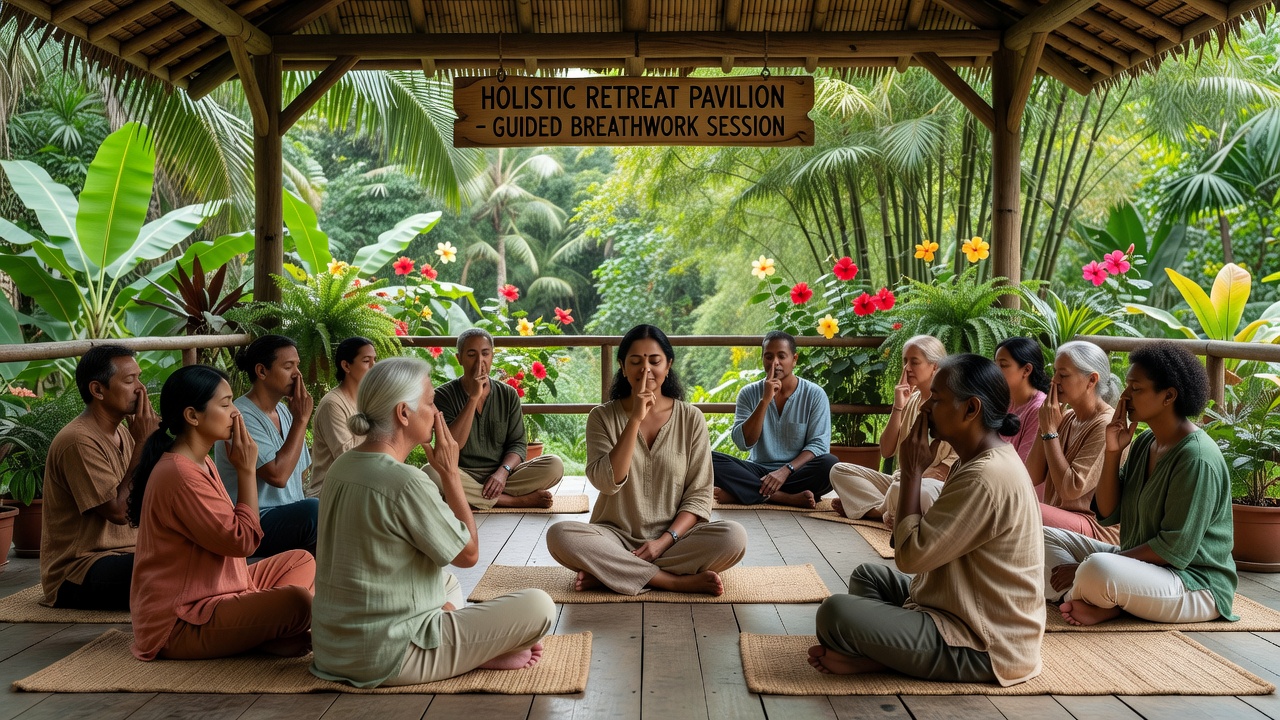
Alternate Nostril Breathing (Nadi Shodhana)
- Sit comfortably in your hotel room or on a retreat mat with your spine straight.
- Close the right nostril with your thumb and inhale through the left for four counts.
- Close the left nostril and exhale through the right for four counts.
- Reverse the pattern by inhaling through the right and exhaling through the left.
- Repeat for five to ten minutes daily, focusing on smooth, even breaths.
Box Breathing for Quick Reset
This technique suits busy itineraries. Inhale for four seconds, hold for four, exhale for four, and hold for four. Use it before yoga sessions or after long flights to restore equilibrium and prepare the mind for deeper practice.
Diaphragmatic Breathing for Grounding
Lie on your back or sit upright. Place one hand on your chest and the other on your abdomen. Inhale deeply through the nose so the abdomen rises while the chest remains relatively still. Exhale slowly through the mouth. Practice for eight to twelve minutes to release tension stored in the core muscles after travel.
Kapalabhati for Energizing Mornings
Perform short, forceful exhales through the nose while drawing the abdomen inward. Follow each exhale with a passive inhale. Complete twenty to thirty rounds in the morning to boost circulation and mental alertness before attending retreat workshops.
Comparing Breathwork Styles Across Popular Destinations
Retreats in Bali emphasize rhythmic ocean-breathing synced with waves, while those in the Himalayas focus on slow, meditative patterns suited to high altitudes. Costa Rican centers blend pranayama with nature immersion for grounding effects. In Morocco, instructors often incorporate breath retention during desert meditations to build inner heat and resilience. Each style adapts to local climates and cultural influences, offering unique benefits for holistic healing. Travelers can select destinations based on preferred intensity levels and environmental settings to maximize results. For instance, coastal locations favor dynamic breathing that mirrors natural rhythms, whereas mountain retreats encourage slower, deeper inhalations to accommodate thinner air.
Real-World Examples from Holistic Retreats
At leading 2026 wellness centers, guests begin days with guided pranayama circles followed by asana practice. One program in Southeast Asia incorporates breath retention during jungle hikes, fostering resilience and presence. Another European retreat pairs diaphragmatic breathing with sound therapy for amplified restorative effects. A popular destination in New Zealand combines Kapalabhati with ocean dips to invigorate participants after overnight flights. These programs often include evening wind-down sessions using box breathing to process the day's experiences and promote restorative sleep. Such examples demonstrate how breathwork transforms standard yoga tourism into personalized healing experiences that participants can continue long after returning home.
Practical Tips for Daily Incorporation on the Road
- Carry a portable journal to track breathing sessions and note shifts in clarity or energy levels.
- Practice upon waking to set intentions aligned with the day's itinerary and activities.
- Combine short sessions with movement like walking meditation in scenic areas around the retreat.
- Stay hydrated to support optimal lung function during extended practices in varying climates.
- Use travel apps with guided audio prompts to maintain consistency even during transit days.
- Schedule brief breathwork breaks between workshops to prevent mental fatigue and sustain focus.
Potential Challenges for Tourists and How to Overcome Them
Jet lag and changing time zones can disrupt routines. Start with brief five-minute sessions to build consistency without overwhelming the body. Cultural differences in group settings may feel intimidating; many retreats offer private options for those who prefer solitude. Unfamiliar climates affect breathing comfort, so adapt pacing and seek shaded or ventilated spaces. Noise from nearby urban areas or wildlife can distract during outdoor sessions, which is why many practitioners use soft earplugs or choose indoor pavilions. Language barriers with instructors are common at international retreats, yet visual demonstrations and translated cue cards help bridge gaps effectively.
Frequently Asked Questions
How long should beginners practice breathwork on retreats?
Start with 10-15 minutes daily and gradually increase based on comfort and guidance from instructors.
Can breathwork replace other wellness activities?
It complements rather than replaces yoga, meditation, or nutrition programs for balanced results.
Is breathwork safe for all travelers?
Most people benefit, but consult a healthcare provider if managing respiratory conditions before intensive sessions.
What 2026 trends influence breathwork in yoga tourism?
Personalized apps and eco-conscious retreats emphasize sustainable, tech-supported breathing practices tailored to individual wellness goals.
How does breathwork interact with altitude changes?
At higher elevations, slower inhalations and longer exhales help the body adjust, reducing symptoms of altitude discomfort during the first few days.
Conclusion
Breathwork techniques enrich yoga tourism journeys by deepening holistic healing and mental clarity. By applying these methods thoughtfully, travelers create transformative experiences that extend beyond the retreat. Embrace consistent practice to unlock lasting benefits in 2026 and beyond.
No comments yet. Be the first!