 Veda Tour
Introduction to Family Yoga Tourism
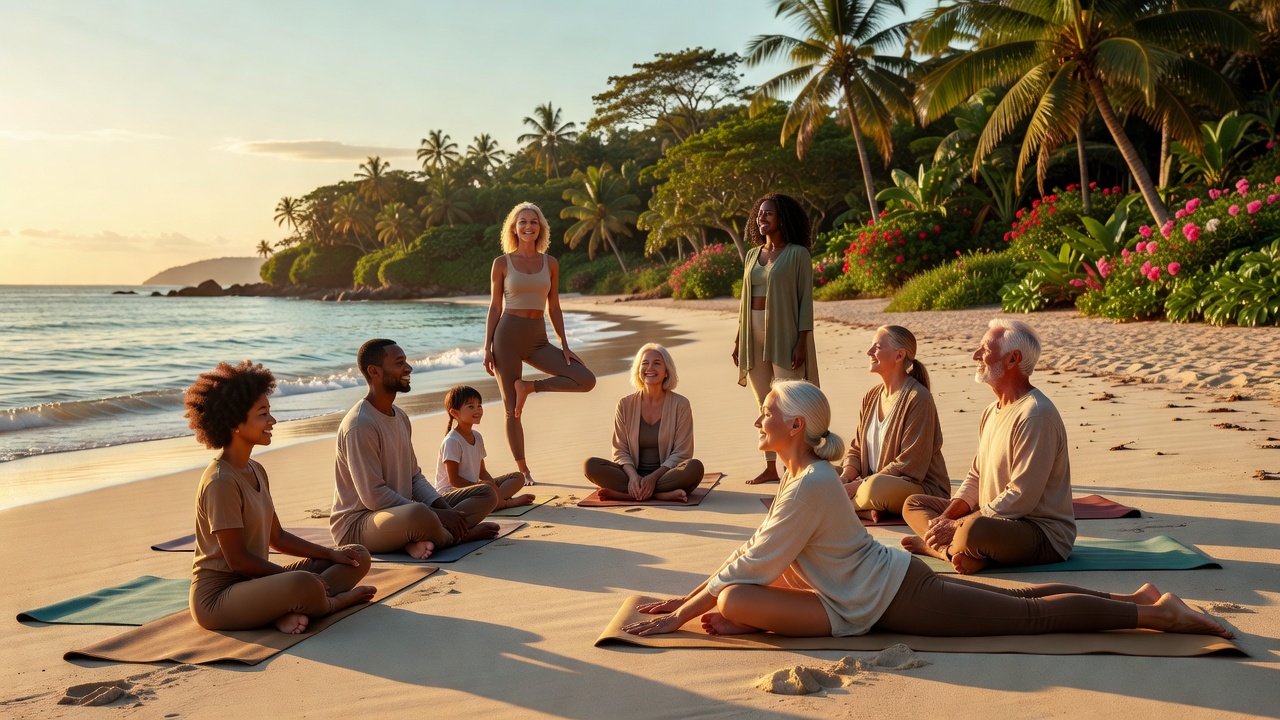
Family yoga tourism represents a growing movement in 2026 where families pursue collective wellness through structured yoga and holistic healing experiences abroad. Unlike solo retreats, these journeys emphasize shared growth, helping parents, children, and grandparents reconnect while addressing physical tension, emotional stress, and lifestyle imbalances together. The appeal lies in combining travel adventure with mindful movement that supports every generation’s unique needs. Families today face increasing screen fatigue and busy schedules, making dedicated time for restorative practices essential. Research from global health authorities highlights how group wellness activities can improve family communication and reduce collective anxiety. This form of tourism has evolved to include specialized programs that blend traditional yoga with nature immersion, nutrition workshops, and creative expression, creating transformative experiences that last beyond the trip.
Holistic healing in this context means addressing body, mind, and spirit simultaneously. Families return home with new tools for daily routines, stronger bonds, and renewed energy. The following sections provide in-depth guidance on planning such journeys effectively.
Age-Appropriate Yoga Practices for Children and Adults
Effective family yoga requires tailoring poses and sequences to developmental stages. Young children aged 4 to 8 respond best to imaginative sessions featuring animal poses such as downward dog for energy release and cat-cow for spinal flexibility. These sessions often incorporate storytelling and games to maintain attention while teaching breath awareness. Pre-teens and teens benefit from dynamic vinyasa flows combined with strength-building variations and guided meditation to manage academic pressures. Adults typically explore hatha or yin yoga for deep stretching and joint care, while seniors appreciate chair-supported sequences that enhance balance and reduce fall risk.
Many retreats schedule parallel classes so each age group practices safely before reuniting for partner yoga or family meditation circles. Benefits include improved posture for all, better sleep patterns, and enhanced emotional regulation. Instructors trained in child development ensure modifications prevent strain and foster enjoyment rather than competition.
Selecting the Right Family-Oriented Retreat
Choosing a retreat involves evaluating multiple factors beyond basic yoga offerings. Seek centers with certified instructors experienced in multi-age groups and on-site childcare during adult-focused workshops. Review amenities such as family villas, kid clubs, organic meal options, and flexible daily schedules that accommodate nap times or energy fluctuations. Compare immersive ashram-style programs emphasizing silence and vegetarian diets against luxury resort packages that include spa treatments and optional adventure add-ons. Both approaches support holistic healing when they prioritize connection over rigid structure. Always request sample itineraries and speak with previous family participants to assess real outcomes.
Top Destination Recommendations with Kid-Friendly Amenities
Several destinations stand out for their family-friendly infrastructure and natural settings ideal for yoga. Bali’s Ubud area offers private villas with garden yoga decks, children’s art classes, and nearby rice paddy walks. Costa Rica’s Pacific coast eco-lodges combine beach yoga with guided rainforest hikes and wildlife spotting suitable for all ages. Portugal’s Alentejo region features organic farms where families learn sustainable gardening alongside morning flows and evening sound healing. Additional options include Thailand’s northern mountains for gentle trekking integrated with family meditation and Canada’s lakeside retreats emphasizing seasonal outdoor activities. Each location provides pools, shaded rest areas, and adaptable meal plans to support comfort during extended stays.

Packing and Preparation Steps
Thoughtful preparation maximizes the healing potential of the trip. Begin by packing lightweight, moisture-wicking clothing in layers to handle varying activity levels and climates. Include personal yoga mats, travel blocks, and straps for consistent practice. Assemble a family first-aid kit featuring natural remedies, insect repellent, and any prescribed medications. Discuss screen-free intentions in advance and prepare alternative activities such as journals or card games. Practice simple poses together at home for several weeks to build familiarity. Review medical requirements and travel insurance that covers wellness activities. These steps reduce stress and allow full immersion in the experience.
Safety Considerations for All Ages
Safety protocols must address physical, emotional, and environmental factors. Confirm instructor qualifications and appropriate child-to-adult ratios in classes. Verify on-site medical support and clear emergency evacuation procedures. In tropical destinations, emphasize hydration, sun protection, and mosquito prevention. Mountain locations require altitude acclimatization and slower pacing. Establish family agreements around physical boundaries during partner poses and respect individual comfort levels. Parents should also review local regulations regarding children’s participation in group activities. These measures create a secure environment where holistic healing can occur without unnecessary risks.
Real-Life Family Journey Examples
The Thompson family from Australia joined a multi-week program in Costa Rica. Their young son participated in playful animal-themed classes while parents attended restorative sessions, leading to noticeable improvements in his focus at school and reduced parental work stress upon return. A three-generation group from Germany explored Bali, where grandparents used chair yoga adaptations and grandchildren engaged in creative movement workshops, resulting in stronger intergenerational understanding and shared mindfulness habits at home. Another example involves a Canadian family who chose Portugal, noting how farm-based activities complemented yoga and fostered appreciation for seasonal nutrition across all ages.
Comparisons of Retreat Styles
Budget-oriented retreats typically feature shared accommodations, group meals, and core yoga programming with basic amenities. Mid-range options add private rooms, optional excursions, and dedicated children’s staff. Premium experiences provide personalized wellness consultations, private villas, and enhanced spa access. Each style can deliver meaningful holistic healing when the emphasis remains on family connection and consistent practice rather than material extras. Families should match the style to their priorities, energy levels, and desired depth of immersion.
FAQ: Common Concerns Addressed
How do retreats handle screen time policies?
Most programs designate limited device hours or encourage complete digital detox supported by engaging alternatives like nature games and group storytelling. Policies differ by location, so families should confirm expectations before booking.
What about activity pacing for mixed ages?
Quality retreats offer tiered schedules with optional participation and designated quiet zones. This allows slower family members to rest while others continue, ensuring everyone feels included without pressure.
Are these experiences suitable for beginners?
Yes, introductory classes and pose modifications welcome newcomers of any age or fitness level, with instructors providing individual guidance throughout.
How can families maintain benefits after returning home?
Establish short daily family yoga routines, schedule weekly device-free evenings, and revisit retreat journals or photos to reinforce learned practices and emotional connections.
Conclusion
Family yoga tourism provides a powerful avenue for holistic healing and multi-generational bonding in 2026. By carefully selecting age-appropriate programs, preparing thoroughly, prioritizing safety, and choosing suitable destinations, families can create experiences that deliver lasting physical, emotional, and relational benefits. Begin exploring options aligned with your group’s needs to embark on this enriching path. For additional insights into global health and family wellness, consult resources from the World Health Organization and UNICEF.
No comments yet. Be the first!