 Veda Tour

Introduction: Extending the Glow of Yoga Tourism
Yoga tourism offers profound resets through immersive experiences in serene environments, yet many travelers struggle to sustain those gains once they return to everyday routines. This comprehensive guide delivers advanced techniques specifically for experienced wellness seekers focused on integrating holistic healing into daily life. By addressing reintegration challenges head-on and providing practical frameworks, you can transform temporary retreat highs into permanent lifestyle upgrades that enhance physical vitality, mental clarity, and emotional resilience over months and years.
The search intent behind this topic centers on long-term maintenance rather than short-term inspiration. Retreats often deliver immediate benefits such as reduced cortisol levels and improved flexibility, but without structured follow-through, these can fade within weeks. This article explores evidence-informed approaches drawn from holistic traditions and modern wellness research to help you build lasting habits.
Building a Sustainable Daily Yoga Routine
Start by anchoring your practice to consistent micro-habits rather than attempting to replicate full retreat schedules, which can lead to overwhelm. Dedicate 20-45 minutes each morning to a personalized sequence combining asana, pranayama, and meditation. Track progress weekly using a simple journal noting energy levels, emotional states, and any physical sensations to refine your approach over time.
Sample Morning Sequence for Advanced Practitioners
- 5 minutes of sun salutations to awaken the body and improve circulation
- 10 minutes of targeted stretches addressing common travel-induced tension in hips and shoulders
- Breathwork such as alternate nostril breathing for nervous system balance and focus
- Closing with 10 minutes of seated mindfulness to set intentions for the day
Adapt based on your schedule and listen to bodily cues to avoid burnout. Evening variations might include restorative poses like supported bridge or legs-up-the-wall to promote recovery after work demands. Consider seasonal adjustments, such as emphasizing grounding poses during winter months when energy naturally dips.
Advanced Customization Techniques
Experienced travelers often layer in elements like mantra repetition or visualization drawn from their retreat teachings. For instance, if your retreat emphasized heart-opening backbends, incorporate gentle camel pose variations three times weekly while monitoring shoulder mobility improvements through monthly photos or measurements.
Overcoming Common Reintegration Challenges
Returning to daily life often triggers stress responses that erode retreat benefits. Common hurdles include time constraints from work and family obligations, social pressures to resume old habits, and fading motivation as the novelty of the retreat wears off. Combat these by establishing non-negotiable boundaries, such as a tech-free hour before bed, and enlisting accountability partners through local or online wellness communities.
Gradual exposure to familiar environments while maintaining ritual elements, like lighting incense during practice, helps bridge the gap between retreat and home. One effective strategy involves creating a "transition week" upon return where you gradually reintroduce responsibilities while protecting morning practice time. Many practitioners report success by reframing challenges as opportunities for deeper growth, such as using commute time for mindful breathing exercises.
Case Examples of Successful Reintegration
Consider a frequent wellness traveler who returned from a Bali retreat and faced deadline pressures at work. By breaking her routine into 15-minute segments and using voice notes for reflection during lunch breaks, she maintained consistency and noticed sustained improvements in sleep quality after six weeks. Another example involves pairing yoga with existing habits like post-dinner walks to build compound benefits without additional time investment.
At-Home Practices That Extend Retreat Gains
Extend transformation through evidence-based extensions like mindful eating aligned with seasonal produce and regular nature immersion even in urban settings. Incorporate herbal teas aligned with Ayurvedic principles for digestive support and progressive muscle relaxation before sleep to release accumulated tension. 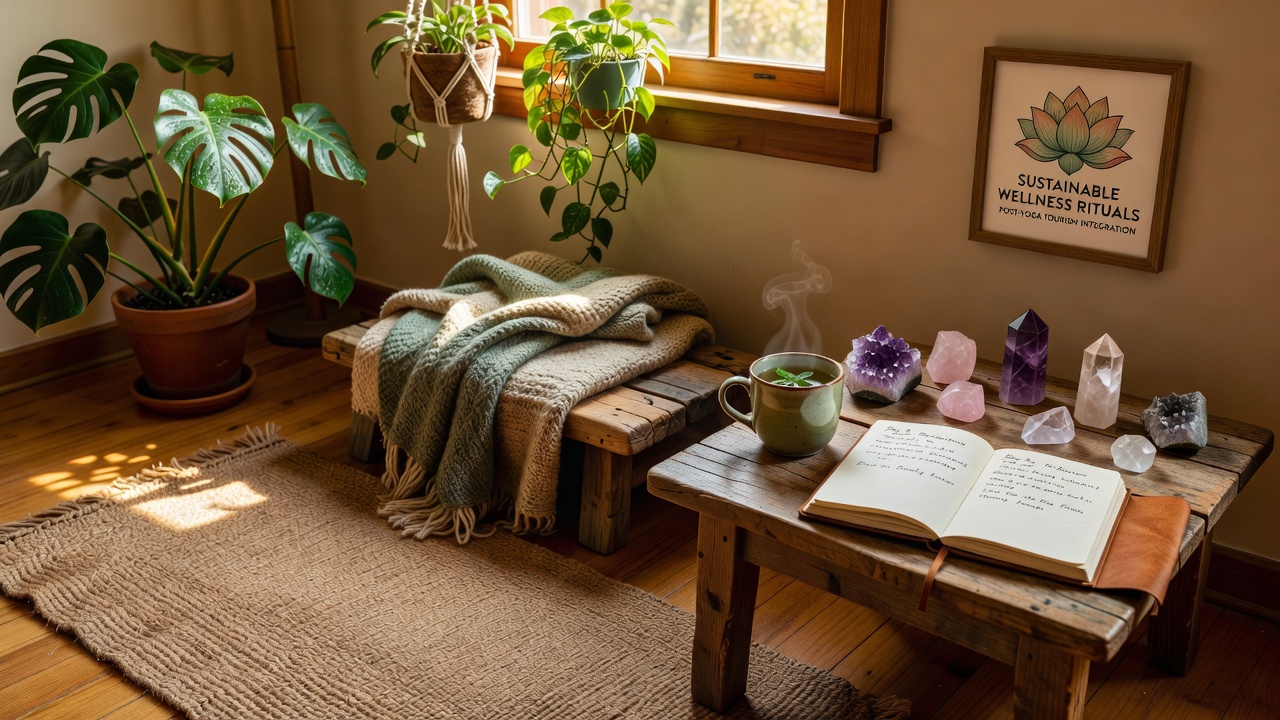
Practical Examples and Step-by-Step Implementation
- Weekly digital detox days to mimic retreat silence, starting with four hours and building to full days
- Creating a home altar with items collected from your journey, refreshed monthly with new intentions
- Integrating sound healing via free online resources for continued vibrational therapy, focusing on 10-minute sessions
- Journaling prompts that revisit retreat themes, such as gratitude lists tied to specific asanas
These practices compound over time, with many reporting enhanced immune function and emotional stability after consistent application for three months.
Comparing Mindfulness Tools for Ongoing Progress
Several apps and analog methods support sustained mindfulness. Compare options by accessibility, customization depth, and evidence base. Traditional journaling often outperforms many digital trackers for reflective depth because it engages kinesthetic learning, while guided audio sessions excel for beginners transitioning from retreats by providing structure. Choose based on personal learning style and integrate one primary tool consistently before adding others.
Popular comparisons include Headspace for structured courses versus Insight Timer's community features. For advanced users, combining a physical journal with occasional app use creates hybrid tracking that captures both quantitative metrics like session duration and qualitative insights like emotional shifts. Resources from established health authorities such as the National Institutes of Health emphasize personalized approaches over one-size-fits-all solutions.
Practical Steps for Tracking Healing Milestones
Establish measurable indicators such as improved sleep quality measured by consistent bedtimes, reduced anxiety scores via simple self-assessments, and increased flexibility metrics through regular forward-fold tests. Review monthly with a simple spreadsheet or wellness app, noting patterns and celebrating non-linear progress to maintain momentum. Adjust routines seasonally or after life events to keep the practice relevant and effective.
Additional milestones might include tracking heart rate variability if using a basic wearable, or noting social interactions improved by greater presence. This data-driven yet intuitive method ensures accountability while honoring the holistic nature of healing.
FAQ: Relapse Prevention Strategies
How do I prevent slipping back into old habits?
Implement trigger identification and replacement rituals immediately upon noticing early signs of relapse, such as skipping sessions. Revisit your retreat journal for motivation and adjust intensity rather than abandoning practice entirely.
What if travel fatigue returns quickly?
Revisit core breathwork practices from your retreat and schedule quarterly micro-retreats at home to recharge. Incorporate elements like herbal support or short nature outings for quick resets.
Are there professional resources for continued support?
Consult certified yoga therapists and explore guidance from reputable sources like the World Health Organization for integrative health approaches that complement yoga practices.
How long does it typically take to see sustained results?
Most experienced practitioners notice stabilized benefits within eight to twelve weeks of consistent application, though individual timelines vary based on prior experience and life circumstances.
Conclusion: Embracing Lifelong Holistic Evolution
Sustaining wellness after yoga tourism requires intentional design and consistent application of advanced techniques. By embedding these strategies into your lifestyle, experienced travelers achieve enduring transformation that enriches physical health, mental well-being, and overall life satisfaction for years to come.


No comments yet. Be the first!