 Veda Tour
Introduction to Sound Healing and Yoga Tourism
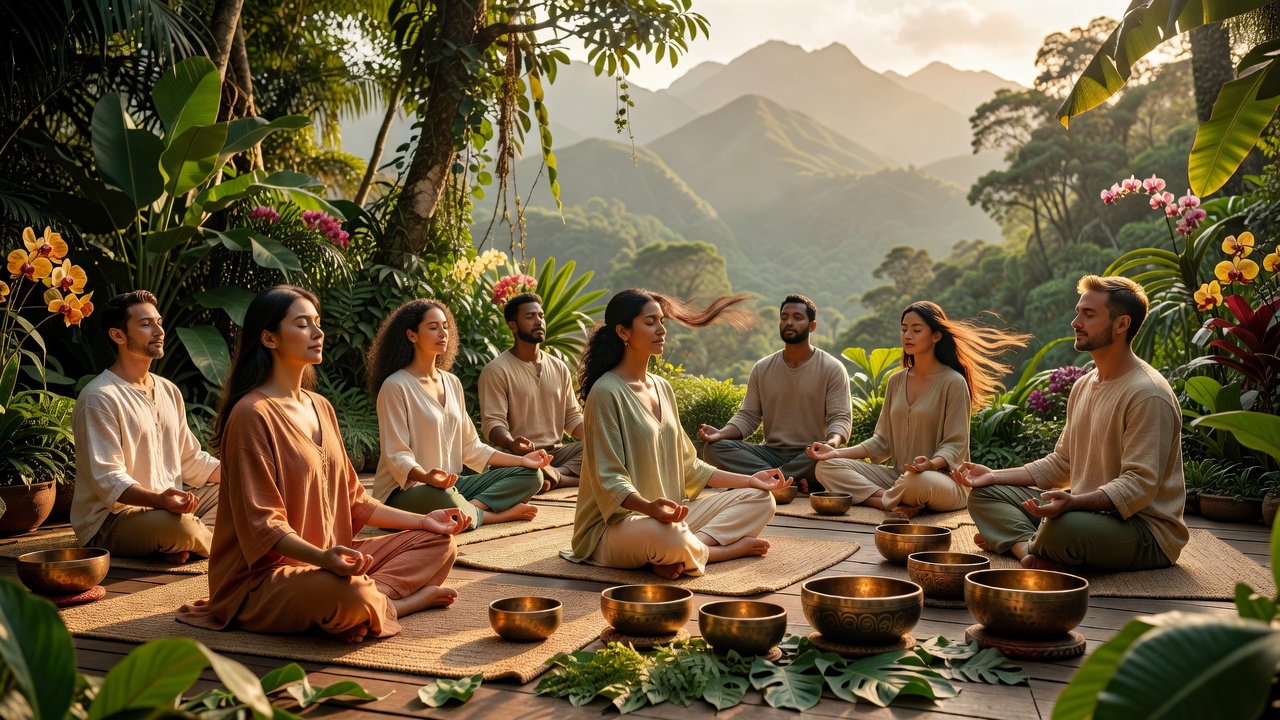
The fusion of sound healing with yoga tourism is reshaping holistic wellness travel in 2026. Travelers increasingly seek experiences that combine ancient vibrational practices with modern yoga techniques to achieve deeper emotional and physical restoration. This trend moves beyond standard asana-focused retreats by incorporating sound frequencies that promote profound relaxation, nervous system regulation, and energetic release. Wellness enthusiasts are drawn to destinations where live sound baths complement meditation and movement, creating immersive journeys that address both body and mind. Research from the National Institutes of Health highlights how specific frequencies influence brainwave patterns, amplifying the therapeutic effects of yoga. As global interest in integrative wellness grows, sound-enhanced yoga retreats offer travelers a pathway to sustainable well-being that extends far beyond the vacation itself.
The Science of Sound Frequencies in Healing
Sound healing operates on the principle that vibrational frequencies interact directly with the body’s cells and energy systems. Instruments such as Tibetan singing bowls, planetary gongs, and quartz crystal bowls generate tones typically ranging from 432 Hz to 528 Hz, which practitioners believe help realign chakras and dissolve energetic blockages. Scientific observations show these vibrations can reduce cortisol levels, improve heart rate variability, and encourage theta brainwave states associated with deep rest and creativity. When combined with yoga, sound frequencies enhance the physiological benefits of postures by calming the autonomic nervous system during and after movement. This creates an environment where physical flexibility gains from asana practice are paired with accelerated mental clarity. The World Health Organization recognizes the value of integrative modalities that support mental health, making sound healing a natural complement to traditional yoga tourism offerings.
Synergy Between Sound Healing, Asana, and Meditation
The true power of sound-enhanced yoga lies in the seamless synergy between active movement and passive vibrational work. Sound healing prepares the body for deeper asana by releasing muscular tension through resonance, allowing practitioners to access postures with greater ease and less resistance. Following a dynamic flow, a sound bath during savasana extends the meditative state, guiding participants into prolonged alpha and theta brainwave activity. Meditation sessions become more accessible as rhythmic tones anchor attention and reduce mental chatter. This integrated approach yields holistic results: improved physical mobility from yoga is reinforced by emotional processing facilitated through sound, leading to lasting shifts in stress resilience and self-awareness. Retreats in 2026 are increasingly designing multi-day programs around this cycle to maximize cumulative benefits across physical, emotional, and spiritual dimensions.
Real-World Examples from 2026 Retreats
Leading destinations such as Bali and Costa Rica host immersive programs that blend morning yoga flows with afternoon and evening sound immersions. In Ubud, centers incorporate live gongs and singing bowls during restorative sequences, resulting in participant reports of significant emotional breakthroughs and reduced anxiety. Costa Rican retreats nestled in cloud forests use ocean-inspired crystal bowl sessions to mirror the natural rhythms of the environment, enhancing grounding effects. In Portugal, coastal venues combine cliffside yoga with sunset gong baths, attracting both beginners and advanced practitioners seeking profound rest. These examples demonstrate how location-specific elements like natural acoustics and cultural context amplify the fusion of sound and yoga for transformative outcomes.
Selecting Compatible Destinations
Choosing the right destination requires careful evaluation of several factors to ensure a safe and effective experience. Prioritize centers with certified sound practitioners who hold credentials from recognized wellness organizations and maintain strong partnerships with yoga instructors. Assess the retreat’s track record through verified participant reviews and program transparency. Consider environmental elements such as climate suitability, proximity to natural settings that enhance sound resonance, and ease of travel logistics. Additional considerations include group size limits for personalized attention, dietary options aligned with holistic principles, and post-retreat support resources. A thorough review of these elements helps travelers select experiences that align with their wellness objectives and skill levels.
- Verify instructor certifications and sound modality training
- Evaluate integration depth between yoga sequences and sound sessions
- Review accommodation quality and accessibility features
- Compare seasonal offerings for optimal weather and availability
- Confirm cancellation policies and health protocol standards
Typical Session Structures
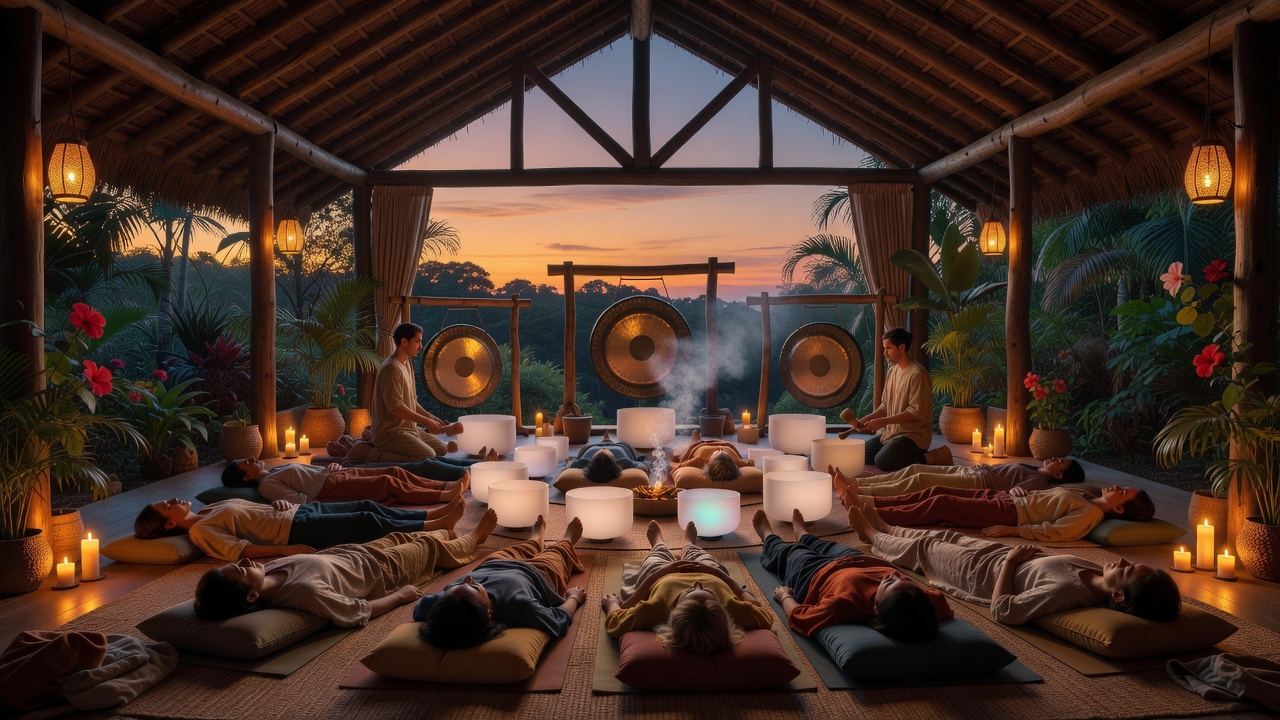
Well-designed sound and yoga sessions follow a deliberate progression that balances activation and restoration. A typical daily structure begins with breathwork and gentle warm-up movements to awaken the body, followed by a balanced asana sequence targeting flexibility and strength. Midday or afternoon sound baths allow participants to lie in savasana while instruments create layered frequencies that promote cellular relaxation. Evening sessions often incorporate guided meditation supported by chimes or tuning forks. Sessions generally span 75 to 90 minutes, with variations for beginners emphasizing shorter sound segments and advanced groups extending immersion periods. Facilitators adjust intensity based on group feedback to maintain safety and efficacy throughout the program.
- Centering breathwork and intention setting
- Active asana and pranayama practice
- Transition into restorative positioning
- Sound immersion with live instruments
- Integration discussion and closing ritual
Participant Testimonials on Emotional Release
Many travelers describe profound emotional releases during combined sound and yoga experiences. One participant shared how hip-opening postures followed by a deep gong bath allowed years of stored tension to surface and dissolve, resulting in improved sleep and reduced reactivity to stress for weeks afterward. Another reported gaining unexpected clarity around personal relationships after a crystal bowl session paired with heart-opening backbends. These accounts consistently highlight the accelerated depth of emotional processing that sound brings to traditional yoga practice, often leading to breakthroughs not typically achieved in yoga-only settings.
Practical Steps for Travelers
Preparation enhances the benefits of sound-enhanced yoga tourism. Beginners benefit from attending introductory local workshops to familiarize themselves with sound instruments before traveling abroad. Packing light, breathable clothing, a journal for reflections, and any personal comfort items supports full engagement. Staying hydrated, avoiding heavy meals before sessions, and openly communicating physical or emotional sensitivities to facilitators ensures a safe experience. Upon return, continuing simple home practices such as short sound meditations or gentle yoga flows helps integrate insights gained during the retreat.
Comparison: Traditional Yoga-Only vs. Sound-Enhanced Journeys
Traditional yoga-only journeys emphasize physical alignment, breath control, and postural mastery within a structured daily flow. While effective for building strength and flexibility, they may leave emotional or energetic layers unaddressed. Sound-enhanced journeys layer vibrational work onto the same foundation, accelerating nervous system regulation and deepening meditative states. Travelers often report faster stress reduction and more noticeable emotional shifts with the addition of sound, though both formats remain valuable depending on individual goals. Those seeking comprehensive mind-body-spirit healing frequently prefer the integrated model for its synergistic depth.
Mistakes to Avoid When Planning
Common pitfalls include selecting retreats without verifying practitioner credentials, overlooking personal health considerations such as sound sensitivity or mobility limitations, and underestimating the importance of post-retreat integration time. Another frequent error is choosing destinations based solely on aesthetics rather than program substance and instructor expertise. Avoiding these mistakes through diligent research leads to more rewarding and safer experiences.
FAQs on Accessibility, Costs, and Preparation
Is sound healing accessible for beginners? Most retreats design inclusive sessions suitable for all experience levels, with modifications available upon request.
What preparation tips help maximize benefits? Arrive well-rested, maintain hydration, and set clear personal intentions before each session.
How does one choose between destinations? Focus on verified reviews, practitioner qualifications, and alignment with specific wellness goals rather than marketing appeal alone.
Are there accessibility considerations for those with mobility challenges? Many venues offer adaptive yoga modifications and seated sound options; always confirm directly with organizers.
Conclusion
Sound healing integrated with yoga tourism provides a powerful, multidimensional approach to holistic wellness in 2026. By understanding the underlying science, carefully selecting retreats, following practical preparation steps, and learning from real participant experiences, travelers can achieve deeper healing and sustainable personal transformation that enriches both body and mind long after the journey ends.
No comments yet. Be the first!