 Veda Tour
Introduction to Yoga Tourism for Athletes
Yoga tourism has emerged as a powerful tool for athletes seeking to optimize performance and accelerate recovery. In 2026, fitness enthusiasts are increasingly combining athletic training with wellness travel to achieve holistic results. This approach blends physical conditioning with mindfulness practices, targeting both body and mind for superior outcomes on the field or court. Athletes from various disciplines now recognize that traditional gym routines alone may not address the full spectrum of mobility, mental resilience, and soft tissue health required for peak performance.
Many competitive athletes incorporate yoga into their routines to enhance flexibility, reduce injury risk, and improve mental focus. Yoga tourism takes this further by offering immersive experiences in inspiring locations worldwide, allowing participants to escape daily distractions and dedicate focused time to integrated training. Whether preparing for a marathon season or recovering from a demanding competition schedule, these journeys provide structured environments where progress can be tracked daily.
Benefits of Yoga for Athletic Performance
Yoga improves balance, core strength, and respiratory efficiency, all critical for sports like running, swimming, and team athletics. Regular practice also lowers cortisol levels, aiding faster recovery between intense training sessions. Research from institutions like the Mayo Clinic highlights how mindful movement supports overall musculoskeletal health. Athletes who practice consistently often experience enhanced proprioception, which translates to better body awareness during high-speed maneuvers or heavy lifts.
Beyond physical gains, yoga fosters mental clarity that helps athletes maintain composure under pressure. Improved lung capacity from pranayama techniques supports endurance events, while increased joint mobility reduces the cumulative wear from repetitive motions. Over time, these benefits compound, leading to fewer overuse injuries and extended career longevity in competitive sports.
Targeted Yoga Poses for Injury Prevention
Specific poses address common athletic vulnerabilities such as tight hamstrings or weak shoulders. Here are key asanas recommended for prevention, each explained with practical application:
- Downward-Facing Dog: Stretches calves and hamstrings while strengthening the upper body. Hold for five breaths and focus on pressing heels toward the floor to deepen the calf stretch after long runs.
- Pigeon Pose: Opens hips and relieves lower back tension from repetitive impact sports. Modify with a block under the hip for beginners to avoid strain.
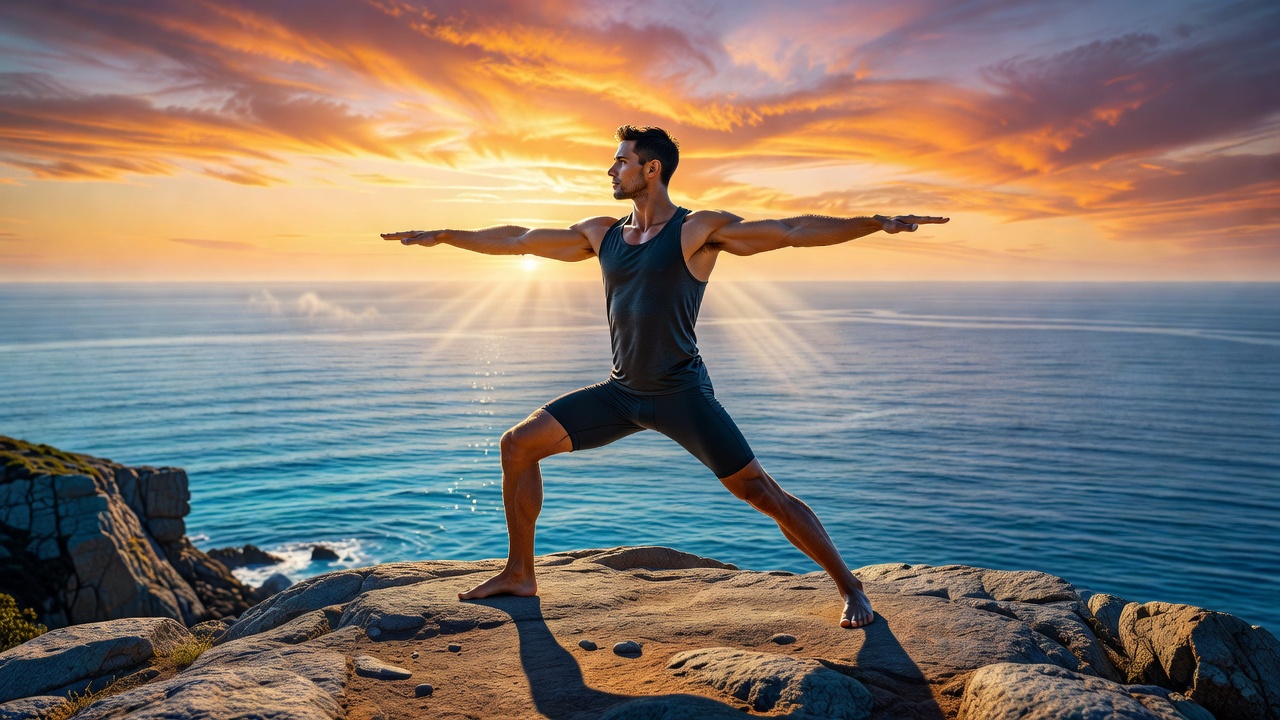
- Warrior II: Builds leg endurance and improves stability for cutting movements in sports like soccer or basketball. Align the front knee over the ankle and gaze forward to maintain balance.
- Bridge Pose: Strengthens the posterior chain to support spinal alignment during heavy lifts. Engage the glutes at the top and hold for 30 seconds to build endurance.
Integrating these into pre-travel training routines prepares athletes for retreat programming and ensures they arrive ready to progress quickly without setbacks.
Recovery Retreats with Sports-Focused Programming
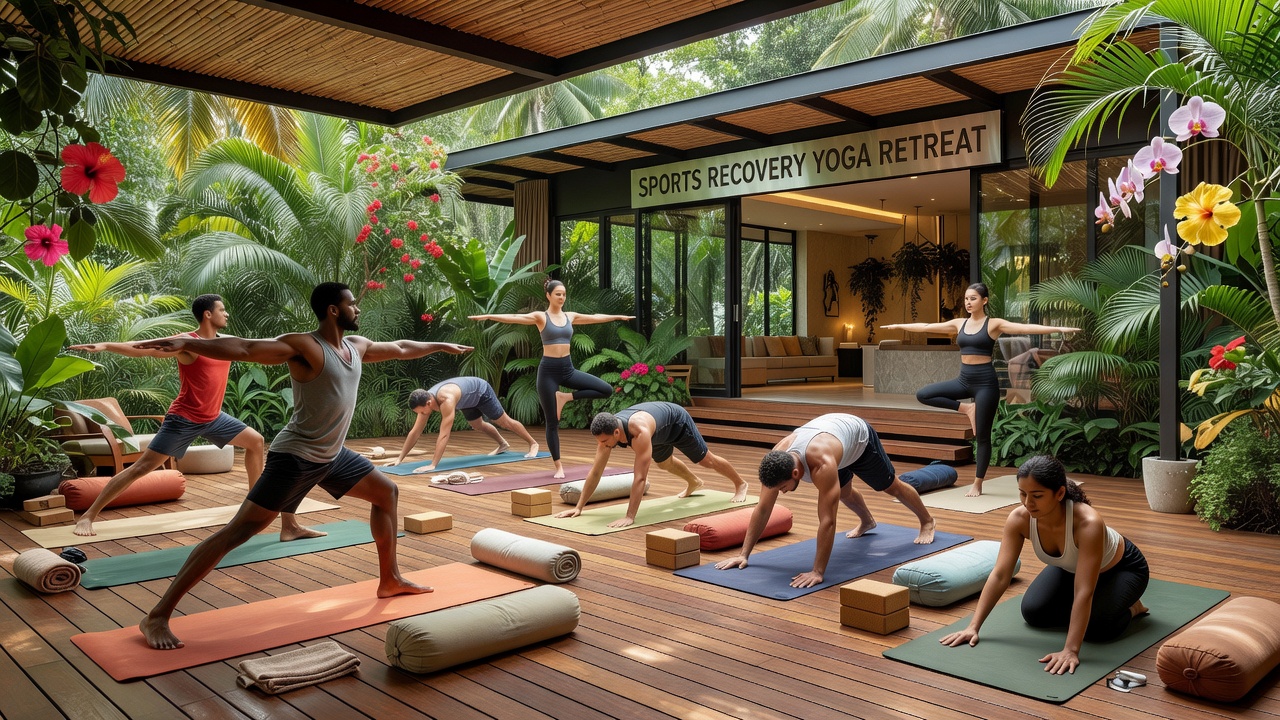
Leading destinations in 2026 offer specialized programs combining yoga with sports science. These retreats feature daily sessions tailored to runners, cyclists, and contact sport athletes, often including mobility workshops and nutrition guidance. Participants engage in progressive sequences that emphasize active recovery, helping to restore range of motion after competition seasons. Many programs incorporate tools like foam rolling sessions and guided breathwork to target delayed onset muscle soreness.
Retreats frequently partner with sports physiotherapists who provide personalized assessments on arrival, allowing for customized pose modifications. This level of attention ensures that programming supports both immediate recovery needs and long-term performance goals.
Real-World Athlete Case Studies from 2026 Destinations
Professional marathoners visiting Costa Rican retreats in early 2026 reported improved race times after two-week programs focused on hip openers and breathwork. One runner noted a 4% reduction in 5K split times following consistent practice of sequences targeting IT band tightness. Similarly, basketball players at European wellness centers noted fewer knee issues post-season through targeted shoulder and ankle sequences that improved overall kinetic chain function.
Another example involves triathletes who attended programs in Bali, where the combination of yoga flows and ocean-based active recovery led to measurable gains in swim efficiency and reduced shoulder impingement symptoms. These case studies demonstrate how location-specific environments enhance adherence and amplify results when athletes fully immerse in the experience.
Practical Steps for Selecting Suitable Programs
Choosing the right yoga tourism experience requires careful evaluation. Follow these detailed steps to make an informed decision:
- Assess your sport-specific needs, such as flexibility deficits or mental resilience goals, by reviewing recent training logs and injury history.
- Review instructor credentials and athlete-focused certifications to ensure they understand biomechanical demands of your sport.
- Check retreat schedules for balance between yoga and active recovery days, avoiding programs that overload without sufficient rest integration.
- Read recent participant testimonials from similar fitness levels to gauge real outcomes and group dynamics.
- Confirm travel logistics including visa requirements, airport proximity, and availability of supplemental training facilities like pools or tracks.
- Compare program durations, starting with shorter five-day options before committing to multi-week immersions for best adaptation.
This structured approach ensures alignment with performance goals and minimizes the risk of mismatched expectations upon arrival.
Packing Checklist for Yoga Tourism
Prepare efficiently with this essential list, each item chosen for practicality during intensive schedules:
- Lightweight, moisture-wicking yoga apparel suitable for multiple daily sessions to maintain comfort in varying climates.
- Travel yoga mat and resistance bands for supplementary strength work when studio space is limited.
- Compression gear and foam roller for on-site recovery to address tight muscles after long travel days.
- Reusable water bottle and electrolyte supplements to stay hydrated during extended practices in warm destinations.
- Journal for tracking poses, progress, and insights to reinforce learning and maintain motivation post-retreat.
- Light hiking shoes and a basic first-aid kit for exploring surrounding areas safely between sessions.
Comparison of Training Outcomes
Traditional gym-only training often yields isolated strength gains but limited mobility improvements. In contrast, yoga tourism programs deliver integrated benefits: enhanced joint stability, better breathing under load, and accelerated soft-tissue repair. Athletes who blend both approaches typically see superior long-term results in injury rates and peak performance windows. Data from wellness programs indicates that combined training can improve flexibility metrics by up to 25% within four weeks when practiced in a retreat setting with daily accountability.
Additional Considerations for Success
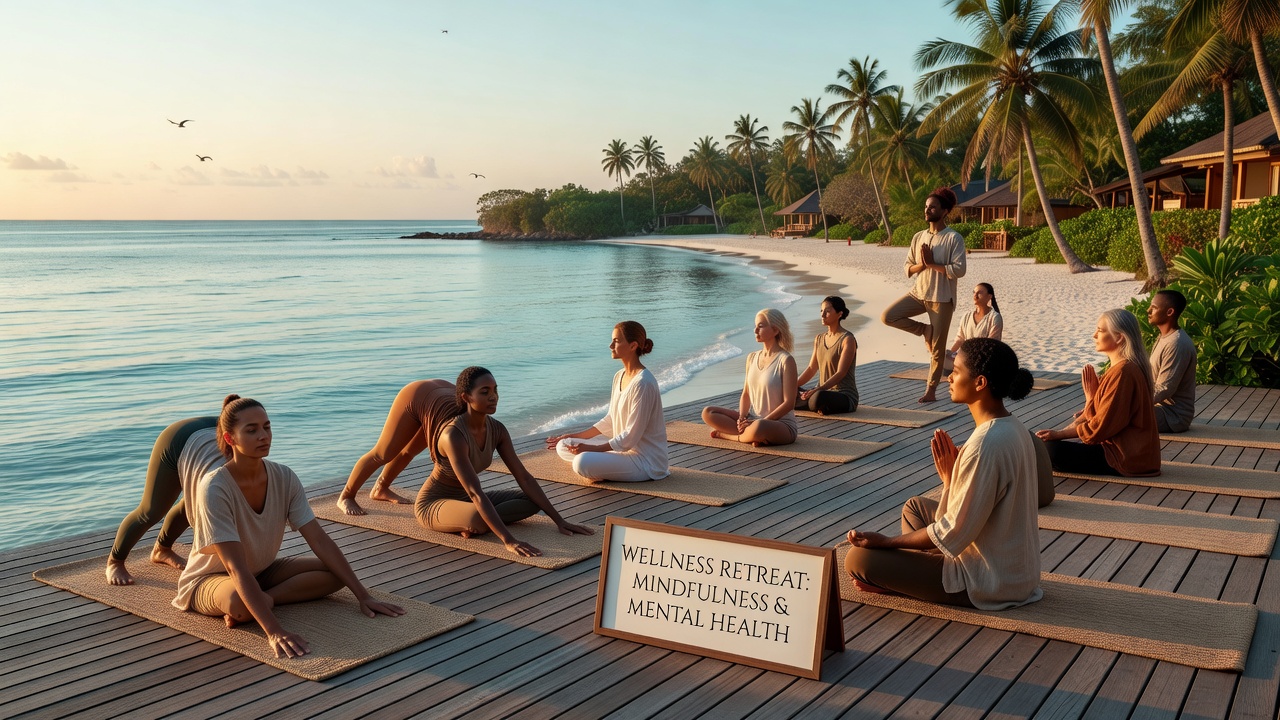
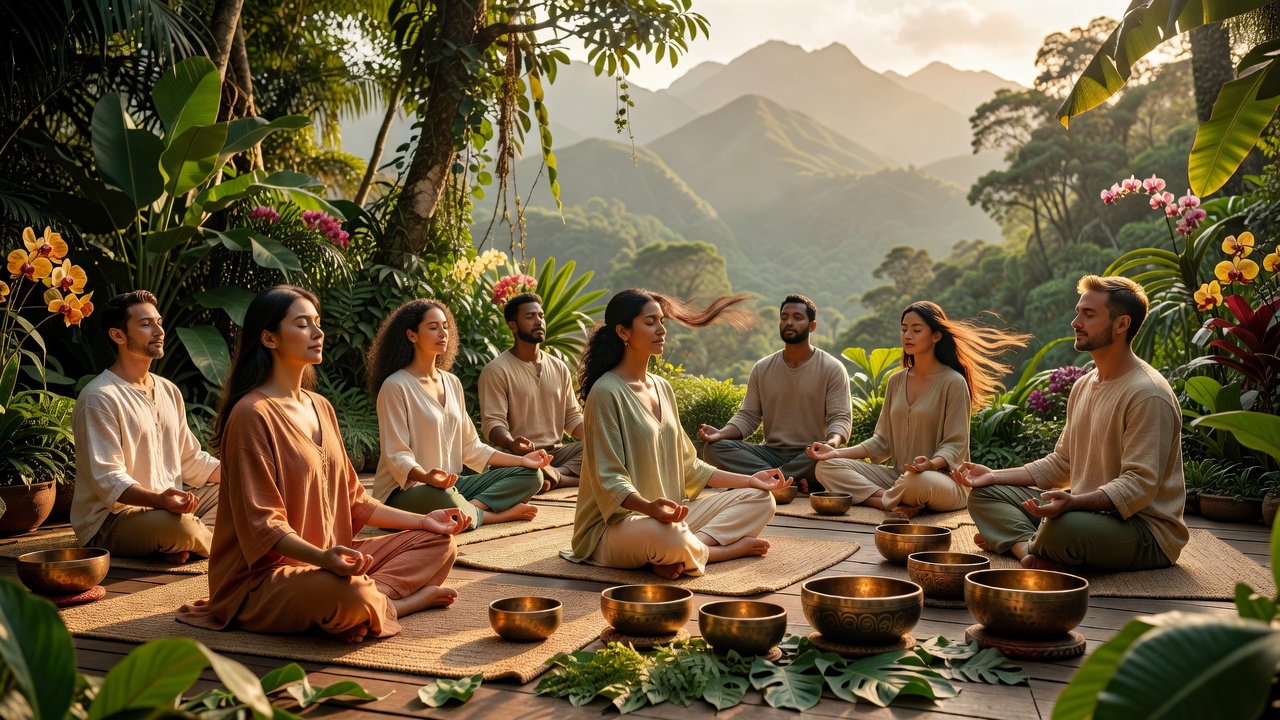
Nutrition plays a vital role alongside yoga practice during these trips. Many retreats now include workshops on anti-inflammatory meal planning that complement recovery sequences. Mental training through meditation components further supports focus, helping athletes return home with tools for ongoing stress management in competitive environments.
Frequently Asked Questions
What intensity levels can I expect?
Programs range from restorative flows to dynamic vinyasa suited for conditioned athletes. Beginners start with modified sequences under expert guidance, progressing based on daily feedback sessions.
How do I handle travel logistics?
Many retreats provide airport transfers and on-site support. Plan flights around retreat start dates and pack light to accommodate yoga gear while confirming any required vaccinations or documentation in advance.
Is yoga tourism suitable for all sports?
Yes, adaptations exist for endurance, power, and precision athletes alike, making it versatile across disciplines from cycling to martial arts.
Can I combine yoga tourism with existing training plans?
Absolutely. Most programs allow integration of sport-specific drills on designated days, ensuring continuity with your home regimen.
Conclusion
Yoga tourism offers athletes a transformative pathway to elevate performance and recovery in 2026. By focusing on targeted practices, informed program selection, and thoughtful preparation, fitness enthusiasts can unlock lasting wellness benefits. Start planning your journey today for optimal results on and off the field.
No comments yet. Be the first!