 Veda Tour
Introduction: Why Yoga Tourism Matters for Mental Health in 2026
Yoga tourism has evolved into a powerful tool for mental wellness, blending travel with evidence-based practices that help reduce anxiety and foster emotional resilience. In 2026, travelers are increasingly seeking retreats that combine physical movement, mindfulness, and holistic healing to address modern stressors. This approach goes beyond vacationing—it offers structured opportunities for personal growth supported by scientific insights into how yoga influences the nervous system. Readers searching for these strategies often want practical, actionable advice rather than vague inspiration. This article examines how to choose the right programs, integrate therapeutic elements, track personal progress, and prepare effectively for a transformative experience while exploring real-world applications from diverse participants.
Understanding the Mental Health Benefits of Yoga Tourism
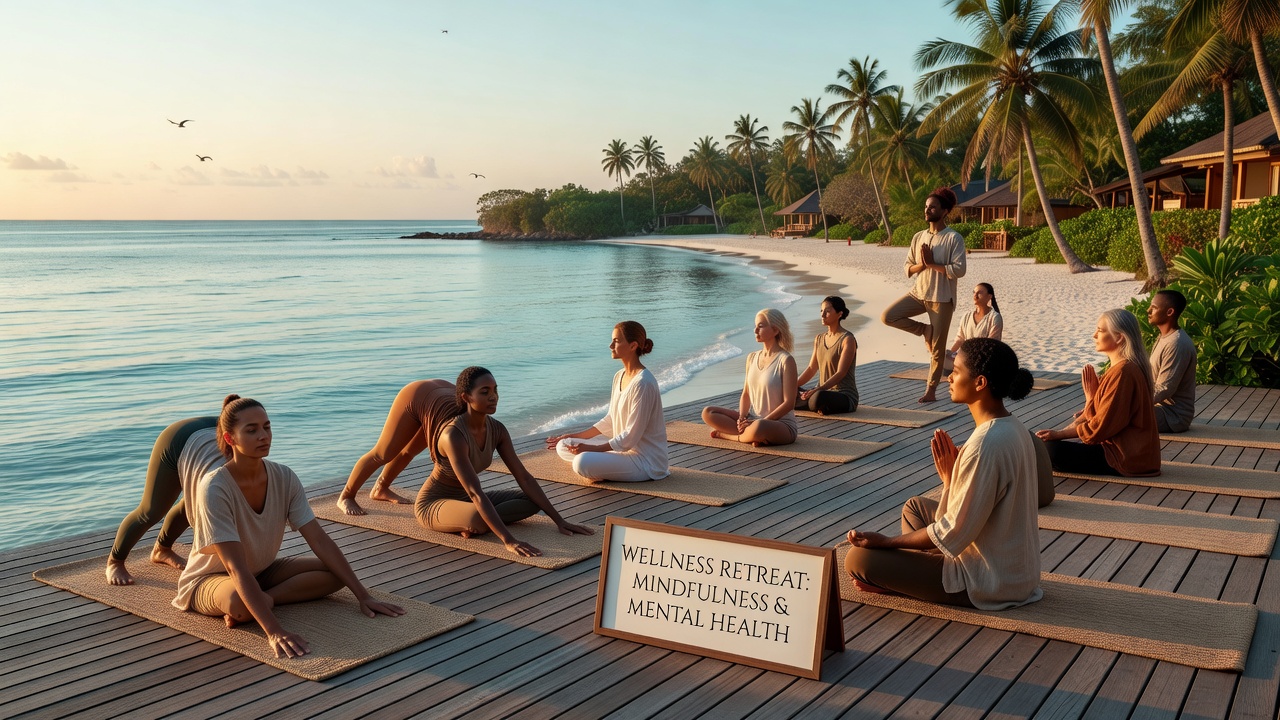
Yoga tourism supports mental health by creating immersive environments where participants practice daily yoga, meditation, and breathwork away from daily distractions. Research from the World Health Organization highlights that regular physical activity combined with mindfulness can significantly lower symptoms of anxiety and depression. At retreats, the structured schedule amplifies these effects through consistent practice in supportive communities. Additional evidence from Mayo Clinic underscores how yoga reduces cortisol levels and improves emotional regulation over time. Travelers report improved sleep, reduced rumination, and greater emotional regulation after even short stays. The change of scenery also plays a role, offering perspective and breaking negative thought patterns that persist at home. For instance, professionals facing burnout often experience renewed focus after a week of guided sessions, while parents dealing with chronic stress find new tools for daily calm through integrated breathwork practices.
Selecting Retreats with a Strong Mindfulness Focus
Choosing the right retreat requires evaluating the curriculum for mindfulness integration. Look for programs that include daily meditation sessions, guided breathwork, and lectures on stress management alongside physical asanas. Prioritize destinations known for serene natural settings, such as coastal or mountain locations, which enhance the calming effects. Compare options by reviewing instructor credentials, participant testimonials, and the balance between group activities and personal reflection time. Retreats emphasizing small group sizes often provide more individualized attention, leading to deeper mental health gains. Consider factors like program duration, cultural immersion opportunities, and post-retreat support resources to ensure long-term benefits. Diverse travelers, including corporate executives and students, frequently recommend checking online forums and verified reviews before booking to match personal needs with the retreat's philosophy.
Combining Yoga with Therapy Elements for Deeper Healing
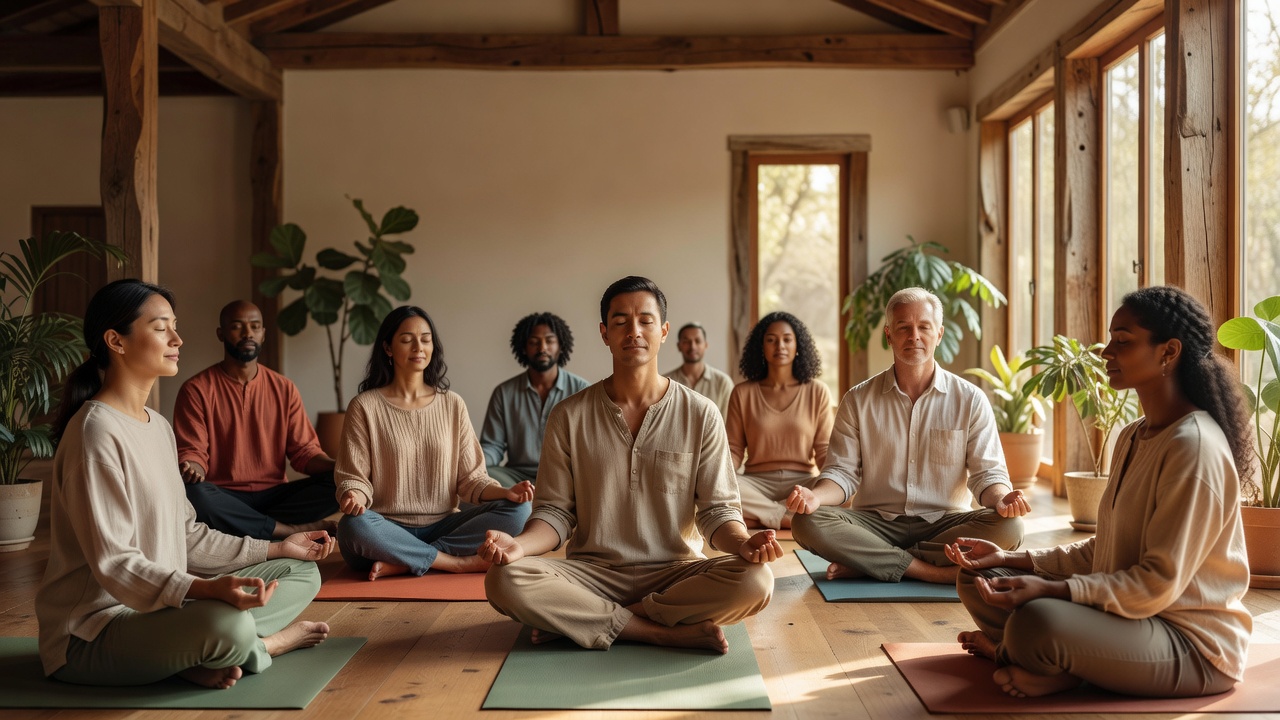
Many 2026 wellness programs now incorporate therapy elements like cognitive behavioral techniques or somatic experiencing alongside yoga. This hybrid model helps participants process emotions that surface during practice. For example, some retreats partner with licensed therapists for optional one-on-one sessions focused on anxiety triggers. Real-world examples include travelers from urban environments who combine vinyasa flows with journaling workshops to build resilience. Diverse participants, from corporate professionals to parents, have shared how these integrations lead to lasting coping strategies they apply long after returning home. One traveler described how pairing yoga nidra with guided reflection helped manage generalized anxiety disorder symptoms more effectively than yoga alone, while another noted improved family relationships after learning somatic tools during a mountain retreat. These combinations create comprehensive support systems that address both body and mind.
Practical Steps for Preparation Before Your Trip
- Assess your current mental health baseline with simple self-reflection tools or apps that monitor mood patterns over several weeks prior to departure.
- Research visa requirements, travel insurance covering wellness activities, and any health prerequisites like vaccinations or medical clearances well in advance.
- Pack essentials including comfortable yoga attire, a journal for reflections, supportive props like blocks or straps, and noise-canceling headphones for rest periods.
- Set clear intentions, such as focusing on anxiety reduction or building daily mindfulness habits, and discuss them with retreat organizers if possible.
- Consult a healthcare provider to ensure the program aligns with any existing conditions or medications.
- Build foundational home practice by attending local classes or following online sequences to prepare physically and mentally for the intensive schedule.
- Arrange post-trip integration support, such as follow-up therapy sessions or local yoga communities, to maintain gains upon return.
Tracking Progress with Simple, Effective Tools
Monitoring improvements helps sustain motivation throughout and after the journey. Use a basic journal to log daily mood, energy levels, sleep quality, and insights from practices. Apps designed for mindfulness can quantify meditation minutes and correlate them with self-reported anxiety scores for visual trends. Upon return, schedule follow-up sessions with a local yoga instructor or therapist to maintain momentum. Many travelers create pre- and post-retreat assessments using standardized scales like the Perceived Stress Scale for objective comparison. Sharing experiences in supportive online communities can also provide accountability and additional perspectives on personal growth.
Comparing Different Yoga Tourism Program Types
- Intensive Mindfulness Retreats: Focus heavily on meditation and silent periods; ideal for deep anxiety relief but may feel challenging for beginners seeking gradual entry.
- Holistic Wellness Journeys: Blend yoga with nutrition workshops and nature hikes; suited for those seeking balanced lifestyle changes across multiple wellness dimensions.
- Therapy-Integrated Programs: Include professional counseling alongside movement; best for individuals with specific mental health goals requiring structured emotional processing.
- Community-Based Experiences: Emphasize group bonding and cultural immersion; great for building social resilience and reducing feelings of isolation.
Each type offers unique advantages depending on personal needs, experience level, and desired outcomes, allowing travelers to select based on their current stage of mental health journey.
Common Mistakes to Avoid When Planning Yoga Tourism
One frequent error is overlooking the importance of instructor qualifications, leading to mismatched expectations or ineffective guidance. Another is failing to research the retreat's approach to accessibility, which can exclude those with physical limitations. Travelers sometimes neglect pre-trip preparation, arriving without foundational fitness and struggling with the pace. Additionally, ignoring post-retreat integration plans often results in lost benefits as daily routines resume without support structures. Always verify cancellation policies and read recent participant feedback to prevent these pitfalls.
FAQ: Addressing Common Concerns
Is yoga tourism accessible for beginners?
Yes, many retreats offer modified classes suitable for all levels. Start with foundational programs that emphasize gentle practices and guidance from experienced teachers who adapt sequences individually.
How does it compare to standard therapy?
Yoga tourism complements professional therapy by providing immersive practice in a supportive setting, but it is not a replacement. Consider it an adjunct for building daily habits that enhance therapeutic outcomes.
What about accessibility for people with mobility concerns?
Look for inclusive retreats with adaptive yoga options and accessible facilities. Many destinations now prioritize universal design, offering chair yoga, modified poses, and barrier-free environments.
Can results be maintained after returning home?
Yes, by establishing a consistent home practice, joining local classes, and using tracking tools. Many participants report sustained improvements when they create accountability systems upon return.
Conclusion: Taking the Next Step Toward Wellness
Yoga tourism in 2026 offers a structured path to better mental health through intentional travel and holistic practices. By carefully selecting programs, preparing thoughtfully, avoiding common pitfalls, and tracking progress, travelers can achieve meaningful reductions in anxiety and lasting resilience. Begin by researching reputable options aligned with your goals and take that first step toward a more balanced life.

No comments yet. Be the first!