 Veda Tour
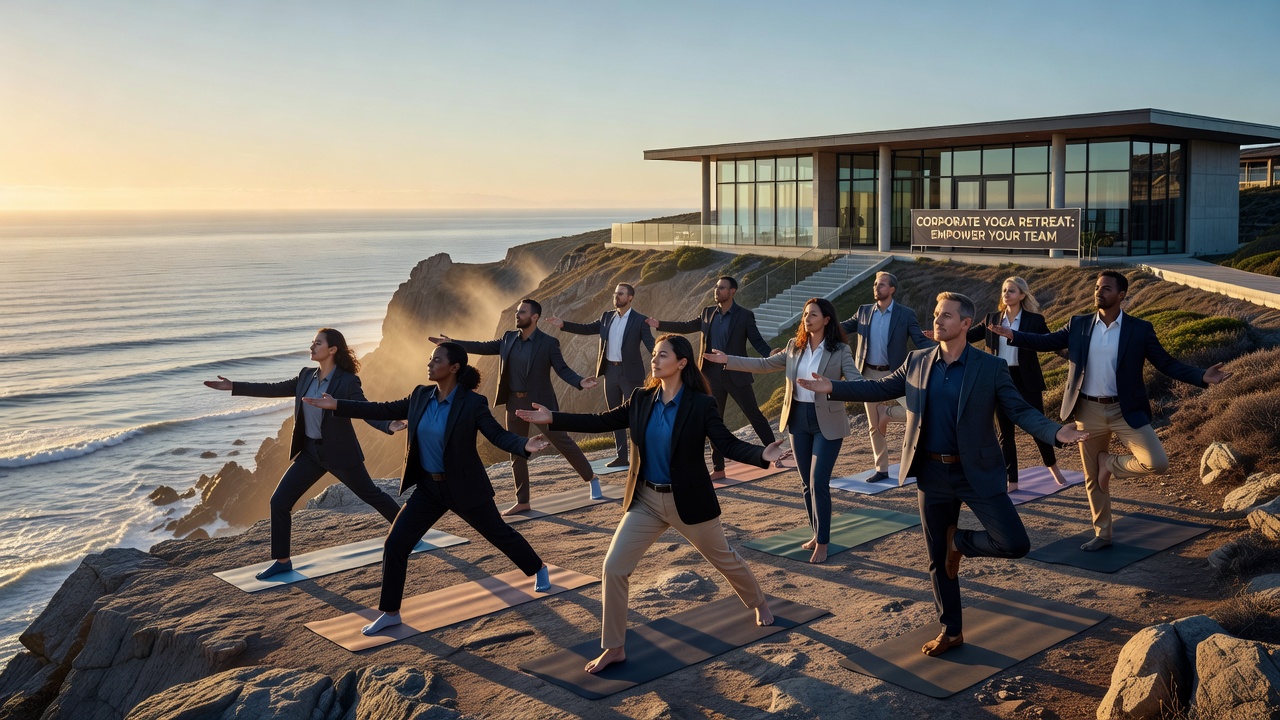
Introduction to Corporate Yoga Tourism
In today's fast-paced work environment, busy professionals often struggle to maintain wellness amid deadlines and high-pressure roles. Corporate yoga tourism combines the restorative power of yoga with travel, offering holistic healing and stress reduction tailored for career demands. This approach helps prevent burnout while fostering improved focus and mental clarity. As we look toward 2026, more executives are integrating short wellness escapes into their schedules to sustain peak performance without sacrificing professional momentum.
Yoga tourism has evolved beyond traditional retreats, now incorporating professional networking and hybrid work elements. This allows participants to recharge without fully disconnecting from their careers. Research from authoritative sources like the World Health Organization underscores the benefits of regular physical activity and mindfulness for reducing occupational stress. Professionals report that these targeted retreats address the unique challenges of corporate life, such as constant connectivity and performance anxiety, by creating structured opportunities for recovery and growth.
Understanding the Rise of Corporate Yoga Tourism in 2026
The demand for corporate yoga tourism continues to grow as companies recognize the link between employee well-being and productivity. In 2026, trends show an increase in hybrid retreats that cater specifically to executives seeking balance. These programs often include elements like leadership workshops alongside yoga, making them appealing for career advancement. Factors driving this rise include greater awareness of mental health, flexible remote work policies, and the availability of destinations optimized for short professional getaways. By participating, professionals can address chronic issues like fatigue and lack of work-life boundaries in a supportive environment that promotes sustainable habits.
Benefits of Yoga Tourism for Professionals
Engaging in yoga tourism delivers targeted advantages for working individuals. Key benefits include enhanced concentration through mindful breathing practices, reduced cortisol levels leading to better emotional regulation, and prevention of burnout by creating intentional pauses in demanding routines. Participants often report sustained energy levels upon returning to work, translating to higher productivity and creative problem-solving abilities.
Holistic healing extends to physical aspects such as improved posture from desk-related strain and better sleep patterns disrupted by travel or overtime. Networking opportunities during retreats also build valuable connections in a relaxed setting, blending personal growth with professional development. Additional advantages encompass boosted immune function from combined movement and relaxation techniques, as well as long-term strategies for managing workplace conflicts through learned mindfulness. Many professionals find that these experiences lead to clearer decision-making and reduced reliance on caffeine or other stimulants for daily energy.
Selecting Retreats with Co-Working Spaces
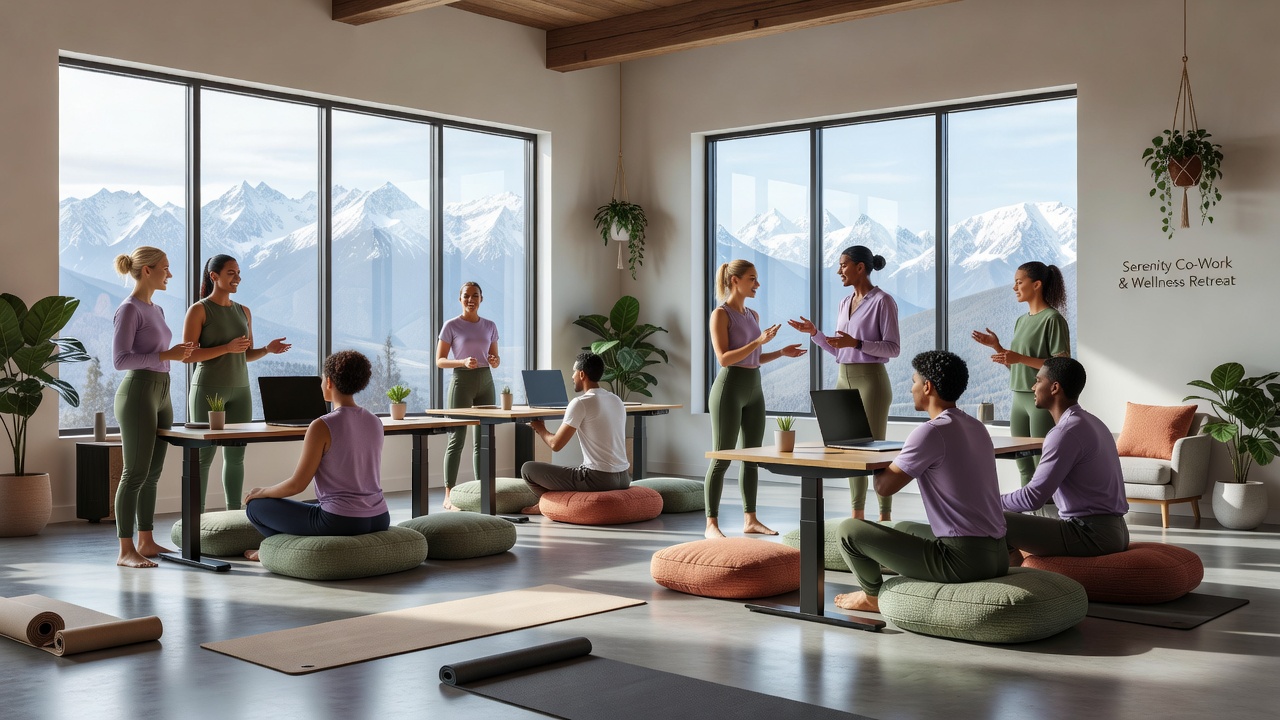
When choosing a corporate yoga tourism destination, prioritize venues that offer dedicated co-working areas equipped with high-speed internet and ergonomic setups. These spaces enable seamless integration of work tasks between yoga sessions. Look for retreats that provide private meeting rooms for virtual calls and quiet zones to maintain focus without distractions. Consider factors such as proximity to international airports, availability of healthy meal options that accommodate dietary restrictions, and staff trained in both wellness facilitation and business etiquette.
Ideal locations combine natural surroundings with modern amenities, such as oceanfront properties in Bali or mountain lodges in the Swiss Alps. Verify that schedules allow flexibility for urgent work needs while ensuring yoga practices remain central. Reading recent reviews and confirming technology infrastructure can help avoid common pitfalls like unreliable connectivity that undermine the hybrid experience.
Sample 5-Day Itinerary Blending Yoga and Networking
A balanced 5-day program might start with arrival and an introductory yoga flow to ease jet lag on day one. Day two could feature morning sun salutations followed by workshops on stress management for leaders, with afternoon co-working blocks. Day three emphasizes networking through group hikes or wellness discussions, incorporating team-building yoga poses. Day four includes advanced yoga sessions focused on core strength and personal reflection time, while day five wraps with a closing circle, goal-setting exercises, and departure planning. This structure supports both rejuvenation and subtle professional growth, allowing attendees to return refreshed yet prepared for immediate work challenges.
Each day incorporates buffer times for emails or calls, ensuring the trip enhances rather than disrupts career responsibilities. Participants can customize elements, such as adding virtual team meetings or solo meditation periods, to align with individual needs.
Short Escapes Versus Extended Sabbaticals
Short escapes, typically 4-7 days, suit professionals with limited time off, delivering quick resets without career disruption. They focus on intensive wellness modules and are easier to schedule around quarterly reviews. Extended sabbaticals, lasting weeks or months, allow deeper immersion but require careful planning for workload handover and potential project delays.
Comparisons show short trips excel in immediate stress relief and minimal impact on team dynamics, while longer ones promote lasting habit changes like consistent meditation routines. Many opt for hybrid models combining both for optimal results in 2026, starting with brief escapes to test the waters before committing to extended time away.
Real-World Examples from Global Destinations
Destinations like Costa Rica's wellness centers attract corporate groups with jungle yoga and team-building activities that foster collaboration. In India, traditional ashrams near major cities offer packages blending ancient practices with modern co-working facilities. European options in Portugal provide coastal escapes ideal for European professionals seeking quick flights and mild climates year-round.
Additional examples include retreats in Thailand that emphasize digital detox elements alongside yoga for tech executives, and Australian coastal programs combining surfing-inspired yoga flows with business strategy sessions. These real-world cases demonstrate how cultural context enhances the healing process, offering fresh perspectives that translate back to diverse workplace environments.
Budgeting Tips for Hybrid Work-Yoga Trips
Effective budgeting starts with selecting off-peak seasons to reduce accommodation costs and maximize value. Prioritize all-inclusive packages that bundle yoga classes, meals, and workspace access. Consider travel insurance covering wellness activities and allocate funds for local transport to nearby attractions or emergency work needs. Track expenses by categorizing into travel, lodging, and activities using simple apps or spreadsheets. This ensures the trip remains accessible without compromising quality or professional obligations, allowing for future repeats.
Packing Lists for Hybrid Work-Yoga Trips
- Yoga mat and comfortable attire suitable for both sessions and casual meetings
- Laptop, noise-cancelling headphones, and portable chargers for work continuity
- Meditation cushion and essential oils for personal wellness routines
- Light layers for varying retreat climates and a journal for reflections
- Reusable water bottle and healthy snacks to maintain energy during busy days
- Business cards or digital networking tools for professional connections
Mistakes to Avoid When Planning Corporate Yoga Trips
Common errors include underestimating work demands during the retreat, leading to incomplete rest. Another is neglecting to research visa requirements or health protocols in advance. Professionals should also avoid overpacking by focusing on versatile items and ensure they communicate boundaries with colleagues beforehand to prevent interruptions.
FAQs on Time-Off Policies and Post-Retreat Integration
How do I request time off for a yoga retreat?
Frame the request around productivity gains and stress management benefits, aligning it with company wellness initiatives. Provide advance notice and suggest coverage plans for your responsibilities to demonstrate professionalism.
What strategies help integrate retreat lessons back at work?
Schedule daily short yoga breaks and use mindfulness apps. Share insights with colleagues to foster a supportive environment, and track personal progress through journals or apps for accountability.
Are there specific policies for wellness leave in most companies?
Many organizations now offer dedicated wellness days or flexible PTO. Check your employee handbook or discuss with HR to understand options available in 2026.
How can I maintain benefits long-term after returning?
Establish a weekly yoga or meditation routine at home and join local professional wellness groups to sustain momentum and prevent regression into old stress patterns.
Conclusion
Corporate yoga tourism represents a strategic investment in long-term career sustainability. By blending wellness with professional needs, busy professionals can achieve holistic healing, sharper focus, and effective burnout prevention. As 2026 approaches, embracing these retreats positions individuals for greater success and well-being through thoughtful planning and integration.
No comments yet. Be the first!