 Veda Tour
Introduction to Yoga Tourism for Beginners
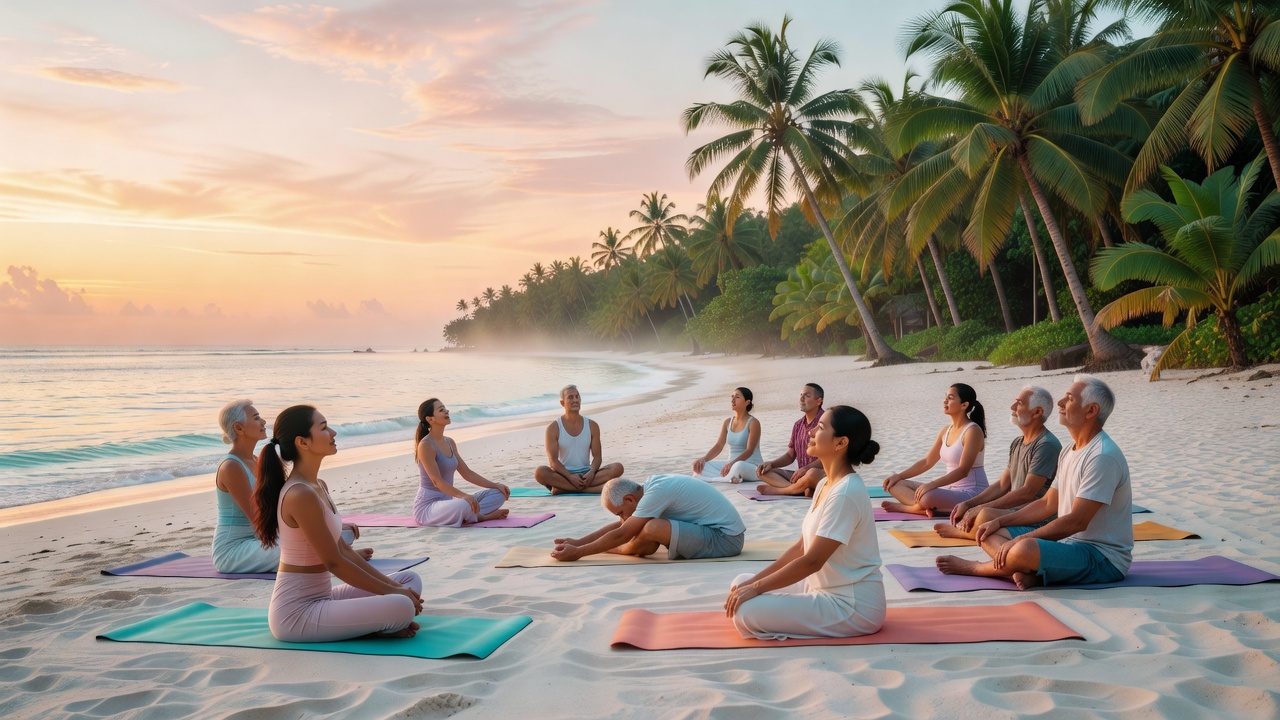
Yoga tourism has emerged as a popular form of wellness travel, blending physical practice with cultural immersion and holistic healing. In 2026, more beginners are seeking accessible entry points into this world to achieve better mind-body balance away from daily stresses. Unlike typical vacations focused on sightseeing or relaxation alone, yoga tourism centers on intentional journeys that promote personal growth through structured sessions, mindful eating, connection with nature, and often elements of local traditions. This approach allows participants to step away from routine and invest in self-care practices that can transform both physical health and mental outlook. Whether you are new to yoga or simply new to combining it with travel, this comprehensive guide covers everything from core concepts to practical planning, ensuring you feel fully prepared and inspired for your first experience.
What Is Yoga Tourism and How It Differs from Standard Retreats
Yoga tourism involves traveling to destinations specifically for yoga practice combined with wellness activities like meditation, breathwork, and sometimes complementary therapies such as sound healing or Ayurvedic-inspired nutrition. It emphasizes sustainable travel, cultural exchange, and personal development rather than just relaxation or entertainment. Standard retreats might offer one-off classes or short workshops, but yoga tourism integrates ongoing personal development across multiple days or weeks, often in scenic or spiritually significant locations that enhance the practice. The key difference lies in the holistic approach: participants engage in multi-day programs that address physical, mental, and emotional well-being while encouraging long-term lifestyle changes upon return. This makes it distinct from leisure travel, as the focus remains on building skills and awareness that extend far beyond the trip itself.
Core Benefits for Mind-Body Balance
Engaging in yoga tourism can lead to reduced stress levels, improved flexibility and strength, better sleep quality, enhanced mental clarity, and greater emotional resilience. Regular practice combined with immersive environments helps regulate the nervous system and fosters a deeper connection between mind and body. According to the World Health Organization, holistic practices like yoga support overall health by integrating movement, breathing techniques, and mindfulness. Travelers frequently report renewed energy, decreased anxiety, and a stronger sense of purpose after returning home. These benefits are amplified in 2026 as more programs incorporate evidence-based wellness strategies tailored for beginners, helping participants integrate habits such as daily breathing exercises or mindful walking into everyday life back home.
Selecting Beginner-Friendly Destinations
Popular starter spots include Bali, Indonesia, known for its serene beaches, rice terraces, and gentle classes suited to all levels; Rishikesh, India, the birthplace of yoga with authentic philosophy teachings in a peaceful riverside setting; and Costa Rica for eco-focused retreats amid rainforests and beaches. Other accessible options are Portugal’s Algarve region with ocean-view sessions or Mexico’s Yucatán Peninsula offering cultural integration with Mayan wellness traditions. Look for programs explicitly labeled beginner-friendly, featuring modified poses, smaller group sizes, and supportive instructors who provide hands-on adjustments. Research via reputable tourism boards and recent traveler feedback ensures safety, accessibility, and quality accommodations. Consider climate, flight duration, and visa ease when narrowing choices to match your comfort level.
Essential Packing and Preparation Steps
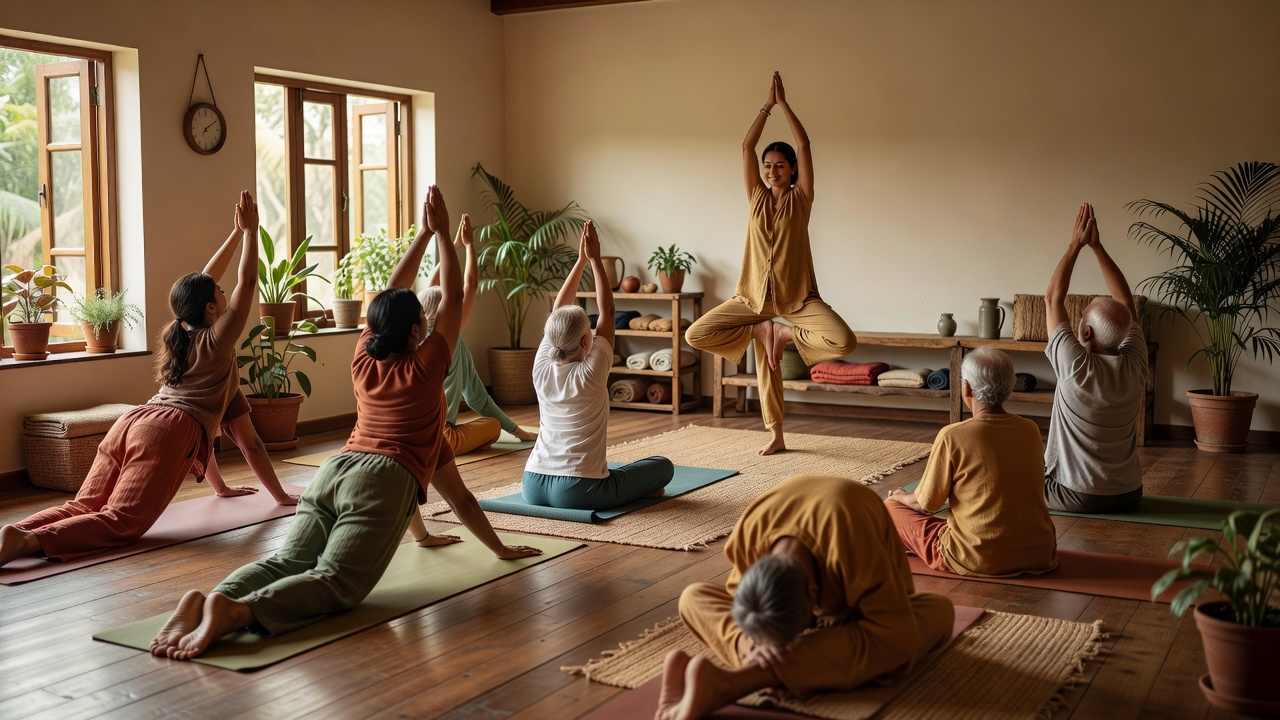
Pack lightweight, breathable yoga attire such as moisture-wicking tops and stretchable bottoms, a travel-friendly mat, a reusable water bottle, comfortable walking shoes for exploration, insect repellent, and any personal medications or supplements. Include a journal for reflections and a light shawl for cooler evenings or meditation. Prepare mentally and physically by starting a simple home practice two weeks prior, focusing on basic poses like mountain, downward dog, and child’s pose. Review visa requirements, health advisories, and vaccination recommendations through official channels like the U.S. Department of State and Centers for Disease Control and Prevention. Book flexible travel insurance that covers wellness activities and confirm any dietary needs with the retreat in advance to ensure a smooth arrival.
What to Expect During Your First Journey
Your first yoga tourism experience typically includes daily morning and evening sessions lasting 60 to 90 minutes each, group meals featuring wholesome plant-based cuisine, workshops on nutrition, meditation, or basic anatomy, and free time for reflection, journaling, or gentle walks. Expect a supportive community atmosphere where questions are welcomed and adjustments are provided for all levels, regardless of prior experience. Many programs begin with an orientation circle to set intentions and end with a closing ceremony. Days often follow a gentle rhythm: sunrise practice, breakfast, optional activities, lunch, rest or workshops, afternoon session, and dinner. This structure allows beginners to ease into the routine without feeling overwhelmed while building confidence and connections with fellow travelers.
Real-World Examples of Starter Retreats
Many centers offer introductory packages such as week-long programs in Ubud, Bali, focusing on foundational asanas, breathing techniques, and evening sound baths in a jungle setting. Similar beginner tracks exist in Rishikesh with daily Ganges river views and philosophy talks, or in Costa Rica’s Monteverde cloud forest emphasizing eco-yoga and nature immersion. These examples provide structured yet flexible schedules ideal for novices, often including airport transfers, all meals, and optional add-ons like massages to enhance recovery and relaxation.
Simple 5-Step Planning Checklist
- Define your goals clearly by deciding focus areas such as stress relief, flexibility gains, or cultural exploration, then align them with program descriptions.
- Research destinations thoroughly by reading recent reviews from trusted travel platforms, checking instructor qualifications, and verifying safety records of the location.
- Set a realistic budget range by comparing options for inclusions like meals, transfers, and materials while noting what is covered versus extra costs.
- Book with verified operators only after confirming instructor credentials, cancellation policies, and group size limits to ensure a personalized experience.
- Prepare travel documents, begin light pre-trip yoga routines at home, and create a post-trip integration plan to maintain momentum once you return.
Comparison of Budget Versus Premium Options
Budget options often feature shared accommodations, basic facilities, and core practices in emerging wellness spots, prioritizing community connection and essential teachings over luxury. Premium choices provide private villas, spa add-ons, personalized guidance, and expert-led specialized sessions in upscale settings with enhanced amenities. Both deliver meaningful value depending on your comfort preferences and desired depth of experience. Evaluate based on inclusions, instructor quality, and location rather than price alone, as even modest programs can offer profound benefits when well-matched to your needs.
Common Misconceptions About Yoga Tourism
Many assume it requires advanced skills or is only for the spiritually inclined, but most programs welcome complete beginners with no prior experience and adapt every session accordingly. Another myth is that it is overly expensive or time-intensive, yet short trips of five to seven days can be transformative without requiring long commitments or large investments. Some fear cultural barriers or isolation, but quality retreats foster inclusive environments that celebrate diversity and encourage gradual participation.
FAQ Section
Is yoga tourism safe for first-timers?
Yes, when choosing accredited centers with medical support on-site or nearby. Always check current travel health guidelines from organizations like the World Health Organization before departure.
What are typical costs involved?
Expenses vary widely by location, duration, and amenities; focus on overall value through inclusions rather than fixed figures to find the best fit.
How do I integrate practices after returning home?
Start with short daily sessions of 15 to 20 minutes, join local studio classes, maintain a reflection journal, and gradually introduce breathwork or mindful eating into your routine to sustain the benefits long term.
Do I need special fitness levels or equipment?
No prior fitness level is required, as programs modify for all abilities. Most retreats supply mats and props, so minimal personal equipment is needed beyond comfortable clothing.
Conclusion
Embarking on yoga tourism in 2026 offers a powerful way for beginners to explore holistic healing and achieve lasting mind-body harmony. With proper planning using the steps and considerations outlined above, your journey can become a meaningful investment in personal well-being. Start small, stay open to new experiences, and enjoy the transformative path ahead as you build habits that support health and balance for years to come.
No comments yet. Be the first!