 Veda Tour
Introduction to Yoga Tourism for Seniors
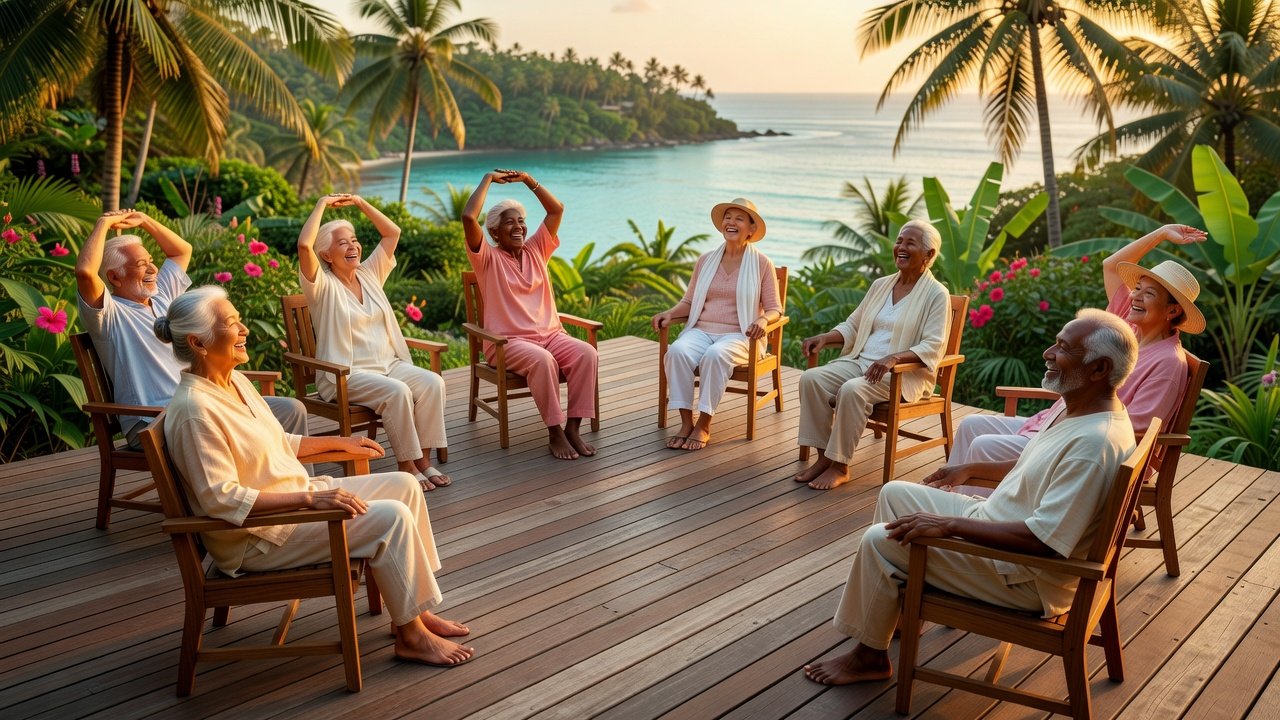
Yoga tourism has grown into a popular wellness travel option, especially for seniors seeking holistic healing through gentle movement and mindfulness. As people age, they often look for travel experiences that prioritize safety, accessibility, and long-term mind-body balance. This guide explores how seniors can enjoy tailored yoga retreats that address mobility concerns while promoting overall wellness in 2026 and beyond. Many seniors face challenges like joint stiffness or reduced flexibility, but modified yoga practices make these journeys inclusive. By combining gentle sequences with meditation, participants report improved physical health and emotional resilience. The rising interest in wellness travel reflects a broader shift toward preventive health measures, allowing older adults to explore new cultures while nurturing their bodies and minds in supportive environments.
Research from leading health organizations highlights the benefits of adapted physical activity for aging populations. Seniors who engage in regular, low-impact movement often experience better posture, reduced chronic pain, and enhanced mental clarity. Yoga tourism stands out because it combines structured practice with immersive travel, creating opportunities for personal growth that extend far beyond a typical vacation.
Physical Modifications for Safe Yoga Practice
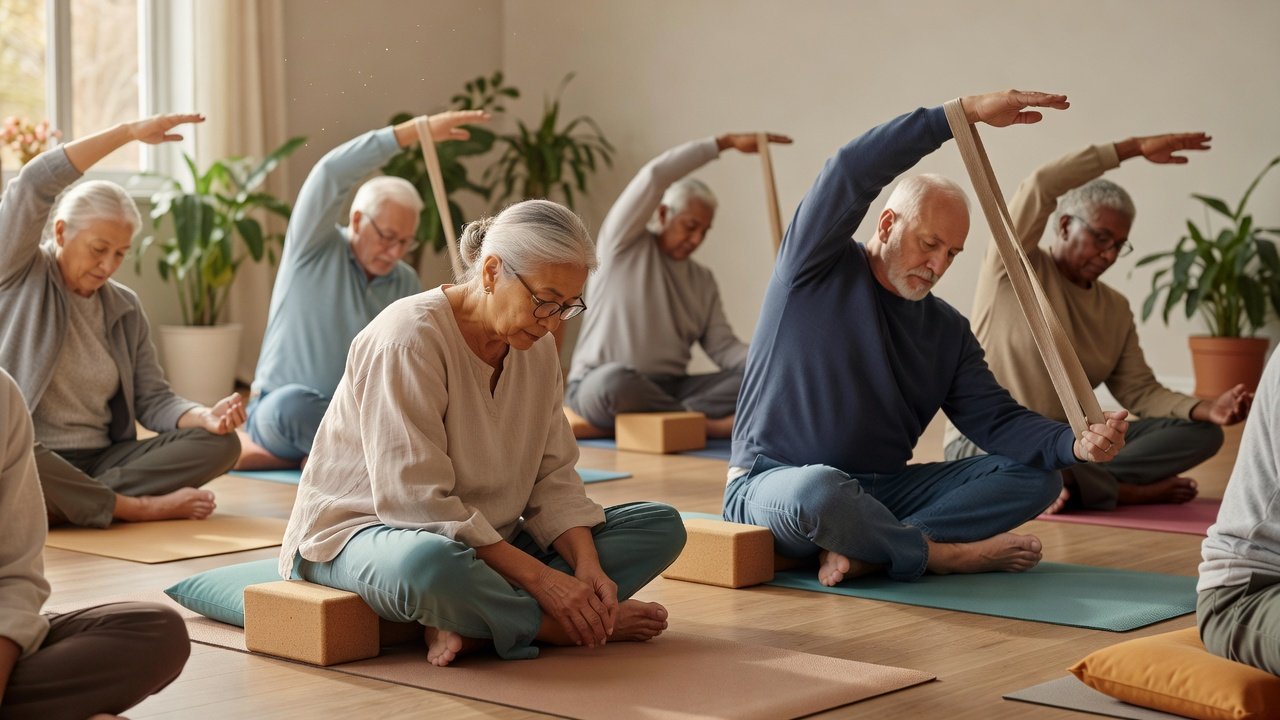
Standard yoga poses often require adjustments for seniors. Instructors trained in senior yoga use props like chairs, blocks, and straps to support the body. For example, a standing forward bend can become a seated version to reduce strain on the lower back and hamstrings. Focus on alignment to protect joints. Breathing techniques, or pranayama, are emphasized to enhance oxygen flow without physical exertion. These modifications ensure participants build strength gradually while avoiding injury. Additional adaptations include using walls for balance support during standing poses and incorporating seated or reclined variations for core work. Instructors often begin classes with gentle warm-ups focused on the neck, wrists, and ankles to prepare the body safely. Over time, these tailored approaches help seniors regain confidence in their physical abilities and reduce fear of movement-related falls.
Joint-Friendly Sequences for Seniors
Effective sequences prioritize low-impact movements. A typical session might include chair-based sun salutations to warm up the spine and shoulders, seated twists to improve digestion and spinal mobility, supported bridge pose using bolsters for gentle back strengthening, and legs-up-the-wall for circulation and relaxation. These flows integrate meditation at the end, fostering mental clarity. Sessions usually last 45-60 minutes to accommodate energy levels. Progressions can be introduced slowly, such as adding light arm circles or ankle rotations for those with good mobility. Instructors monitor participants closely, offering hands-on adjustments only when welcomed. This thoughtful pacing allows seniors to experience the full benefits of yoga without overexertion, making the practice sustainable for daily integration even after returning home.
Combining Gentle Movement with Meditation
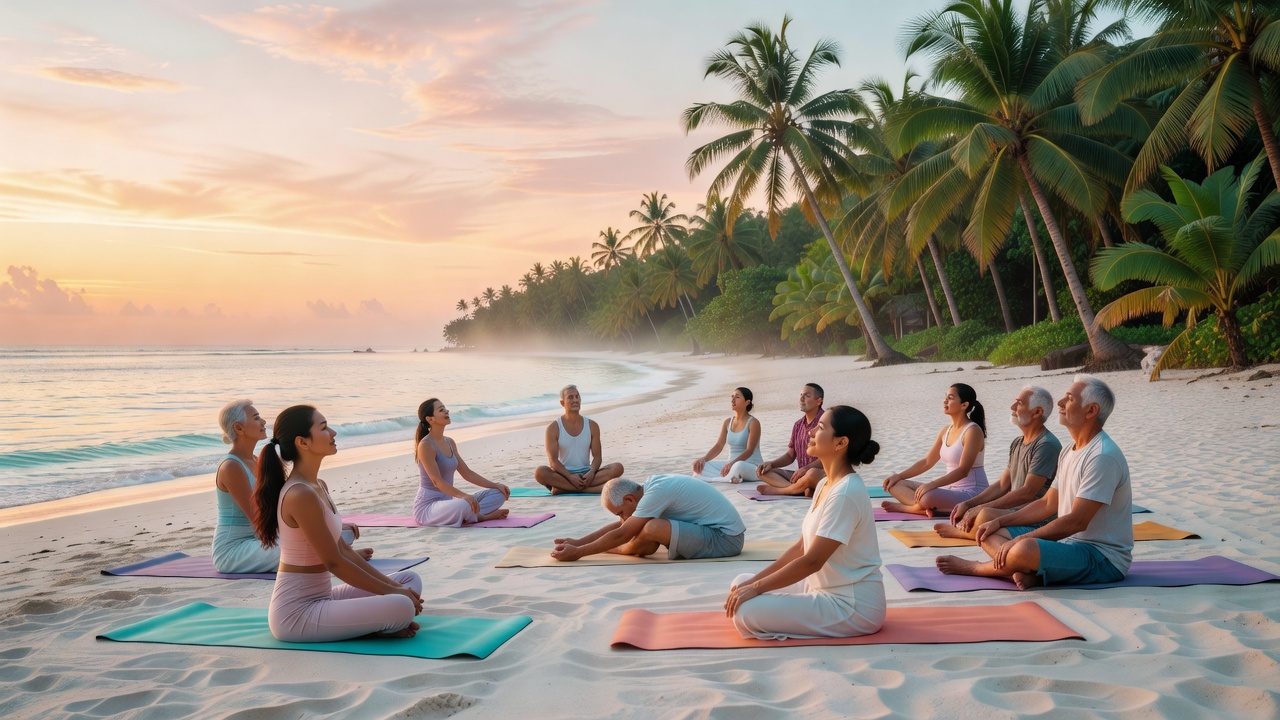
Beyond physical postures, senior yoga tourism emphasizes the synergy between movement and meditation. Guided sessions often start with mindful breathing to center attention, followed by slow flows that encourage present-moment awareness. Meditation components may include body scans or loving-kindness practices that address emotional well-being alongside physical health. This combination supports holistic healing by reducing stress hormones and improving sleep quality. Many retreats schedule evening meditation circles in peaceful outdoor settings, allowing participants to reflect on their day while surrounded by nature. Seniors frequently note that this dual focus helps manage anxiety related to aging and travel, creating a deeper sense of inner peace.
Comparing Senior-Friendly Yoga Destinations
Popular locations include Bali for its serene beaches and accessible retreats, Costa Rica for nature immersion, and Portugal for mild climates. Bali offers programs with on-site medical support, while Costa Rica emphasizes eco-friendly settings. Portugal stands out for cultural integration with local wellness traditions. Seniors should compare accessibility features like ramps and shuttle services when selecting a destination. Other emerging options include Thailand, known for its affordable wellness infrastructure, and New Zealand, which provides pristine natural environments conducive to restorative practices. Each destination varies in terms of climate suitability, cultural experiences, and retreat amenities. For instance, Bali's year-round warmth appeals to those avoiding cold weather, whereas Portugal offers historical sites that can be explored on rest days. Careful comparison ensures the chosen location aligns with personal health needs and travel preferences.
Packing Checklist for Yoga Travel
Prepare thoughtfully with this checklist: comfortable, loose clothing in layers for temperature changes; yoga mat, blocks, and a strap for personal use; medications and a first-aid kit including joint support items; lightweight mobility aids if needed, such as a cane or walker; journal for reflection during meditation sessions; reusable water bottle to stay hydrated; comfortable walking shoes for exploring between sessions; and a lightweight shawl or blanket for cooler evenings or meditation. Additional items like compression socks can aid circulation during flights, while noise-canceling headphones help maintain calm during travel transitions. Checking airline policies for mobility equipment in advance prevents last-minute complications.
Practical Steps for Choosing Accessible Retreats
Start by researching instructors certified in senior yoga. Verify the retreat's medical partnerships and read reviews from past senior participants. Contact organizers directly to discuss health needs. Compare program durations, typically 7-14 days, and ensure transportation from airports is arranged. Finally, confirm cancellation policies for flexibility. Additional steps include requesting sample schedules to assess daily pacing, inquiring about dietary accommodations for common senior health conditions, and confirming the presence of certified yoga therapists on staff. Visiting the retreat website or requesting virtual tours can provide visual confirmation of accessibility features. These steps help seniors select programs that prioritize safety and personalization.
Real-Life Examples of Transformative Journeys
One 72-year-old from the US attended a retreat in Bali and reported reduced arthritis pain after three weeks of adapted practices. Another senior in Costa Rica combined yoga with nature walks, achieving better sleep and emotional balance. A 68-year-old woman from Canada described how a Portugal retreat helped her manage post-retirement stress through daily meditation, leading to renewed social connections with fellow participants. These stories highlight how personalized wellness travel leads to sustained lifestyle changes. Many return home with new routines, such as morning chair yoga or evening breathing exercises, that continue to support their well-being long after the trip ends.
FAQs on Health Considerations
How do I prepare medically? Consult your doctor before travel and carry a health summary. Many retreats partner with local clinics for emergencies. Can mobility aids be used? Yes, most senior programs accommodate walkers and wheelchairs with adapted classes. What about medications? Pack extra supplies and inform staff of any requirements upon arrival. Are there age restrictions? Most senior-focused retreats welcome participants aged 55 and older, with some offering mixed-age options for those seeking intergenerational experiences. How is safety ensured during sessions? Certified instructors maintain small class sizes and conduct pre-session health screenings to tailor activities appropriately.
Long-Term Benefits for Mind-Body Balance in 2026 and Beyond
Regular participation in yoga tourism supports cardiovascular health, flexibility, and stress reduction. For seniors, these benefits compound over time, contributing to independence and quality of life. As of 2026, wellness travel continues to emphasize preventive care through integrated practices. Explore more at Mayo Clinic, National Institutes of Health, and World Health Organization for evidence-based guidance on senior wellness. Looking ahead, experts anticipate further growth in accessible tourism options that incorporate technology like virtual follow-up sessions, helping participants maintain progress after returning home.
Conclusion
Yoga tourism offers seniors a meaningful path to holistic healing. With proper planning and modifications, these experiences deliver lasting benefits. Begin your journey by selecting a retreat that aligns with your needs and embrace the transformative power of mindful travel.
No comments yet. Be the first!