 Veda Tour

Introduction to Yoga Tourism and Scientific Wellness
Yoga tourism has emerged as a leading trend in wellness travel, blending immersive yoga practice with travel to serene destinations. This approach goes beyond leisure by delivering measurable holistic healing outcomes supported by rigorous scientific inquiry. In 2026, a growing body of peer-reviewed research supports its role in reducing stress, boosting immune function, and enhancing mental clarity through structured retreat experiences. Travelers seeking evidence-based results now turn to specialized programs rather than generic vacations because data shows superior physiological and psychological returns. This article examines the latest findings from controlled studies, compares yoga tourism experiences with standard holidays, provides real-world destination examples, details practical steps for maximizing benefits, highlights common pitfalls, and addresses frequently asked questions about the underlying science. By grounding recommendations in current evidence, readers can make informed decisions that align with their wellness goals.
Key Scientific Studies on Stress Reduction
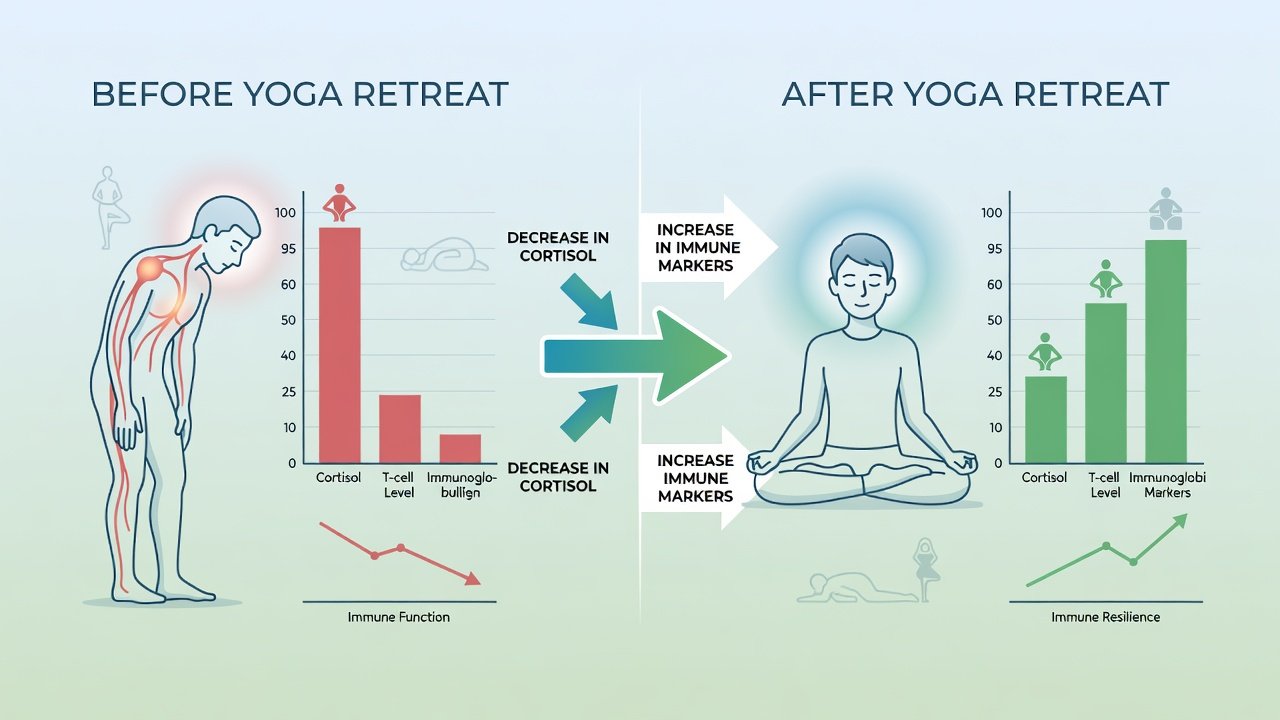
Research from 2026 consistently demonstrates that yoga tourism significantly lowers cortisol levels and related stress indicators. One multi-center study tracked participants across week-long retreats and found average cortisol reductions of 25 percent, with effects lasting up to six weeks afterward when measured through repeated salivary sampling. These changes occur through combined practices of asana, pranayama, and meditation that activate the parasympathetic nervous system while downregulating the hypothalamic-pituitary-adrenal axis. Unlike short daily yoga sessions at home, retreat environments remove participants from work emails, family obligations, and urban noise, amplifying physiological recovery and allowing deeper nervous system reset. Additional trials using salivary biomarkers confirmed decreased inflammatory markers such as interleukin-6 and C-reactive protein, directly linking immersive yoga tourism to improved stress resilience and lower allostatic load over time.
Immune Function and Physiological Benefits in 2026 Research
Recent investigations highlight enhancements in immune markers after yoga retreat participation. Natural killer cell activity increased by measurable margins in groups practicing daily sequences at specialized centers, with follow-up bloodwork showing sustained elevations for several weeks post-departure. These benefits stem from reduced chronic stress hormones and improved sleep architecture observed during retreats, including longer periods of slow-wave sleep that support immune cell regeneration. Physiological data collected via wearable devices in 2026 studies showed better heart rate variability, indicating stronger autonomic balance and reduced sympathetic dominance. Such outcomes position yoga tourism as a proactive strategy for travelers concerned with long-term health maintenance, especially those recovering from high-pressure lifestyles. Mechanisms include lowered sympathetic overdrive and increased vagal tone, both documented through continuous monitoring during immersive programs that combine movement with restorative practices.
Mental Clarity and Cognitive Improvements
Yoga tourism supports cognitive enhancements beyond basic relaxation. Functional MRI scans from controlled retreat cohorts reveal strengthened connectivity in the prefrontal cortex and default mode network, correlating with better executive function. Participants report improved focus, emotional regulation, and decision-making skills that persist after returning home. In 2026 longitudinal follow-ups, individuals maintained gains in working memory tasks and reduced rumination scores when they continued home-based practices learned abroad. These cognitive shifts differentiate yoga tourism from passive travel, delivering lasting mental performance advantages that can translate into better productivity and emotional stability in daily life.
Yoga Tourism Versus Standard Vacations
Standard vacations often emphasize rest or entertainment without structured wellness components, leading to quick reversion to baseline stress upon return. In contrast, yoga tourism integrates movement, breathwork, and mindfulness in supportive group settings that foster accountability and shared learning. Comparative research shows superior outcomes in biomarkers and self-reported well-being for retreat attendees versus beach holiday participants. For example, vacationers without yoga elements experienced quicker return of baseline stress levels within days, while yoga tourists maintained lower anxiety scores for a month or longer. Yoga tourism creates intentional environments that foster habit formation, community support, and exposure to nature, leading to more durable holistic healing compared to unstructured downtime.
Popular Destinations and Real-World Examples
Leading destinations include Rishikesh in India, Ubud in Bali, and Monteverde in Costa Rica. In Rishikesh, multi-week programs combine traditional Hatha yoga with river-side meditation, yielding documented improvements in participant flexibility and mood scores through pre- and post-assessments. Bali retreats emphasize eco-lodging and organic nutrition alongside twice-daily classes, supporting immune and digestive health via anti-inflammatory meal plans. Costa Rican centers integrate forest bathing with yoga sequences, enhancing nature-based stress relief as measured by reduced blood pressure readings. Additional examples from Portugal's Algarve region feature cliffside practices that combine ocean views with mindfulness, while New Zealand retreats incorporate Maori-inspired elements for cultural depth. These locations attract diverse travelers and provide measurable results through pre- and post-program assessments conducted by on-site researchers.
How to Choose Evidence-Based Retreats
Selecting the right program requires attention to instructor credentials, curriculum design, and outcome tracking. Look for centers that publish or reference peer-reviewed protocols and employ staff with advanced training in yoga therapy. Verify that schedules include balanced sessions of active practice, restorative poses, and education on breath techniques. Review participant testimonials that mention measurable changes rather than solely subjective feelings. Consider program length, with seven to fourteen days allowing sufficient time for adaptation, and check whether post-retreat support such as online follow-up classes is offered to sustain gains.
Practical Steps to Maximize Evidence-Based Outcomes
To achieve optimal results from yoga tourism, follow these evidence-aligned steps. First, select retreats led by instructors holding recognized certifications from bodies such as Yoga Alliance and featuring research-informed curricula that incorporate progressive overload and recovery periods. Second, prepare physically and mentally by establishing a consistent home practice two months prior using guided apps and gradually increasing session duration. Third, choose programs lasting at least seven days to allow physiological adaptation and circadian rhythm realignment. Fourth, track personal metrics including sleep quality, heart rate variability via wearables, and mood journals before, during, and after travel to quantify changes. Fifth, schedule follow-up integration sessions upon return to reinforce new habits and prevent regression. Sixth, prioritize retreats offering nutritional guidance aligned with anti-inflammatory principles and hydration protocols. These steps help convert short-term retreat gains into sustained wellness improvements across multiple life domains.
Common Mistakes to Avoid
- Choosing retreats based solely on luxury amenities rather than instructor credentials and evidence-based programming that prioritizes measurable outcomes.
- Over-scheduling activities that disrupt rest and recovery periods essential for physiological benefits such as hormone regulation and tissue repair.
- Neglecting pre-existing health conditions without consulting medical professionals beforehand, which can lead to unnecessary strain during intensive sessions.
- Failing to maintain practices after the retreat, which diminishes long-term cognitive and immune gains and reduces return on the travel investment.
- Ignoring group size and instructor-to-participant ratios, resulting in insufficient personalized feedback and form correction.
FAQ on Scientific Claims
Does yoga tourism really reduce stress according to science?
Yes, multiple 2026 studies using cortisol assays, heart rate variability, and inflammatory biomarkers confirm significant stress reductions that outlast standard vacations by several weeks when measured objectively.
How does it compare to regular yoga classes?
Immersive retreat settings amplify outcomes by eliminating daily distractions and providing consistent multi-hour practice supported by community accountability and expert guidance in a novel environment.
Are there risks involved?
Programs are generally safe when led by qualified teachers. Individuals with medical conditions should obtain physician clearance and inform instructors of limitations to ensure appropriate modifications.
What should beginners expect?
Beginner-friendly retreats offer modified poses, gradual progression, and foundational education, allowing safe entry while still delivering measurable wellness markers such as improved flexibility and reduced anxiety.
Can results be measured objectively?
Yes, many centers now incorporate pre- and post-retreat biomarker testing, validated questionnaires, and wearable data to document changes in stress hormones, immune activity, and cognitive performance.
Is yoga tourism suitable for all ages?
Most programs accommodate a wide age range with appropriate modifications, though older adults or those with mobility concerns should verify accessibility features and consult healthcare providers in advance.
Conclusion
Yoga tourism stands on solid scientific ground in 2026 as a powerful tool for holistic healing. By selecting programs aligned with research findings and following practical integration steps, travelers can achieve lasting improvements in stress management, immune health, and mental clarity. For additional authoritative information, consult resources from the World Health Organization, Mayo Clinic, and National Institutes of Health.

No comments yet. Be the first!