 Veda Tour
Introduction to Senior Yoga Tourism in 2026
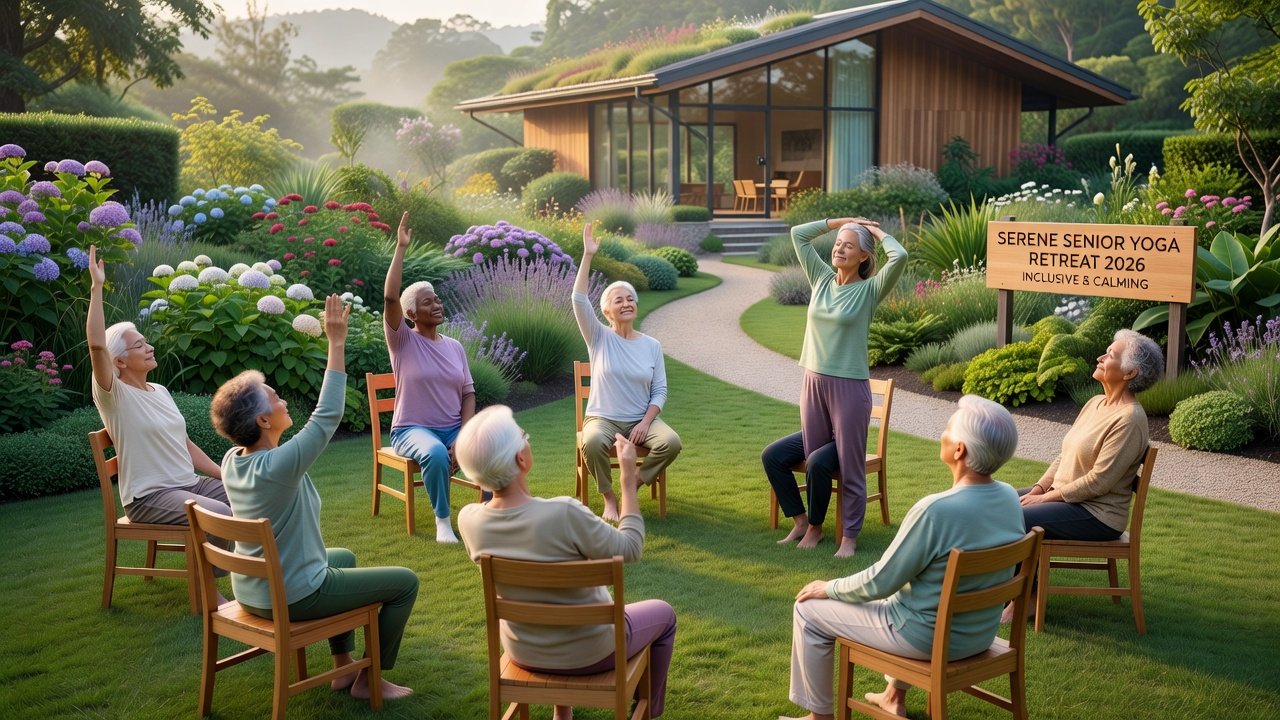
As wellness travel continues to evolve, senior yoga tourism has emerged as a leading trend for older adults seeking gentle movement and holistic healing. In 2026, these programs emphasize joint-friendly practices that prioritize safety, mobility, and recovery. Whether you are managing arthritis or simply aiming to maintain flexibility, yoga tourism offers structured retreats designed specifically for seniors. The growing demand reflects a broader shift toward mindful recovery and preventive wellness, allowing participants to combine travel with therapeutic yoga sessions that support long-term health. This approach integrates physical postures with breathing exercises and meditation, creating a complete pathway to holistic healing that addresses both body and mind.
This guide provides comprehensive planning advice, including how to choose the right retreat, recommended low-impact poses, essential packing items, and comparisons of accessible destinations. Real-life examples illustrate successful journeys, while a FAQ addresses common concerns. By understanding the nuances of senior-focused programs, travelers can maximize benefits and minimize risks associated with travel and physical activity.
Selecting Joint-Friendly Yoga Retreats
Choosing a retreat starts with evaluating accessibility features such as step-free entrances, supportive props, and certified instructors experienced with older adults. Look for programs that incorporate holistic healing elements like meditation and nutrition alongside yoga sessions. Research venues that offer modified classes and on-site medical support to ensure a safe experience. Key criteria include checking instructor credentials, verifying the availability of adaptive equipment, and confirming group sizes remain small enough for personalized attention.
Practical steps include reviewing online testimonials from senior participants and confirming the retreat's focus on low-impact sequences. Many destinations now integrate mindful recovery techniques to prevent strain during travel and practice. Ask specific questions about emergency protocols, dietary accommodations for joint health, and the ratio of staff to guests. Avoid programs that promise rapid results or lack transparency about their senior-specific modifications, as these can lead to discomfort or injury.
Recommended Low-Impact Yoga Poses for Seniors
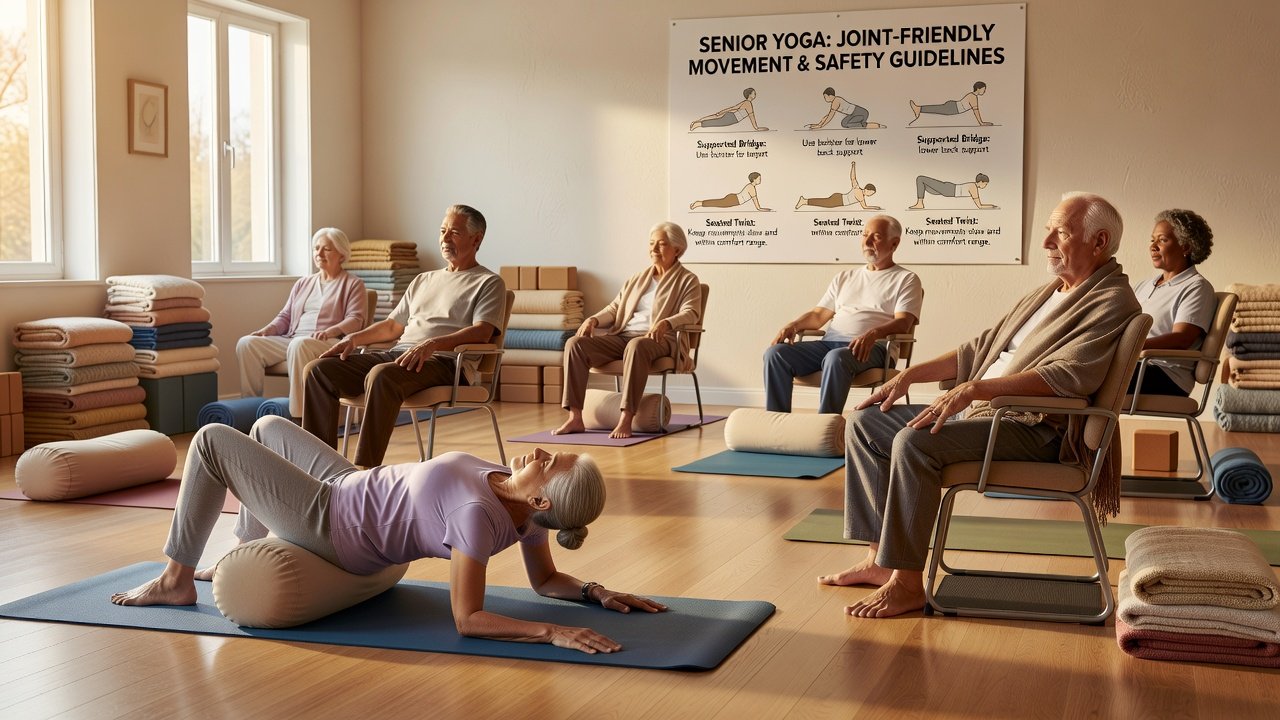
Several poses stand out for their joint-friendly benefits. Chair yoga variations, such as seated forward folds and gentle twists, reduce pressure on knees and hips while still providing meaningful stretches. Supported bridge pose with props helps strengthen the back without full weight-bearing, making it ideal for those with lower back concerns. Mountain pose builds awareness of posture and improves balance when performed near a wall for support.
Additional effective options include cat-cow stretches for spinal mobility, which can be done seated or on all fours with modifications; legs-up-the-wall for circulation and relaxation; and simple seated side bends that open the chest without straining shoulders. Incorporate mindful breathing throughout each pose to enhance the holistic healing effects. Instructors typically guide participants through 45- to 60-minute sessions with frequent rest periods and adjustments based on individual mobility levels.
Senior-Specific Packing Essentials
Pack lightweight, breathable clothing that allows freedom of movement and quick layering for varying temperatures. Include supportive footwear for daily activities and a yoga mat with extra cushioning to protect joints during floor work. Bring any prescribed medications, joint supports like braces or compression sleeves, and a reusable water bottle to stay hydrated throughout sessions and excursions.
Additional items such as a travel pillow for rest, an eye mask, a journal for reflecting on mindful recovery, and resistance bands for gentle strengthening enhance comfort and continuity. Consider portable foam rollers or massage balls for self-myofascial release after classes. Check destination weather to layer appropriately and include a lightweight shawl or cardigan for cooler evenings. These essentials help maintain consistency with home routines and support recovery between activities.
Destination Comparisons for Accessibility
Popular locations include coastal areas in Portugal with flat terrain and excellent public transport links to medical facilities, and mountain retreats in Costa Rica featuring accessible pathways and wellness centers designed for older adults. European wellness centers often provide English-speaking staff and proximity to hospitals, while Asian destinations such as Thailand emphasize traditional holistic healing approaches with gentle yoga integrated into daily schedules.
Compare factors like flight accessibility, on-site amenities such as elevators and grab bars, and group sizes tailored to seniors. Research local regulations for health tourism to select the most suitable option. Portugal scores high for ease of mobility and mild climate, whereas Costa Rica offers immersive nature experiences with adapted trails. Thailand provides cultural enrichment alongside yoga but may require more planning for long-haul travel comfort.
Real-Life Examples of Successful Senior Journeys
One participant from the United States attended a week-long program in Bali, reporting improved joint mobility after consistent gentle practice and daily meditation. She noted reduced morning stiffness and better sleep quality upon returning home. Another traveler from Canada chose a European retreat in Portugal and combined yoga with guided nature walks, achieving better balance and reduced stiffness in her hips after two weeks.
A third example involves a couple from Australia who selected a Costa Rica retreat focused on holistic healing. They participated in adapted chair yoga and nutrition workshops, resulting in sustained energy levels and new friendships formed through shared activities. These stories highlight the value of personalized itineraries that blend yoga tourism with cultural exploration for holistic healing and lasting lifestyle changes.
Step-by-Step Planning Advice
- Assess personal health goals and consult a physician before booking to identify any limitations.
- Compare retreat options based on reviews, accessibility ratings, and alignment with joint-friendly principles.
- Book early to secure senior accommodations and preferred dates, allowing time for travel arrangements.
- Prepare travel documents, confirm insurance coverage for wellness activities, and arrange airport transfers.
- Arrive with a flexible mindset to embrace mindful recovery throughout the stay and adjust as needed.
- Schedule follow-up sessions or virtual classes post-retreat to maintain progress.
- Research local cuisine options that support joint health and plan light activity days around intensive sessions.
Safety Tips and Managing Physical Limitations
Prioritize safety by communicating openly with instructors about any pain or previous injuries. Use props consistently and stop any movement that causes discomfort beyond mild stretching sensations. Stay hydrated and take breaks as needed, especially in warmer climates. Many retreats offer pre-arrival health questionnaires to customize experiences further.
Integrating these practices helps prevent setbacks and ensures the focus remains on sustainable holistic healing rather than pushing limits. Participants are encouraged to listen to their bodies and view the retreat as a starting point for ongoing self-care routines at home.
FAQ on Managing Common Concerns
How can I practice yoga with arthritis?
Focus on modified poses using props and avoid high-impact movements. Instructors at senior retreats provide tailored adjustments for joint protection and inflammation reduction.
What if I have balance issues?
Chair-based sequences and wall-supported poses minimize fall risks. Many programs include balance training integrated with holistic healing methods and progress at your own pace.
Is yoga tourism suitable after surgery?
Consult your doctor and select retreats with medical oversight. Start with very gentle sessions once cleared for activity, typically incorporating breathing and visualization first.
Can I travel alone as a senior?
Yes, many retreats cater to solo travelers with group activities and buddy systems. Staff often assist with airport pickups and daily logistics for added security.
How long should a typical retreat last?
One to two weeks allows sufficient time for adaptation and noticeable benefits without overwhelming the body. Shorter weekend options exist for those testing the waters.
Conclusion
Senior yoga tourism in 2026 offers transformative opportunities for joint-friendly wellness and holistic healing. By following the advice in this guide, travelers can enjoy safe, enriching experiences that support long-term mobility and well-being. Begin planning today to discover the perfect retreat for your needs. For more health guidance, visit Mayo Clinic and World Health Organization.
No comments yet. Be the first!