 Veda Tour
Introduction to Postpartum Yoga Tourism
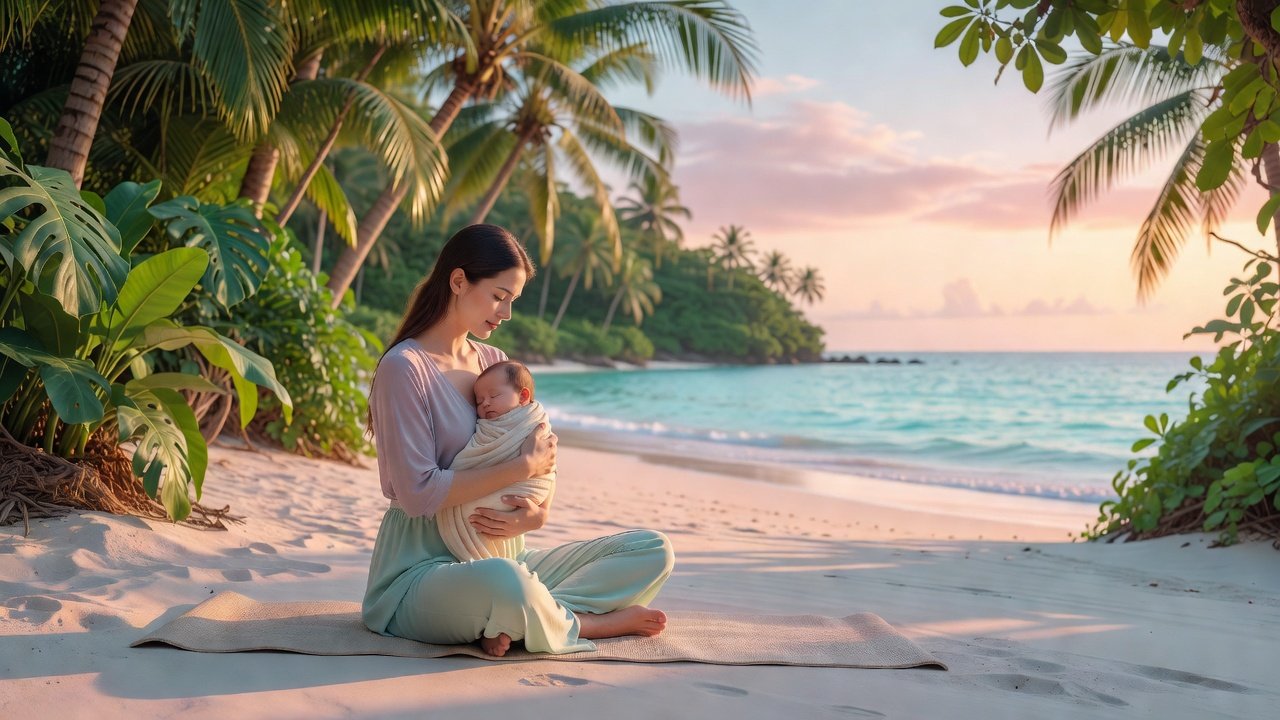
Becoming a mother brings profound physical and emotional changes, and many new moms seek supportive environments to heal both body and mind after childbirth. Postpartum yoga tourism combines thoughtful travel with specialized yoga programs designed for recovery, offering gentle movement, mindfulness, and community in serene destinations worldwide. This approach addresses physical restoration like pelvic floor strength, core rebuilding, and emotional wellness through guided retreats tailored to the unique needs of the postpartum period, typically starting several weeks after delivery.
Women frequently search for safe, nurturing wellness options that allow them to integrate yoga into their healing journey while considering family logistics such as infant care and partner involvement. Retreats emphasize holistic methods, including modified asana sequences suitable for new mothers recovering from cesarean or vaginal births, along with workshops focused on core rebuilding and stress reduction. By traveling to dedicated centers, mothers gain access to expert instructors, peer support groups, and environments free from household distractions, fostering deeper recovery.
Benefits of Holistic Healing Through Yoga Retreats
Postpartum yoga promotes gradual restoration of strength and flexibility while reducing common issues like back pain, fatigue, or diastasis recti. Emotional benefits include lowered anxiety, improved mood stability, and better sleep patterns through consistent mindfulness practices. Many retreats incorporate lactation support sessions and bonding activities such as baby yoga flows, fostering secure attachments between mother and infant in a tranquil setting away from daily stressors.
Traveling for these experiences also provides a valuable mental reset, allowing moms to focus on self-care with professional guidance from certified yoga therapists. Additional advantages encompass improved circulation, hormonal balance support, and community connections that combat isolation often felt in early motherhood. Research from organizations like the World Health Organization highlights the importance of postpartum support for long-term maternal health outcomes, underscoring how structured programs can accelerate healing compared to solo home practice.
Choosing Family-Friendly Destinations
Ideal locations balance accessibility, safety, and wellness amenities with considerations for new families. Popular regions include coastal areas in Southeast Asia such as Bali or Phuket, where retreats often feature ocean views and on-site nurseries, or European wellness hubs in Portugal and Spain known for their supportive environments and mild climates. When selecting a spot, consider proximity to medical facilities, availability of infant care options, and cultural acceptance of postpartum practices like extended rest periods.
Look for retreats that offer family-inclusive packages, including partner yoga sessions or childcare during adult classes, to ensure a stress-free experience. Destinations with natural surroundings like mountains or beaches enhance relaxation, making them perfect for new moms prioritizing recovery while enjoying light exploration. Always verify visa requirements and travel insurance that covers postpartum medical needs before booking.
What to Pack for a Holistic Healing Retreat
Preparation ensures comfort during your stay and maximizes the benefits of the program. Essential items include supportive maternity or postpartum clothing such as loose pants and nursing tops, a personal yoga mat if preferred over provided ones, and any prescribed recovery aids like pelvic support belts. Pack breastfeeding essentials like a portable pump, comfortable nursing bras, and nipple care products, along with mindfulness journals for reflection sessions during downtime.
Other recommendations cover broad-spectrum sun protection, comfortable walking shoes for gentle nature walks, reusable water bottles, and personal care products free from harsh chemicals to suit sensitive skin post-birth. Include a light shawl for temperature regulation during early morning practices and any medications or supplements approved by your doctor. Always check retreat guidelines for specific requirements like eco-friendly toiletries or baby carriers to fully prepare.
Gentle Asana Sequences and Pelvic Floor Workshops
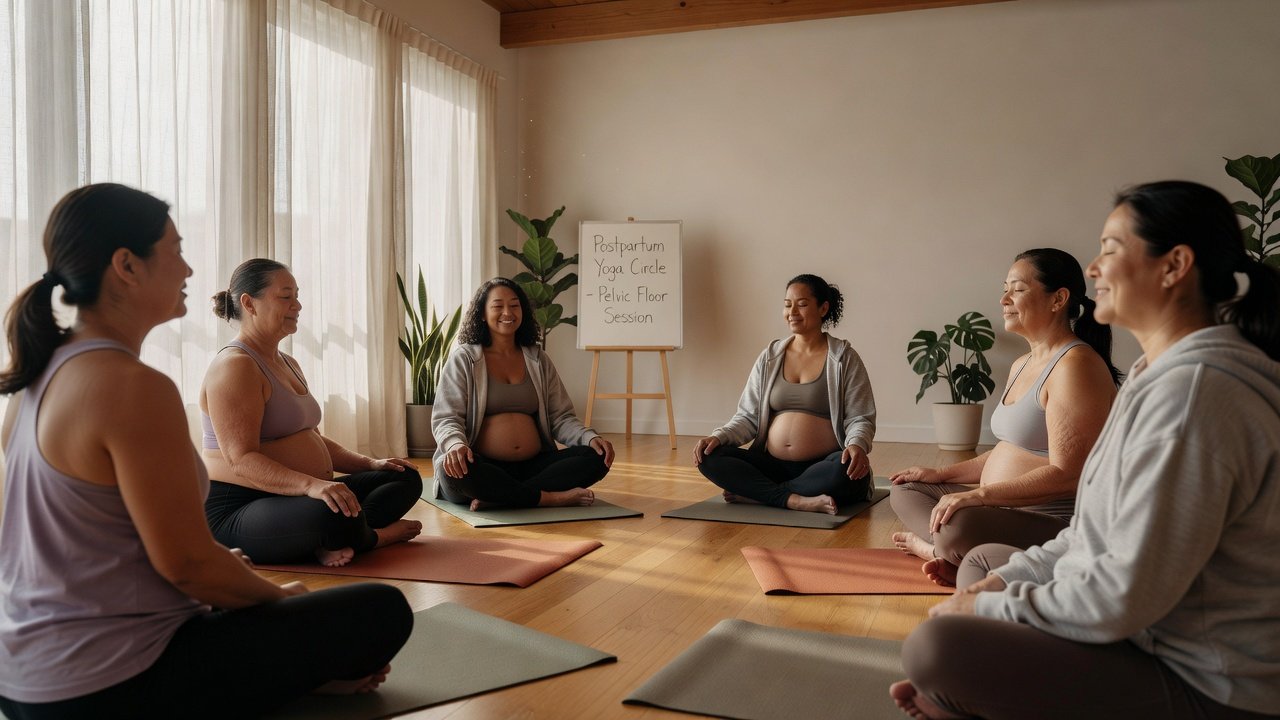
Retreat programs typically feature modified poses that avoid strain on healing tissues, such as supported bridge poses, seated cat-cow flows, or reclined twists performed with props like bolsters and blankets. These sequences focus on rebuilding core stability, improving posture, and enhancing breath awareness without overexertion, often progressing from restorative to slightly active movements over the course of a week. Pelvic floor workshops educate participants on exercises like controlled Kegels integrated with diaphragmatic breathing, frequently led by certified instructors who demonstrate proper form and modifications for cesarean recoveries.
Combining these with mindfulness for anxiety helps address emotional fluctuations common after birth through guided meditations and journaling prompts. Sessions may also include lactation consultants providing practical tips on positioning alongside yoga, creating integrated experiences. Participants often report noticeable improvements in energy levels and body confidence after consistent daily practice, with instructors tailoring advice to individual healing timelines.
Real Retreat Examples and Planning Checklist
Examples of specialized programs can be found through wellness networks emphasizing mother-baby yoga, such as centers offering week-long immersions with daily classes, nutrition workshops, and evening sound baths. One type focuses on Asian-inspired settings with emphasis on Ayurvedic elements blended into yoga, while another in Mediterranean climates highlights outdoor sessions and cultural excursions suitable for light family outings.
A step-by-step planning checklist includes: researching certified instructors with postpartum training credentials, verifying safety protocols like emergency medical access, booking family accommodations early to secure quiet rooms, consulting your healthcare provider for personalized clearance, preparing travel documents and health records, arranging local transport and airport transfers, scheduling follow-up care upon return home, and creating a flexible itinerary that allows rest days. Additional steps involve reviewing participant testimonials, confirming dietary accommodations for postpartum nutrition needs, and packing a small first-aid kit for minor issues.
Cost Comparisons Across Regions and Practical Advice
Regional variations exist in retreat offerings, with some areas providing more affordable holistic packages due to local economies, while others emphasize luxury amenities and personalized attention. Qualitative comparisons show that Southeast Asian destinations often feature lower overall expenses compared to European options, though exact figures fluctuate with season and inclusions. Always review what is covered, such as meals, workshops, and accommodation types, to assess value accurately. Practical advice includes starting research six months in advance for popular 2026 dates and considering shoulder seasons for better availability. The Mayo Clinic offers general guidance on postpartum recovery that can inform choices, while the American College of Obstetricians and Gynecologists provides evidence-based recommendations on safe activity resumption.
FAQ: Safety, Timing, and 2026 Recommendations
When is the right time to attend? Most experts suggest waiting at least 6-8 weeks post-delivery for vaginal births or 8-10 weeks for cesareans, with clearance from a medical professional to ensure tissues have healed sufficiently. For 2026 trips, plan around your recovery timeline, seasonal weather patterns, and any family milestones like vaccinations.
Are these retreats safe? Reputable programs employ trained staff, maintain small group sizes, and adapt practices to individual needs, minimizing risks through modified sequences and on-site support staff.
Can partners or older children join? Many include bonding activities for couples or family yoga sessions, with some offering separate programs for siblings.
Additional questions often cover insurance coverage, what to expect during first days, or combining with other therapies like massage. Always prioritize facilities with clear emergency procedures and positive reviews from recent mothers.
Conclusion
Postpartum yoga tourism offers a transformative path for new mothers seeking comprehensive healing that addresses both physical and emotional dimensions. By choosing the right retreat, preparing thoughtfully with a detailed checklist, and focusing on gentle practices, women can return home feeling restored, connected, and empowered in their motherhood journey. Explore options through trusted wellness directories and medical resources to begin planning a meaningful experience that supports long-term wellness.
No comments yet. Be the first!