 Veda Tour
Introduction: The Rise of AI in Yoga Tourism
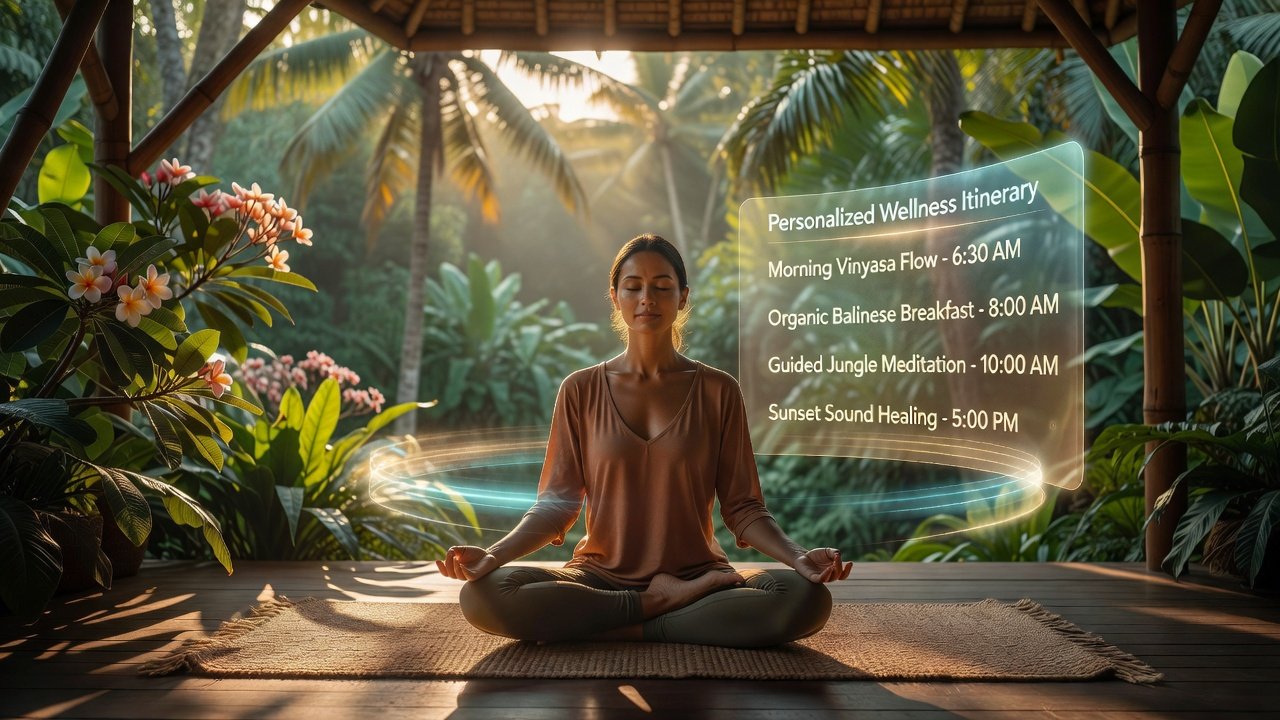
As wellness travel continues to evolve, artificial intelligence is reshaping how enthusiasts approach yoga tourism. In 2026, AI-powered platforms are delivering highly personalized wellness travel experiences that focus on holistic healing, blending ancient practices with cutting-edge technology for deeper mind-body benefits. Travelers seeking yoga retreats now benefit from intelligent systems that analyze individual needs, creating custom itineraries that go far beyond generic schedules. This shift positions 2026 as a pivotal year for accessible, targeted yoga tourism that prioritizes measurable outcomes over one-size-fits-all approaches.
The integration of AI allows for real-time adjustments based on biometric feedback, travel constraints, and evolving personal goals. Whether you are a beginner exploring mindfulness or an advanced practitioner recovering from injury, these tools help align every element of the journey with your unique profile. As global interest in holistic healing grows, AI ensures that yoga tourism becomes more inclusive and effective for diverse audiences around the world.
Understanding AI Assessment Tools for Body-Mind Needs
AI assessment tools form the foundation of personalized yoga tourism. These platforms use questionnaires, wearable data integration, and even voice analysis to evaluate physical flexibility, stress levels, and emotional well-being. For example, apps can process inputs from fitness trackers to recommend sequences that address specific imbalances like lower back tension or anxiety. Advanced systems incorporate machine learning algorithms that compare your data against thousands of similar user profiles to predict which practices will yield the best results during a retreat.
Unlike static assessments, AI continuously learns from user feedback, refining suggestions over time. This leads to more accurate personalization, helping travelers achieve holistic healing outcomes faster during their wellness journeys. Some tools even integrate genetic or microbiome insights when available, creating truly multidimensional plans that consider nutrition, sleep patterns, and mental resilience alongside physical yoga postures.
Integration with Top Yoga Tourism Destinations
Popular destinations such as Bali, Rishikesh, and Costa Rica are integrating AI into their offerings. Retreat centers now partner with tech platforms to match guests with suitable programs based on real-time data. This integration allows for seamless blending of local traditions with AI-driven adjustments, ensuring experiences feel both authentic and scientifically tailored. In Rishikesh, for instance, AI can suggest specific ashrams known for gentle vinyasa flows if your assessment indicates joint sensitivity, while in Bali it might prioritize locations offering sound healing sessions aligned with your stress profile.
Whether practicing in mountain ashrams or beachside studios, AI helps align activities with seasonal wellness trends and individual health profiles. This level of matching reduces the risk of mismatched experiences and maximizes the therapeutic impact of the trip.
Real-World Platform Examples in 2026
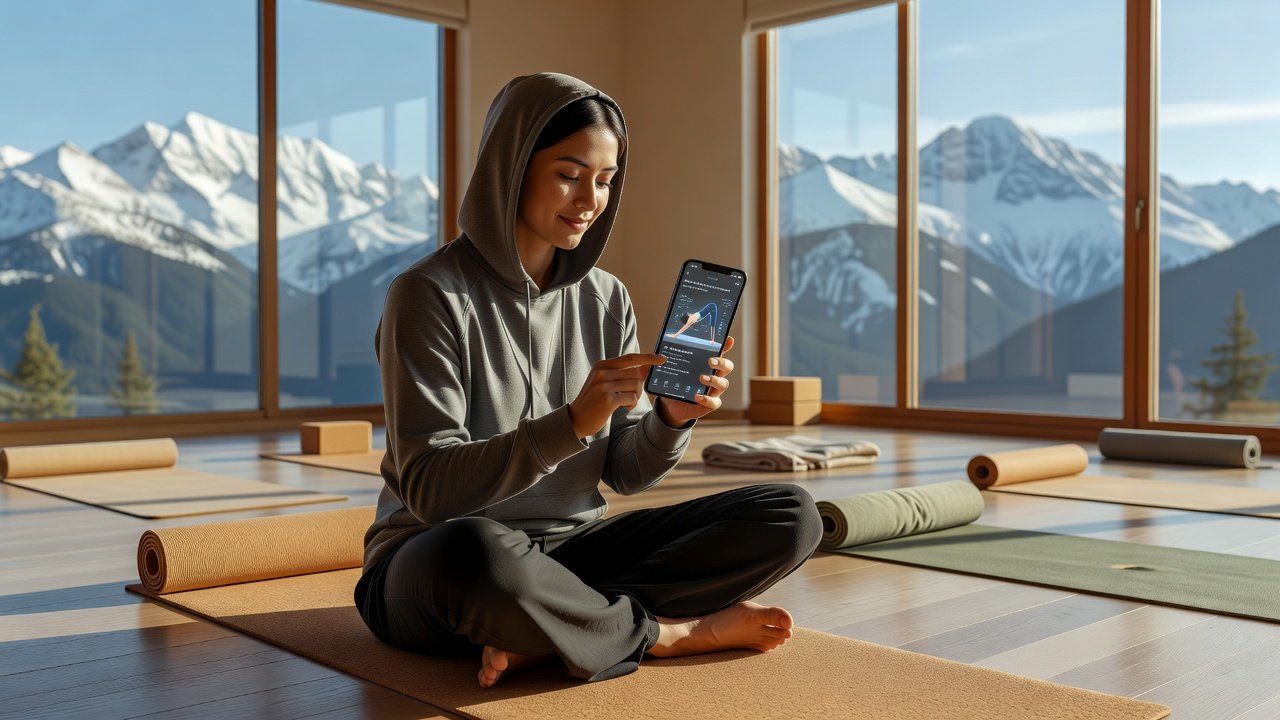
Several established platforms illustrate this trend. AI-enhanced apps like those from major wellness providers analyze user goals to suggest destinations and instructors. These tools compare options across global retreats, factoring in travel logistics and cultural elements for comprehensive planning. One platform uses natural language processing to interpret journal entries about your daily stressors and then maps them to specific retreat themes, such as detox-focused programs or trauma-informed yoga.
Another example involves apps that sync with airline and accommodation databases to create end-to-end itineraries, automatically adjusting for time zone changes to protect circadian rhythms. These real-world applications demonstrate how AI turns abstract wellness goals into concrete, bookable experiences that support long-term holistic healing.
Steps for Travelers to Leverage AI Apps
- Download a reputable AI wellness app and complete the initial assessment using health metrics and preferences. Take time to answer questions thoroughly, including any recent injuries or emotional challenges, to generate the most relevant suggestions.
- Input travel dates and desired outcomes to generate customized itinerary options. Review multiple scenarios, such as shorter intensive retreats versus longer immersive stays, and compare how each aligns with your schedule and budget.
- Review AI recommendations, then cross-reference with destination reviews for final selection. Look for user testimonials that mention similar body-mind profiles to yours for added confidence.
- During the trip, use the app for daily adjustments based on progress tracking. Log your energy levels each morning so the system can suggest modifications like restorative poses on lower-energy days.
- Post-trip, analyze results to inform future wellness travel. Export your data to identify patterns that can guide ongoing home practice or future bookings.
Traditional vs AI-Driven Planning: A Comparison
Traditional planning often relies on brochures and fixed packages, which may overlook personal nuances. In contrast, AI-driven approaches offer dynamic customization, reducing trial-and-error. Benefits include higher satisfaction rates and measurable improvements in holistic healing, such as reduced cortisol levels reported by users of intelligent systems. Traditional methods can feel overwhelming when sifting through hundreds of similar-sounding retreats, while AI filters options instantly based on evidence-backed criteria.
However, AI planning still benefits from human oversight. Combining both approaches often yields the strongest results, allowing travelers to enjoy the efficiency of technology alongside the intuition of experienced retreat coordinators.
Benefits for Deeper Healing Outcomes
AI personalization leads to more profound results by addressing root causes rather than symptoms. Travelers report enhanced recovery from burnout, improved sleep patterns, and stronger mind-body connections. In 2026, this technology makes targeted healing available to a broader audience, democratizing high-quality yoga tourism. For example, someone with chronic fatigue might receive a plan emphasizing restorative yoga and breathwork at a specific elevation known for its air quality, leading to faster rejuvenation than standard programs.
Long-term benefits also include better adherence to wellness habits after returning home, as the AI continues to provide follow-up guidance based on retreat data.
Practical Tips on Data Privacy During Wellness Travel
When using AI tools abroad, prioritize platforms with strong encryption and transparent policies. Review permissions before sharing biometric data, and opt for apps compliant with international standards. Travelers should also use VPNs on public networks at retreats to protect sensitive information throughout their journey. Always check the app’s data retention policy and request deletion of personal details after your trip concludes. Consider using pseudonyms or limited profiles when possible, and avoid linking unnecessary social accounts that could expose additional personal information.
Common Mistakes to Avoid When Using AI for Yoga Tourism
- Relying solely on AI without verifying instructor credentials at the chosen retreat.
- Ignoring cultural sensitivities when the algorithm suggests locations with specific traditions.
- Failing to update your health profile if new conditions arise before travel.
- Overlooking travel insurance that covers wellness activities recommended by AI plans.
FAQ: Common Concerns About Personalization Accuracy
How accurate are AI recommendations for yoga?
AI tools draw from large datasets and medical research, achieving high accuracy when users provide complete inputs. Regular updates from sources like National Center for Complementary and Integrative Health enhance reliability.
Can AI replace human yoga instructors?
No, AI complements instructors by handling logistics and initial tailoring, while live guidance remains essential for form correction and inspiration.
What if my needs change mid-trip?
Most AI apps allow real-time modifications, ensuring flexibility without disrupting the holistic focus.
Is data secure on wellness platforms?
Choose providers following guidelines from organizations such as World Health Organization, which emphasize privacy in digital health solutions.
Will AI work for complete beginners?
Yes, many platforms include beginner-friendly modes that gradually increase complexity based on progress tracking and feedback loops.
Conclusion
AI-powered yoga tourism in 2026 offers unprecedented opportunities for personalized wellness travel and holistic healing. By embracing these tools thoughtfully, travelers can unlock transformative experiences that blend technology with tradition for lasting benefits. With careful attention to privacy and a balanced approach, this evolving field promises deeper, more accessible healing journeys for years to come.


No comments yet. Be the first!