 Veda Tour

Introduction to Reiki and Yoga Tourism
In 2026, wellness travelers are increasingly seeking experiences that go beyond physical postures alone. Reiki and yoga tourism merges the ancient practice of energy healing with dynamic movement to support complete mind-body restoration. This integration allows participants to address energetic imbalances while strengthening the body through asanas, creating a more profound sense of holistic healing than yoga alone. Travelers drawn to these combined retreats often report enhanced relaxation, emotional clarity, and sustained well-being that extends far beyond the duration of the trip. As interest grows in energy-based modalities, destinations worldwide are adapting programs to meet demand for integrated wellness travel that appeals to both beginners and experienced practitioners.
The appeal lies in addressing multiple layers of wellness simultaneously. Yoga builds strength, flexibility, and mindfulness through movement, while Reiki works on the subtle energy body to clear blockages and promote natural healing processes. Together, they form a comprehensive approach that many modern wellness seekers find transformative.
Understanding the Basics of Reiki
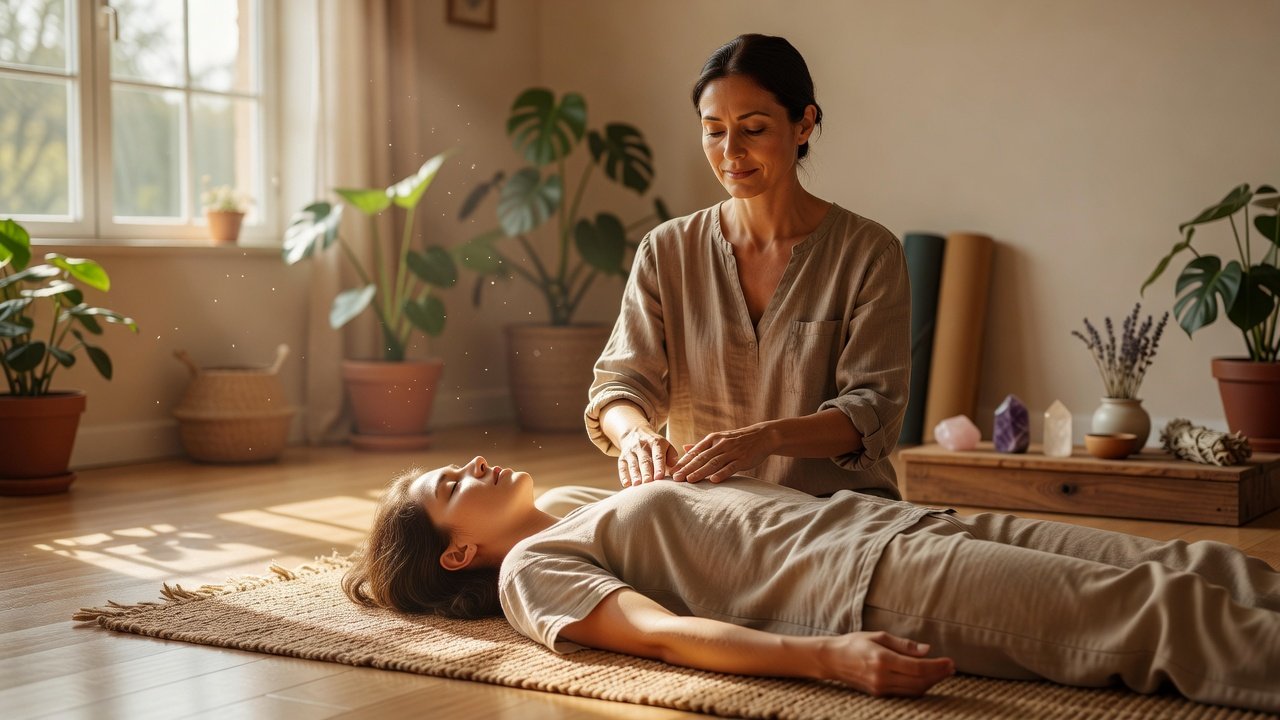
Reiki is a Japanese energy healing technique that channels universal life force through light touch or hovering hands over the body. Practitioners aim to remove blockages and promote natural healing by balancing the recipient's energy fields. When paired with yoga, it complements the physical release achieved during asanas by addressing subtle energy fields that traditional movement practices may not fully access. Originating in the early 20th century, Reiki has gained global recognition for its gentle, non-invasive nature and its ability to support stress reduction and emotional balance.
Key principles include the idea that energy flows through pathways in the body, and disruptions can lead to physical or emotional discomfort. Sessions typically last 45 to 90 minutes, with the recipient remaining fully clothed and lying down comfortably. This foundational understanding helps yoga tourists appreciate how Reiki enhances their existing practice.
Synergistic Benefits of Reiki and Yoga Asanas
The combination creates powerful synergy that amplifies results from both modalities. Yoga prepares the body by increasing circulation and releasing muscular tension, making it more receptive to Reiki's calming effects. Participants often experience reduced stress hormones, improved sleep quality, greater emotional resilience, and accelerated recovery from daily stressors. Expert practitioner Dr. Lena Torres notes, "Reiki amplifies yoga's introspective qualities, turning a physical practice into a full energetic reset that can last weeks after the retreat ends."
Additional benefits include heightened self-awareness, better breath control during asanas due to prior energy clearing, and a deeper connection to personal intentions. Many report that the energetic work helps release stored emotions that physical yoga might surface but not fully resolve.
Real-World Retreat Examples Offering Combined Programs
Several established centers now feature integrated schedules that demonstrate the model's effectiveness. In Bali, retreats blend daily vinyasa flows with evening Reiki sessions, allowing participants to process the day's physical work overnight. Costa Rican eco-lodges offer jungle-based programs where morning yoga transitions directly into group Reiki circles amid natural surroundings that enhance relaxation. European mountain retreats incorporate both modalities during multi-day immersions, emphasizing seasonal energy alignment and mindful nutrition.
Additional examples include wellness centers in Sedona, Arizona, where red rock landscapes provide a powerful backdrop for energy work combined with yoga, and Australian coastal retreats that incorporate ocean-inspired themes into both practices. These real-world offerings show how location and environment further enrich the combined experience.
Step-by-Step Guide to Selecting Suitable Destinations
- Identify your primary goals such as physical flexibility, emotional release, or spiritual growth, and match them to retreats that emphasize the corresponding elements in their programming.
- Research instructor credentials in both yoga and Reiki to ensure qualified facilitation, looking for certifications from recognized bodies and years of combined experience.
- Review retreat itineraries for balanced scheduling of movement and energy work, avoiding overly packed days that leave little time for rest and integration.
- Check accommodation quality, meal options, and post-session support such as follow-up resources or community connections to sustain benefits after returning home.
- Consider group size to ensure personalized attention during Reiki segments, as smaller groups often allow for more tailored energy healing experiences.
Comparisons: Reiki-Yoga Retreats vs Traditional Yoga-Only Trips
Traditional yoga trips focus primarily on physical alignment, flexibility gains, and basic mindfulness. In contrast, Reiki-integrated programs add layers of energetic clearing, often leading to deeper emotional processing and faster resolution of mental blocks. Travelers who have tried both report faster recovery from travel fatigue, longer-lasting mindset shifts, and improved ability to maintain healthy habits upon returning home with the combined approach. Outcomes typically include greater overall satisfaction and a sense of having addressed root causes rather than surface-level tension.
Practical Tips for Preparing for Sessions
- Hydrate well before and after Reiki to support energy flow and help the body process released toxins or emotions.
- Wear loose, comfortable clothing that allows easy movement between yoga and Reiki without needing to change frequently.
- Journal intentions prior to arrival to maximize session focus and provide a reference point for personal insights gained during the retreat.
- Allow buffer time between activities for integration, such as quiet reflection or light walking to absorb the effects fully.
- Practice basic grounding exercises like mindful breathing in the days leading up to the trip to arrive more receptive to both practices.
2026 Trends in Reiki-Yoga Tourism
This year sees rising demand for personalized Reiki-yoga pairings, eco-conscious retreat venues, and hybrid virtual follow-up sessions that extend the experience beyond the physical trip. Wellness platforms report increased bookings for energy-focused programs, reflecting broader interest in complementary therapies. The National Center for Complementary and Integrative Health continues to track growing public use of these modalities, while resources from the National Institutes of Health provide evidence-based insights into integrative wellness approaches that support this niche's expansion.
FAQs on Safety and Session Frequency
Is Reiki safe alongside yoga? Yes, when facilitated by trained professionals. Both practices are gentle and non-invasive, with minimal risk for most healthy adults.
How often should sessions occur? Most retreats schedule Reiki 2-3 times per week to allow integration without overload, though individual needs may vary based on sensitivity levels.
Who should avoid combined programs? Individuals with acute injuries, certain medical conditions, or those in early pregnancy stages should consult healthcare providers first before participating.
Can beginners participate? Absolutely, as many retreats offer modified sessions suitable for all experience levels with clear guidance provided throughout.
Traveler Case Examples
Sarah, a marketing executive from New York, attended a combined retreat in Thailand and described feeling "energetically lighter" after just three days, with yoga providing structure and Reiki offering emotional release that helped her process work-related stress. Another participant, Michael from London, noted sustained anxiety reduction six months post-trip compared to his previous yoga-only experience, attributing the difference to the energetic clearing that addressed deeper patterns. A third traveler, Elena from Spain, highlighted how the combination improved her sleep patterns dramatically and gave her tools to maintain balance in her high-pressure career long after returning home.
Common Mistakes to Avoid When Booking
One frequent error is choosing retreats based solely on price or location without verifying instructor qualifications. Another is overlooking the importance of post-retreat support, which can diminish long-term benefits. Travelers should also avoid over-scheduling themselves, as adequate rest between sessions is essential for full energetic integration and physical recovery.
Conclusion
Integrating Reiki into yoga tourism represents an evolution in holistic travel that delivers comprehensive healing experiences. By blending movement and energy work, these retreats support lasting wellness that extends into daily life. As 2026 progresses, more travelers will discover the unique benefits of this combined path and its potential to transform wellness journeys.


No comments yet. Be the first!