 Veda Tour

Introduction to Budget Yoga Tourism
Budget yoga tourism combines the transformative power of yoga practice with accessible travel options, allowing travelers to experience holistic healing without overspending. In 2026, more people are seeking value-driven journeys that prioritize wellness over luxury. This approach focuses on authentic experiences in emerging destinations where local communities offer genuine practices at lower costs. Travelers often find that blending yoga sessions with nature-based activities enhances mental and physical well-being. By choosing mid-range retreats and community integrations, you can achieve deep healing while keeping expenses manageable. The growing interest in accessible wellness stems from a desire to escape high-stress routines through mindful movement and meditation in supportive environments. Understanding how to plan such trips empowers individuals to pursue holistic healing regardless of financial constraints.
Selecting Affordable Destinations for Yoga Tourism
Choosing the right location is key to successful budget wellness travel. Regions like Southeast Asia and parts of Eastern Europe provide excellent options compared to high-cost Western retreats. Consider factors such as climate, cultural openness to yoga, and availability of qualified instructors. Cost comparisons show that emerging spots in 2026 offer better value through lower accommodation and meal prices. Prioritize places with established yoga scenes but fewer tourists to maintain affordability and authenticity. For instance, rural areas in Thailand or Portugal allow visitors to immerse in local traditions while accessing daily classes led by experienced teachers. Research visa requirements and seasonal weather patterns ahead of time to avoid surprises. Connecting with previous visitors through online forums reveals insider tips on lesser-known villages that deliver profound experiences without tourist markups.
Negotiating Retreat Packages and Booking Strategies
Effective negotiation starts with researching packages early. Contact organizers directly to inquire about off-peak rates or group discounts. Many retreats in 2026 allow customization, such as shorter stays or shared rooms, to fit tighter budgets. Book at least three to six months ahead for optimal deals. Utilize community forums and local networks to find hidden gems that blend yoga with homestays, reducing costs while fostering cultural immersion. Always ask about included meals, transportation from airports, and cancellation policies. Flexible payment options or barter arrangements with skills like photography sometimes lower fees further. Reading fine print ensures no hidden charges appear upon arrival.
Cost Comparisons Across Regions
Asia generally provides the most economical yoga tourism experiences due to lower living costs. In contrast, European options may require more planning but can include free outdoor activities like hiking to supplement paid sessions. Always compare total expenses including transport and meals. Emerging destinations often deliver comparable holistic benefits at a fraction of premium resort prices. South American locations offer similar value when focusing on community-led programs rather than international chains. Evaluating currency exchange rates and local market prices helps maximize purchasing power during the stay.
Packing and Travel Hacks to Minimize Expenses
- Pack versatile yoga clothing that doubles as casual wear to reduce luggage fees.
- Use public transport apps and local SIM cards for navigation savings.
- Bring a reusable water bottle and basic first-aid items to avoid unnecessary purchases.
- Opt for carry-on only to eliminate checked baggage costs.
- Include a lightweight yoga mat if the retreat does not supply one, saving rental fees.
- Download offline maps and language translation apps to navigate without data roaming charges.
- Choose multi-use toiletries to cut down on packing volume and airport security hassles.
These hacks help stretch your budget further while ensuring you arrive prepared for daily practices. Layered clothing adapts to varying temperatures in mountainous or coastal areas common to yoga destinations.
Examples of Mid-Range Retreats in Emerging 2026 Locations
Look for retreats in places like rural Bali or coastal Portugal that integrate local ingredients into meals and offer daily yoga flows. These spots emphasize community involvement over five-star amenities. Many such locations pair yoga with free beach walks or forest meditation, enhancing the holistic healing aspect without extra fees. In emerging areas of Costa Rica or Vietnam, similar programs combine asana practice with guided breathing exercises rooted in traditional methods. Participants often report lasting improvements in flexibility and stress reduction after one week. Checking recent participant testimonials helps identify programs that consistently deliver quality instruction at accessible rates.
Integrating Community Homestays and Nature Activities
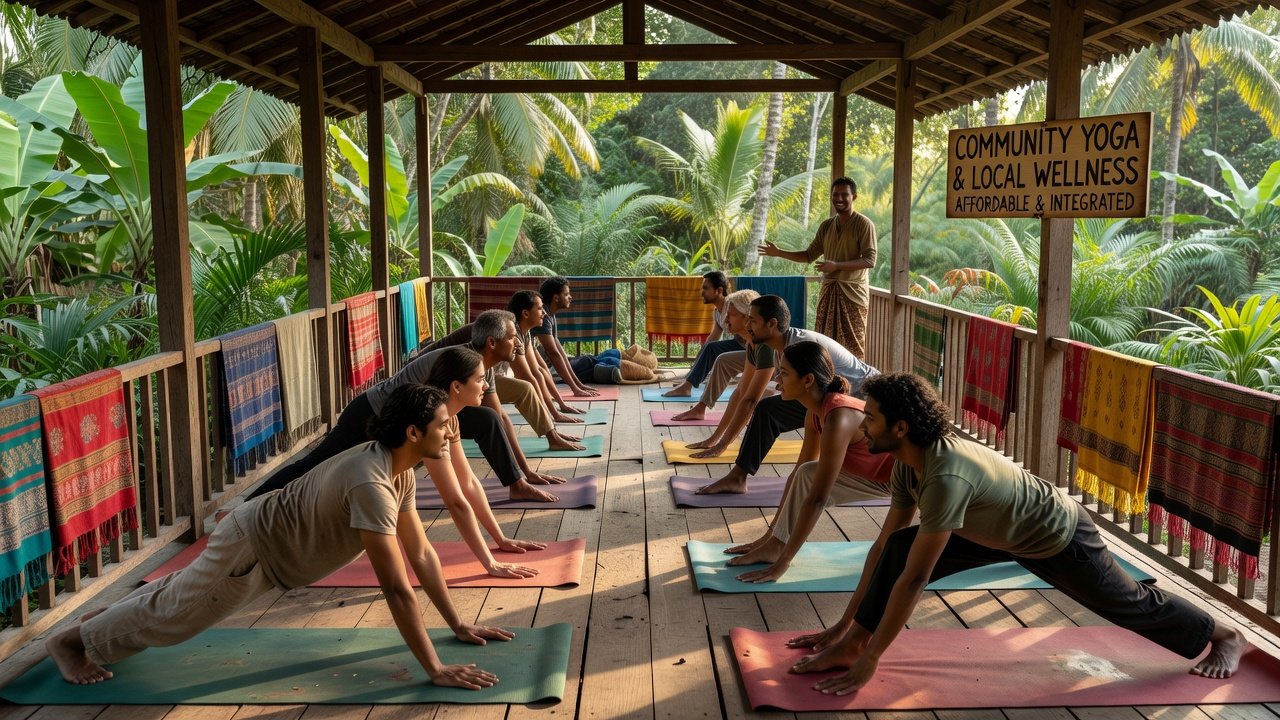
Homestays provide affordable lodging while connecting you to local families. This setup often includes shared meals and cultural exchanges that deepen the wellness journey. Blend yoga with free activities such as sunrise hikes or park sessions. World Health Organization resources highlight how nature exposure supports mental health alongside physical practices. Walking through local markets or participating in seasonal festivals adds richness without additional spending. Homestay hosts frequently share stories and simple wellness routines passed down through generations, enriching the overall experience.
Booking Timelines and Practical Planning Steps
Start research nine months in advance to secure spots in popular yet affordable programs. Create a detailed itinerary that includes buffer days for rest and unexpected delays. Verify instructor credentials through recognized bodies and confirm the retreat follows safety protocols. Comparing multiple options side by side reveals the best fit for personal goals like flexibility improvement or stress relief. Setting a realistic daily budget for incidentals prevents overspending during the trip.
Mistakes to Avoid in Budget Yoga Tourism
Common pitfalls include selecting locations based solely on online photos without verifying accessibility. Overpacking leads to extra airline fees and physical strain. Ignoring local customs can disrupt community harmony during homestays. Always confirm dietary accommodations in advance if following specific eating plans. Failing to purchase travel insurance leaves travelers vulnerable to medical or cancellation issues.
Sustaining Benefits After Returning Home
Establish a consistent home practice schedule immediately upon return. Join virtual classes or local studio sessions to maintain momentum. Journaling reflections from the trip reinforces lessons learned. Incorporating short daily meditations helps preserve the sense of calm achieved during travel. Connecting with fellow participants through social channels provides ongoing support and accountability.
FAQs on Budget Yoga Tourism
How can I ensure quality on a budget?
Research instructor certifications and read recent traveler reviews. Focus on retreats with transparent policies and smaller group sizes for personalized attention. Cross-reference claims with independent sources before committing.
What if I cannot sustain benefits after the trip?
Establish a home routine before departure. Join online communities or local classes to maintain momentum from your yoga tourism experience. Small daily habits compound over time to extend healing effects.
Are there risks with lower-priced options?
Lower prices do not always mean lower quality when vetted properly. Prioritize programs with clear safety measures and positive feedback from diverse participants. UNWTO guidelines on responsible tourism emphasize informed decision-making for all travelers.
Conclusion
Budget yoga tourism in 2026 opens doors to profound holistic healing through smart planning and authentic choices. By following these strategies, travelers can enjoy meaningful wellness journeys that are both accessible and transformative. The combination of practical preparation and local engagement creates lasting positive change beyond the duration of any single trip.

No comments yet. Be the first!