 Veda Tour
Introduction to Yoga Tourism for Sleep Wellness
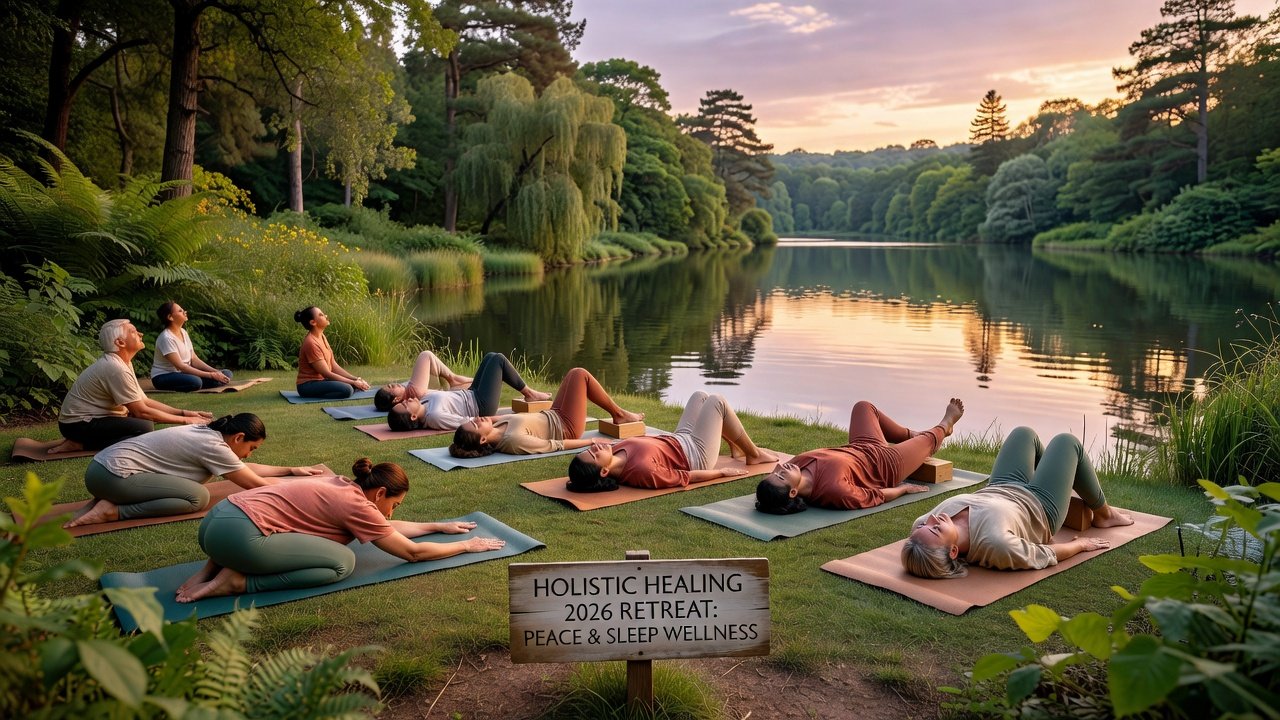
Yoga tourism for sleep wellness is gaining momentum as travelers seek holistic healing retreats that prioritize recovery and restorative rest in 2026. With rising stress levels and disrupted sleep patterns from modern life, many are turning to specialized wellness journeys that combine ancient yoga practices with serene environments to improve sleep quality naturally. This approach goes beyond standard vacations by focusing on evidence-based techniques that calm the nervous system and regulate circadian rhythms. Whether dealing with jet lag or chronic insomnia, participants report deeper, more restorative sleep after targeted programs. The global interest in recovery-focused travel has grown, making these retreats a popular choice for those looking to combine adventure with meaningful health improvements.
This comprehensive guide examines how yoga tourism experiences enhance sleep quality and support holistic healing. It covers specific asanas proven to aid rest, sample retreat itineraries, comparisons between active and restorative styles, and integration with nutrition or environment factors. Practical steps for selecting sleep-oriented programs, real-world traveler examples, and a detailed FAQ section address common concerns like jet lag adaptation.
How Yoga Supports Better Sleep Quality
Yoga enhances sleep through mindful movement, breathwork, and meditation that reduce cortisol and promote melatonin production. Research from Mayo Clinic highlights how consistent practice can alleviate insomnia symptoms by lowering anxiety and improving overall relaxation. In the context of yoga tourism, retreats offer immersive experiences where daily sessions align with natural light cycles, fostering sustainable sleep improvements that last beyond the trip. Additional studies from National Institutes of Health emphasize the role of yoga in regulating the autonomic nervous system, which directly influences sleep onset and duration. Travelers often experience reduced nighttime awakenings and improved sleep efficiency after just a few days of guided practice.
Beyond physical postures, the emphasis on pranayama breathing techniques helps activate the parasympathetic response, preparing the body for deep rest. This holistic method addresses both the mental and physical barriers to quality sleep, making it particularly effective during wellness travel when routines are already disrupted.
Specific Asanas and Sequences for Restorative Sleep
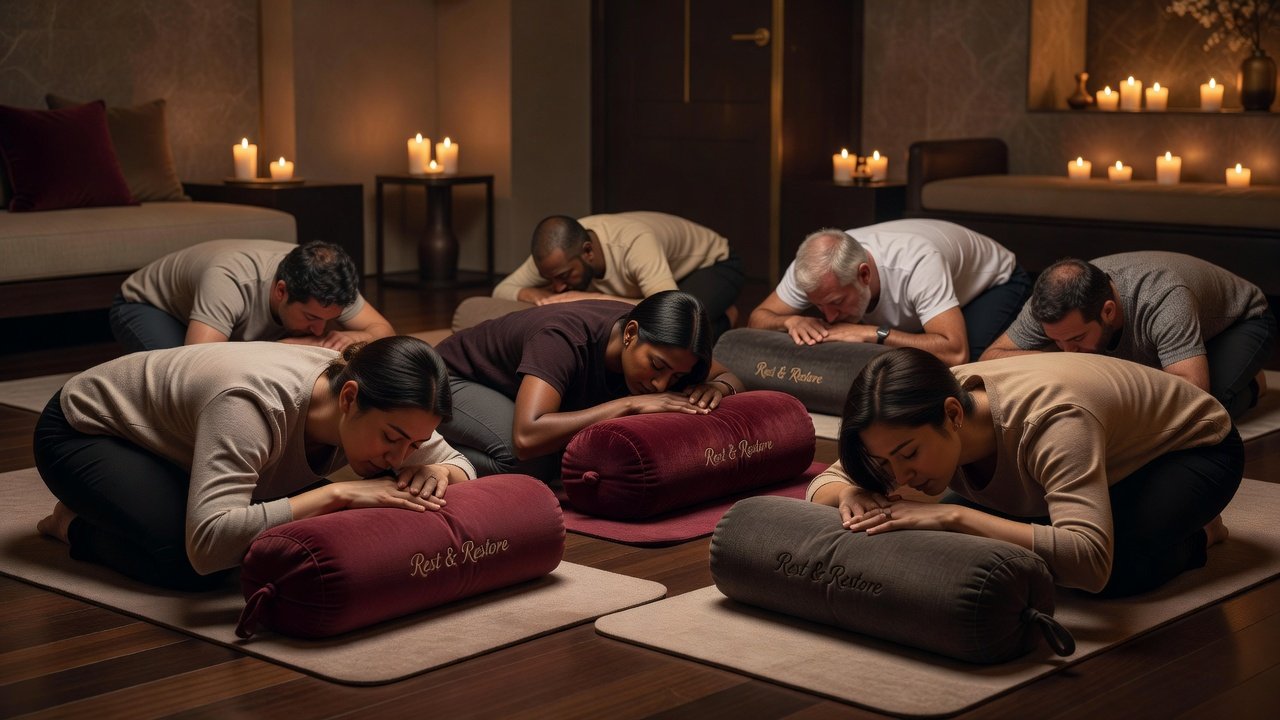
Certain yoga poses are particularly effective for winding down. Key asanas include Child's Pose (Balasana), which gently stretches the back and calms the mind; Legs-Up-The-Wall (Viparita Karani), which improves circulation and reduces fatigue; Supine Twist, which releases tension in the spine for deeper relaxation; and Corpse Pose (Savasana), the ultimate relaxation pose practiced at the end of sessions. Additional beneficial poses are Supported Bridge Pose for gentle spinal opening and Reclined Butterfly for hip release that eases lower back discomfort often linked to poor sleep.
A typical evening sequence might start with gentle forward folds, move into supported inversions, and end with guided breathing like alternate nostril breathing. These practices prepare the body for rest by activating the parasympathetic system. Practitioners are encouraged to hold each pose for three to five minutes while using props such as bolsters and blankets for full support. Over time, these sequences train the body to associate specific movements with bedtime routines, creating lasting sleep hygiene habits.
Sample Retreat Itineraries for Holistic Healing
Many holistic healing retreats in 2026 structure programs around sleep optimization. A five-day itinerary could include morning sun salutations, afternoon workshops on sleep hygiene, and evening yoga nidra sessions. Guests often enjoy nature immersion activities like forest bathing to enhance melatonin levels naturally. Mornings might feature light vinyasa flows followed by mindful breakfasts, while afternoons include educational talks on circadian rhythms and personalized yoga adjustments. Evenings wind down with sound baths or guided meditations under the stars.
Longer seven-day programs add personalized consultations with sleep specialists and integration of sound healing or aromatherapy for amplified effects. These extended stays allow time for progressive skill-building, such as learning self-massage techniques or creating custom bedtime rituals to take home. Participants frequently report measurable improvements in sleep tracking apps by the end of the week.
Comparing Active and Restorative Yoga Styles
Active styles like Vinyasa flow build strength and energy but may be less ideal for sleep-focused travel. In contrast, restorative yoga emphasizes props and longer holds to encourage passive relaxation. Travelers seeking sleep wellness often prefer the latter, especially when combined with yin yoga for deeper tissue release. Active practices can be beneficial earlier in the day to expend physical energy, while restorative sessions dominate evenings.
The choice depends on individual needs—active yoga suits those recovering from sedentary lifestyles, while restorative approaches excel for high-stress professionals. Many retreats offer hybrid schedules that blend both, allowing guests to customize based on energy levels. This flexibility ensures the program supports rather than disrupts natural sleep cycles.
Integrating Nutrition and Environment Factors
Nutrition plays a vital role alongside yoga. Retreats emphasize magnesium-rich foods, herbal teas, and light evening meals to support sleep. Environmental elements such as reduced blue light exposure, optimal room temperatures, and natural soundscapes further enhance outcomes. Many destinations choose locations near oceans or mountains for their inherent calming properties that complement yoga tourism experiences. Fresh, locally sourced ingredients help regulate digestion, which in turn promotes uninterrupted nighttime rest.
Retreats often incorporate workshops on avoiding stimulants and timing meals to align with the body's natural rhythms. Combined with the surrounding environment, these factors create a comprehensive ecosystem for healing that addresses sleep from multiple angles.
Practical Steps for Selecting Sleep-Oriented Programs
To choose the right retreat, follow these steps:
- Assess your sleep challenges and goals through a pre-trip journal to identify patterns like difficulty falling asleep or frequent awakenings.
- Research instructors certified in restorative or therapeutic yoga, verifying their experience with sleep-specific training.
- Review itineraries for dedicated sleep modules and wellness amenities such as dark rooms or blackout curtains.
- Check reviews from past participants focused on rest outcomes and measurable improvements.
- Consider travel logistics like time zone alignment for jet lag adaptation and proximity to natural settings.
- Confirm the retreat's commitment to holistic principles, including sustainable practices and qualified staff.
Always verify program credentials and alignment with holistic healing principles before booking.
Real-World Traveler Examples
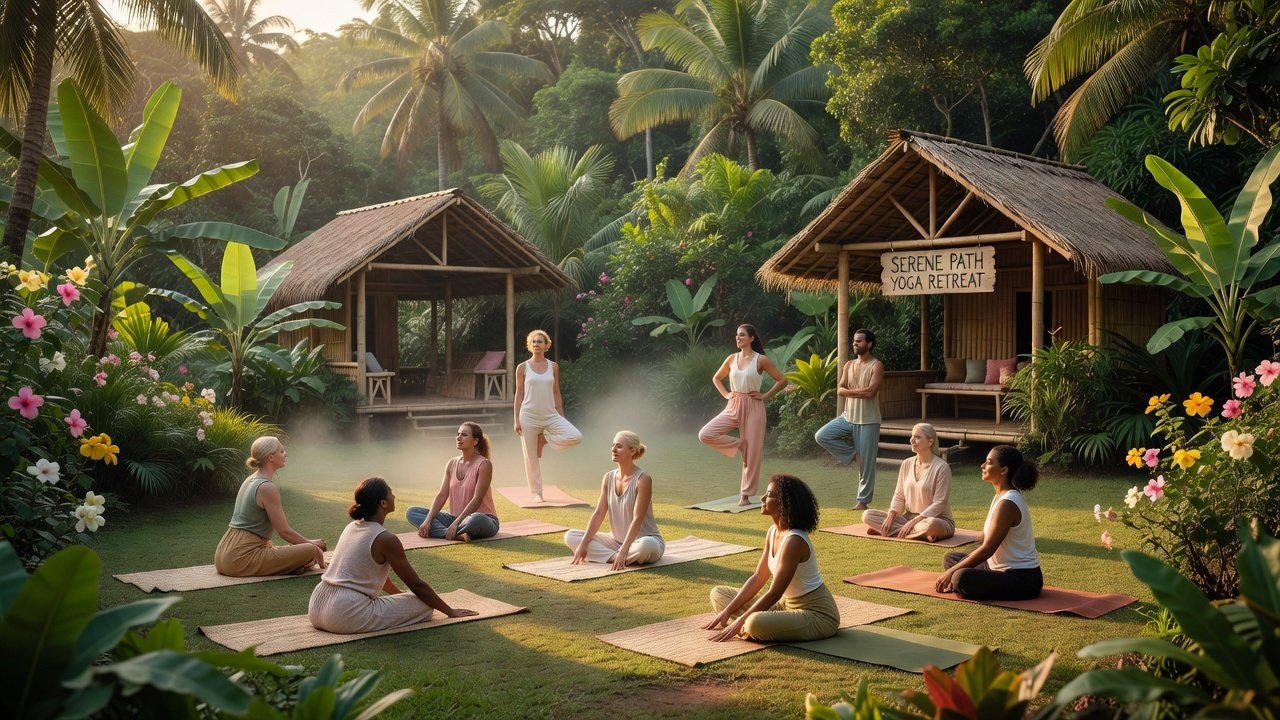
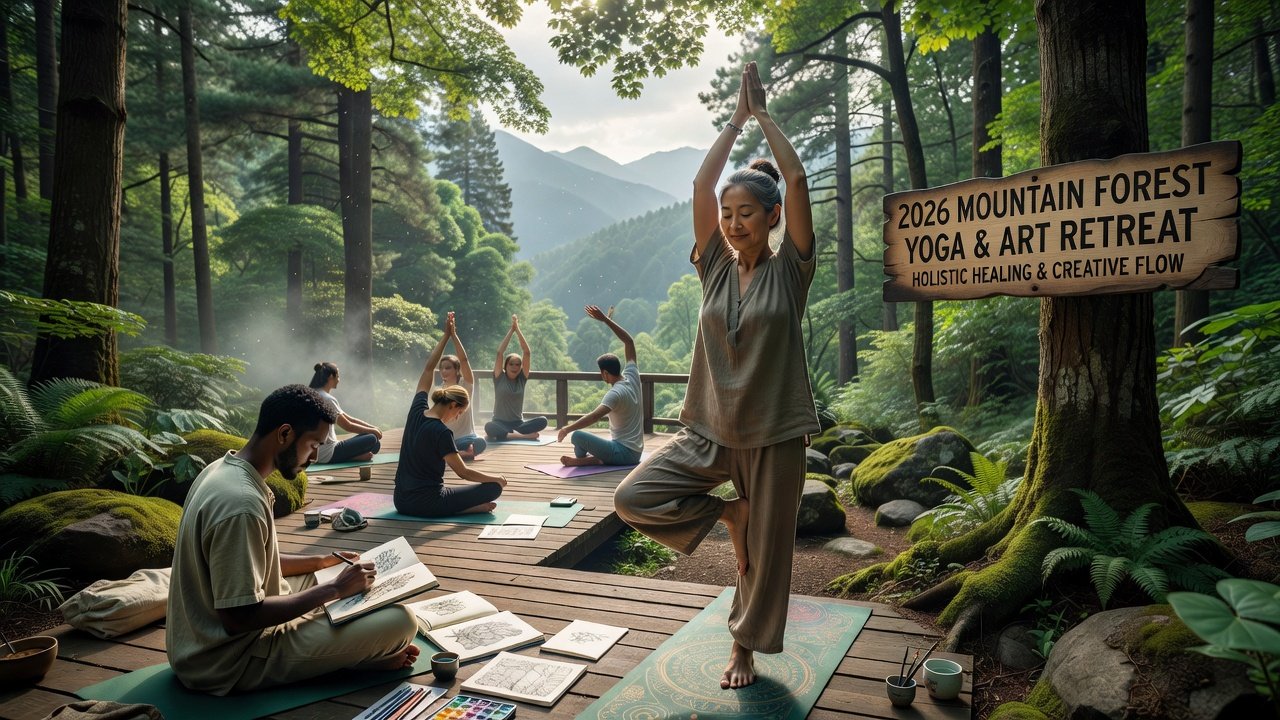
One frequent traveler from Europe shared how a week-long yoga tourism retreat in Southeast Asia helped her overcome chronic jet lag, achieving consistent seven-hour sleep cycles within days. She credited the combination of evening yoga nidra and magnesium-focused meals for the transformation. Another participant from North America noted improved sleep quality after incorporating sequences learned at a mountain holistic healing retreat, crediting the combination of yoga and mindful nutrition. A third example involves a corporate executive who attended a restorative-focused program in the Mediterranean and reported reduced reliance on sleep aids upon returning home, maintaining the benefits through continued home practice.
FAQ: Common Concerns About Yoga Tourism for Sleep Wellness
How does yoga help with jet lag adaptation?
Targeted sequences and breathing exercises regulate the body's internal clock, easing the transition across time zones more effectively than medication alone by gradually shifting circadian cues.
Are these retreats suitable for beginners?
Yes, most programs offer modifications and beginner-friendly options tailored to all levels, focusing on gentle practices for sleep benefits without requiring prior experience.
What should I pack for a sleep wellness retreat?
Comfortable yoga attire, an eye mask, and any personal sleep aids like essential oils enhance the experience along with a journal for tracking progress.
Can I expect lasting results after one retreat?
Many participants maintain improvements by continuing home practices, with noticeable benefits reported for weeks or months afterward when routines are sustained.
Are there any age restrictions for these programs?
Most retreats welcome adults of all ages, with some offering specialized sessions for seniors focusing on gentle mobility and sleep support.
Mistakes to Avoid When Planning Your Trip
Common pitfalls include selecting overly active programs that leave participants energized rather than relaxed, ignoring the importance of post-retreat integration plans, or overlooking the retreat's location climate which can affect sleep. Another mistake is failing to communicate specific sleep issues during booking, leading to generic rather than tailored experiences. Researching thoroughly and prioritizing restorative elements helps avoid these issues.
Conclusion
Yoga tourism for sleep wellness offers a powerful pathway to holistic healing through thoughtfully designed retreats in 2026. By blending proven asanas, supportive environments, and practical guidance, these experiences deliver meaningful, lasting improvements in rest and overall well-being. Start planning your restorative journey today to unlock better sleep naturally.
No comments yet. Be the first!