 Veda Tour
Introduction to Senior Yoga Tourism for Joint Healing
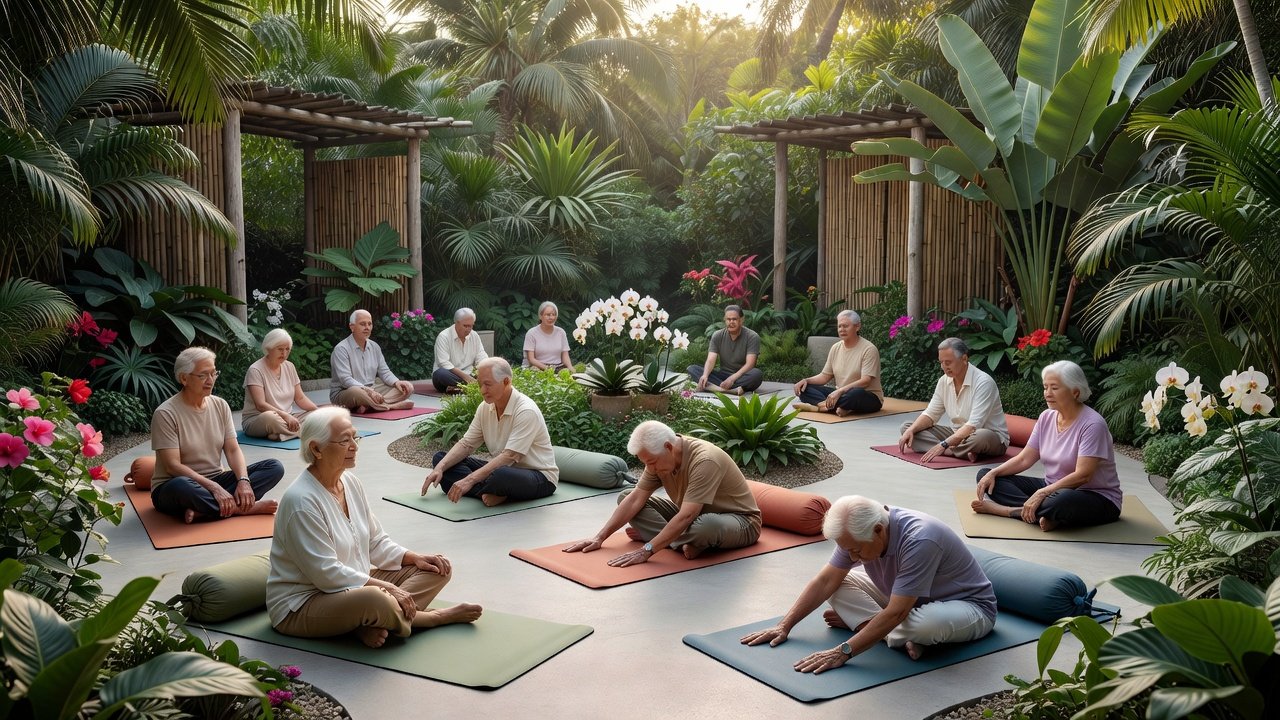
As the wellness travel industry evolves in 2026, senior yoga tourism has become a leading choice for older adults seeking gentle, effective ways to heal joints and improve mobility. This comprehensive guide provides practical steps to plan retreats that prioritize safety, accessibility, and holistic therapies like breathwork, ensuring long-term benefits without high physical demands. Many seniors experience joint discomfort from arthritis or age-related wear, making tailored yoga experiences essential. By focusing on restorative practices, travelers can enjoy transformative journeys that support healing while exploring new destinations. The search for safe, customized experiences drives interest in programs designed specifically for mature participants, where the emphasis lies on gradual progress rather than intense workouts. Understanding the unique needs of older adults helps create meaningful travel plans that combine physical relief with mental rejuvenation.
Selecting Age-Appropriate Retreat Criteria
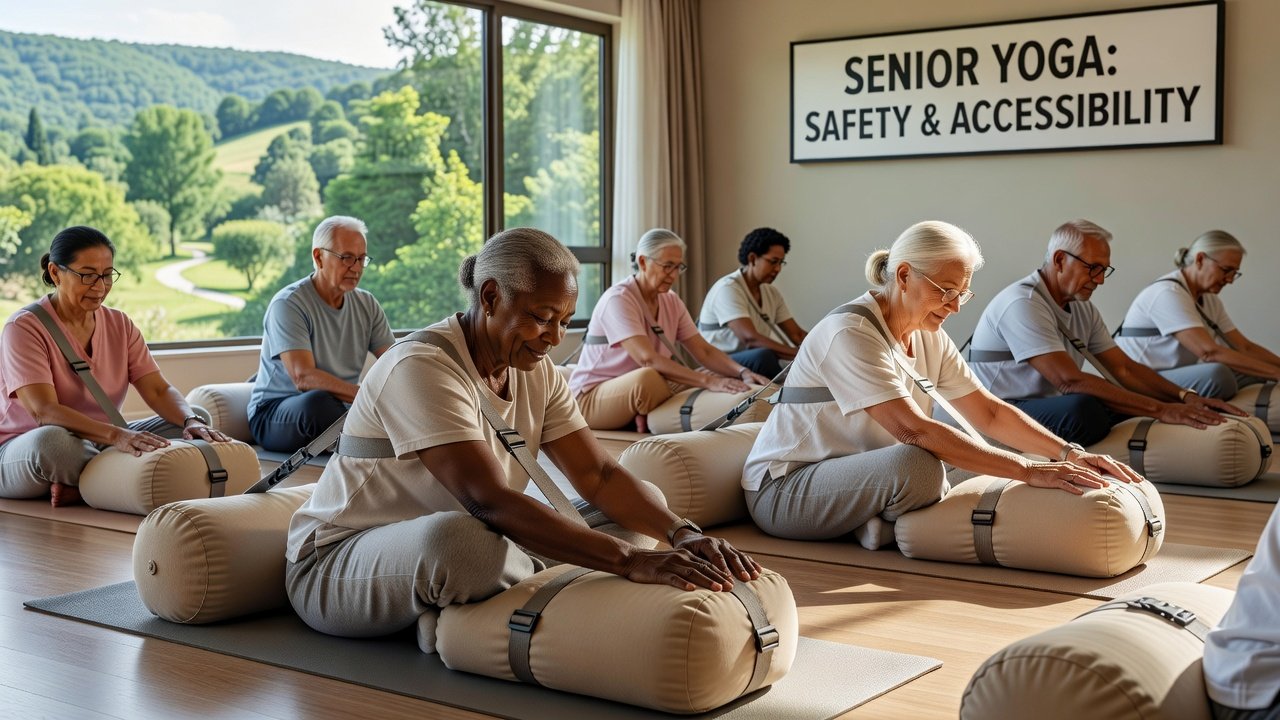
When choosing a retreat, prioritize facilities with certified instructors experienced in senior needs. Look for programs emphasizing joint-friendly yoga styles such as restorative yoga, gentle Hatha, and yin yoga, which involve slow movements and props for support. These styles reduce strain on knees, hips, and shoulders while promoting circulation and flexibility. Restorative yoga uses props to hold poses passively, allowing muscles to release tension without effort. Yin yoga targets connective tissues through longer holds, which can ease stiffness over time. Instructors should offer modifications for conditions like osteoporosis or previous injuries. Research the retreat's philosophy to ensure it aligns with holistic healing rather than athletic performance. Consider group size, as smaller classes allow more personalized attention and adjustments during sessions.
Key Accessibility Features
- Wheelchair-accessible pathways and yoga studios with mats at ground level
- Private or low-impact sessions limited to small groups of 8-12 participants
- Integration of holistic therapies including guided breathwork and meditation for pain management
- On-site medical support or partnerships with local health professionals
- Quiet rest areas and nutritious meal options tailored to dietary restrictions common in seniors
These elements ensure participants feel secure while focusing on recovery and building confidence in their practice.
Integrating Holistic Therapies Like Gentle Breathwork
Beyond physical poses, effective retreats incorporate complementary practices such as pranayama breathing exercises and mindfulness meditation. Gentle breathwork helps reduce inflammation markers and lowers stress hormones that can exacerbate joint pain. Sessions typically last 10-20 minutes and focus on diaphragmatic breathing or alternate nostril techniques suitable for beginners. Many programs combine these with sound healing or light aromatherapy to enhance relaxation. When evaluating options, confirm that breathwork is taught by qualified facilitators who understand respiratory limitations in older adults. This integration supports overall well-being and provides tools participants can use daily after returning home.
Comparing 2026 Destination Options
Popular destinations for senior yoga tourism include serene locations in Southeast Asia and Central America. India offers traditional Ayurvedic influences combined with yoga, while Bali provides lush settings ideal for relaxation. Costa Rica emphasizes eco-friendly retreats with nature immersion. Compare based on climate, flight accessibility, and program customization for joint health. India may suit those seeking cultural depth and lower costs, but travelers should account for longer flights and potential heat. Bali excels in spa-like environments with easy access to beaches and rice terraces, though monsoon season requires checking dates. Costa Rica offers biodiversity and adventure-lite activities like guided nature walks. Research visa requirements and seasonal weather to avoid peak humidity that could affect mobility. Always review operator reviews on established platforms and verify instructor credentials through organizations like Yoga Alliance.
Packing Checklists for Comfort and Safety
Preparation is crucial for a successful trip. Essential items include comfortable, loose clothing in layers for temperature changes during early morning or evening sessions. Supportive yoga props such as bolsters, straps, and blocks add familiarity even if the retreat supplies them. Joint support aids like knee sleeves or wrist cushions provide extra stability during transitions. Medications, supplements, and a first-aid kit with prescribed joint creams ensure uninterrupted health management. Lightweight, non-slip footwear prevents slips on potentially uneven retreat grounds, while a reusable water bottle encourages hydration. Additional recommendations cover sun protection items, a journal for tracking progress, and any mobility aids like walking sticks if needed. Always pack a copy of your medical history and emergency contacts in an easily accessible folder.
Real-World Examples of Transformative Journeys
One 68-year-old participant from the United States attended a restorative yoga retreat in Ubud, Bali, in early 2026. After incorporating daily breathwork and gentle poses over ten days, she reported reduced knee stiffness and improved sleep upon returning home, with continued benefits noted at her three-month follow-up. Another example involves a group from Canada who chose a Costa Rican eco-retreat, where accessibility ramps and personalized modifications led to sustained mobility gains. A third case features a 72-year-old from the United Kingdom who selected an Indian program focused on therapeutic yoga; the combination of breathwork and dietary guidance helped alleviate hip discomfort that had limited his daily walks for years. These stories highlight how individualized planning yields measurable improvements in quality of life.
Mistakes to Avoid When Planning
Common pitfalls include selecting retreats based solely on marketing images without verifying instructor qualifications or accessibility details. Overlooking pre-travel health consultations can lead to mismatched activities. Another error is ignoring post-retreat support, such as follow-up classes or online resources. Travelers should also avoid destinations with extreme altitude or temperature swings that might aggravate joints. Reading recent participant testimonials and requesting sample daily schedules helps prevent disappointment.
FAQs on Health Consultations and Post-Retreat Wellness
Should I consult a doctor before booking?
Yes, always obtain medical clearance, especially if managing conditions like osteoporosis. Discuss specific joint concerns with your physician to align retreat activities with your health profile and obtain any necessary documentation.
How can I maintain wellness after the retreat?
Continue gentle home practices learned during the trip, such as 15-minute daily breathwork sessions. Schedule follow-up yoga classes locally and monitor progress with a physical therapist. Resources from National Institute on Aging offer senior-friendly exercise guides to sustain gains.
Are retreats suitable for those with limited mobility?
Many 2026 programs cater specifically to varying mobility levels with chair yoga options and adaptive sequencing led by experienced teachers.
What if I have dietary restrictions?
Reputable retreats accommodate vegetarian, gluten-free, or low-sodium needs with advance notice, often using fresh local ingredients to support joint health through anti-inflammatory nutrition.
How soon can results be expected?
Many participants notice reduced stiffness within the first week, though lasting improvements typically emerge after consistent practice over several months.
Additional guidance is available from World Health Organization publications on healthy aging and physical activity.
Conclusion
Planning senior yoga tourism for joint healing in 2026 requires attention to personalized, low-impact options that foster safety and holistic growth. By following these detailed steps, including careful destination comparison, thorough packing, and integration of breathwork, older adults can embark on rewarding journeys that deliver lasting health improvements and renewed vitality. Thoughtful preparation transforms these experiences into sustainable lifestyle enhancements.
No comments yet. Be the first!