 Veda Tour
Introduction: Extending the Transformative Power of Yoga Tourism
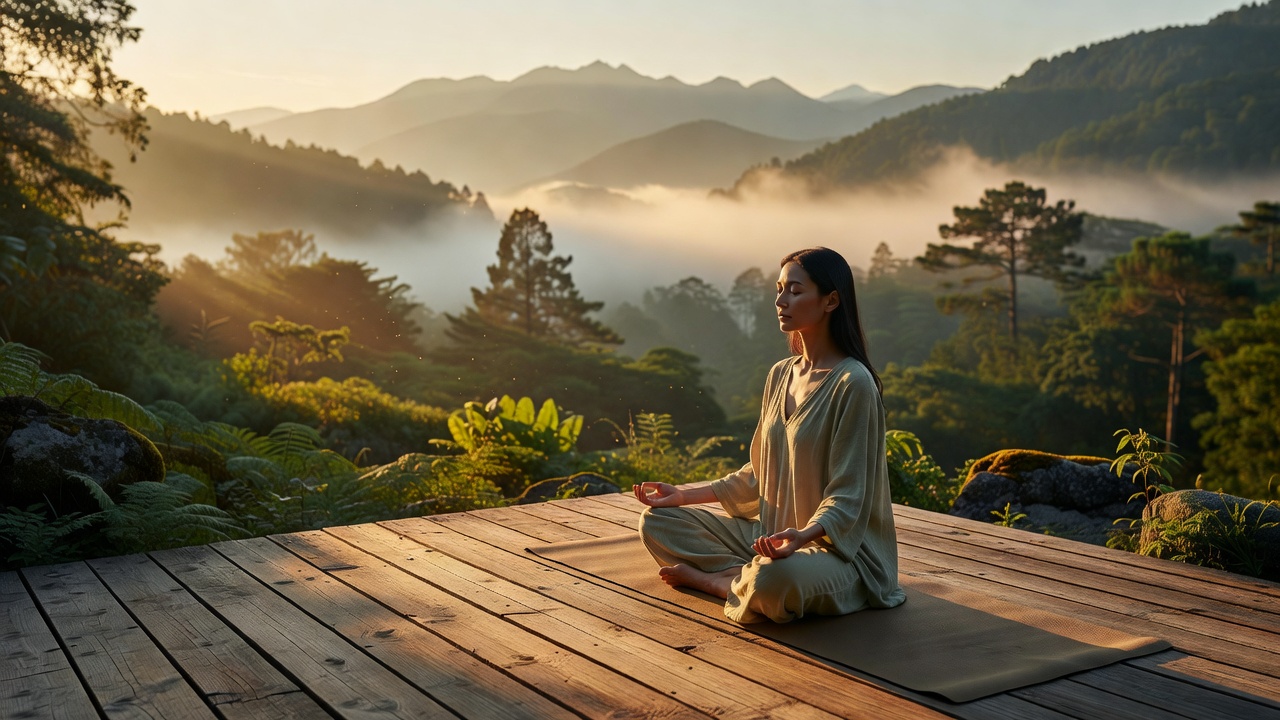
Returning from a spiritual retreat often leaves participants feeling renewed, centered, and deeply connected to their inner selves. However, the real challenge lies in sustaining these wellness gains once daily routines resume. Yoga tourism in 2026 emphasizes not just the journey but the integration phase, helping travelers turn temporary transformations into lifelong habits. This article explores evidence-based approaches drawn from wellness research and real-world participant experiences.
Wellness travelers frequently report that without structured follow-up, up to 70 percent of retreat benefits fade within weeks. By focusing on meditation routines, personalized home yoga, and ongoing community ties, individuals can preserve and even amplify their progress throughout the year. The growing popularity of yoga tourism means more people are seeking ways to bridge the gap between immersive retreat experiences and everyday life, making post-retreat strategies essential for long-term success.
Building Sustainable Meditation Habits After Your Retreat
Meditation forms the cornerstone of post-retreat wellness. Start by anchoring your practice to existing daily cues, such as morning coffee or evening wind-down. Research from major health organizations highlights that consistent short sessions outperform sporadic longer ones. In 2026, many wellness travelers are integrating technology like meditation apps with timers and progress trackers to stay motivated.
Step-by-Step Integration Plan
- Week 1-2: Dedicate 5-10 minutes daily using the same technique learned at the retreat, focusing on breath awareness or body scans.
- Week 3-4: Extend to 15 minutes and introduce journaling to track mental clarity shifts, noting emotional patterns and triggers.
- Month 2 onward: Layer in mindfulness during routine activities like walking or eating, gradually building toward 20-30 minute sessions three to four times weekly.
- Ongoing: Review progress monthly and adjust for life changes, such as travel or work demands, to prevent regression.
Real participant example: Maria, a 42-year-old teacher from Spain, attended a Bali yoga retreat in late 2025. Upon return, she struggled with consistency until she paired meditation with her commute. By mid-2026, she reported sustained reductions in anxiety levels and improved focus at work. Another example comes from James, a corporate executive from Canada, who used guided audio recordings from his retreat to maintain practice during high-stress periods, resulting in better sleep quality and decision-making skills.
Creating Effective Home Yoga Practices
Replicating retreat-level intensity at home requires adaptation rather than exact replication. Design a dedicated space free from distractions and select sequences that address personal needs identified during the retreat. Consider factors like flooring, lighting, and props to create an inviting environment that encourages daily use.
Practical Sequences for Home Integration
Begin with a 30-minute morning flow combining sun salutations, standing poses, and gentle twists. Evening practices can focus on restorative poses such as supported bridge and legs-up-the-wall to promote relaxation. Incorporate props like blocks and straps for modifications, ensuring accessibility regardless of fitness level.
Common Challenges Versus Successful Outcomes
- Challenge: Lack of motivation without group energy. Outcome: Successful practitioners schedule sessions like appointments and use guided apps for accountability, often forming small accountability groups via video calls.
- Challenge: Limited space or props. Outcome: Focus on bodyweight flows and modifications; many achieve deeper flexibility gains through consistency alone, sometimes investing in multi-use mats that double as meditation cushions.
- Challenge: Time constraints. Outcome: Breaking practice into micro-sessions of 20 minutes yields comparable benefits to longer classes, with studies showing improved adherence rates.
- Challenge: Physical discomfort from old injuries. Outcome: Consulting a yoga therapist post-retreat allows customized sequences that build strength safely while honoring the body's limits.
Compare this to retreat immersion: home practice builds resilience by teaching self-reliance, often leading to more profound personal insights over time. Participants who commit to 90 days of consistent home practice frequently report greater emotional stability than during the retreat itself.
Fostering Ongoing Community Connections
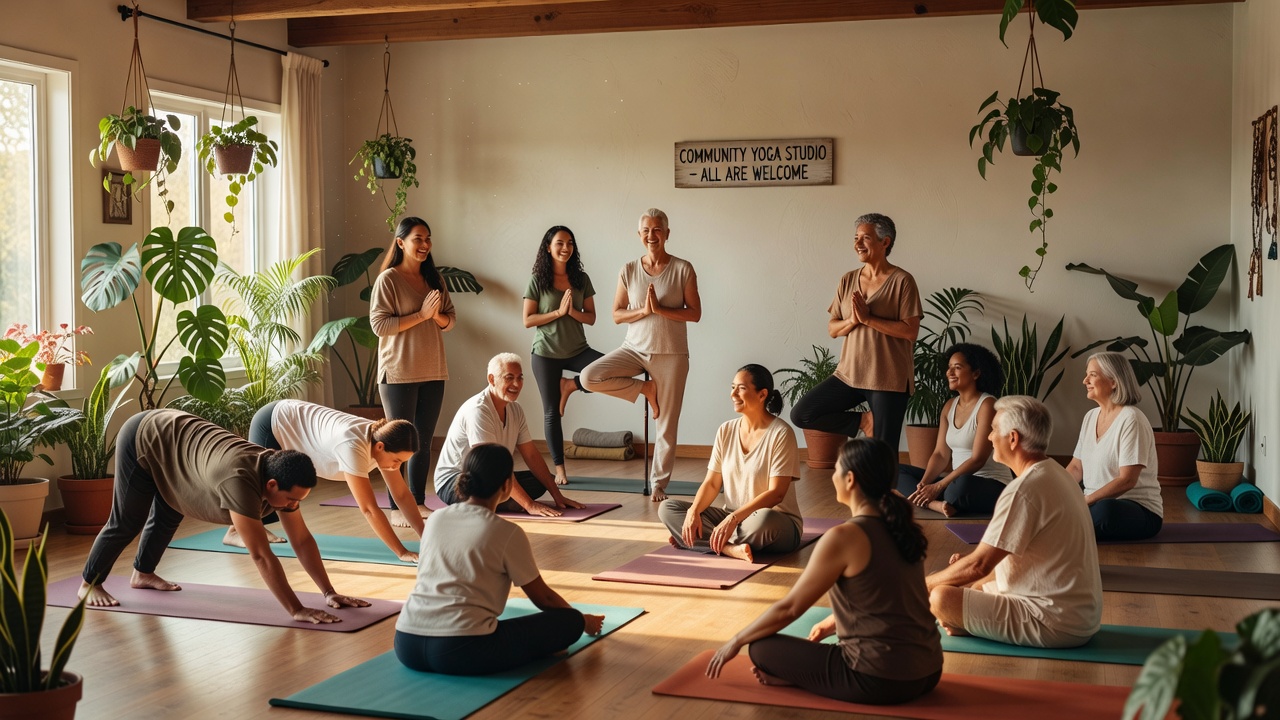
Isolation after group experiences can erode motivation. Seek local yoga studios, online forums, or virtual sanghas that align with your retreat philosophy. Connecting with fellow participants via scheduled check-ins maintains accountability and shared growth. In 2026, hybrid models combining in-person meetups with digital platforms have become popular for wellness travelers.
Authoritative guidance on social wellness supports regular community engagement for mental health maintenance. Explore resources at World Health Organization for evidence on social determinants of wellbeing. Additional insights are available through Mayo Clinic, which emphasizes the role of social support in stress reduction and sustained lifestyle changes.
Overcoming Common Pitfalls and Tracking Progress in 2026
Many returnees face plateaus or setbacks due to seasonal changes or unexpected stressors. To counter this, establish quarterly wellness reviews where you reassess goals and celebrate milestones. Use journals, apps, or wearable devices to log mood, energy levels, and physical markers. Real examples show that those who track progress visually through photos or habit streaks maintain motivation longer.
Actionable FAQs on Preserving Wellness Travel Gains
How long do retreat benefits typically last without follow-up?
Without integration strategies, noticeable shifts often diminish within 4-6 weeks. Structured plans extend benefits indefinitely, with many practitioners experiencing compounding positive effects over months and years.
What if my home environment lacks peace for practice?
Create boundaries with noise-canceling tools or early morning timing. Many succeed by reframing the space rather than seeking perfection, turning even small corners into sacred areas with simple additions like plants or incense.
Can I combine multiple retreat styles in 2026?
Yes, blending approaches such as yin with dynamic vinyasa keeps engagement high while addressing varied physical and emotional needs. This variety prevents boredom and supports holistic development.
Is professional guidance necessary post-retreat?
Optional but valuable; occasional sessions with a certified instructor prevent plateaus and refine technique for continued progress. Online consultations have made expert advice more accessible than ever.
How do I handle travel disruptions to my routine?
Pack a travel yoga mat and meditation cushion, and maintain micro-practices during flights or hotel stays. Many find that adapting rather than abandoning the routine preserves momentum effectively.
By implementing these yoga tourism strategies, 2026 can mark the beginning of enduring wellness rather than a fleeting peak. Consistent effort transforms retreat memories into a vibrant, sustainable lifestyle that supports mental, physical, and spiritual health year-round.
No comments yet. Be the first!