 Veda Tour
Introduction to Heritage Yoga Tourism
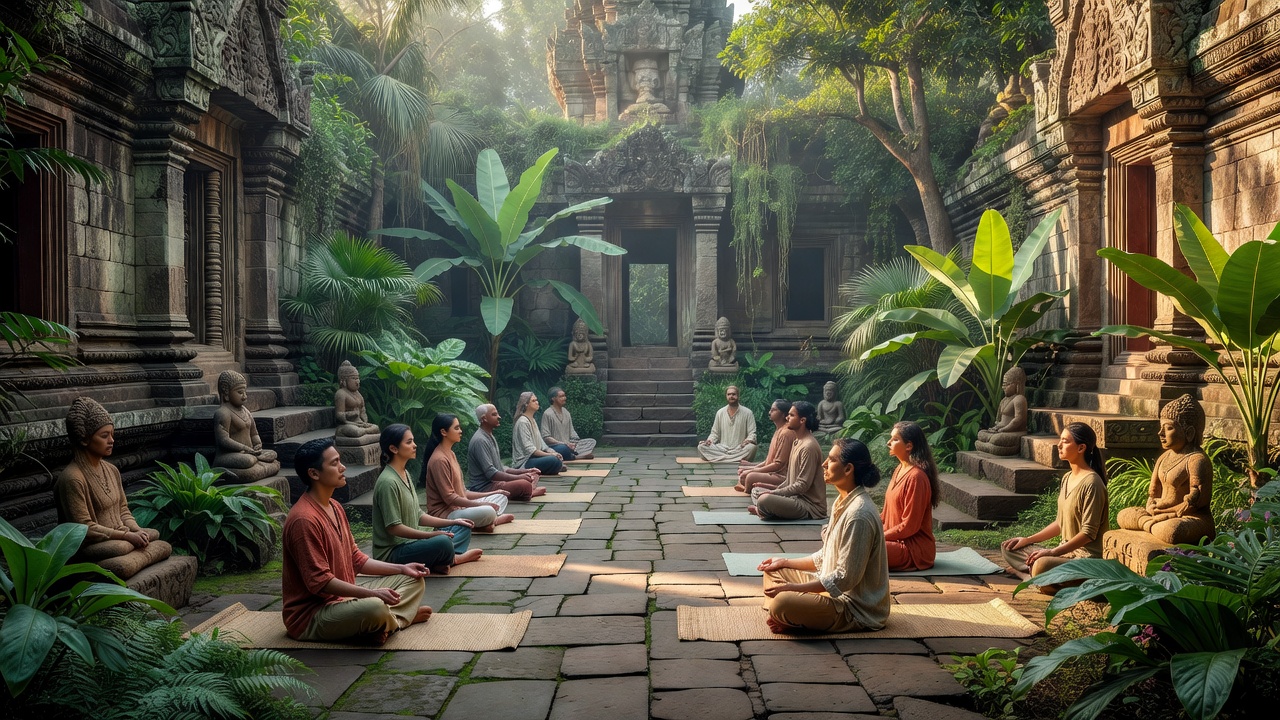
Heritage yoga tourism represents a meaningful evolution in wellness travel, merging the timeless discipline of yoga with the rich tapestry of local cultural heritage. In 2026, discerning travelers are moving beyond generic wellness escapes to seek experiences that honor indigenous traditions, sacred sites, and community wisdom. This approach allows participants to achieve deeper levels of personal transformation through authentic rituals, shared storytelling, and meaningful connections with local people. By grounding yoga practice in cultural context, retreats foster not only physical flexibility and mental clarity but also a profound sense of belonging to something larger than oneself.
The demand for culturally immersive spiritual retreats continues to grow as individuals recognize the limitations of standardized yoga programs. Integrating heritage elements creates opportunities for holistic healing that addresses body, mind, and spirit simultaneously. This article provides an in-depth examination of how to select destinations, blend practices respectfully, navigate etiquette, and plan transformative journeys that deliver lasting impact.
The Rise of Heritage Yoga Tourism in 2026
Wellness travel has shifted toward experiences that celebrate authenticity and sustainability. Heritage yoga tourism stands at the intersection of these trends, encouraging visitors to engage with living cultures rather than treating destinations as backdrops. Many operators now collaborate with local elders, artisans, and spiritual leaders to design programs that preserve traditions while offering enriching encounters. This model supports economic development in rural communities and helps safeguard intangible cultural heritage for future generations.
Travelers report higher satisfaction when retreats incorporate elements such as traditional music, herbal ceremonies, and site-specific meditations. These additions transform a simple yoga class into a multi-sensory journey that lingers in memory long after the trip ends. As global interest in mindful travel increases, heritage-focused options distinguish themselves through their emphasis on reciprocity and respect.
Benefits of Culturally Immersive Spiritual Retreats
Integrating cultural heritage into yoga retreats amplifies personal transformation by connecting practitioners with ancestral knowledge systems. Participants frequently describe stronger emotional resilience, expanded worldviews, and a renewed commitment to mindful living. Authentic rituals, including fire ceremonies, guided ancestral meditations, and seasonal celebrations, deepen the introspective qualities of yoga and meditation.
Community connections formed during these retreats often extend beyond the program duration, creating networks of like-minded individuals who continue to support one another. Wellness travelers also contribute to cultural preservation by choosing operators who prioritize ethical partnerships. Compared with standard retreats, heritage programs deliver richer narratives and more nuanced personal growth.
Selecting Culturally Immersive Destinations
Ideal locations feature established yoga lineages alongside vibrant living heritage. In India, travelers can explore the temples of Tamil Nadu or the Himalayan ashrams where Vedic traditions remain active. Bali offers rice-terrace sanctuaries paired with Balinese Hindu ceremonies, while Peru’s Sacred Valley provides opportunities to blend Andean cosmovision with yoga sequences. Additional strong choices include the Atlas Mountains of Morocco for Berber hospitality traditions and the temples of Kyoto for Zen-influenced practices.
When evaluating destinations, consider infrastructure quality, seasonal accessibility, and the degree of genuine community involvement. Programs affiliated with recognized cultural preservation efforts tend to offer the most respectful and educational experiences. Checking operator credentials through independent reviews and local tourism boards helps ensure alignment with ethical standards.
Blending Traditional Yoga with Indigenous Practices
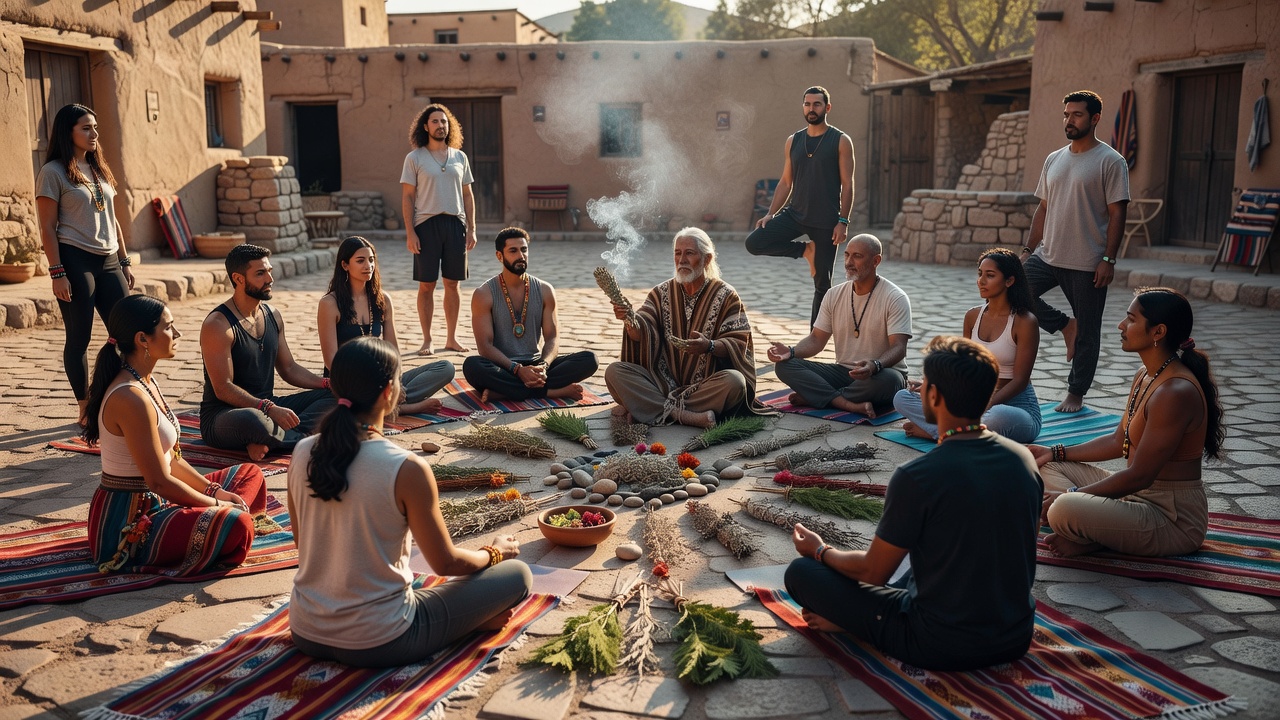
Successful heritage retreats thoughtfully combine classical yoga with local customs. Examples include pairing vinyasa flows with Native American smudging rituals, incorporating African drumming into pranayama sessions, or integrating Maori karakia chants before meditation. These fusions add layers of symbolic meaning that enrich both the physical postures and the contemplative aspects of practice.
Instructors with dual training in yoga and indigenous traditions guide participants through sequences that honor origins while creating harmonious new expressions. Travelers often leave with expanded toolkits that include breathing techniques, movement patterns, and philosophical insights drawn from multiple wisdom traditions.
Traveler Etiquette for Respectful Engagement
Cultural sensitivity forms the foundation of meaningful heritage yoga tourism. Always seek explicit permission before photographing ceremonies or sacred objects. Dress codes at heritage sites typically require modest attire that covers shoulders and knees. Participants should approach rituals as learners rather than performers, avoiding the imposition of personal interpretations onto local customs.
Supporting artisans through direct purchases of handmade goods strengthens local economies. Operators frequently provide pre-arrival briefings that outline appropriate behavior, including guidelines on gift-giving, conversation topics, and physical boundaries. Following these recommendations protects both the traveler and the host community from unintended harm.
Practical Steps for Planning Your Trip
Begin by clarifying personal intentions. Determine whether the priority lies in advancing physical yoga skills, exploring spiritual philosophies, or building cross-cultural understanding. This clarity helps narrow program choices effectively.
Next, research operators with documented local partnerships and transparent sustainability policies. Reading detailed participant testimonials reveals how well cultural elements are integrated. Booking during shoulder seasons often improves availability of smaller, more intimate groups.
Prepare physically by maintaining a consistent home practice and mentally by studying basic destination history and language phrases. Pack modest clothing suitable for both yoga sessions and cultural visits, along with a dedicated journal for processing experiences. Finally, arrange travel insurance that covers wellness activities and confirm any required vaccinations well in advance.
Real-World Retreat Examples
In Rishikesh, multi-week programs combine Ashtanga yoga with daily Vedic chanting at centuries-old ashrams along the Ganges. Oaxaca-based retreats introduce participants to Zapotec textile traditions and plant knowledge alongside gentle vinyasa classes. Tuscany offers villa-based experiences that weave Italian folk songs and seasonal harvest rituals into restorative yoga sequences. Additional noteworthy options include temple stays in Cambodia that pair Khmer classical dance with meditation and highland retreats in Ecuador that incorporate Quechua cosmology.
These programs demonstrate how heritage integration creates distinctive, memorable stays that standard retreats cannot replicate. Alumni consistently highlight the added depth provided by cultural context.
Immersive Versus Standard Yoga Retreats
Standard retreats typically emphasize daily yoga classes, healthy meals, and relaxation amenities. Immersive heritage options layer on rituals, local cuisine workshops, guided cultural excursions, and direct community interactions. The result is often deeper emotional connections and longer-lasting behavioral changes.
While standard retreats suit beginners seeking simplicity and rest, heritage versions appeal to those prepared for nuanced growth and respectful engagement. The additional preparation required yields experiences that feel more meaningful and personally significant.
Frequently Asked Questions
Is heritage yoga tourism accessible for beginners?
Many programs design sessions for mixed-level groups, introducing cultural elements gradually. Beginners benefit from communicating physical limitations and experience levels during booking so instructors can provide appropriate modifications.
How does this tourism impact local communities?
Responsible operators direct revenue toward fair wages, cultural education, and preservation projects. Travelers amplify positive effects by choosing ethical providers, respecting boundaries, and supporting local businesses throughout their stay.
What should I expect regarding accessibility and safety?
Research infrastructure, medical facilities, and health requirements specific to the destination. Reputable retreats employ on-site support staff and maintain clear emergency protocols for safe participation at all times.
Can I attend if I have dietary restrictions?
Most heritage retreats accommodate vegetarian, vegan, gluten-free, and allergy-specific needs when notified in advance. Local ingredients often form the basis of meals, enhancing the cultural authenticity of the experience.
Conclusion
Heritage yoga tourism offers a powerful pathway for wellness travelers seeking deeper meaning in 2026. By embracing cultural depth, spiritual retreats become catalysts for genuine transformation that extends far beyond physical postures. Thoughtful planning, respectful engagement, and selection of ethical operators ensure these journeys honor both participants and the living traditions they encounter. The result is a more connected, mindful, and culturally aware approach to yoga and travel.
No comments yet. Be the first!