 Veda Tour
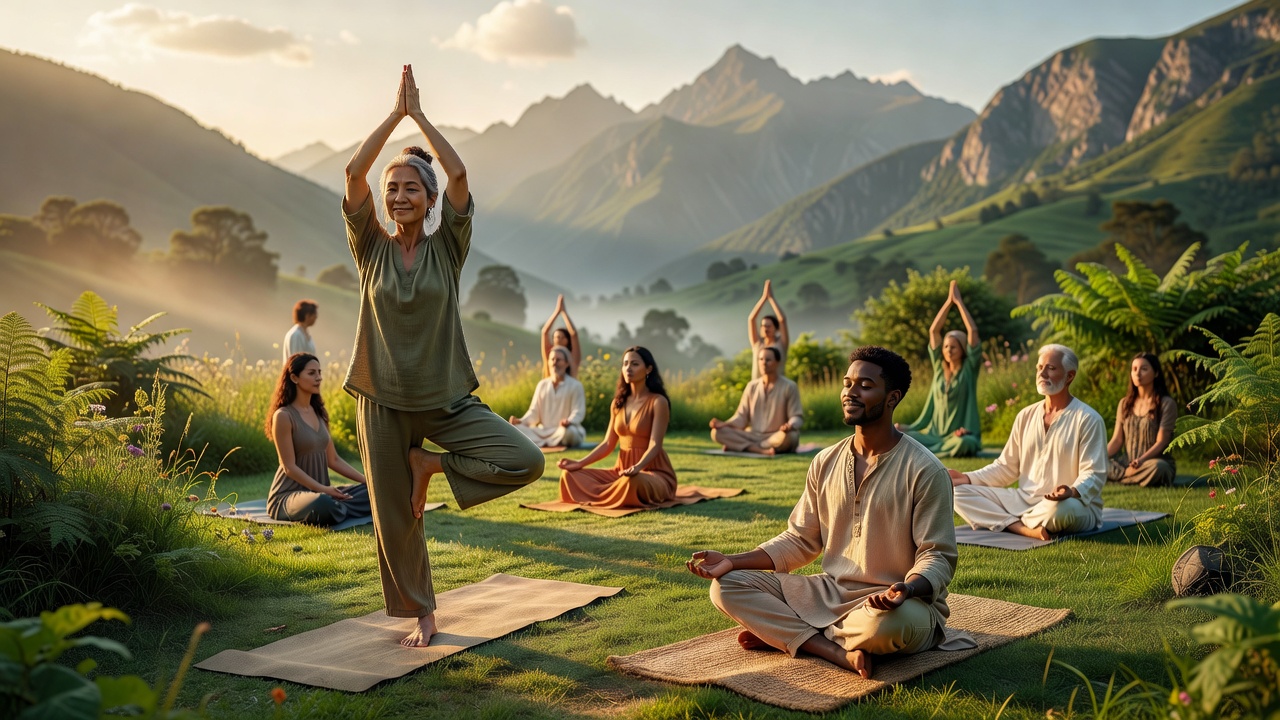
Introduction to Science-Backed Spiritual Retreats in Wellness Travel
Wellness travel continues to evolve in 2026, with spiritual retreats emerging as a key component of yoga tourism. These programs combine meditation, yoga, and mindful practices in immersive settings. Research increasingly supports their benefits for stress reduction, immune function, and mental clarity, moving beyond anecdotal claims to measurable outcomes. As more travelers seek evidence-driven experiences, understanding the scientific foundation behind spiritual retreats becomes essential for making informed decisions about wellness journeys.
Spiritual retreats differ from standard vacations by emphasizing structured daily routines that foster introspection and physical renewal. In 2026, the integration of scientific monitoring tools has allowed researchers to quantify changes in participants more accurately than ever before. This article examines peer-reviewed findings and translates them into actionable advice for those planning wellness travel.
Key Studies on Stress Reduction Through Retreat Participation
Multiple investigations highlight cortisol level decreases after structured meditation programs. Participants in multi-day retreats often report sustained reductions in perceived stress, supported by physiological monitoring. A 2025 review from the National Institutes of Health underscores how consistent mindfulness sessions during retreats activate the parasympathetic nervous system, promoting recovery from chronic stress. Additional longitudinal studies published in 2024 and 2025 demonstrate that even moderate reductions in cortisol can lead to improved sleep architecture and lower blood pressure readings that persist for weeks after the retreat concludes.
Longer formats, such as seven- to ten-day programs, show stronger effects compared to shorter weekend experiences. This difference arises because extended immersion allows deeper habit formation around daily meditation and breathwork. Researchers note that the cumulative effect of repeated sessions builds resilience against future stressors once participants return to daily life.
Immune Function Improvements Linked to Wellness Travel
Evidence indicates that spiritual retreats can positively influence immune markers. Studies tracking natural killer cell activity and inflammatory cytokines demonstrate improvements following intensive meditation periods. These changes align with broader findings on how reduced stress supports overall immune resilience during wellness travel experiences. Mechanisms include lowered chronic inflammation and enhanced antibody responses, which have been observed in controlled trials involving both novice and experienced meditators.
Comparisons across retreat formats reveal that nature-integrated programs tend to yield greater immune benefits than urban-based ones, likely due to combined effects of fresh air, physical movement, and disconnection from digital stressors. Participants who engage in outdoor yoga and walking meditations frequently exhibit more pronounced shifts in interleukin levels, suggesting synergistic effects between environmental factors and contemplative practices.
Mental Clarity Gains from Structured Retreat Experiences
Beyond stress and immunity, spiritual retreats support measurable gains in cognitive function. Attention network tests administered before and after participation show improvements in sustained focus and reduced mind-wandering. These outcomes stem from repeated training of the default mode network during silent meditation blocks, which helps practitioners maintain presence throughout the day.
In 2026 programs, some centers incorporate brief cognitive assessments to document these changes. Travelers often report enhanced decision-making abilities and creative problem-solving upon returning home, attributing these shifts to the uninterrupted time for reflection that retreats provide.
Physiological Changes During Meditation Sessions
During guided sessions at retreats, measurable shifts occur in heart rate variability, brainwave patterns, and respiratory rate. Electroencephalogram data often shows increased alpha and theta wave activity, correlating with states of relaxed alertness and enhanced focus. Functional MRI scans from related research reveal decreased activity in the amygdala, the brain region associated with fear and emotional reactivity, explaining why many participants describe a profound sense of calm that extends beyond the session itself.
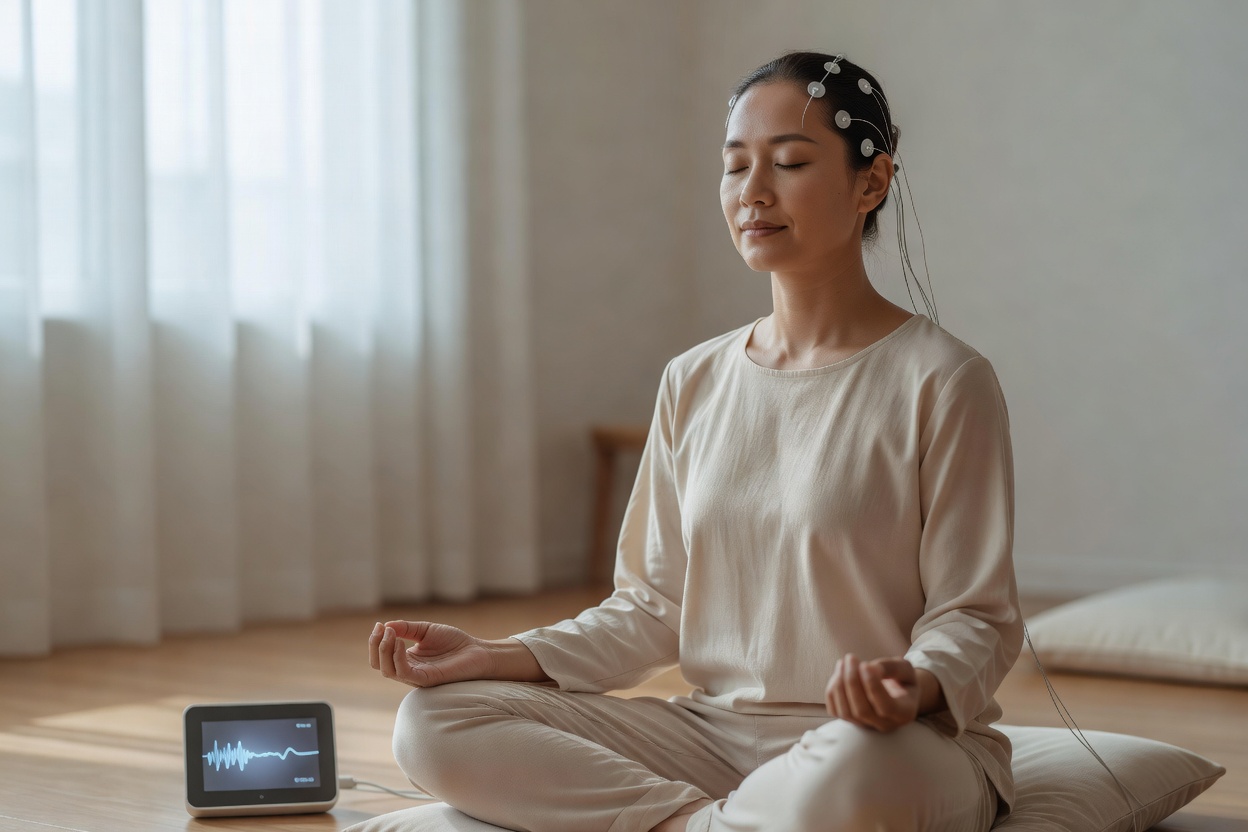
Real-world 2026 programs, such as those offered in Costa Rica and Bali wellness centers, incorporate biofeedback tools to help participants observe these changes in real time, reinforcing the science behind the practices. Heart rate monitors and simple EEG headbands provide immediate feedback, allowing individuals to adjust their breathing techniques for optimal physiological responses.
Comparisons of Outcomes Across Different Retreat Formats
Outcomes vary by structure. Silent retreats emphasize internal reflection and often produce pronounced gains in mental clarity. Group-led yoga and meditation retreats foster social connection, which supports emotional regulation. Hybrid models blending both elements frequently deliver balanced results across stress, immunity, and cognition measures.
- Silent formats: Strongest for deep introspection and clarity gains; ideal for those seeking solitude and minimal external stimulation
- Interactive yoga tourism retreats: Better for sustained motivation and community support; participants benefit from shared experiences and accountability
- Nature-immersed programs: Enhanced immune and stress-reduction markers; access to forests or oceans amplifies the restorative effects of mindfulness
- Hybrid models: Provide versatility for mixed groups, combining silent periods with guided discussions to address diverse wellness goals
Real-World Examples from 2026 Programs
Programs in 2026 increasingly integrate research protocols. For instance, select retreats partner with universities to collect pre- and post-participation data on biomarkers. Participants in these evidence-informed experiences report lasting improvements in sleep quality and emotional regulation weeks after returning home. One Costa Rica-based center tracks heart rate variability daily, sharing aggregated results with attendees to illustrate collective progress. In Bali, programs focused on breathwork have incorporated simple blood pressure checks, revealing consistent downward trends that align with published meditation research.
Another example involves European wellness destinations that offer short follow-up virtual sessions, helping participants maintain momentum. These structured continuations increase the likelihood that physiological and psychological gains become permanent lifestyle changes rather than temporary effects.
Practical Steps for Selecting Retreats That Maximize Benefits
To optimize results, follow these evidence-aligned steps:
- Review program duration and daily schedule to ensure adequate meditation time, aiming for at least three dedicated sessions per day
- Verify instructor credentials and any published research affiliations through center websites or academic partnerships
- Choose locations supporting nature immersion when immune benefits are a priority, such as mountain or coastal settings
- Assess post-retreat support options for maintaining gains, including online communities or follow-up resources
- Confirm alignment with personal wellness goals through detailed itineraries and sample daily schedules
- Evaluate group size to match your preference for intimate or larger communal settings
- Check for integration of optional biofeedback or mindfulness tracking tools if you value measurable data
- Read recent participant testimonials that mention specific outcomes related to stress or clarity
Addressing Common FAQs on Measuring Personal Progress
How can individuals track benefits? Simple methods include journaling mood and energy levels before, during, and after the retreat. Wearable devices provide objective data on sleep and heart rate variability. Follow-up assessments at one and three months help evaluate sustained changes.
Is progress universal? Results differ based on prior experience with mindfulness and individual health baselines, yet studies consistently show positive trends across diverse participant groups. Beginners often notice the most dramatic shifts in perceived stress, while experienced practitioners report subtler refinements in focus and emotional stability.
Potential Challenges and How to Overcome Them
Some travelers face initial resistance to silence or structured routines. Overcoming this involves gradual preparation through short home meditation practices in the weeks leading up to the retreat. Others worry about maintaining benefits afterward; establishing a minimal daily routine upon return helps solidify new habits. Centers that provide take-home guides or recorded meditations ease this transition effectively.
Conclusion
Spiritual retreats within wellness travel offer documented advantages supported by ongoing research. By selecting programs thoughtfully and applying practical tracking methods, travelers in 2026 can achieve meaningful improvements in stress management, immune health, and mental clarity. For further reading, consult resources from PubMed Central, Mayo Clinic, and National Institutes of Health.
No comments yet. Be the first!