 Veda Tour

2026 Case Studies: Mental Health Transformations at Spiritual Retreats
In 2026, spiritual retreats have solidified their role as effective interventions for mental health challenges, particularly anxiety and burnout. Combining elements of yoga tourism, wellness travel, guided meditation, and nature immersion, these programs offer personalized pathways to recovery. This article presents detailed case studies, examines the mechanisms behind measurable improvements, and provides actionable guidance for those considering similar experiences. With rising interest in holistic approaches, retreats now incorporate biometric tracking and hybrid support models to ensure sustained results beyond the initial stay.
Case Study 1: Sarah's Journey from Chronic Anxiety to Calm
Sarah, a 34-year-old marketing executive from New York, arrived at a Bali-based spiritual retreat after two years of escalating anxiety that disrupted her sleep, productivity, and personal relationships. Her pre-retreat assessment included a GAD-7 score of 18, indicating severe anxiety, alongside elevated cortisol levels from wearable data. The 10-day personalized program featured twice-daily guided meditation sessions focused on mindfulness-based stress reduction, morning yoga flows emphasizing gentle movement, and daily nature immersion hikes through rice terraces and volcanic landscapes. Facilitators tailored sessions to her history of work-related stress, incorporating breathwork techniques and journaling prompts. Post-retreat evaluations showed her GAD-7 score dropping to 6, a 67% reduction, with normalized sleep patterns and improved emotional regulation. At her six-month virtual follow-up, Sarah reported maintaining 80% of gains through continued home practices, crediting the retreat's integration workshops for teaching sustainable habits.
Case Study 2: Michael's Transformation Through Yoga Tourism
Michael, a 42-year-old software developer from London, sought relief from burnout and mild depressive symptoms that had persisted for 18 months. He selected a 14-day wellness travel package in Costa Rica emphasizing yoga tourism. Pre-retreat metrics revealed a PHQ-9 depression score of 12 and frequent sleep disturbances. Program highlights included sunrise yoga sessions blending vinyasa and restorative poses, forest bathing in cloud forests, and evening guided meditations targeting emotional release. Nature immersion activities such as mindful ocean walks and group discussions on work-life balance proved pivotal. Independent assessments two weeks post-retreat documented a PHQ-9 score of 4 and significant mood stabilization. Michael noted enhanced focus at work and stronger interpersonal connections, outcomes he attributed to the retreat's emphasis on community support and personalized wellness plans.
Case Study 3: Elena's Experience with Nature Immersion and Meditation
Elena, 29, a teacher from Australia, faced acute anxiety triggered by pandemic-related isolation. Her 7-day retreat in the Scottish Highlands combined intensive meditation training with extensive nature immersion. Pre-retreat stress scales indicated high perceived stress; post-program results showed a 55% decrease. Key drivers included silent walking meditations in ancient woodlands and group yoga practices aligned with seasonal rhythms. These elements fostered a profound sense of connection and reduced rumination.
Key Retreat Elements Driving Change
Programs achieving consistent results in 2026 share several evidence-supported components that promote neuroplasticity and emotional resilience:
- Guided meditation practiced twice daily, often using techniques from mindfulness-based cognitive therapy to interrupt anxiety cycles.
- Nature immersion through structured activities like forest bathing or mindful hiking, which studies link to lowered cortisol.
- Personalized wellness plans developed from initial assessments, incorporating individual goals and health data.
- Integration workshops providing practical tools such as daily breathwork routines and community accountability groups.
- Optional yoga sessions tailored to physical and mental needs, enhancing mind-body awareness.
These elements interact to create lasting shifts, with participants often reporting reduced symptoms within the first 72 hours.
Pre- and Post-Retreat Assessments
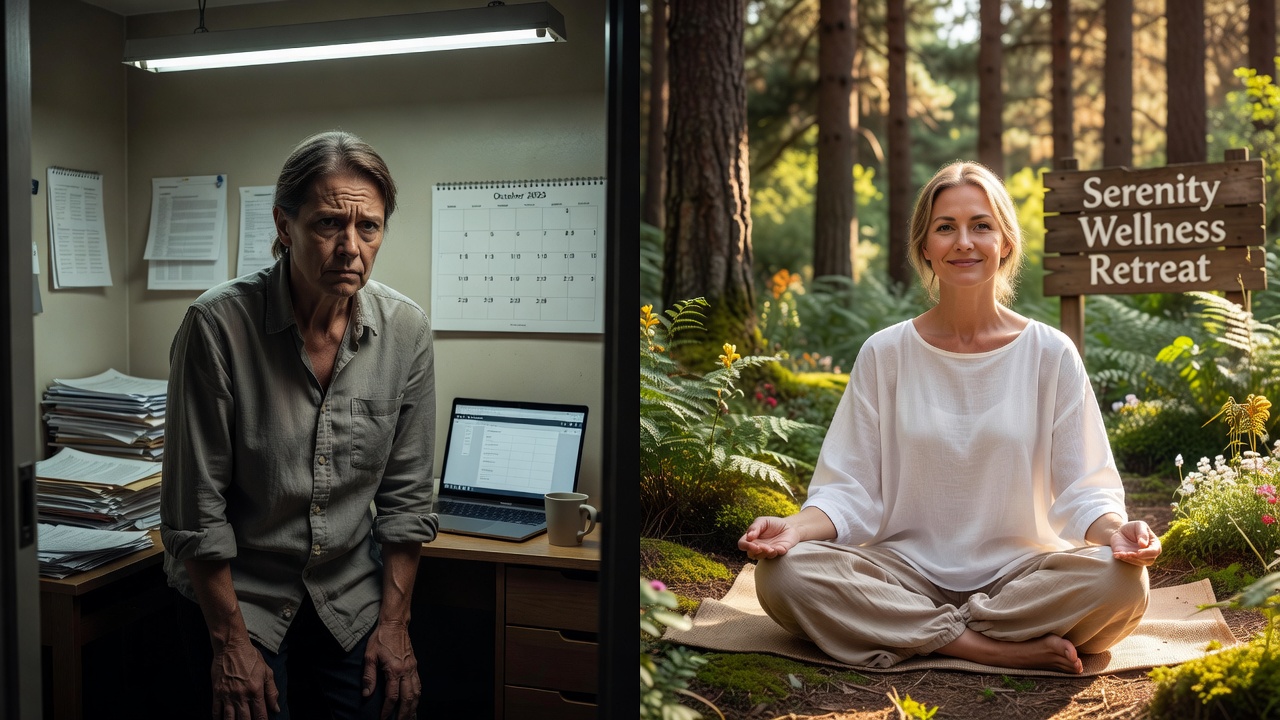
Leading retreats employ validated instruments including the GAD-7, PHQ-9, and Perceived Stress Scale. In 2026 data, multi-day programs lasting seven or more days yield average anxiety reductions of 40-70%. Wearable integration tracks heart rate variability and sleep quality, offering objective markers alongside self-reports. Follow-up assessments at one, three, and six months help measure durability of gains.
Comparisons Across Retreat Formats
Weekend retreats provide accessible entry points with quick stress relief but limited depth for complex issues. Week-long or longer immersive formats deliver superior long-term outcomes, especially when paired with virtual coaching. Yoga-centric programs excel at physical-mental integration, while silent meditation retreats foster introspection but may overwhelm beginners. Hybrid models combining in-person immersion with post-retreat digital support show the highest retention of benefits according to emerging 2026 trends.
Mistakes to Avoid When Choosing a Retreat
Common pitfalls include selecting programs without proper accreditation, ignoring pre-existing health conditions, or skipping integration planning. Always verify facilitator credentials, review cancellation policies, and ensure the program offers trauma-informed options. Overlooking post-retreat support often leads to rapid loss of progress.
Practical Steps for Readers Seeking Similar Experiences
- Identify accredited centers through established wellness networks and read recent participant testimonials.
- Complete detailed pre-arrival questionnaires to enable truly personalized wellness plans.
- Establish a foundational meditation or yoga practice at home two to four weeks before departure.
- Arrange time off work for full immersion and schedule buffer days upon return.
- Consult your healthcare provider regarding any medications or ongoing therapy needs.
- Budget for follow-up virtual sessions to reinforce gains.
- Pack appropriate clothing and a journal for reflection exercises.
Integration Tips for Daily Life
Successful participants maintain progress by embedding micro-habits: five minutes of morning breathwork, weekly nature walks, and monthly check-ins with retreat alumni networks. Many create personalized wellness plans at home using apps that track mood and mindfulness streaks. Consistent journaling about retreat insights helps sustain motivation during challenging periods.
2026 Trends in Personalized Wellness Plans
Current trends emphasize biometric feedback loops and hybrid models that blend retreat experiences with remote coaching. These approaches address accessibility concerns while maximizing sustained impact for diverse populations.
Frequently Asked Questions
Are spiritual retreats accessible for beginners?
Yes. Most programs in 2026 offer modified sessions for all experience levels, with staff trained in trauma-informed care and progressive skill-building.
How quickly can results appear?
Many participants notice reduced anxiety within three days, though optimal outcomes require consistent post-retreat application of learned techniques.
Do retreats replace professional therapy?
They serve as powerful complements rather than replacements. Reputable centers coordinate with licensed professionals when clinical support is indicated.
What trends define 2026 wellness travel?
Personalized wellness plans leveraging real-time biometric data and seamless virtual follow-up are now standard for lasting mental health benefits.
Guidance from the World Health Organization highlights the value of combining movement and mindfulness for broader mental health support. Further evidence-based resources are available via the National Institutes of Health and the American Psychological Association.
Conclusion
These 2026 case studies illustrate how targeted spiritual retreats can produce meaningful, measurable mental health transformations. By prioritizing evidence-based elements, structured assessments, and robust integration strategies, participants achieve lasting reductions in anxiety and enhanced overall wellbeing. Those ready to explore similar paths should begin with thorough research and professional consultation to maximize potential benefits.

No comments yet. Be the first!