 Veda Tour
Introduction to Corporate Wellness Retreats in 2026
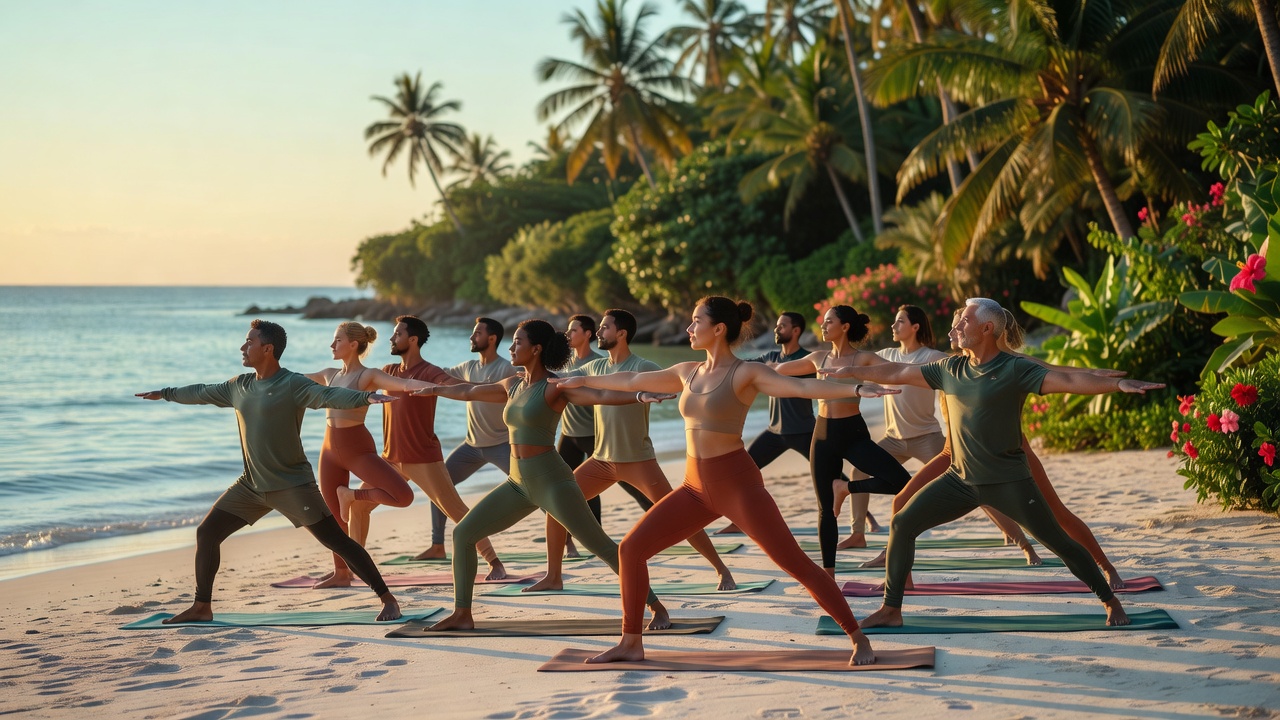
Corporate wellness retreats that combine yoga tourism with elements of spiritual retreats are becoming a strategic priority for organizations aiming to support employee mental health and performance. HR professionals and team leaders are increasingly turning to these immersive group experiences to combat burnout, enhance collaboration, and drive long-term productivity gains. In 2026, the focus has shifted toward programs that blend physical yoga practice with mindfulness and structured workshops, creating environments where teams can reset and reconnect away from daily office pressures.
Yoga tourism for corporate groups emphasizes accessible, inclusive sessions led by certified instructors who understand business dynamics. These retreats often take place in serene destinations that support both relaxation and focused learning, helping participants return with renewed energy and clearer perspectives on their roles.
Key Benefits of Yoga Tourism for Corporate Teams
Participating in yoga-based wellness travel offers multiple advantages beyond basic team building. Regular yoga practice improves flexibility, reduces stress hormones, and enhances concentration, all of which translate directly to workplace performance. Spiritual retreat components such as guided meditation and breathwork further support emotional regulation and resilience.
Companies report stronger interpersonal relationships after shared wellness experiences, leading to better communication and reduced conflict. The immersive nature of these programs also allows for deeper reflection on company values and goals, fostering alignment across departments. Research from global health authorities underscores the role of mindful movement in preventing chronic stress-related conditions.
Selecting Suitable Retreat Venues
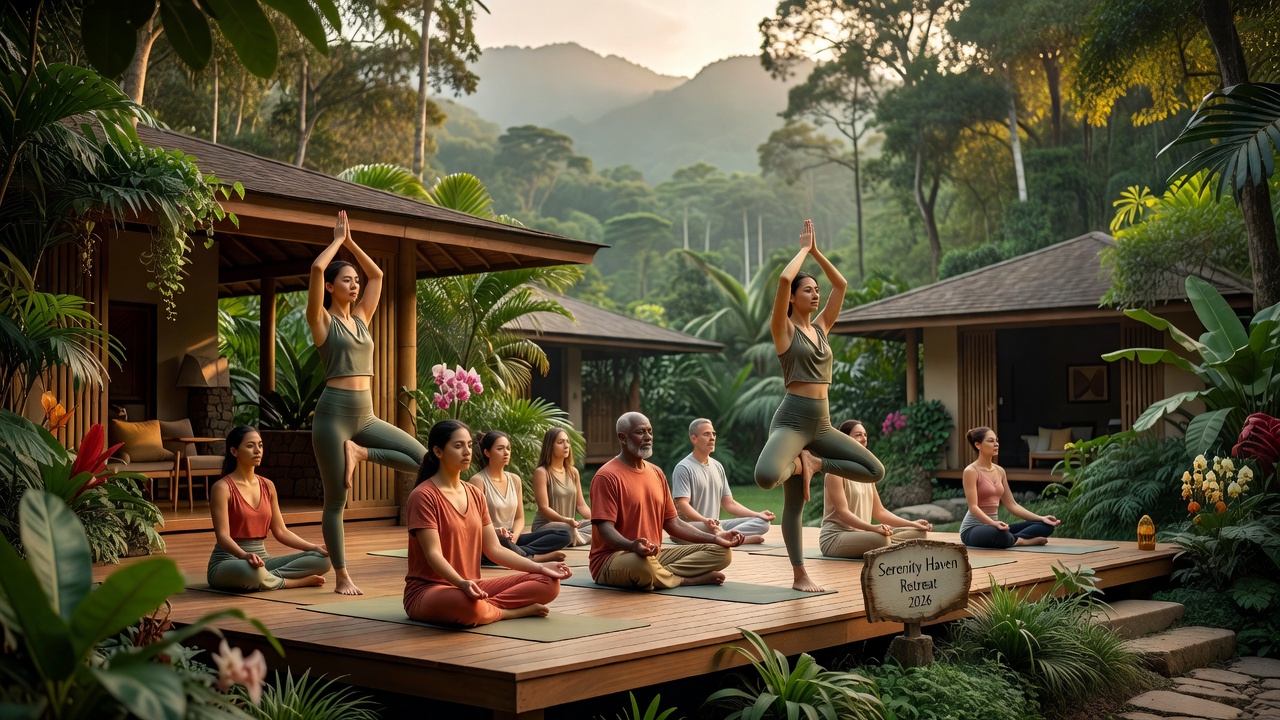
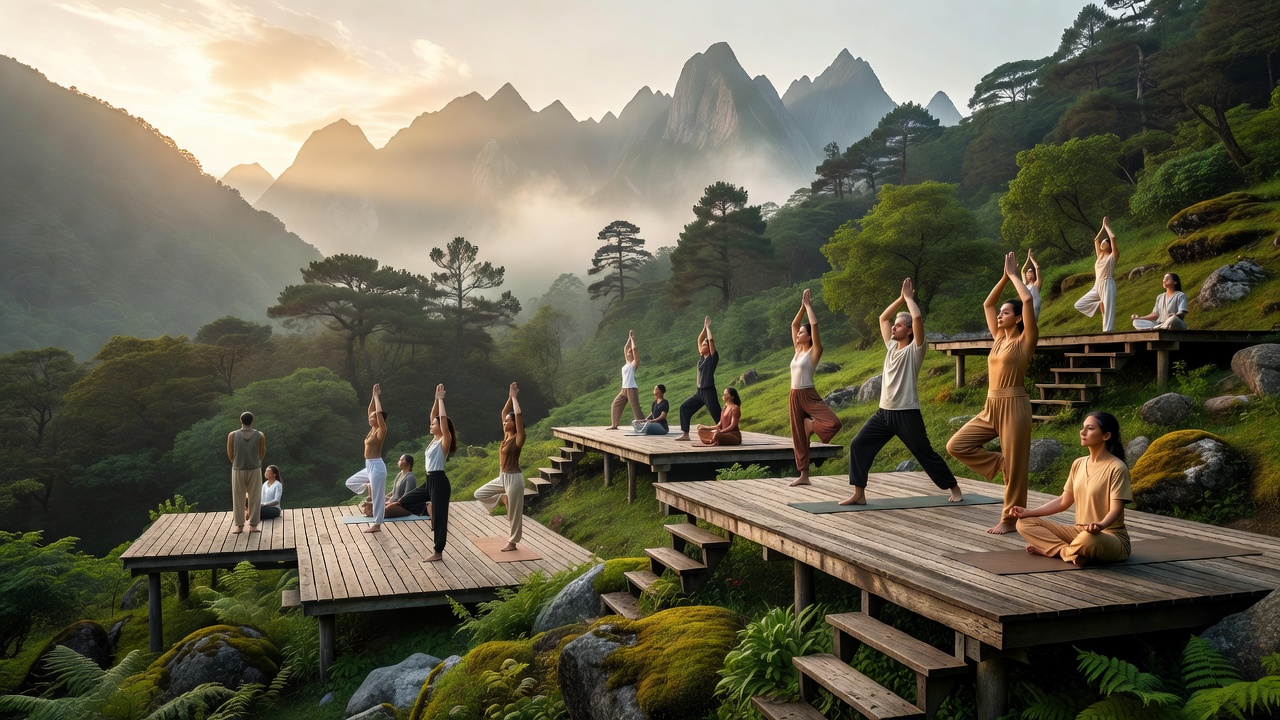
Venue choice significantly influences retreat outcomes. Ideal locations feature dedicated yoga pavilions, quiet natural surroundings, comfortable group accommodations, and flexible meeting spaces. Popular 2026 destinations include regions in Southeast Asia, Central America, and Southern Europe known for established wellness infrastructure and cultural richness that complements spiritual retreat themes.
When evaluating properties, assess accessibility from major airports, capacity for groups of varying sizes, availability of nutritious meal options, and staff expertise in hosting corporate clients. Additional considerations include sustainability practices, on-site wellness amenities like saunas or meditation gardens, and the ability to customize schedules around business objectives. Virtual tours and references from past corporate groups help ensure alignment with expectations.
Integrating Yoga Sessions with Corporate Workshops
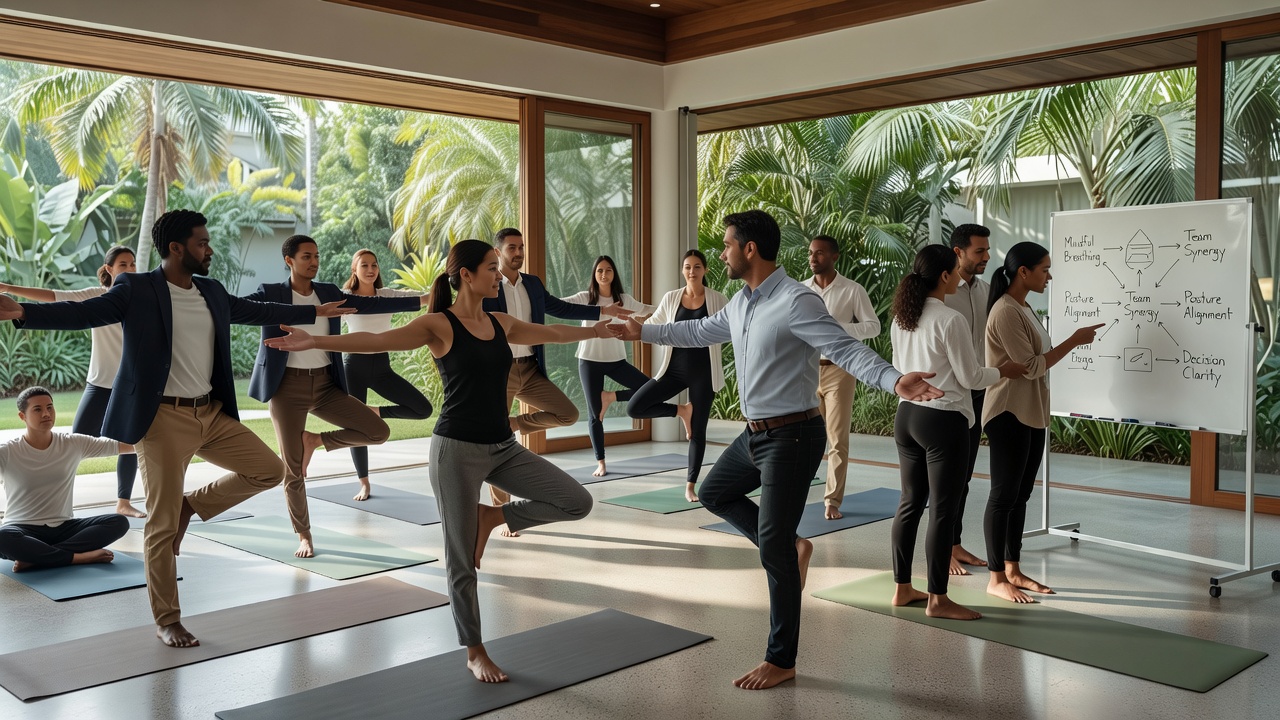
Successful programs create seamless connections between physical yoga and professional development. Morning vinyasa or hatha flows energize participants and improve posture for long workshop days, while afternoon sessions might incorporate gentle yin yoga alongside discussions on leadership or conflict resolution. Evening restorative practices paired with journaling promote integration of insights gained during the day.
Facilitators often theme yoga sequences around corporate concepts, such as using tree pose to symbolize stability in team dynamics or partner stretches to build trust. This thoughtful blending maximizes engagement and ensures participants leave with both physical benefits and actionable strategies for the workplace.
Real-World Case Studies of Successful Team Retreats
A mid-sized software company hosted a seven-day yoga tourism retreat in a coastal setting, incorporating daily mindfulness workshops. Post-event feedback showed sustained improvements in team morale and a noticeable decrease in reported stress over the following quarter. Another example comes from a financial services firm that integrated spiritual retreat elements such as silent reflection periods with strategy planning sessions, resulting in innovative project ideas and stronger cross-functional relationships that persisted after return.
These successes stemmed from thorough pre-planning, including participant surveys to tailor activities, and post-retreat follow-up coaching to maintain momentum. Organizations that invest in measurement tools like anonymous pulse surveys often see clearer connections between the retreat experience and productivity metrics.
Step-by-Step Planning Guide
Effective retreat planning follows a structured process:
- Conduct internal needs assessments through anonymous employee surveys to identify wellness priorities and skill gaps.
- Research destinations and venues with proven corporate wellness experience, requesting detailed proposals and references.
- Collaborate with yoga instructors and facilitators to design sessions that align with company culture and objectives.
- Manage logistics including transportation, dietary accommodations, insurance coverage, and contingency plans for travel disruptions.
- Establish clear communication channels with participants before, during, and after the event.
- Implement evaluation methods such as pre- and post-retreat assessments to quantify impact on well-being and performance.
Sample Itineraries and Packing Lists
A balanced five-day itinerary might begin with arrival and gentle orientation yoga on day one, followed by sunrise sessions, leadership workshops, and restorative evening practices on subsequent days. Day three could feature an off-site mindfulness hike incorporating problem-solving exercises, while day four focuses on advanced breathing techniques and team reflection circles. Departure on day five includes a closing ceremony to solidify commitments.
Longer seven-day versions allow for deeper immersion with added free time for personal practice and optional spa treatments. Packing lists should include moisture-wicking yoga clothing, supportive mats if not provided, reusable water bottles, sun protection, comfortable walking shoes, journals, and any personal medications. Layers for temperature changes and modest attire for cultural sensitivity in certain destinations are also recommended.
Mistakes to Avoid When Organizing Corporate Yoga Retreats
Common pitfalls include underestimating group fitness levels, resulting in overly challenging sessions that exclude participants. Another frequent error is failing to align workshop content with actual business needs, leading to disengaged attendees. Over-scheduling without adequate downtime can undermine the restorative purpose of the retreat. Organizations should also avoid neglecting follow-up support, as gains from the experience may fade without reinforcement back at the office.
FAQ: Addressing Common Concerns
What group sizes are most effective? Retreats typically work best with 10 to 35 participants, allowing for personalized attention while encouraging diverse group interactions and shared learning.
How customizable are these programs? Reputable organizers offer extensive customization, adjusting yoga intensity, workshop topics, dietary menus, and even incorporating company-specific case studies or branding elements.
What about participants with limited yoga experience? Sessions are designed to be inclusive, with modifications offered for all levels and emphasis on breath and mindfulness rather than advanced postures.
How can companies measure return on investment? Tracking absenteeism rates, employee satisfaction scores, and self-reported productivity before and after the retreat provides tangible data on effectiveness.
Conclusion
Corporate wellness retreats built around yoga tourism and spiritual practices represent a forward-looking investment in human capital for 2026. By carefully selecting venues, thoughtfully integrating yoga with professional development, and following comprehensive planning steps, organizations can deliver experiences that reduce burnout while strengthening team cohesion. For further reading on wellness and mindful practices, consult resources from the World Health Organization, Yoga Alliance, and National Institutes of Health.
No comments yet. Be the first!