 Veda Tour
Introduction to Gentle Yoga Tourism for Seniors
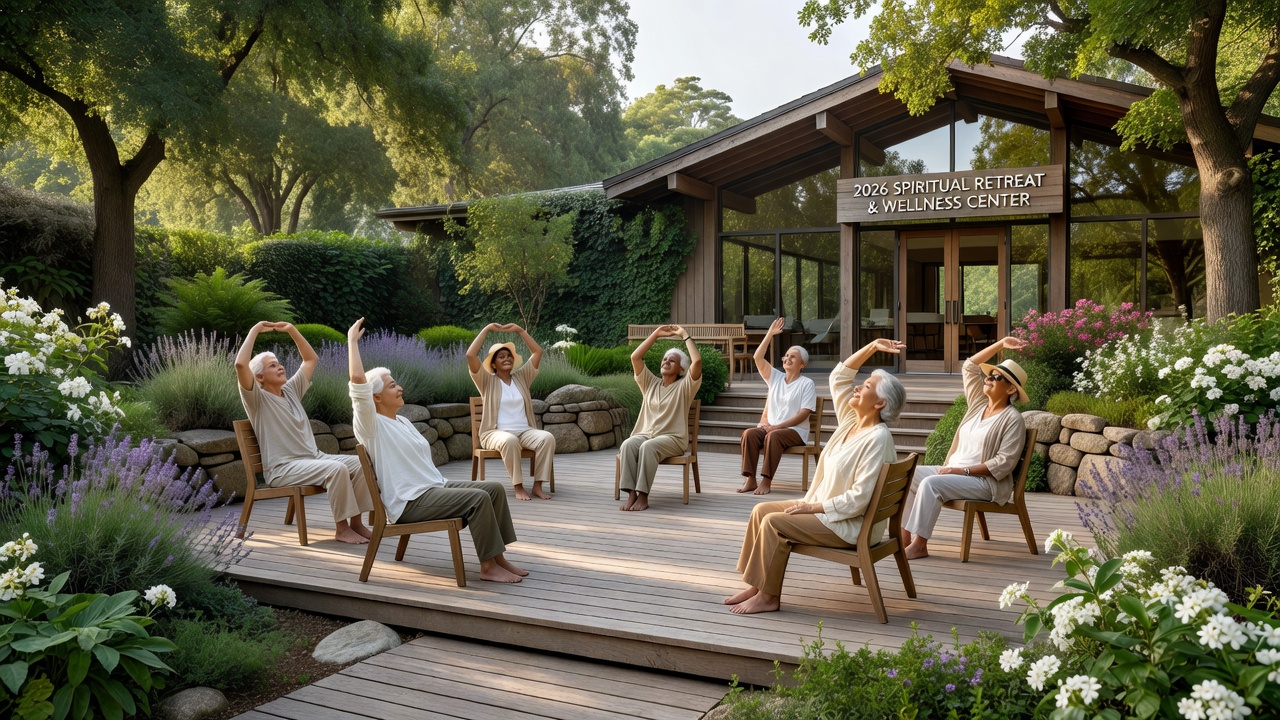
As more seniors seek meaningful ways to enhance their well-being, spiritual retreats centered on gentle yoga have emerged as a popular form of wellness travel. These experiences combine mindfulness, adapted movement, and community in serene settings, supporting improved mobility, reduced stress, and stronger social connections. In 2026, yoga tourism tailored for older adults emphasizes accessibility and personalization to meet diverse physical needs. Unlike high-intensity retreats, these programs prioritize safety and comfort, making them ideal for participants aged 60 and above. Research from authoritative health sources highlights how regular gentle movement can support joint health and mental clarity, encouraging a holistic approach that blends physical activity with spiritual growth.
Many seniors find that these retreats provide a structured yet flexible environment where they can explore meditation and yoga without pressure. The focus remains on enjoyment and gradual progress rather than achievement, allowing participants to return home with renewed energy and practical tools for daily life.
Key Benefits of Spiritual Yoga Retreats for Seniors
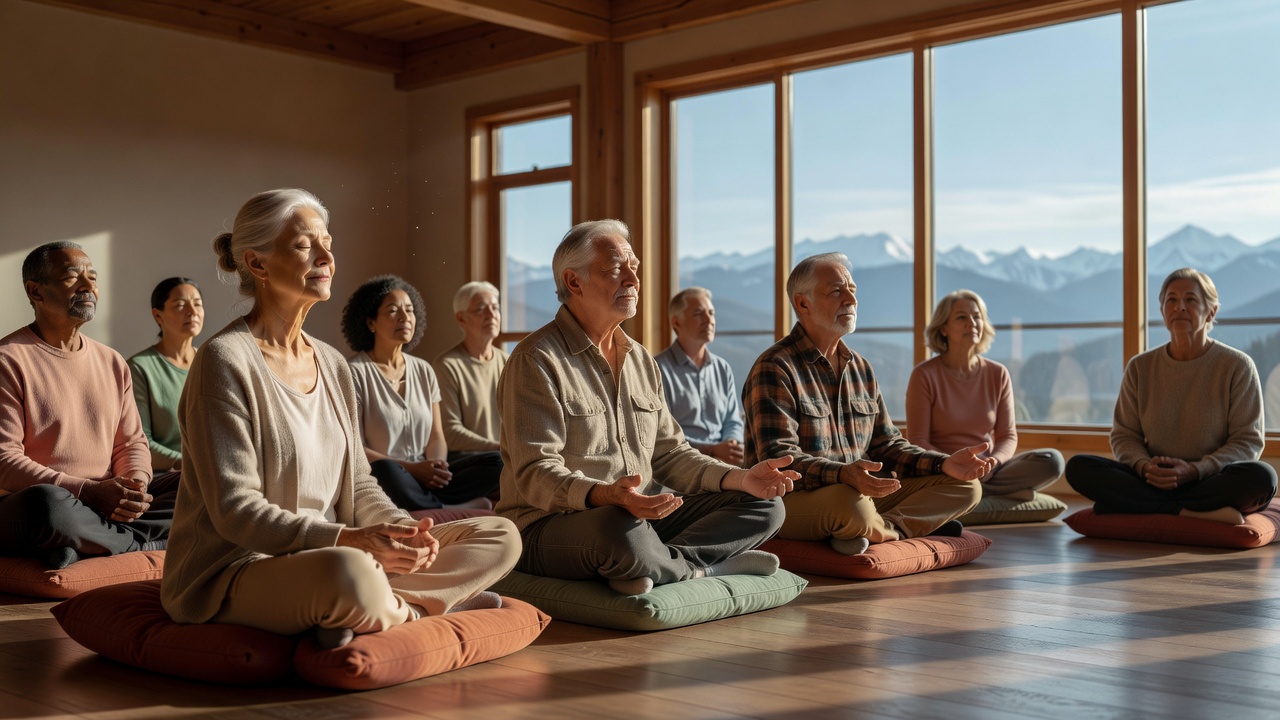
Participants often report enhanced flexibility and balance after just a few days of consistent practice. Breathwork and meditation components help lower anxiety levels while fostering a sense of purpose. Community living during retreats builds lasting friendships that combat isolation common in later life. Studies suggest these programs contribute to better sleep patterns and overall vitality. The spiritual dimension adds depth, encouraging reflection and gratitude practices that enrich daily living long after the trip ends. According to guidance from Mayo Clinic, gentle yoga can improve range of motion and reduce chronic pain in older adults when practiced regularly under proper instruction.
Additional advantages include boosted immune function through stress reduction and opportunities for cultural immersion that stimulate cognitive health. Seniors frequently describe feeling more grounded and connected to their inner selves, which supports emotional resilience. These benefits extend beyond the retreat itself as participants learn techniques they can continue at home.
Selecting Accessible Retreat Locations
Popular destinations include coastal areas in Portugal, mountain retreats in the Himalayas, and wellness centers in Costa Rica. When choosing, prioritize venues with ground-floor accommodations, ramps, and on-site medical support. Look for programs that offer airport transfers and flexible daily schedules. Consider climate preferences—mild weather locations reduce strain on joints. Many retreats now provide virtual tours to help seniors evaluate accessibility before booking. Factors such as proximity to hospitals, availability of vegetarian meal options, and staff trained in geriatric care should also influence the decision.
Researching reviews from previous senior participants offers valuable insights into real-world accessibility. Some locations partner with local transportation services to ensure seamless travel from arrival to departure, minimizing logistical stress for travelers.
Modified Practices: Chair Yoga, Breathwork, and More
Chair yoga allows seated postures that build strength without floor work. Breathwork sessions focus on slow, diaphragmatic breathing to promote relaxation. Instructors trained in senior adaptations guide participants through sequences that respect individual limitations. Many programs incorporate sound healing or gentle walking meditations. These modifications ensure everyone can participate fully regardless of mobility level. Additional options often include restorative yoga with props like bolsters and blankets, as well as mindful stretching routines designed to improve circulation.
Programs may also feature guided visualizations and chanting to deepen the spiritual connection. Each practice is scaled to individual ability, with instructors providing hands-on adjustments only when requested and safe.
Packing Essentials for Comfort and Safety
- Comfortable, loose clothing in layers for temperature changes
- Supportive footwear and any prescribed mobility aids
- Medications in original packaging with copies of prescriptions
- Lightweight yoga mat or blanket for extra cushioning
- Journal and reading materials for personal reflection time
- Reusable water bottle and healthy snacks for between sessions
- Sunscreen, hat, and light jacket for outdoor activities
Thoughtful packing ensures participants remain comfortable throughout the retreat, reducing any potential discomfort from environmental factors.
Practical Steps for Booking and Preparing
Start by researching operators with senior-specific certifications. Contact the retreat directly to discuss health history and request modifications. Book early for 2026 dates as popular spots fill quickly. Arrange travel insurance that covers wellness activities and consult your physician beforehand. Preparation includes light home practice of basic breathwork and reviewing the retreat itinerary for any dietary needs. Create a personalized checklist covering arrival times, emergency contacts, and preferred room preferences. Many operators provide pre-arrival questionnaires that help tailor the experience further.
Confirm cancellation policies and inquire about group sizes to ensure an intimate setting. Virtual consultations with instructors before travel can help build confidence and clarify expectations.
Comparisons of Retreat Formats by Duration and Intensity
Weekend retreats offer quick resets with 3-4 daily sessions of low-intensity yoga. Week-long programs allow deeper immersion with added workshops on nutrition and mindfulness. Extended stays of two weeks provide comprehensive rejuvenation but require greater commitment to group dynamics. Lower-intensity formats suit beginners, while slightly more active options appeal to those with prior yoga experience. Always match duration to personal energy levels. Shorter formats minimize fatigue while still delivering meaningful benefits, whereas longer programs foster stronger community bonds and more profound personal insights.
Intensity levels vary from restorative-focused to lightly active, with most senior retreats maintaining a gentle pace throughout.
Real Examples from Popular Destinations
In Bali, retreats often feature ocean-view pavilions with chair yoga overlooking rice paddies. European options in Spain emphasize cultural integration alongside daily meditation. North American centers in Arizona provide desert tranquility with specialized senior instructors. These examples demonstrate how location influences the spiritual atmosphere while maintaining gentle pacing throughout. Additional popular spots include retreats in Thailand that combine yoga with temple visits and programs in New Zealand that incorporate nature walks for mindfulness practice.
What to Expect Day-to-Day at a Senior Yoga Retreat
A typical day begins with a gentle morning session followed by nutritious meals and free time for reflection. Afternoons may include workshops on topics like stress management or optional spa treatments. Evenings often feature group sharing circles or quiet meditation. Schedules remain flexible to accommodate rest needs.
Common Mistakes to Avoid
Overpacking, ignoring personal limits, or skipping medical consultations can diminish the experience. Always communicate needs clearly and pace yourself rather than comparing progress with others.
Integrating Benefits After Returning Home
Continue short daily breathwork sessions and join local senior yoga classes. Many retreats provide take-home guides for ongoing integration. Establishing a simple home routine helps sustain the mobility and mindfulness gains achieved during the trip.
Conclusion
Spiritual retreats with gentle yoga offer seniors a transformative path to wellness through mindful movement and connection. By selecting accessible locations, embracing modified practices, and preparing thoughtfully, participants can enjoy safe and enriching experiences in 2026 and beyond. These journeys not only improve physical health but also nurture the spirit, creating lasting positive change.
FAQ
Is it safe for seniors with mobility issues?
Yes, when programs are led by certified instructors and include chair-based options. Always share medical details during booking and consult healthcare providers. Guidance from organizations like the National Institute on Aging supports adapted physical activity for older adults.
What medical considerations should be addressed?
Review any heart conditions, joint replacements, or medications with retreat staff. On-site support and insurance are essential safeguards. Additional resources are available through World Health Organization materials on healthy aging.
How can benefits be maintained after returning home?
Continue short daily breathwork sessions and join local senior yoga classes. Many retreats provide take-home guides for ongoing integration. Consistent practice reinforces the physical and emotional gains from the retreat.
No comments yet. Be the first!