 Veda Tour
Introduction to Family Spiritual Retreats and Yoga Tourism
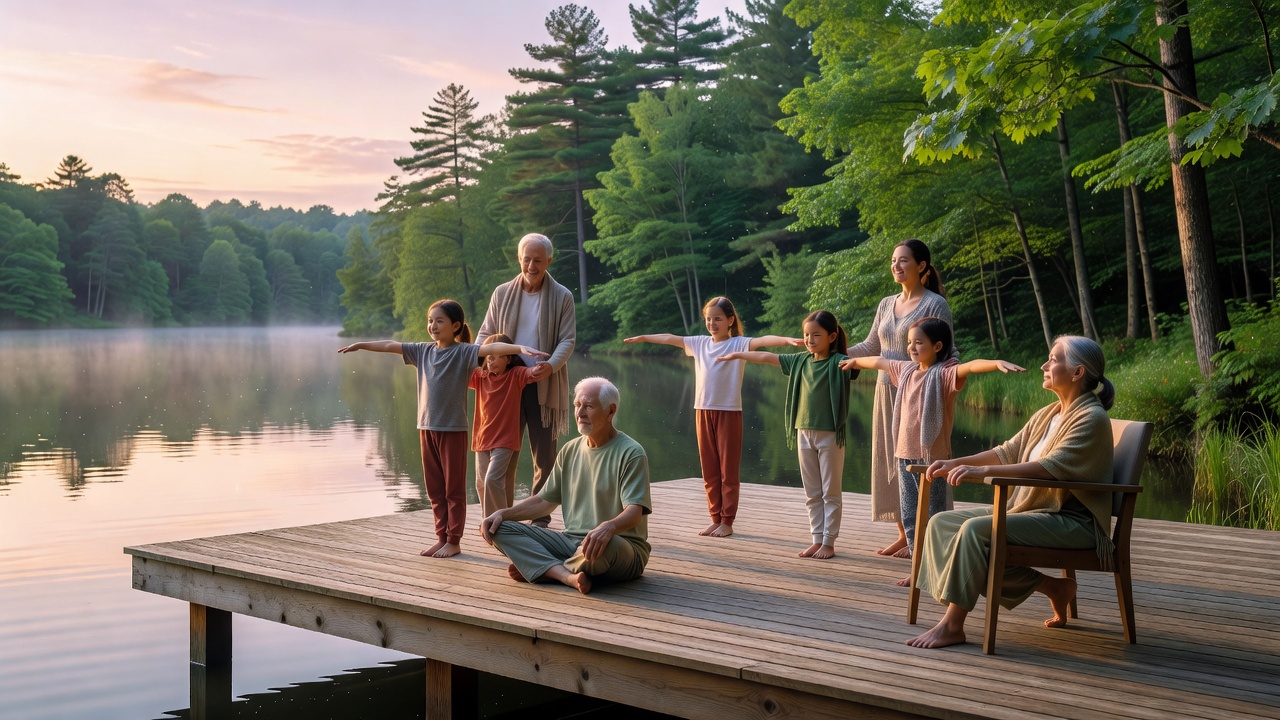
Family spiritual retreats are emerging as a popular choice for multi-generational wellness travel in 2026. These programs combine yoga tourism with meditation and holistic practices tailored to kids, teens, and adults, creating shared experiences that strengthen family bonds while promoting health. Unlike adult-only retreats, these options adapt sessions to different energy levels and attention spans, ensuring everyone from toddlers to grandparents can participate meaningfully. The growing interest in yoga tourism reflects a broader shift toward inclusive wellness travel that accommodates diverse family dynamics and promotes lifelong habits of mindfulness and movement.
Planning such getaways requires understanding search intent around inclusive destinations that prioritize safety, accessibility, and engagement. This guide covers practical aspects including age-specific activities, how to select locations, essential safety measures, real examples, checklists, and answers to common questions. Families seeking these experiences often look for programs that balance structured yoga sessions with flexible downtime, allowing each generation to thrive without feeling overwhelmed.
Benefits of Multi-Generational Yoga and Meditation Practices
Engaging in yoga tourism as a family offers numerous physical and emotional advantages. Shared practice improves flexibility and reduces stress across age groups while fostering communication and empathy. Children develop better body awareness and emotional regulation, teens gain tools for managing academic pressure, and adults experience renewed vitality. Research from leading health organizations highlights how adaptable movement practices support well-being at every life stage, making these retreats a powerful investment in collective family health.
Beyond individual gains, group activities build lasting memories and encourage ongoing home practices. Participants often report stronger intergenerational connections after even a short retreat, with many families continuing modified routines long after returning home.
Age-Appropriate Activities in Multi-Generational Yoga Programs
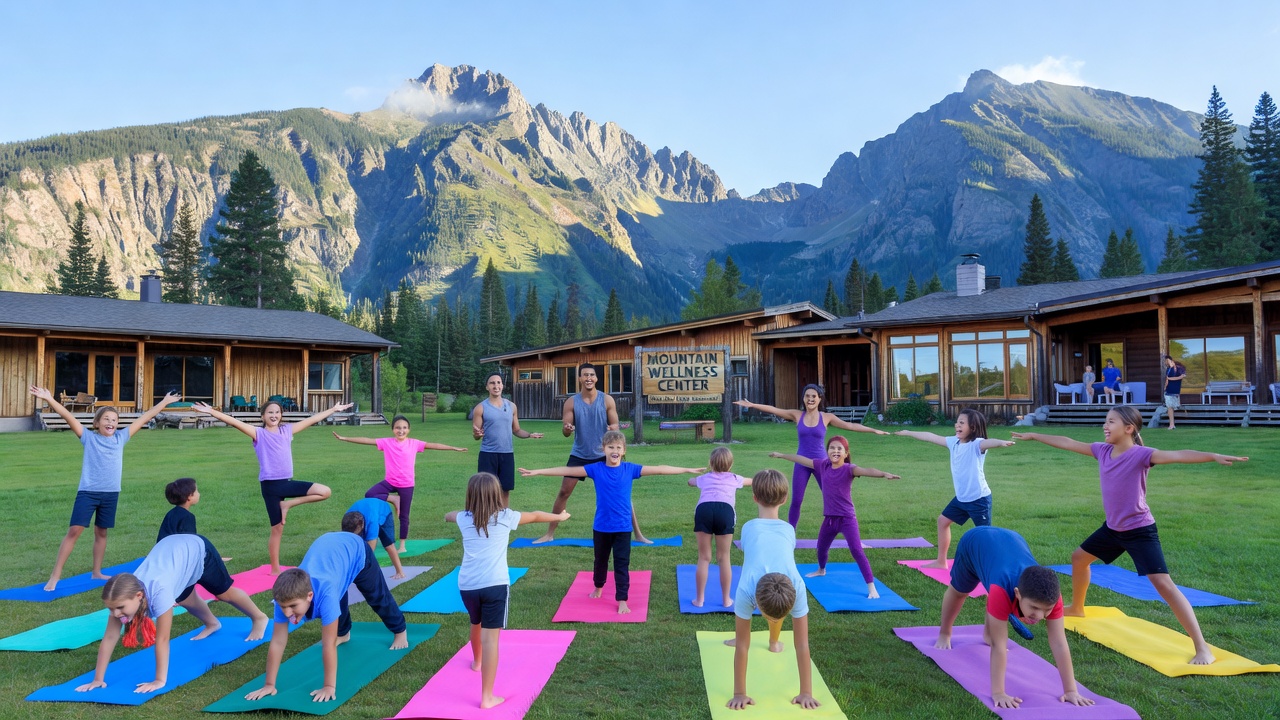
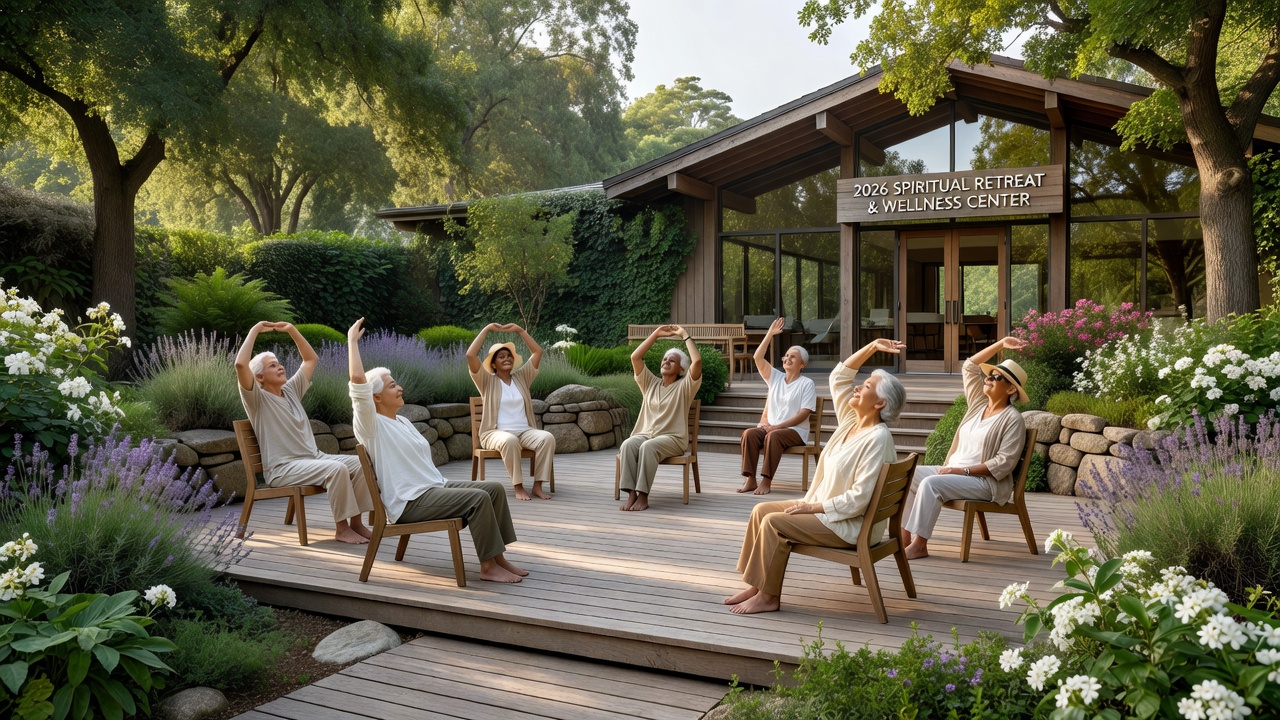
Successful family retreats design yoga sessions that scale by age group. For young children, activities focus on playful movements like animal poses and storytelling through breathwork to build focus without pressure. Sessions might include simple balance challenges or creative visualization exercises that feel like games. Teens often enjoy dynamic vinyasa flows or mindfulness workshops addressing stress from school and social media, sometimes incorporating music or partner work to keep engagement high. Adults and seniors benefit from gentle restorative yoga, chair options, and guided meditations that support joint health and relaxation.
Many programs incorporate family circles where generations practice together, such as partner stretches or group chanting. Nature immersion elements like mindful hikes or beach meditations add variety while keeping everyone active. These adaptations ensure yoga tourism feels accessible rather than intimidating, with instructors trained to modify poses in real time based on participant feedback.
Key Criteria for Selecting Family-Friendly Destinations
Choosing the right location involves evaluating climate, accessibility, and program flexibility. Look for resorts or centers with dedicated family wings, on-site medical support, and varied accommodation options like connecting rooms. Popular regions include tropical areas with mild weather year-round or mountain settings offering cooler temperatures suitable for all ages. Additional factors include proximity to cultural sites for educational excursions and availability of quiet spaces for meditation.
Consider proximity to airports and availability of child-friendly transportation. Programs that offer customizable schedules allow families to balance group activities with individual downtime. Researching operator credentials and reading recent participant reviews helps identify truly inclusive experiences. Families should also assess environmental factors such as altitude suitability for younger children and seniors.
World Health Organization guidelines on physical activity emphasize the benefits of adaptable movement practices for all life stages, supporting the value of these tailored retreats.
Safety Considerations for Group Yoga Travel
Safety is paramount when traveling with multiple generations. Verify that retreat staff include certified instructors experienced with diverse age groups and that facilities meet basic accessibility standards. Health screenings, emergency protocols, and insurance requirements should be clearly outlined before booking. Practical steps include confirming staff-to-participant ratios, especially for children's groups, and ensuring first-aid kits are readily available during outdoor sessions.
Parents should confirm supervision ratios for younger participants and options for medical needs. Hydration, sun protection, and nutrition tailored to dietary restrictions are standard features in quality programs. Always review travel advisories and ensure the destination supports family health requirements. Additional precautions involve pre-trip vaccinations where recommended and clear communication plans for separated activities.
Centers for Disease Control and Prevention provides reliable resources on travel health preparedness that apply directly to wellness journeys. National Institutes of Health also offers evidence-based insights into mind-body practices suitable for families.
Real-World Examples of 2026 Family Yoga Programs
Several established wellness centers have expanded offerings for 2026. Multi-generational packages often feature week-long stays with morning family yoga, afternoon workshops divided by age, and evening reflection sessions. Some include cultural immersion elements such as local cuisine classes or guided nature explorations that appeal across generations. For instance, programs in coastal regions may combine beach yoga for all ages with teen-led meditation circles and senior-focused breathing techniques.
Operators focusing on yoga tourism increasingly partner with educators to deliver age-appropriate mindfulness training. These examples demonstrate how retreats evolve to meet demand for inclusive spiritual experiences that go beyond standard adult programming, often incorporating feedback from previous family participants to refine activities year after year.
Cost Breakdowns and Budget Planning Tips
Family retreats typically structure pricing around per-person rates with discounts for children and shared accommodations. Expect variations based on location luxury level, duration, and included amenities like meals and excursions. Qualitative budgeting involves comparing all-inclusive versus à la carte options while factoring in travel and activity add-ons. Families can optimize value by choosing packages that bundle yoga instruction, lodging, and meals, then supplementing with optional excursions only as needed.
Families often find value in shoulder-season bookings or loyalty programs offered by retreat operators. Transparent pricing models that detail what is covered help avoid surprises and allow better planning for multi-generational groups. Reviewing cancellation terms and payment schedules early supports smoother financial preparation.
Packing Checklists for All Ages
- Comfortable, layered clothing suitable for yoga and daily activities
- Personal yoga mats or props if not provided by the retreat
- Age-appropriate entertainment like books or games for downtime
- Medications, sunscreen, and reusable water bottles
- Light jackets or shawls for evening meditation sessions
- Family documents including health records and emergency contacts
- Reusable bags for laundry and small personal items to maintain organization
- Journaling supplies for reflection exercises across age groups
Creating separate lists for each generation ensures nothing essential is overlooked while keeping luggage manageable for group travel. Reviewing the checklist together as a family before departure promotes shared responsibility.
Mistakes to Avoid When Planning Family Retreats
Common pitfalls include underestimating the need for downtime, selecting locations without verifying age-specific programming, or overlooking dietary accommodations. Another frequent error is neglecting to confirm instructor qualifications for working with children and seniors. Families benefit from starting with shorter trial programs or virtual previews when available to gauge fit before committing to longer trips.
Conclusion
Family spiritual retreats represent a thoughtful evolution in yoga tourism, offering meaningful wellness travel that accommodates every age. By focusing on adaptable activities, careful destination selection, and robust safety measures, families can enjoy transformative experiences together in 2026 and build foundations for ongoing wellness.
FAQ: Common Parental Concerns and Booking Advice
How do retreats handle differing fitness levels?
Most provide multiple class tracks and modifications so participants can engage at their own pace without feeling excluded, with instructors offering real-time adjustments.
What is the minimum age for participation?
Many programs welcome children as young as four with dedicated kids' sessions, while some offer infant care options during adult activities to accommodate very young family members.
How far in advance should families book?
Popular 2026 dates fill quickly, so reserving six to nine months ahead is advisable for preferred locations and room configurations to secure availability.
Are there options for special dietary needs?
Reputable retreats accommodate vegetarian, vegan, gluten-free, and allergy-specific menus with advance notice, often tailoring meals to individual family requirements.
What happens if a family member needs to cancel?
Flexible cancellation policies and travel insurance recommendations help protect against unforeseen changes, with many operators offering partial refunds under specific conditions.
Do programs include educational components for parents?
Yes, many offer parent workshops on integrating mindfulness at home and supporting children's emotional development through yoga techniques.
No comments yet. Be the first!