 Veda Tour
Introduction to Micro Spiritual Retreats in 2026
Busy professionals increasingly seek efficient ways to recharge through yoga tourism without extended time away from work. Micro spiritual retreats, lasting just 3 to 7 days, deliver focused wellness benefits tailored for hectic lifestyles. These short programs emphasize meditation and gentle yoga practices that fit seamlessly into demanding calendars. In 2026, the trend toward micro retreats continues to grow as more individuals recognize the value of brief, high-impact wellness experiences over lengthy vacations that disrupt careers and family obligations.
Search intent for quick yoga tourism centers on balancing mental clarity and physical renewal with minimal disruption. Participants report improved focus and reduced stress after brief immersive experiences, making them ideal for 2026 wellness trends. The appeal lies in their accessibility, allowing participants to return to daily responsibilities feeling refreshed rather than overwhelmed by extended absences. As remote work and hybrid schedules become standard, these retreats offer a structured pause that aligns perfectly with modern professional demands.
Why Micro Spiritual Retreats Are Rising in Popularity
The shift toward shorter retreats stems from evolving work cultures where burnout is common and vacation time is limited. Professionals often struggle to justify weeks-long absences, yet they crave the restorative effects of yoga and meditation. Micro retreats address this by condensing essential practices into manageable timeframes, providing measurable benefits such as better sleep patterns, enhanced emotional resilience, and increased productivity upon return. Research from health authorities supports that even short periods of mindfulness can lead to lasting neurological changes when practiced consistently.
Additionally, the rise of wellness tourism has made these options more available in both urban centers and nearby natural settings. This accessibility reduces barriers like travel fatigue and high costs associated with distant destinations, encouraging repeat participation throughout the year.
Selecting Focused Programs for Meditation and Gentle Yoga
Choose retreats that prioritize core elements like daily guided meditation sessions and accessible yoga flows. Look for curricula designed for beginners and intermediates, avoiding intensive physical demands that require weeks of preparation. Programs incorporating mindfulness techniques alongside light asana sequences provide the most targeted outcomes for time-constrained individuals. Instructors should hold recognized certifications, and the schedule must include ample rest periods to prevent exhaustion.
Key criteria include certified instructors, small group sizes, and integration of nature elements even in urban settings. Verify that sessions align with evidence-based wellness approaches promoted by organizations such as the World Health Organization. Consider retreats that offer pre-arrival consultations to customize the experience based on personal stress triggers or physical limitations. This personalization ensures participants gain maximum value from their limited time.
Real-World Examples of Urban and Nearby Micro-Retreat Options
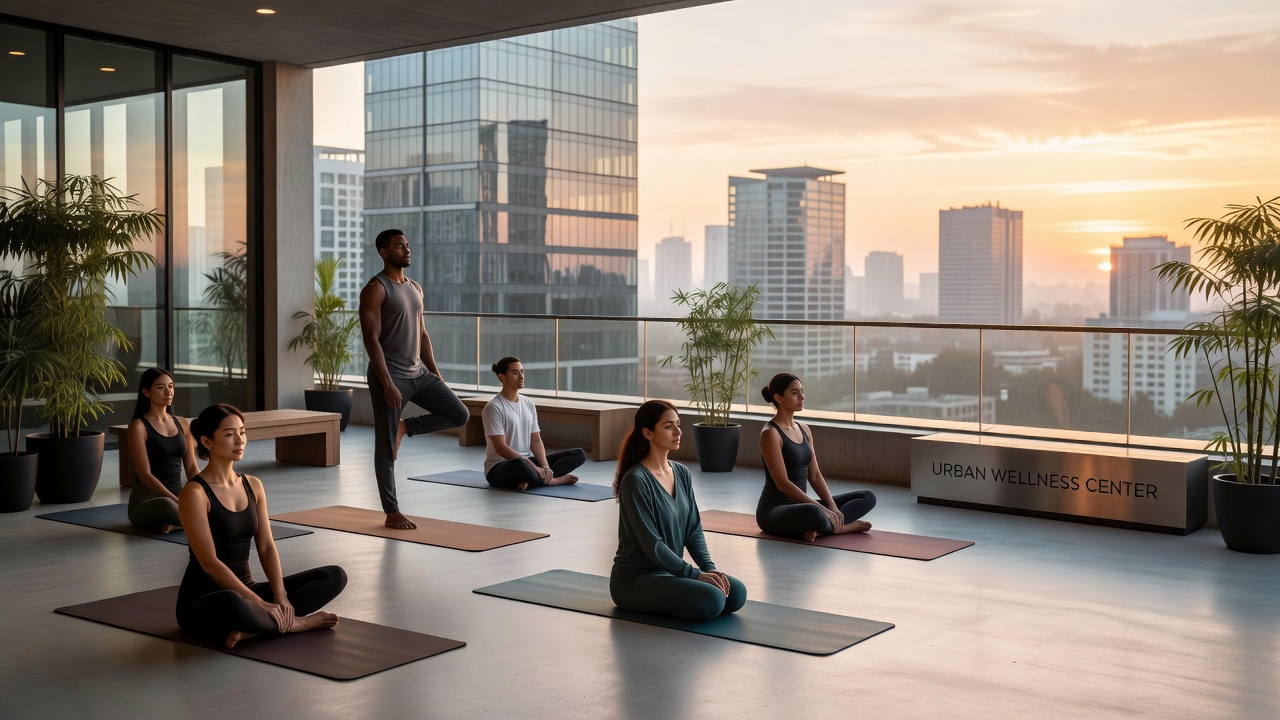
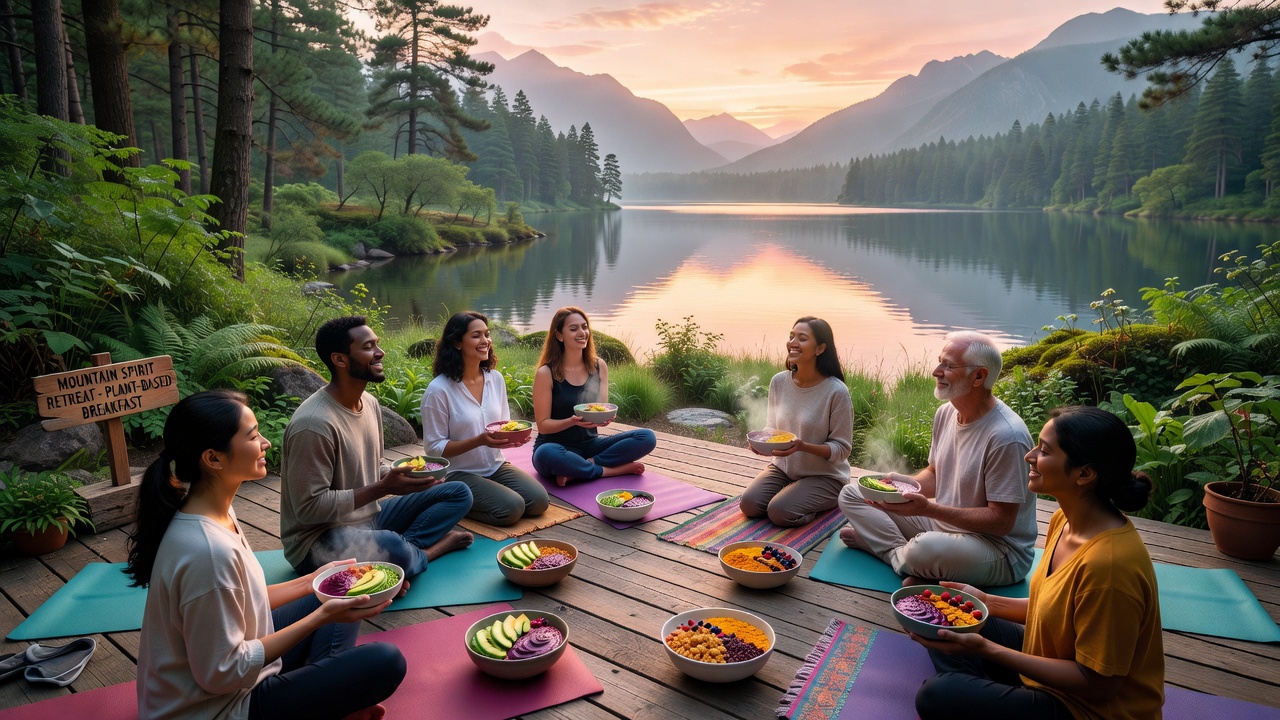
Many cities now host micro-retreats in accessible locations. For instance, weekend programs in metropolitan wellness centers offer morning meditation followed by evening gentle yoga, allowing participants to return to work midweek. Rural options within a short drive provide similar structures with added natural surroundings for deeper relaxation. Boutique hotels in coastal or mountain areas frequently partner with local studios to create 5-day packages that include silent walks and restorative workshops.
Examples include dedicated urban sanctuaries offering 3-day intensive breathwork modules combined with evening yoga nidra. These setups demonstrate how proximity reduces travel time while maintaining high-impact results. Participants often share testimonials about renewed energy levels that persist for weeks afterward, highlighting the practicality of these nearby escapes over far-flung adventures.
Step-by-Step Planning Tips for Efficient Integration
Effective planning transforms a micro retreat from a vague idea into a seamless part of your schedule. Start by auditing your calendar for recurring low-pressure periods, such as mid-month lulls or post-project windows. Next, research venues through trusted wellness directories and read recent participant reviews to gauge program quality and instructor expertise.
- Identify your available window: Block 3 to 5 consecutive days on your calendar well in advance, ideally aligning with lighter work periods to minimize catch-up stress.
- Research locations: Prioritize venues within 2 hours of home or work to minimize commute stress, and check for transportation options like shuttles or public transit.
- Review program details: Confirm emphasis on meditation and gentle practices over advanced physical yoga, ensuring the daily rhythm includes breaks for reflection and meals.
- Prepare essentials: Pack comfortable attire, a journal for insights, and set digital boundaries before arrival by notifying colleagues of your limited availability.
- Follow up post-retreat: Schedule short daily practices to sustain benefits upon return, such as 10-minute morning meditations or weekly yoga sessions at a local studio.
This structured approach ensures seamless incorporation into professional routines and maximizes long-term adherence to wellness habits.
Comparing Outcomes of Micro Retreats Versus Extended Stays
Short retreats deliver comparable stress reduction and mindfulness gains to longer programs when the focus remains consistent. Participants often experience quicker reintegration into daily life, avoiding the post-vacation adjustment period associated with multi-week absences. While extended stays allow deeper immersion, micro options excel in accessibility and frequency, enabling multiple sessions per year without career setbacks.
Studies from health authorities like the Mayo Clinic support that regular short wellness interventions yield sustainable improvements in overall well-being. In contrast, extended retreats may provide profound breakthroughs but often require significant recovery time afterward. Micro formats also encourage ongoing engagement, as the lower commitment level makes them easier to repeat seasonally.
Potential Challenges and How to Overcome Them
Common obstacles include finding time off, managing expectations, and maintaining momentum after the retreat ends. To overcome scheduling conflicts, negotiate flexible arrangements with employers by highlighting productivity gains from wellness breaks. Setting realistic goals beforehand prevents disappointment, focusing instead on incremental progress in mindfulness skills.
Post-retreat integration can be supported by joining online communities or local yoga groups that reinforce the practices learned. Addressing these challenges proactively turns potential barriers into opportunities for sustained growth.
FAQ: Addressing Common Concerns
How effective are micro retreats for lasting change?
They provide immediate tools for stress management and can build lasting habits when combined with at-home practice, often leading to noticeable improvements in focus within the first month.
What about costs?
Options vary widely; focus on value through program quality rather than specific figures, comparing inclusions like meals and materials to determine overall suitability.
Can beginners participate?
Yes, most programs tailor sessions for all levels with gentle modifications and introductory guidance to ensure comfort and safety.
Are these retreats suitable for solo travelers?
Absolutely, many attract individuals seeking personal renewal, with group activities designed to foster connection without pressure.
Conclusion
Micro spiritual retreats represent a practical evolution in yoga tourism for 2026. By selecting targeted programs and following strategic planning, busy wellness seekers achieve meaningful renewal efficiently. Embrace these opportunities to maintain balance amid professional demands and cultivate a healthier, more centered approach to life.
No comments yet. Be the first!