 Veda Tour
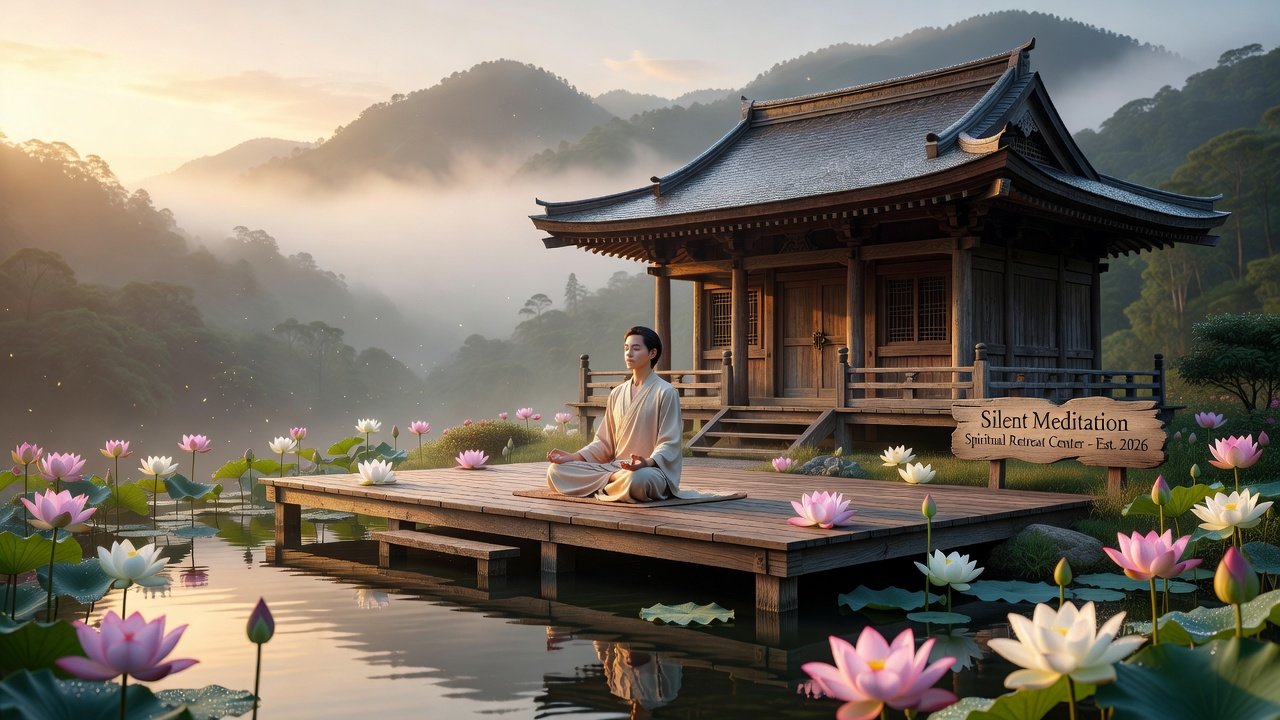
Introduction to Silent Meditation Spiritual Retreats
In 2026, wellness travelers are increasingly turning to silent meditation spiritual retreats as a powerful path to mental clarity and emotional healing. Unlike active yoga practices that emphasize movement and breathwork, these retreats focus on profound stillness to foster deep introspection. Participants often report reduced anxiety, improved focus, and lasting emotional balance after just one week of silence. The appeal lies in escaping the constant noise of modern life. Research from the World Health Organization highlights how mindfulness practices support overall mental health, making these retreats a key part of yoga tourism and holistic wellness journeys. As digital distractions grow, more people seek environments where external input ceases entirely, allowing the nervous system to recalibrate naturally.
Benefits of Silence for Mental Clarity and Emotional Healing
Silence allows the mind to process emotions without external distractions. Studies show it can lower cortisol levels and enhance neuroplasticity. In contrast to guided yoga sessions filled with cues and poses, silent retreats promote passive awareness, leading to breakthroughs in self-understanding. Many guests describe feeling "reset" after periods of quiet, with improved relationships and creativity upon returning home. This contrasts with active yoga, which builds physical strength but may not address deeper emotional layers as directly. Over multiple days, participants often experience heightened sensory perception, better sleep patterns, and a sense of emotional release as suppressed feelings surface in the quiet. Long-term benefits include greater resilience to stress and a sustained practice of mindfulness that carries into daily routines back home.
Preparation Tips for Your First Silent Retreat
Before attending, set clear intentions through journaling. Reduce screen time in the weeks prior to ease the transition. Consult a physician if you have any health concerns, as extended silence can surface intense emotions. Choose retreats aligned with your experience level—beginners should opt for shorter programs. Research the facility's philosophy to ensure it matches your goals for inner peace. Additional steps include practicing short periods of silence at home, arranging time off work without digital check-ins, and informing loved ones of your unavailability. Pack light to avoid decision fatigue, and review the retreat's code of conduct thoroughly in advance.
- Journal your intentions and expectations two weeks before arrival.
- Practice 10-15 minutes of daily silent sitting meditation to build tolerance.
- Arrange logistics like travel and post-retreat recovery time.
- Consult healthcare providers about any medications or conditions.
Typical Daily Schedules at Silent Retreats
A standard day often begins at 5:30 AM with gentle movement or sitting meditation, followed by mindful meals in complete silence. Afternoons include walking meditation or personal reflection time, ending with evening talks or group sits. 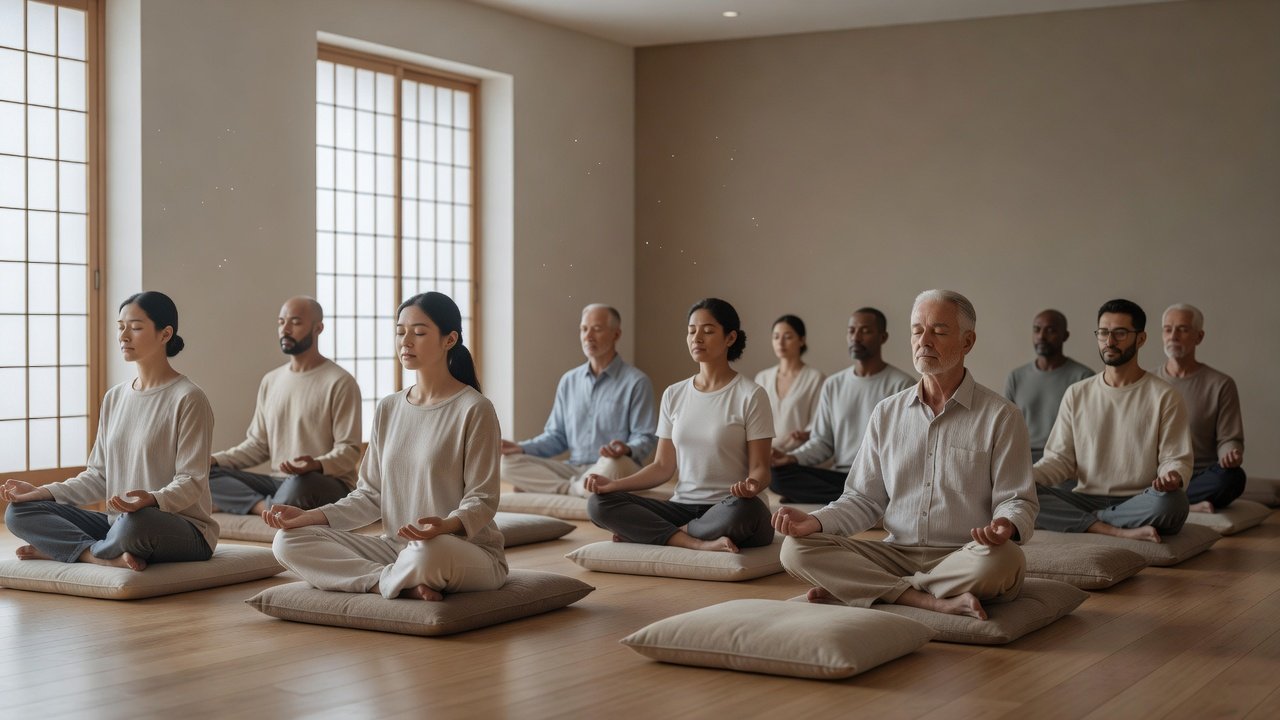
Evenings typically wrap up by 9 PM to prioritize rest. Schedules vary but emphasize consistency to build meditative momentum over days or weeks. Some centers incorporate yoga nidra or mindful eating sessions, while others focus purely on seated practice. Variations exist between Theravada-style vipassana and Zen-inspired formats, with the former often featuring more structured walking periods.
Etiquette Rules and Guidelines
Core rules include no talking, no eye contact, and maintaining silence during all activities. Phones are surrendered upon arrival. Respect shared spaces by moving quietly and avoiding disruptive sounds. These guidelines create a sacred container for transformation. Violations can disrupt the group energy, so full commitment is essential. Common scenarios involve handling unexpected emotions without verbal sharing; instead, participants are encouraged to observe sensations mindfully. Staff are available for emergencies but maintain the silence boundary otherwise.
Top 2026 Destinations for Silent Meditation Retreats
Popular spots include centers in Bali, India, and Costa Rica, known for immersive environments. European options like those in Spain offer serene mountain settings. Always verify current programs as offerings evolve yearly. In Asia, traditional monasteries provide authentic settings rooted in ancient lineages, while Latin American retreats blend silence with nature immersion for emotional healing. Wellness travelers often combine these with nearby yoga tourism experiences for a balanced itinerary.
Silent vs. Guided Retreat Formats: A Comparison
- Silent Formats: Emphasize self-directed practice; ideal for deep healing but challenging for beginners.
- Guided Formats: Include teacher instructions and discussions; better for learning techniques but less introspective.
Many travelers combine both for balanced growth. Silent experiences often yield more profound post-retreat integration results. The choice depends on whether one seeks skill-building or pure immersion in stillness.
Practical Packing Lists for Silent Retreats
Essential items include comfortable loose clothing, a meditation cushion if not provided, journals for pre- and post-retreat notes, and basic toiletries. Leave behind electronics, books, and jewelry to minimize distractions. Layer clothing for varying temperatures and include a reusable water bottle for hydration during long sits. Consider earplugs for shared dorms, a shawl for cooler meditation halls, and any personal hygiene items that support comfort without drawing attention.
How to Choose the Right Silent Retreat in 2026
Evaluate factors like teacher credentials, group size, location accessibility, and program length. Read recent participant reviews focusing on emotional support systems. Verify if the retreat offers pre-arrival calls or orientation materials. Align the setting with your goals—mountain solitude for introspection or coastal serenity for emotional release.
Common Mistakes to Avoid
Overpacking, underestimating emotional intensity, and expecting immediate enlightenment are frequent pitfalls. Rushing re-entry into normal life without integration time can diminish benefits. Always follow the silence commitment fully rather than testing boundaries.
Real Participant Stories and Transformative Outcomes
One traveler shared how a 10-day silent retreat in 2025 helped resolve long-standing grief, leading to renewed purpose. Another noted enhanced emotional resilience after integrating daily silence practices at home. These stories underscore the retreats' potential for lasting change. A third participant described improved focus at work and deeper family connections months later, attributing it to the clarity gained in silence.
Post-Retreat Integration Steps
After returning, maintain a short daily meditation practice and gradually reintroduce technology. Journal insights from the retreat and schedule follow-up reflection periods. Many find joining local meditation groups helpful for sustaining momentum. Avoid immediate high-stress environments to protect the inner peace cultivated.
FAQ: Common Concerns About Silent Retreats
How long do retreats typically last?
Programs range from 3 to 10 days, with longer options for experienced practitioners seeking deeper work.
Can I speak at all?
Strict silence is maintained except in emergencies or during designated teacher check-ins.
What about post-retreat integration?
Gradual re-entry with continued meditation helps sustain benefits. Many recommend journaling and short daily silences.
Is it suitable for complete beginners?
Yes, but starting with shorter durations builds confidence before longer commitments.
Are there medical contraindications?
Those with severe mental health conditions should consult professionals beforehand, as silence can intensify emotions.
Conclusion
Silent meditation spiritual retreats offer unparalleled opportunities for inner peace in 2026. By embracing stillness, wellness travelers can achieve clarity beyond what active yoga provides. Start planning your journey today for profound personal growth.
No comments yet. Be the first!