 Veda Tour
Introduction to Surf Yoga Retreats
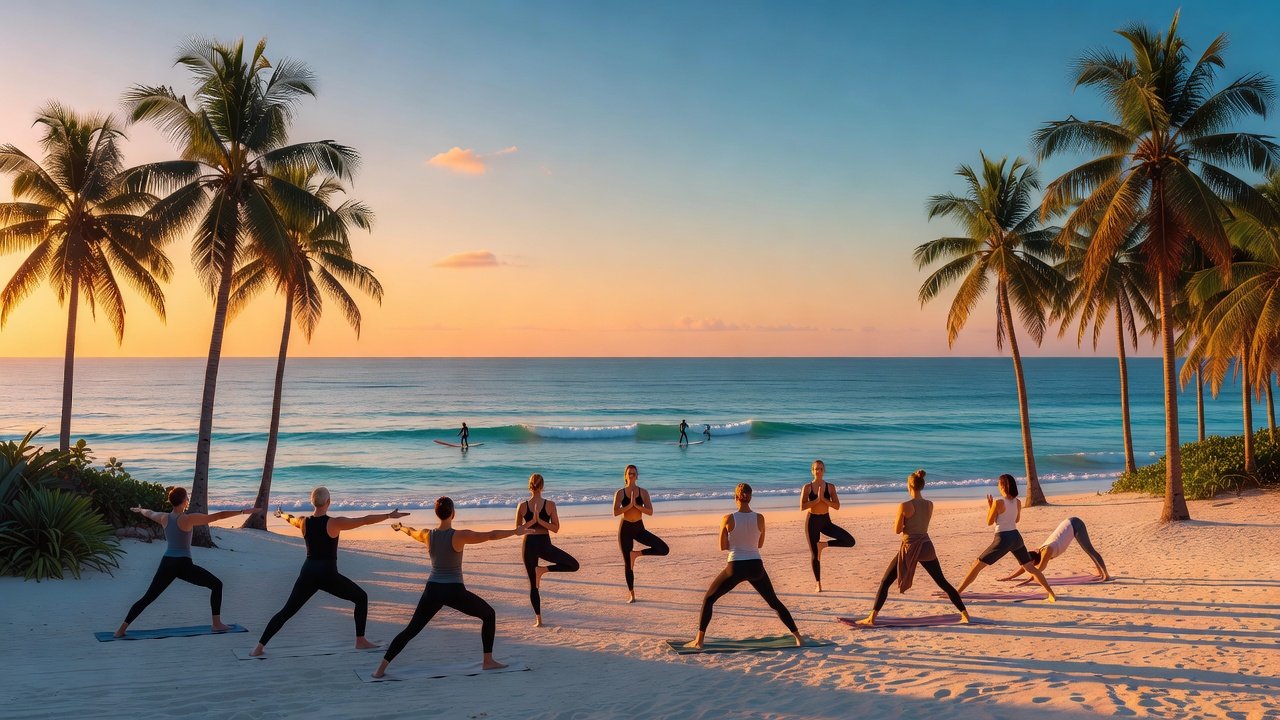
Surf yoga retreats represent a powerful fusion of ocean adventure and mindful movement, creating immersive wellness travel experiences that nourish both body and spirit. In 2026, these programs attract adventure-seeking travelers who want more than traditional land-based yoga. By pairing surfing's dynamic energy with yoga's grounding poses, participants build strength, improve balance, and cultivate mental clarity through wave-based practices that challenge and restore simultaneously.
This comprehensive guide examines the physical and mental benefits, ideal coastal destinations, session structures for all levels, preparation strategies, gear essentials, safety measures, comparisons to standard retreats, real 2026 examples, sustainability practices, and answers to common questions about accessibility. Whether you are new to surfing or an experienced yogi seeking fresh challenges, understanding these elements helps you choose a transformative journey that aligns with your wellness goals.
Physical and Mental Benefits of Combining Surfing and Yoga
Surfing engages core muscles, enhances cardiovascular fitness, and improves proprioception through constant wave adjustments. Yoga complements these effects with poses that increase flexibility, reduce injury risk, and promote recovery. Together they create a holistic practice that boosts endorphins while lowering stress hormones, leading to greater resilience both in and out of the water.
Mental wellness gains include heightened focus from riding waves and deeper meditation from post-surf savasana sessions. Research from the World Health Organization highlights how combined physical activities support overall mental health. Many participants report improved sleep, reduced anxiety, and a stronger mind-body connection after just one week. The unpredictable nature of waves teaches adaptability, while yoga sequences foster patience and presence, resulting in lasting emotional balance that extends beyond the retreat.
Ideal Coastal Destinations for Yoga Tourism
Top locations feature consistent swells, warm water, and serene beach settings. Popular choices include Costa Rica's Nicoya Peninsula, Bali's Canggu area, Portugal's Algarve coast, and Hawaii's North Shore. Each offers year-round conditions suitable for mixed skill levels, with additional perks like local cuisine, cultural immersion, and supportive communities.
These spots often integrate local culture, such as sunrise ceremonies or sustainable surf schools, enhancing the spiritual dimension of the retreat. For example, retreats in Costa Rica emphasize biodiversity education, while Portuguese programs may include wine tastings paired with restorative flows to celebrate regional traditions.
Session Structures for Various Skill Levels
Beginner programs start with beach yoga warm-ups followed by gentle wave introduction and restorative evening flows. Intermediate schedules incorporate longer surf sessions with advanced poses like warrior variations on the sand. Advanced retreats add dawn paddles, high-intensity vinyasa, and breathwork focused on ocean rhythms.
Typical daily rhythm includes morning yoga, surf block, nutritious lunch, afternoon workshop, and sunset meditation. This balanced structure prevents burnout while maximizing progress. A sample beginner day might feature 60 minutes of sun salutations, 90 minutes of coached surfing, followed by an evening yin class. Intermediate groups often add 45-minute breathwork sessions and video analysis of wave technique, while advanced participants explore night paddling under the stars for deeper spiritual connection.
Preparation Tips Before Your Retreat
Build basic fitness with swimming and core exercises two months prior. Practice foundational yoga poses like downward dog and plank at home. Research local tides and weather patterns for your chosen destination. Pack light layers and confirm any required vaccinations through official travel advisories from sources such as the Centers for Disease Control and Prevention.
Additional steps include journaling intentions for the trip, testing any new gear in advance, and arranging travel insurance that covers water sports. Those with prior injuries should consult a physician and inform instructors early. Creating a pre-retreat checklist helps ensure smooth arrival and full engagement from day one.
Gear Recommendations
Essential items include a stable surfboard suited to your height, rash guard for sun protection, quick-dry yoga mat, and reef-safe sunscreen. Many retreats provide boards, but bringing personal gear ensures comfort. Consider travel-friendly yoga straps and blocks for beach sessions, along with a dry bag for valuables and a lightweight wetsuit for cooler waters.
Investing in quality, eco-friendly equipment supports both performance and sustainability. Beginners benefit from soft-top boards for safety, while intermediates may prefer performance shapes. Always check airline policies for oversized items before departure.
Safety Protocols
Always follow instructor guidance on rip currents and marine life awareness. Hydration, gradual progression, and buddy systems are mandatory. Reputable retreats maintain certified lifeguards and first-aid trained staff. Emergency procedures typically include designated meeting points, radio communication, and quick evacuation plans for severe weather.
Participants should learn basic surf etiquette, such as priority rules in the lineup, and practice self-rescue techniques like turtle rolls. Pre-retreat briefings cover local hazards, and daily check-ins monitor physical readiness. These layered protocols create a secure environment that allows full immersion in the experience.
Comparisons to Land-Only Retreats
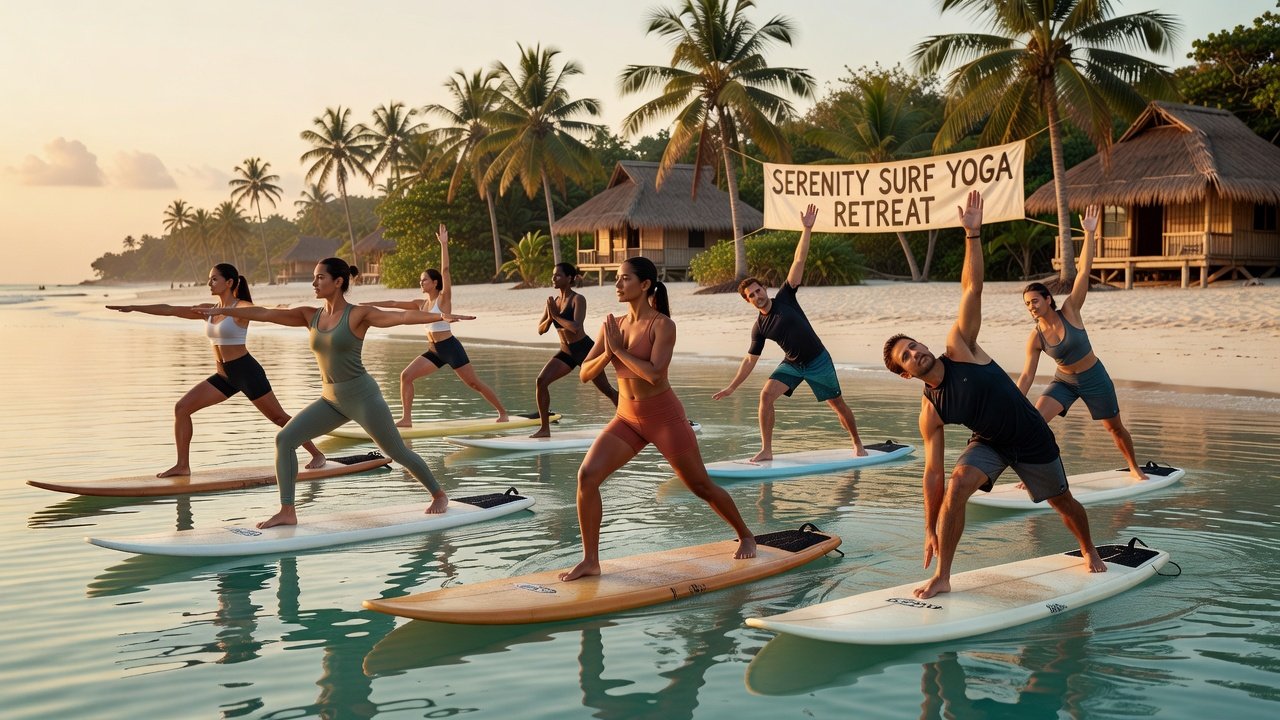
Unlike static studio settings, surf yoga adds an unpredictable natural element that accelerates personal growth. Land-only options excel in controlled environments but lack the adrenaline and humility that waves provide. Participants often find surf retreats more transformative for building resilience.
- Land retreats offer consistent conditions ideal for refining alignment.
- Surf programs introduce variables that enhance focus and adaptability.
- Both formats support community, yet ocean settings foster unique bonds through shared challenges.
- Recovery differs: surf yoga emphasizes active rest with gentle flows after intense paddling.
Choosing between them depends on whether you seek novelty or deeper specialization in one discipline.
Real-World Examples from 2026 Retreats
Programs in Costa Rica this year emphasize eco-lodges with daily surf-yoga combos, while Portuguese retreats focus on community service alongside ocean practice. Hawaiian operators often incorporate traditional Hawaiian healing chants before surf sessions, creating culturally rich experiences. These examples demonstrate how operators adapt to traveler demand for meaningful, active wellness journeys that blend adventure with introspection.
Sustainability Considerations
Choose operators that support ocean conservation, use biodegradable products, and partner with local communities. Reducing plastic use and offsetting travel emissions align with the spiritual ethos of these retreats. Organizations like the Surfrider Foundation provide resources for responsible coastal travel. Many 2026 retreats now include beach cleanups and workshops on marine protection, turning participants into advocates for ocean health.
Frequently Asked Questions
What skill level is required?
Most retreats welcome complete beginners through advanced surfers, with tailored groups and progressive instruction.
How accessible are these experiences?
Many locations offer modified programs for varying mobility levels; contact organizers directly for details and adaptive equipment options.
Are there options for different budgets?
Retreats range from modest shared accommodations to luxury villas, allowing travelers to select based on preference and group size.
What should I expect regarding food and dietary needs?
Most programs provide nourishing, locally sourced meals with vegetarian, vegan, and gluten-free accommodations upon request.
How long do typical retreats last?
Common durations span five to ten days, giving ample time for skill development without overwhelming schedules.
Conclusion
Surf yoga retreats deliver a unique blend of physical challenge and spiritual renewal that stands out in 2026 wellness travel. By understanding benefits, destinations, and practical steps, adventure seekers can select experiences that foster lasting transformation and connection with nature. Start planning now to embark on a journey that harmonizes waves and wellness in profound ways.

No comments yet. Be the first!