 Veda Tour
Understanding Grief Healing Through Spiritual Retreats
Grief can feel overwhelming, and many people seek structured wellness experiences beyond traditional counseling. Spiritual retreats focused on yoga tourism offer a complementary path for emotional healing in 2026. These programs blend movement, mindfulness, and community support to help participants process loss while traveling to serene destinations. As wellness travel continues to evolve, more individuals are turning to yoga-based retreats to address emotional wounds in immersive, supportive environments that standard office-based therapy cannot replicate.
Yoga tourism has grown substantially as travelers prioritize mental wellness alongside physical rejuvenation. Combining therapeutic practices with travel creates dedicated space for reflection and renewal away from daily routines. This approach supports conventional therapy by addressing the body-mind connection often overlooked in standard grief support, allowing participants to engage somatic experiences that release stored emotions through breath and posture.
The Role of Yoga and Mindfulness in Processing Grief
Yoga offers unique tools for grief by encouraging present-moment awareness and gentle physical release. Mindfulness practices help individuals observe emotions without judgment, reducing the intensity of intrusive thoughts common after loss. Specific sequences target areas where tension accumulates, such as the chest and hips, promoting a sense of lightness and emotional flow. Research from institutions like the National Institutes of Health underscores how mind-body interventions can complement psychological care for bereavement.
Breathwork techniques, including alternate nostril breathing and diaphragmatic respiration, activate the parasympathetic nervous system to lower stress hormones. Over time, consistent practice builds resilience, enabling attendees to carry forward coping mechanisms long after the retreat ends. These elements distinguish yoga tourism experiences from purely talk-based methods.
Program Types in Grief-Focused Yoga Retreats
Retreats offer varied formats tailored to emotional recovery. Guided mourning circles allow participants to share stories in a safe, facilitated setting. These sessions incorporate breathing exercises to release tension held in the body while fostering connection among those navigating similar journeys.
Movement therapy forms another core element. Gentle yoga sequences, including restorative poses and somatic practices, help release stored grief through slow, intentional motion. Some programs integrate sound healing with crystal bowls or chanting, alongside expressive journaling to deepen introspection and track emotional shifts.
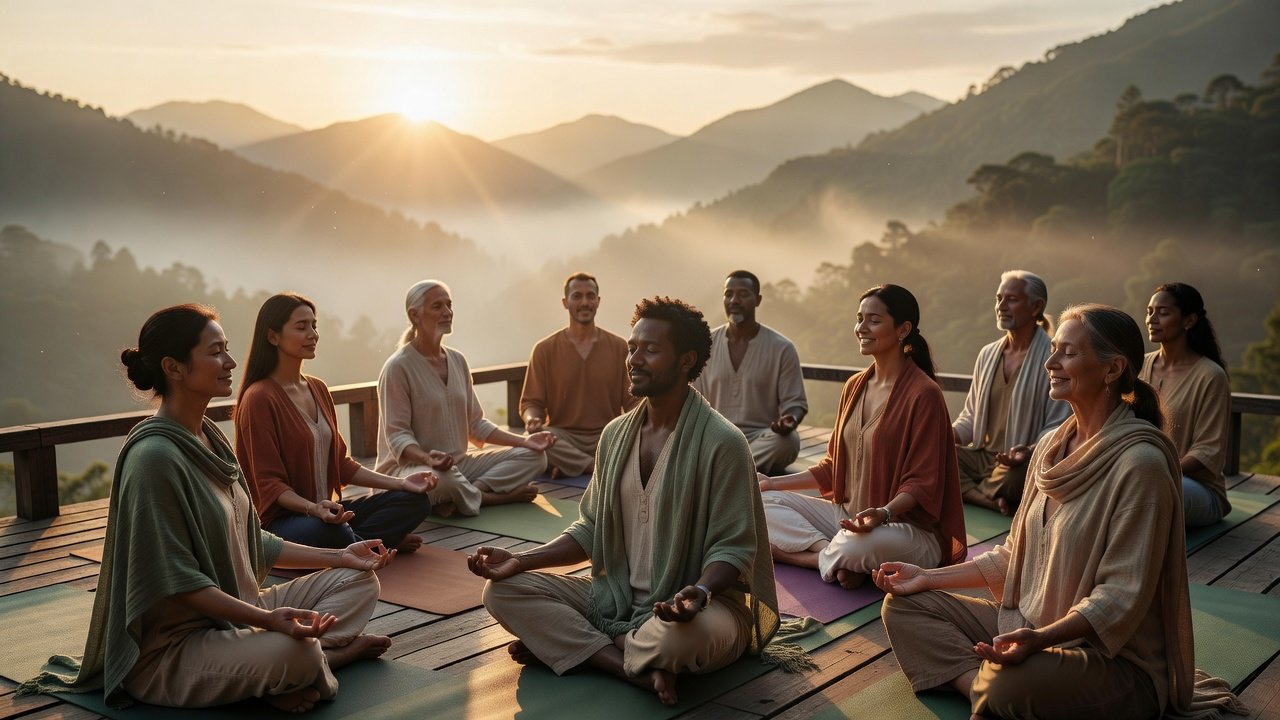
- Daily guided meditations focused on acceptance and self-compassion, often held at dawn in natural settings
- Group movement classes emphasizing hip openers and heart-opening postures for emotional release
- One-on-one mindfulness coaching sessions that personalize techniques to individual grief stages
- Nature immersion activities like mindful walking in forests or along coastlines to reconnect with the present
- Optional creative workshops using art or music to externalize feelings that words cannot capture
Many centers also include evening reflection circles where participants review daily insights, reinforcing integration of new awareness.
Real-World Examples from Established Centers
Several renowned wellness destinations host grief-specific programs. Centers in Bali and Costa Rica regularly feature yoga-based healing retreats that welcome international guests seeking emotional support. These locations combine expert facilitators trained in trauma-informed approaches with immersive environments conducive to healing, such as oceanfront villas or mountain lodges surrounded by nature.
Participants often report improved emotional regulation after structured stays, citing renewed energy and clearer perspectives on their loss. Programs emphasize integration, providing take-home toolkits like audio-guided meditations and personalized movement routines. 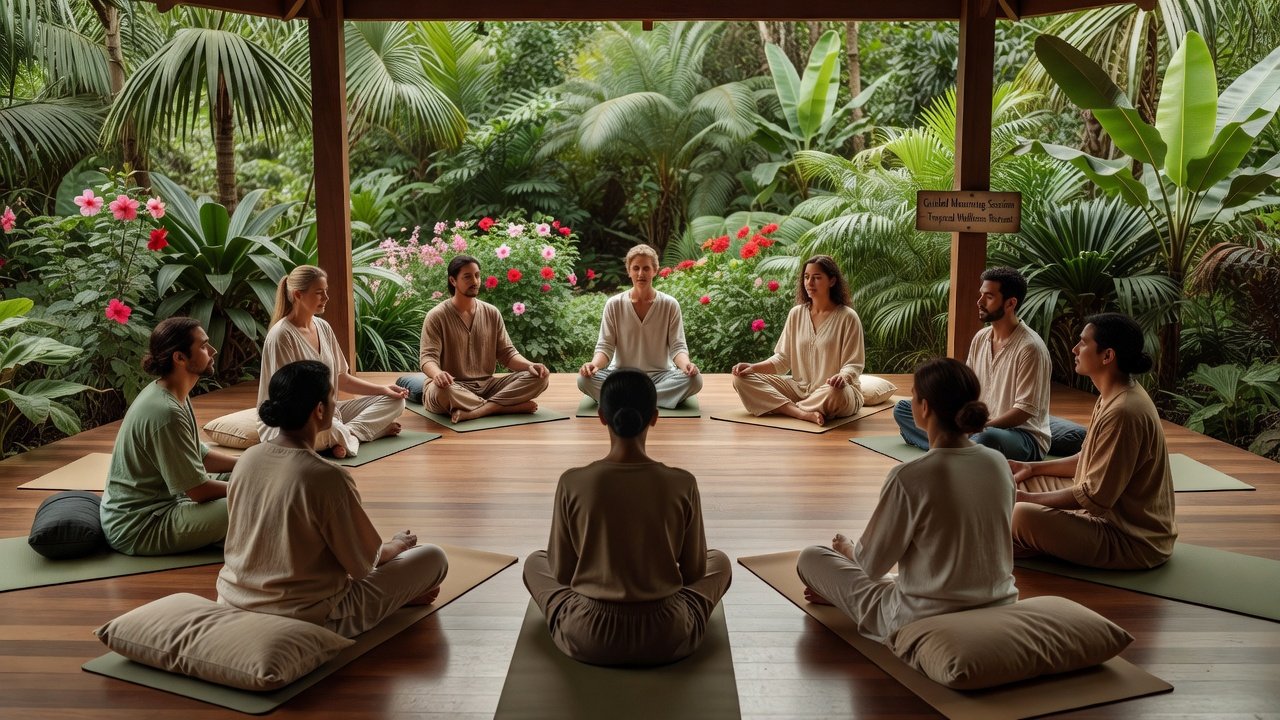
Preparation Steps for Attendees
Before booking, assess your readiness for group settings and shared vulnerability. Consult a licensed therapist to determine if a retreat complements ongoing counseling and to identify any contraindications. Research facilitators' credentials in trauma-informed yoga and bereavement support to ensure a safe container for emotional work.
Practical steps include packing layered comfortable clothing suitable for movement and rest, journaling personal intentions and loss narratives beforehand, and arranging post-retreat follow-up care with local professionals. Understanding personal boundaries around sharing helps maximize benefits during potentially intense sessions. Travelers should also review travel logistics, including visa requirements and health preparations, to arrive fully present.
Comparisons to Conventional Grief Support
Traditional counseling provides talk-based processing in clinical settings, typically one hour weekly. In contrast, yoga tourism retreats add physical movement, immersive travel elements, and extended group interaction over multiple days. This holistic method can accelerate body awareness and foster community bonds absent in individual therapy sessions, creating a sense of shared humanity that combats isolation.
Many find retreats enhance therapy outcomes when used together, offering experiential learning that verbal discussion alone may not achieve. The World Health Organization highlights integrated approaches to mental health that include physical activity and mindfulness. Similarly, resources from the Mayo Clinic note the value of complementary practices alongside professional care for sustained emotional well-being.
Potential Benefits, Challenges, and Long-Term Integration
Attendees frequently experience reduced anxiety, greater emotional clarity, and new coping tools that translate into daily life. Benefits extend to improved sleep patterns and stronger interpersonal connections formed during the shared experience. However, challenges may arise, such as surfacing intense emotions in a group environment or adjusting to cultural differences at international locations.
To overcome these, select programs with clear screening processes and on-site mental health professionals. After returning home, schedule follow-up therapy sessions and maintain a daily yoga or meditation habit to sustain progress. This continuity transforms the retreat from a temporary escape into a catalyst for lasting transformation.
FAQ: Duration, Outcomes, and Expectations
How long do these retreats typically last?
Most grief healing programs run 7 to 14 days, allowing sufficient time for immersion without overwhelming participants who may still be building emotional stamina.
What outcomes can attendees expect?
Many experience reduced anxiety, greater emotional clarity, and new coping tools. Results vary based on individual commitment, prior support systems, and the depth of engagement with practices during the stay.
Are retreats suitable as standalone support?
They work best as complements to professional counseling rather than replacements. Always coordinate with mental health providers before and after attendance.
How do I choose the right program?
Look for centers with certified yoga therapists, small group sizes, and post-program resources. Reading recent participant testimonials provides insight into the emotional tone and effectiveness.
Conclusion
Grief healing spiritual retreats represent a powerful evolution in yoga tourism for wellness travel. By integrating movement therapy, mindfulness, community connection, and structured reflection, these experiences offer meaningful support alongside conventional methods. Careful preparation, realistic expectations, and ongoing integration ensure participants gain lasting tools for their healing journey in 2026 and beyond.

No comments yet. Be the first!