 Veda Tour
Introduction to Dance Therapy in Spiritual Retreats
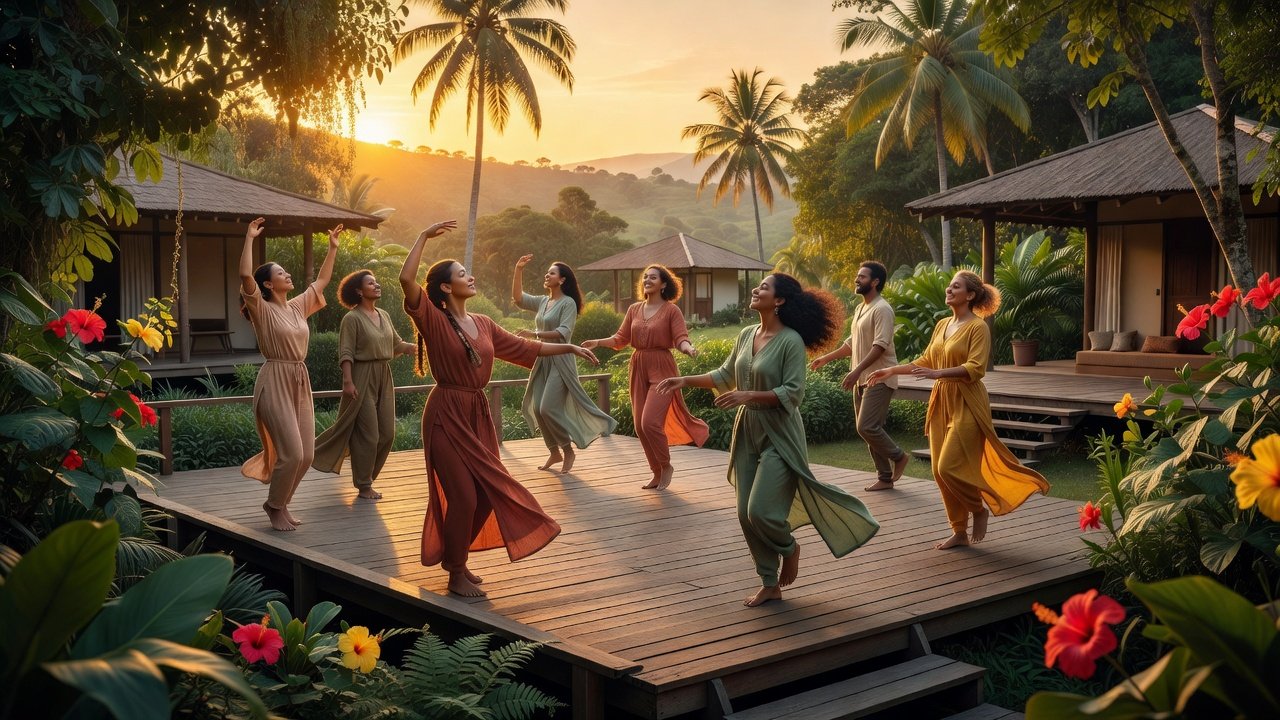
As wellness travel evolves in 2026, yoga tourism increasingly incorporates dance therapy to foster emotional release and deeper mindfulness. This somatic movement practice blends fluid dance with traditional yoga, helping participants process emotions stored in the body. Spiritual retreats now feature these sessions to enhance personal growth amid natural settings. Travelers seeking holistic experiences find dance therapy complements yoga by adding expressive elements that static poses may overlook. This comprehensive guide covers benefits, practical structures, real examples, and booking advice for an enriching journey that aligns with current trends in spiritual retreats and yoga wellness journeys.
The rising popularity stems from a desire for embodied practices that go beyond physical postures. In 2026, many wellness travelers report seeking modalities that address both mental and emotional layers, making dance therapy a natural fit within spiritual retreat programs worldwide.
Benefits of Somatic Movement and Dance Therapy
Somatic movement emphasizes body awareness, allowing gentle exploration of tension and emotions. In spiritual retreats, dance therapy promotes emotional release through free-form movement, reducing stress and improving mental clarity. Studies from National Institutes of Health highlight how mindful movement supports psychological well-being and nervous system regulation. Participants often report heightened mindfulness, better emotional regulation, and a stronger mind-body connection. Unlike purely meditative practices, dance adds joy and creativity, making it ideal for those new to wellness travel. It also aids in releasing trauma held physically, complementing yoga's focus on breath and alignment.
Additional benefits include improved cardiovascular health from rhythmic movement, enhanced creativity through improvisation, and stronger social bonds formed in group settings. Research indicates that consistent somatic practices can lower cortisol levels and support long-term resilience against anxiety. At spiritual retreats, these advantages amplify the effects of daily yoga and meditation, creating synergistic outcomes for holistic healing.
Understanding Somatic Movement Principles
Somatic approaches prioritize internal sensation over external performance. Dancers learn to track subtle shifts in posture, breath, and energy, fostering profound self-inquiry. This foundation distinguishes dance therapy from fitness-oriented classes and aligns closely with the contemplative atmosphere of spiritual retreats. When integrated into yoga tourism, it encourages participants to move beyond familiar sequences into authentic expression.
Sample Session Structures for Retreats
A typical 90-minute dance therapy session at a spiritual retreat begins with grounding breathwork and light yoga stretches. Facilitators then guide participants into improvisational dance using music that builds from slow rhythms to uplifting beats. Sessions often vary by theme, such as heart-opening or grounding practices.
- Warm-up phase: Centering exercises to connect with the body through gentle swaying and joint mobility work.
- Exploration phase: Guided movements focusing on specific emotions or body areas, encouraging spontaneous gestures.
- Integration phase: Slowing down with reflective stillness, breath awareness, or journaling to process sensations.
- Closing: Group sharing for community connection and verbal reflection on experiences.
These structures adapt to group size and retreat theme, ensuring accessibility for all levels. Some retreats extend sessions to two hours for deeper immersion, incorporating live music or nature elements like outdoor movement under trees.
Comparing Dance Therapy to Standard Yoga Flows
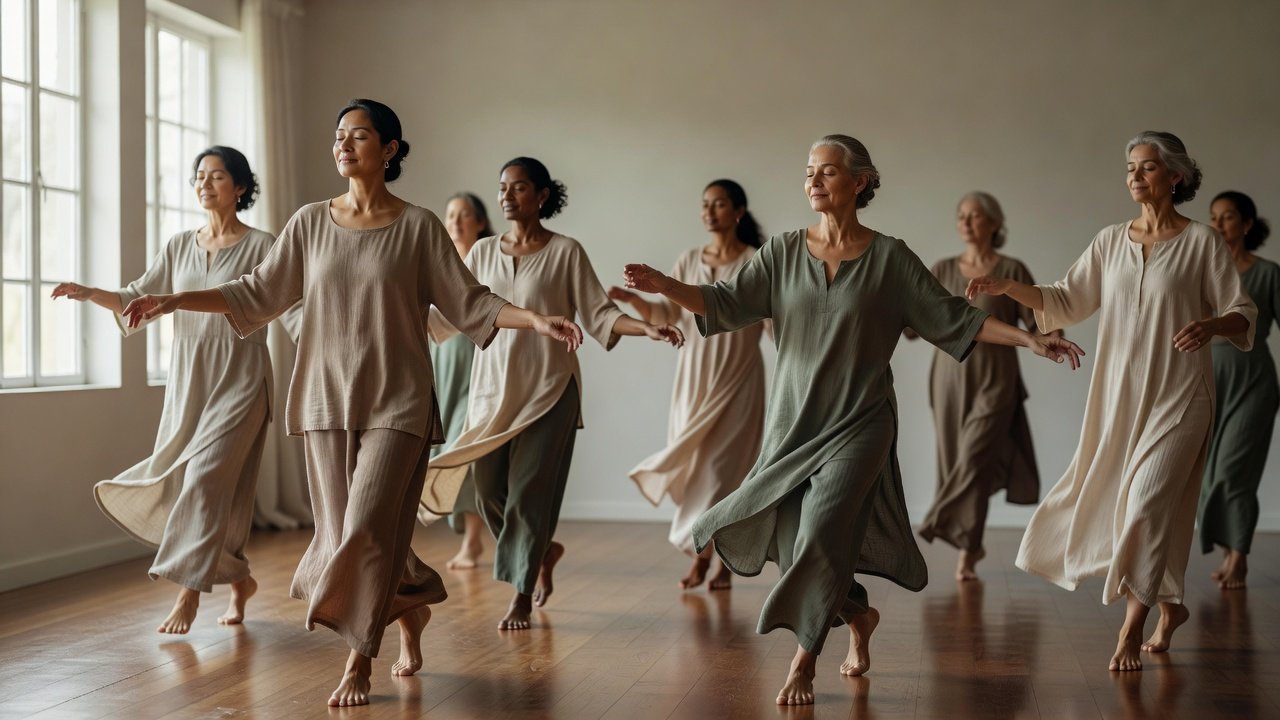
Standard yoga flows emphasize structured poses and breath synchronization for flexibility and strength. Dance therapy, however, prioritizes spontaneous expression over form, allowing freer emotional processing. Both practices enhance mindfulness, yet dance adds dynamic energy that can accelerate breakthroughs in self-awareness during yoga tourism experiences. Many retreats combine the two for balanced sessions, starting with yoga and transitioning into dance for deeper release. This hybrid approach appeals to participants who appreciate the discipline of yoga while craving creative outlets for emotional expression.
Key differences lie in structure versus freedom: yoga provides clear alignment cues, while dance therapy invites intuitive responses. Together they create comprehensive wellness travel programs that address physical, emotional, and spiritual dimensions.
Real-World Retreat Examples in 2026
Popular destinations like Bali and Costa Rica host retreats blending these modalities. For instance, centers in Ubud integrate dance therapy with daily yoga, creating immersive wellness travel programs. European options in Portugal focus on seasonal somatic workshops amid scenic landscapes. Additional examples include retreats in Sedona, Arizona, where desert settings enhance the grounding effects of movement practices, and programs in Thailand that pair dance therapy with traditional Thai yoga massage. These real-world settings demonstrate how spiritual retreats use dance to differentiate their offerings in the growing yoga tourism market, often resulting in transformative participant experiences.
Practical Steps for Participants
Prepare by packing comfortable clothing and an open mindset. Arrive early to settle into the retreat environment. During sessions, listen to your body and move at your own pace. Post-session, journal insights to integrate learnings into daily life. A preparation checklist includes: reviewing facilitator credentials, communicating any physical limitations beforehand, practicing basic breath awareness at home, and planning quiet time after sessions for reflection. Expert insights suggest starting with shorter sessions if new to somatic work, gradually building comfort with expressive movement. Many facilitators recommend hydration and light meals prior to class to maintain energy without discomfort.
Booking Tips for Yoga Tourism Experiences
Research retreats via trusted platforms focusing on certified facilitators. Check reviews for emphasis on emotional safety and inclusivity. Consider timing your trip during shoulder seasons for better availability. Verify program details match your wellness goals, such as combining dance therapy with meditation. Contact organizers directly to ask about group sizes, music choices, and follow-up support. Look for programs affiliated with recognized wellness organizations to ensure quality standards. This careful approach maximizes the value of your yoga tourism investment while aligning with personal growth objectives.
Expert Insights on Integration
Leading practitioners emphasize that dance therapy thrives when facilitators create non-judgmental spaces. Insights from somatic experts highlight the importance of pacing sessions to honor individual emotional timelines. At spiritual retreats, this expertise helps participants achieve breakthroughs that standard yoga alone might not facilitate. The approach supports the broader goals of wellness travel by promoting sustainable emotional health practices that travelers can continue at home.
FAQ on Accessibility and Preparation
Is dance therapy suitable for beginners?
Yes, sessions accommodate all fitness levels with modifications and no prior dance experience required.
How should I prepare physically and mentally?
Stay hydrated, practice basic yoga beforehand, and set intentions around emotional exploration.
Are these retreats accessible for those with mobility concerns?
Many offer seated or adaptive options; inquire directly with organizers.
What should I expect after a session?
Feelings of lightness, emotional clarity, and sometimes temporary fatigue as the body processes release.
Can dance therapy be combined with other retreat activities?
Absolutely, it pairs well with meditation, sound healing, and nature walks for comprehensive wellness.
Conclusion
Dance therapy enriches spiritual retreats by deepening the yoga tourism experience through somatic expression. By understanding its benefits and structures, travelers can choose programs that support profound personal transformation in 2026 and beyond.
No comments yet. Be the first!