 Veda Tour

Introduction to Combined Ayurveda, Hair, and Dental Medical Tourism in 2026
Medical tourism continues to grow as travelers seek affordable, high-quality care paired with wellness experiences. For 2026, combining Ayurveda treatments, hair transplants, and dental implants offers a comprehensive health journey that addresses both aesthetic and holistic needs. This beginner-focused guide helps first-time medical tourists navigate the complexities of planning such a trip. It covers visa applications, required medical documentation, optimal travel timing around procedures, insurance considerations for extended recovery, and packing essentials tailored to post-treatment recovery. Popular destinations include India for traditional Ayurveda and advanced hair restoration clinics, Turkey for high-volume hair transplants and dental implant procedures, and Thailand for integrated wellness packages that blend medical care with relaxation retreats. Success hinges on thorough preparation to meet entry requirements and support smooth healing processes.
Travelers often combine these treatments because Ayurveda supports overall wellness and stress reduction during recovery from surgical procedures like hair transplants or dental implants. Understanding each destination's unique visa pathways ensures you avoid common pitfalls that could delay your trip or lead to denied entry.
Choosing Top Destinations and Understanding Visa Options
India stands out for its deep roots in Ayurvedic medicine alongside modern facilities offering hair transplants. Turkey has become a global hub for affordable, high-quality dental implants and hair restoration due to its experienced surgeons and state-of-the-art clinics. Thailand provides seamless packages that incorporate Ayurveda-inspired therapies with dental and hair services. Research entry rules early because policies can change. Most destinations offer convenient e-visa systems designed for medical tourists. India's e-Visa supports medical purposes with stays up to 60 days, while Turkey's e-Visa permits 90-day visits for eligible nationalities. Embassy routes require in-person visits and longer processing but work better for complex cases or stays exceeding standard limits. Always cross-check official sources such as the India government portal for the latest medical visa guidelines. Comparing e-visa speed against embassy thoroughness helps match your timeline and documentation readiness.
Step-by-Step Visa Application Process
Begin by verifying your eligibility through official government websites for your chosen destination. Prepare a passport valid for at least six months beyond your planned departure, recent passport photos meeting specific size requirements, and a detailed travel itinerary. Medical visa applicants must also submit an invitation letter from a licensed clinic confirming your scheduled treatments. Follow these steps for a smooth application:
- Fill out the online form completely, ensuring all personal and medical details match your supporting documents.
- Upload scanned copies of your passport, photos, clinic letter, and proof of sufficient funds for your stay.
- Pay any applicable fees through secure online portals and retain receipts.
- Attend a biometrics appointment if mandated by the country.
- Monitor your application status daily and print the approved visa upon receipt.
A real-world timing example: A traveler from Canada applying for Turkey's e-Visa in January 2026 submitted documents on a Monday and received electronic approval by Wednesday evening, allowing immediate flight booking. In contrast, embassy applications for India often take 10-15 business days, highlighting the value of choosing e-visa routes when eligible.
Required Medical Documentation for Entry and Procedures
Visa success depends on comprehensive medical paperwork beyond basic identification. Compile your full medical history, recent laboratory results including blood work and allergy tests, dental X-rays or CBCT scans for implant planning, and scalp assessments for hair transplant suitability. Licensed clinics typically supply official invitation letters and treatment plans that strengthen visa applications. Include vaccination certificates, especially for hepatitis and tetanus, plus notes on any ongoing conditions like diabetes management. For recovery periods longer than 30 days, secure a letter from your home physician estimating required stay duration. Incomplete files frequently cause border delays, so organize everything in both digital and printed formats.
Optimal Travel Timing Around Procedures and Recovery
Strategic scheduling maximizes treatment outcomes and minimizes complications. Arrive at least seven to ten days early for pre-procedure consultations, acclimatization, and baseline health checks. Ayurveda programs generally span 14 to 21 consecutive days, hair transplants require an initial 7-10 day on-site recovery window, and dental implants often involve multiple visits spaced weeks or months apart. Ideal travel periods avoid India's monsoon season from June through September and Turkey's extreme summer heat from July to August. Build in buffer time for follow-up appointments within 30-60 days after initial procedures. For combined trips, stagger treatments so Ayurveda sessions support healing after surgical interventions.
Insurance Considerations for Extended Recovery Stays
Standard travel insurance rarely covers elective medical procedures or their complications. Seek specialized medical tourism policies that explicitly include surgical aftercare, extended accommodation during recovery, and emergency repatriation. Coverage should extend at least 90 days post-treatment and encompass Ayurvedic therapies if part of your plan. Review exclusions related to pre-existing conditions and confirm the policy allows claims for infection treatment or revision procedures. Consulting providers familiar with international patients helps identify plans suited to multi-treatment itineraries. The World Health Organization offers general guidance on safe medical travel practices that can inform your insurance choices.
Packing Priorities Tied to Post-Treatment Needs
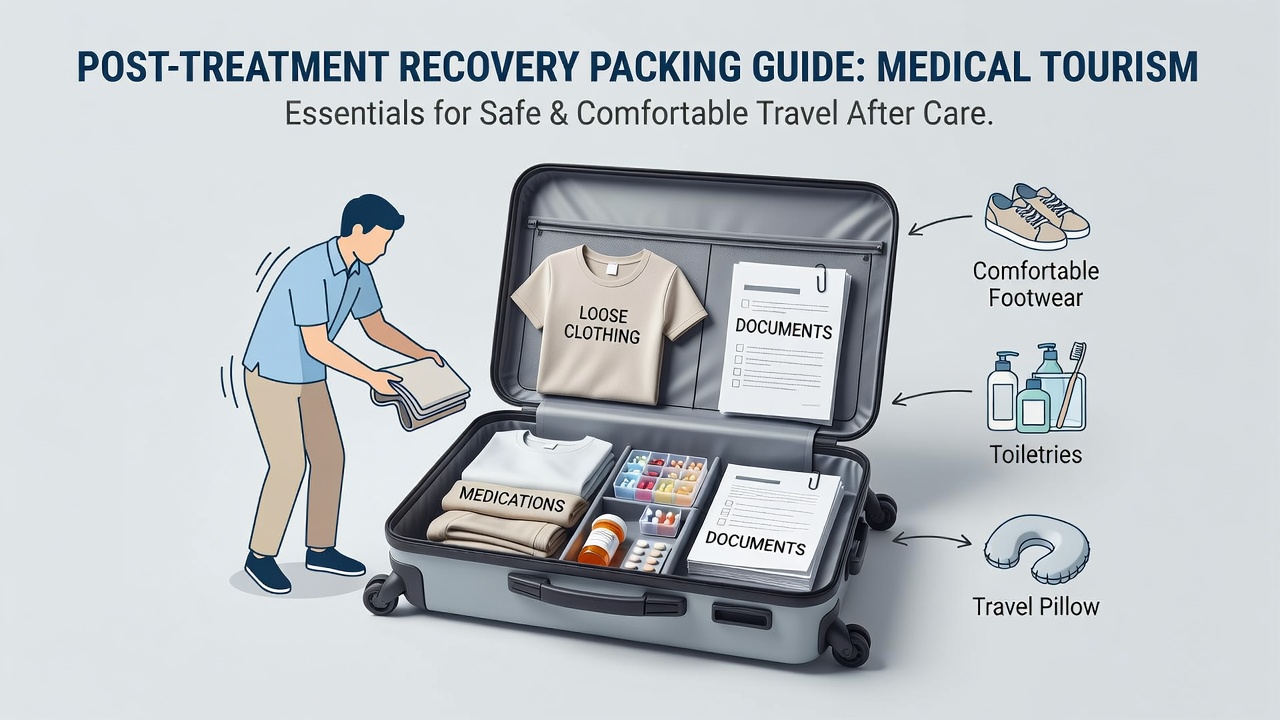
Thoughtful packing supports comfort and reduces infection risks during healing. Prioritize loose, breathable clothing that avoids pressure on surgical sites, fragrance-free shampoos and gentle cleansers for hair transplant aftercare, soft or liquid nutrition options plus ice packs for dental recovery, and any prescribed Ayurvedic oils or supplements. Add prescription medications with extra supply, compression items if recommended by your surgeon, and portable chargers for medical device monitoring. Carry digital copies of all documents on a secure cloud drive alongside physical folders. Limit suitcase weight to maintain mobility while navigating airports and clinics during the vulnerable recovery phase.
Common Mistakes to Avoid When Planning Your Trip
Many first-time medical tourists underestimate documentation requirements or book flights before visa approval. Another frequent error involves ignoring seasonal weather impacts on recovery comfort. Failing to confirm that clinic schedules align for combined treatments can lead to rushed healing or missed appointments. Always verify that your chosen insurance covers the full duration of your stay rather than just the procedure date.
Practical Checklists for Your Trip
- Valid passport plus printed e-visa or embassy approval
- Clinic invitation letters, treatment plans, and medical test results
- Comprehensive travel and medical insurance policies
- Emergency contact list including clinic coordinators and home physician
- Recovery kit: loose clothing, medications, scarves, travel pillow, and soft foods
- Financial documents, credit cards approved for international use, and cash reserves
- Translation apps and copies of prescriptions in local languages
Short FAQ on Common Entry Issues
What happens if my visa application is denied? Carefully read the rejection notice, gather additional clinic support letters, and reapply promptly with corrected information.
Can I extend my visa for longer recovery? Most countries permit medical extensions when supported by documentation from a local licensed doctor confirming ongoing treatment needs.
Are there health restrictions when combining Ayurveda with surgical procedures? Clinics generally approve combinations provided your overall health assessment shows no contraindications; always obtain written clearance from all providers.
How far in advance should I apply for visas? Submit e-visa requests at least two weeks ahead and embassy applications four to six weeks prior to departure for buffer time.
With detailed planning and attention to these practical elements, your 2026 Ayurveda, hair, and dental tourism experience can deliver transformative results while minimizing logistical stress.
No comments yet. Be the first!