 Veda Tour
Introduction: Why Ayurveda Pairs with Modern Procedures in 2026
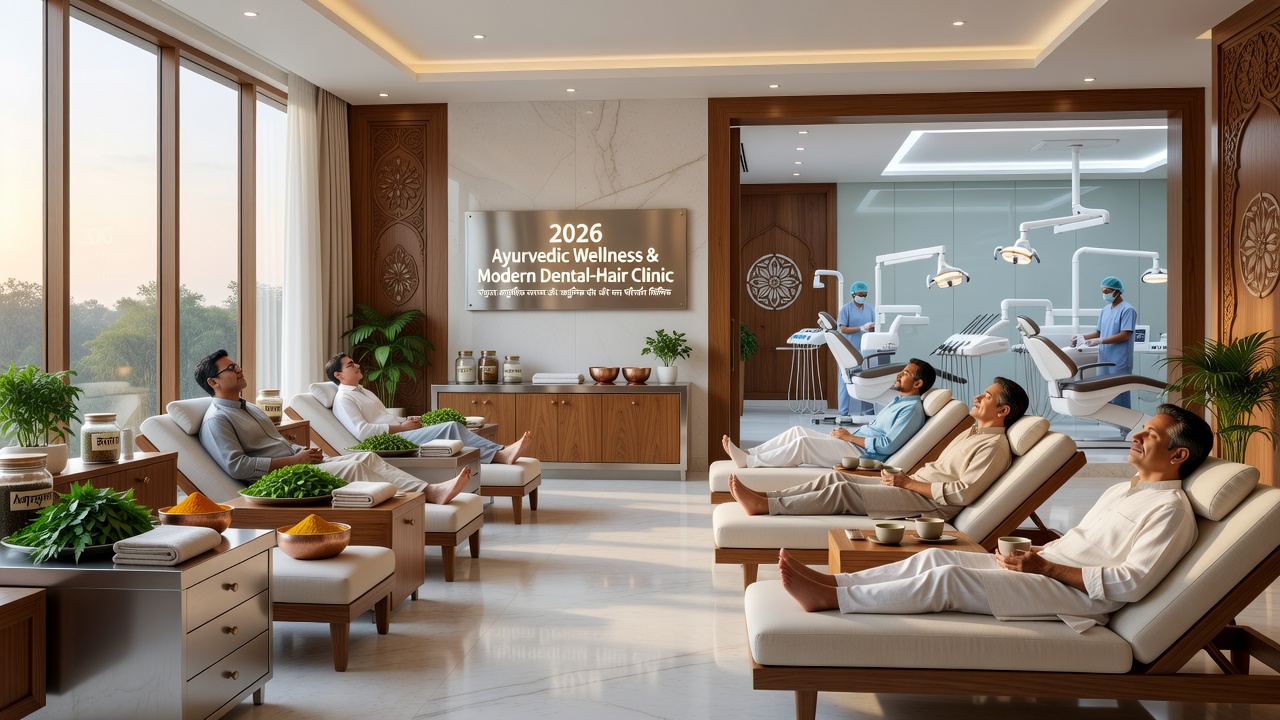
Medical tourism for hair transplants and dental implants continues to grow rapidly in 2026, with popular destinations such as India, Thailand, and Turkey drawing first-time travelers who seek high-quality care combined with lower overall expenses. Clinics in these locations increasingly incorporate traditional Ayurveda therapies to support healing, reduce stress, and improve patient comfort during recovery. Despite this trend, many prospective patients remain skeptical about blending ancient practices with advanced surgical procedures. Concerns often center on whether herbal treatments might interfere with modern implants or transplants. This comprehensive guide debunks five prevalent myths using evidence-based counterpoints, real-world traveler examples from recent trips, and current 2026 industry insights. By the end, you will have actionable knowledge to evaluate integrated care options confidently.
Myth 1: Ayurveda Slows Recovery After Surgery
A common misconception holds that introducing Ayurvedic elements like herbal oils or massages will prolong downtime and delay return to normal activities. In reality, supervised integration often accelerates healing. Therapies such as Abhyanga massage enhance blood circulation, minimize inflammation, and promote better sleep, all of which complement post-operative protocols for dental implants or hair restoration. Travelers who combined both approaches in 2026 frequently reported returning to work or daily routines several days earlier than those who opted for surgery alone. For instance, one patient from the United Kingdom documented a hair transplant journey in Delhi where daily Ayurvedic sessions reduced visible swelling by the third day and improved graft retention rates. Clinical observations at accredited centers show patients experience noticeably less discomfort and faster tissue repair when therapies are timed correctly after the initial 24-hour stabilization period.
Myth 2: Adding Ayurveda Increases Overall Costs
Some travelers assume that layering traditional therapies onto surgical packages will inflate budgets significantly. However, many leading clinics in 2026 now include basic Ayurvedic support within standard medical tourism bundles or offer it at minimal additional fees to remain competitive. The perception of higher costs often arises from misunderstanding that essential aftercare already encompasses light therapeutic elements. Real examples shared on patient forums highlight cases where integrated plans actually lowered total expenses by shortening recovery timelines and reducing the need for extra medications or follow-up visits. When evaluating options, request itemized quotes that separate surgical fees from supportive care to see the true value.
Myth 3: Ayurvedic Therapies Are Unsafe with Implants or Transplants
Safety worries typically stem from unregulated practitioners rather than evidence-based programs. Accredited facilities adhere to strict international standards that prevent adverse interactions between biocompatible implant materials and carefully selected Ayurvedic preparations. World Health Organization guidelines on traditional medicine stress the importance of evidence-informed integration, and 2026 clinics routinely conduct pre-treatment screenings for allergies or contraindications. 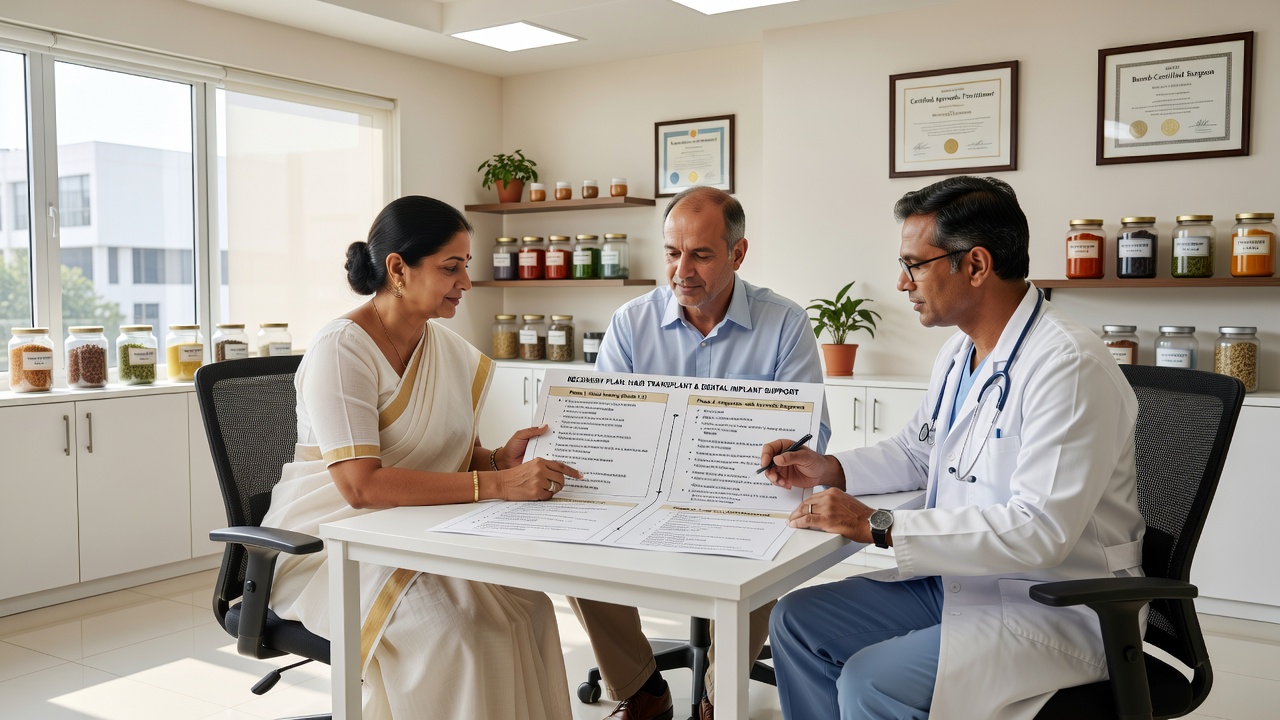
Myth 4: Destination Clinics Lack Proper Cultural Etiquette Training
Another frequent concern involves potential cultural misunderstandings during Ayurvedic sessions. In practice, top-tier medical tourism centers employ multilingual coordinators trained in both Western medical protocols and Ayurvedic traditions. Staff members routinely brief patients on respectful practices, such as removing footwear before entering therapy rooms, disclosing full medication histories, and understanding local customs around modesty during treatments. This preparation enhances rather than hinders the overall experience, fostering trust between patients and practitioners.
Myth 5: Outcomes Are Identical With or Without Ayurveda Support
Direct comparisons reveal measurable advantages for integrated care. Patients receiving coordinated Ayurvedic support often benefit from reduced scarring after hair transplants, lower infection rates following dental implant placement, and improved emotional well-being throughout the process. Stress reduction achieved through guided breathing exercises and herbal teas contributes to better sleep, which in turn supports immune function and tissue regeneration. Multiple 2026 case studies from Indian and Thai clinics document higher patient satisfaction scores and fewer complications when Ayurveda forms part of the recovery plan.
Safety Considerations When Pairing Ayurveda with Modern Implants
Selecting the right provider is essential. Prioritize facilities holding Joint Commission International accreditation or equivalent national certifications that explicitly document every therapy administered. Schedule virtual pre-arrival consultations to review medical history, current prescriptions, and any known sensitivities. In 2026, many clinics provide detailed digital care plans that outline exact timing for Ayurvedic sessions relative to surgical milestones, ensuring seamless coordination between surgeons and traditional practitioners.
2026 Trends Shaping Integrated Medical Tourism
Current industry reports indicate rising demand for holistic packages that combine surgical precision with wellness support. Clinics are adopting technology such as AI-assisted recovery tracking to monitor how Ayurvedic interventions influence healing metrics. This data-driven approach allows for personalized adjustments, making treatments safer and more effective for international visitors.
Practical Steps for Verifying Clinic Claims
Follow these concrete actions before booking any trip:
- Request published case studies and outcome data from the previous twelve months, including before-and-after metrics for patients who received combined care.
- Verify practitioner credentials through national medical boards and Ayurveda-specific licensing authorities in the destination country.
- Read independent patient reviews on established platforms that focus on medical tourism experiences rather than general travel sites.
- Ask detailed questions about coordination between surgical teams and Ayurvedic specialists, including shared electronic health records.
- Confirm whether post-treatment support includes remote follow-up consultations after you return home.
- Review insurance policies that specifically cover integrated wellness and surgical packages for overseas travel.
Taking these steps reduces risk and ensures the clinic delivers on its promises with transparency.
Short FAQ
Is Ayurveda suitable for all hair transplant patients?
Most healthy adults qualify after a thorough medical screening, although individuals with certain autoimmune conditions or medication conflicts may require modified protocols or alternative supportive therapies.
How soon after dental implants can Ayurvedic therapies begin?
Light, non-invasive treatments such as guided meditation or topical herbal applications often start within 48 hours, while more intensive massages are typically introduced after one week once initial swelling subsides.
Do I need to speak the local language to receive integrated care?
Reputable clinics provide English-speaking coordinators, translators, and written materials in multiple languages, eliminating communication barriers for international patients.
Can I continue my home medications while undergoing Ayurvedic support?
Yes, but full disclosure during consultations is mandatory so practitioners can avoid any potential herb-drug interactions.
Conclusion
Integrating Ayurveda with hair transplant and dental implant procedures offers tangible benefits in 2026 when pursued through accredited providers. Addressing common myths with facts, real traveler examples, and practical verification steps empowers first-time medical tourists to explore holistic options safely. Thoughtful planning leads to smoother recoveries, improved outcomes, and greater overall satisfaction with the entire journey.

No comments yet. Be the first!