 Veda Tour

Introduction to Sustainable Medical Tourism in 2026
As eco-conscious patients increasingly seek high-quality medical care abroad, combining procedures such as Ayurvedic therapies, hair transplants, and dental implants with environmental responsibility has become a top priority. In 2026, medical tourism continues to expand, yet responsible travelers focus on minimizing their carbon footprint while achieving optimal treatment results and smooth recoveries. This comprehensive guide provides in-depth strategies for selecting sustainable options, planning low-impact journeys, and integrating Ayurvedic principles that support both personal healing and planetary health.
Medical tourism involving Ayurveda, hair restoration, and dental work often requires international travel, which inherently carries environmental costs. By prioritizing green-certified facilities, efficient travel routes, and waste-reducing recovery methods, patients can significantly lower their overall impact. This article explores every aspect of the process, from initial research to post-treatment care, ensuring readers feel equipped to make informed, sustainable choices.
Identifying Green-Certified Clinics
The first step in responsible medical tourism is verifying that clinics meet rigorous environmental standards. Seek facilities certified by recognized bodies such as Green Key, EarthCheck, or ISO 14001. These certifications confirm commitments to energy efficiency, water conservation, waste reduction, and ethical sourcing of materials used in procedures like hair grafts and dental implants.
For Ayurvedic centers, confirm the use of organically grown local herbs and the avoidance of single-use plastics in treatment rooms. Dental clinics should demonstrate water recycling systems and biodegradable packaging for implant components. Hair transplant facilities can highlight solar-powered operating theaters and composting programs for organic waste. Request the latest sustainability reports directly from clinics and cross-reference them with certifying organizations' public databases.
Real-world examples include several Kerala-based Ayurvedic resorts that operate entirely on solar energy and maintain zero-waste kitchens, as well as select Thai dental centers accredited for sustainable operations that recycle medical-grade materials. In Turkey, some hair restoration clinics partner with local reforestation projects to offset their procedural emissions. Always schedule virtual tours or consultations to observe these practices firsthand before committing.
Sustainable Travel Planning
Effective travel planning forms the foundation of low-carbon medical tourism. Prioritize direct flights and flexible off-peak dates to reduce fuel consumption. Combining multiple treatments into a single extended trip minimizes repeat journeys. Research destinations offering robust public transit, electric vehicle rentals, or bicycle-friendly infrastructure for local transportation between clinics and accommodations.
Pack light with reusable water bottles, cloth bags, and eco-friendly toiletries to decrease luggage weight and plastic use. Where feasible, incorporate train travel for segments of the journey instead of additional short flights. Many travelers now use carbon-tracking apps to monitor and adjust their itineraries in real time. Choosing lodging near treatment centers further reduces daily commuting emissions.
Ayurveda's Role in Low-Waste Healing
Ayurveda naturally complements sustainable medical tourism through its emphasis on natural, locally sourced remedies and holistic recovery protocols. Treatments rely on herbs, oils, and dietary regimens grown within the region, dramatically cutting packaging waste compared to conventional pharmaceuticals. Post-procedure Ayurvedic massages, herbal steam therapies, and personalized nutrition plans accelerate healing while minimizing reliance on disposable medical supplies.
Patients undergoing hair transplants or dental implants benefit from Ayurvedic anti-inflammatory practices that support tissue regeneration without synthetic chemicals. This approach not only shortens recovery timelines but also aligns with circular economy principles by reusing organic materials in wellness routines. Integrating these methods creates a closed-loop healing experience that respects both the body and the environment.
Destination Comparisons for Carbon Reduction
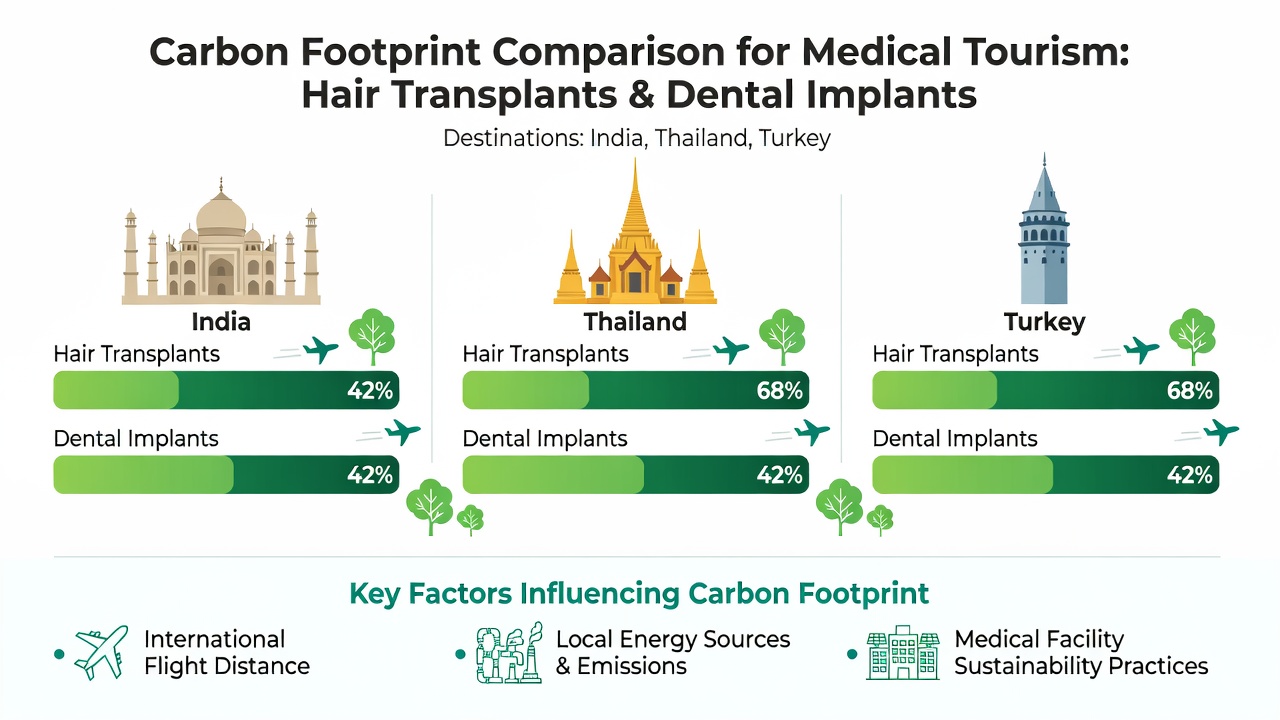
Comparing destinations helps patients select locations that balance treatment excellence with lower travel emissions. India, particularly Kerala, offers world-class Ayurvedic expertise and shorter average flight distances from Europe and the Middle East than many alternatives. Thailand provides advanced dental infrastructure alongside growing green certifications and efficient rail networks. Turkey delivers competitive hair transplant services supported by improving renewable energy adoption and regional connectivity options.
Use online emission calculators from reputable international organizations to quantify total footprints for each itinerary. Shorter intra-Asia flights or multi-destination rail journeys can reduce overall emissions by up to half when several viable clinics exist. Consider seasonal factors, such as monsoon periods in India or peak tourism seasons in Thailand, that might influence both environmental impact and treatment availability.
Practical Steps Including Offsetting Emissions
Beyond destination selection, implement actionable measures throughout the journey. Calculate travel emissions using verified tools and purchase offsets through programs supporting verified reforestation or renewable energy projects. Many clinics now participate in local offset initiatives that patients can join directly.
- Verify all sustainability claims through independent third-party audits rather than relying solely on marketing materials.
- Select accommodations holding eco-labels located within walking distance of treatment centers.
- Choose plant-based recovery meals sourced from local organic farms to further decrease your dietary carbon footprint.
- Document and share your sustainable choices to encourage broader industry adoption of green standards.
- Prepare a reusable medical kit with cloth bandages and natural ointments to limit single-use plastics during recovery.
Common Mistakes to Avoid
Many patients overlook the importance of confirming real-time sustainability practices rather than outdated certifications. Another frequent error is failing to combine procedures, resulting in unnecessary extra flights. Always research visa requirements and local waste regulations in advance to avoid complications that could increase environmental strain.
Short FAQ on Verifying Sustainability Claims
How do I confirm a clinic's green certification? Request official documentation directly from the facility and verify its status in the certifying body's online public registry for the current year.
Are sustainable treatment options more expensive? Many clinics achieve operational savings through efficiency measures and often pass these benefits to patients without premium pricing.
Can I combine Ayurveda with dental or hair procedures sustainably? Yes, integrated wellness centers in certified destinations routinely offer combined programs designed with low-waste protocols.
What should I do if a clinic cannot provide recent sustainability reports? Cross-reference with local environmental agencies or choose an alternative facility with transparent documentation.
Conclusion
By thoughtfully applying these strategies, patients can pursue transformative Ayurvedic, hair, and dental care while actively contributing to environmental preservation in 2026. Sustainable medical tourism represents a powerful opportunity to align personal wellness goals with global responsibility. For additional guidance on international healthcare standards, refer to resources from the World Health Organization and explore sustainable development insights at United Nations Environment Programme.


No comments yet. Be the first!