 Veda Tour
Introduction: Enhancing Medical Tourism Recovery with Ayurveda
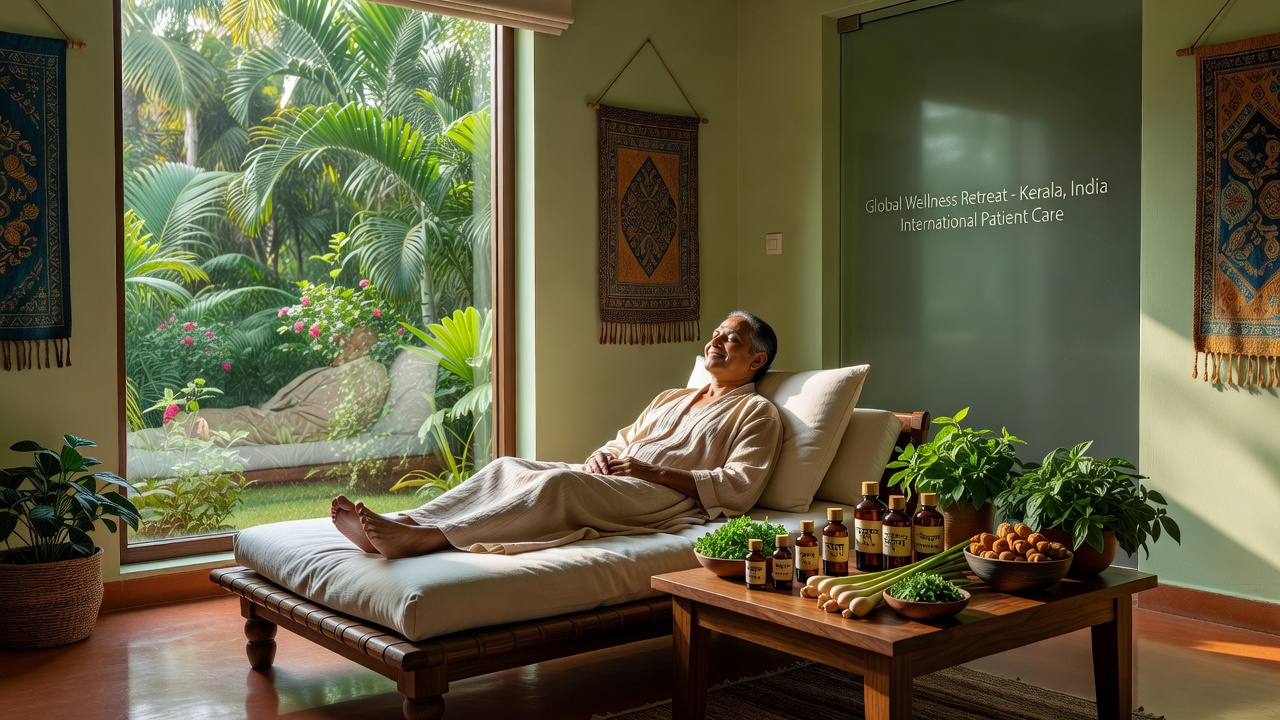
Medical tourists seeking hair transplants and dental implants abroad often look for natural ways to optimize healing and reduce downtime. Ayurveda, the ancient Indian system of holistic medicine, offers targeted practices that complement modern procedures. This guide explores evidence-based Ayurvedic approaches for post-procedure recovery, including herbal oils, customized diets, and stress-reduction techniques. Patients traveling in 2026 can integrate these methods to support tissue repair, minimize inflammation, and promote overall wellness during their trips. Whether recovering in popular destinations like India or Turkey, understanding Ayurveda's role helps patients achieve smoother outcomes. The focus remains on beginner-friendly steps that align with clinical care rather than replacing it. Many travelers report feeling more in control of their recovery when combining traditional wisdom with contemporary medical protocols, leading to better satisfaction and potentially shorter overall healing periods.
Understanding Ayurveda's Role in Post-Procedure Healing
Ayurveda emphasizes balancing the body's doshas—Vata, Pitta, and Kapha—through natural interventions. After invasive procedures such as follicular unit extraction for hair or titanium implant placement for teeth, the body experiences stress and inflammation. Ayurvedic herbs like turmeric and ashwagandha contain anti-inflammatory compounds that may accelerate cellular regeneration when used appropriately. Research from institutions such as the World Health Organization recognizes traditional medicine's supportive role in recovery protocols. Similarly, Mayo Clinic highlights the importance of nutrition and stress management for surgical healing, principles that align closely with Ayurvedic recommendations. Patients should view these practices as adjuncts that work alongside prescribed medications and follow-up visits. The holistic perspective also considers emotional well-being, which can influence physical recovery rates in meaningful ways.
Targeted Ayurvedic Practices for Hair and Dental Recovery
Herbal Oils and Topical Applications
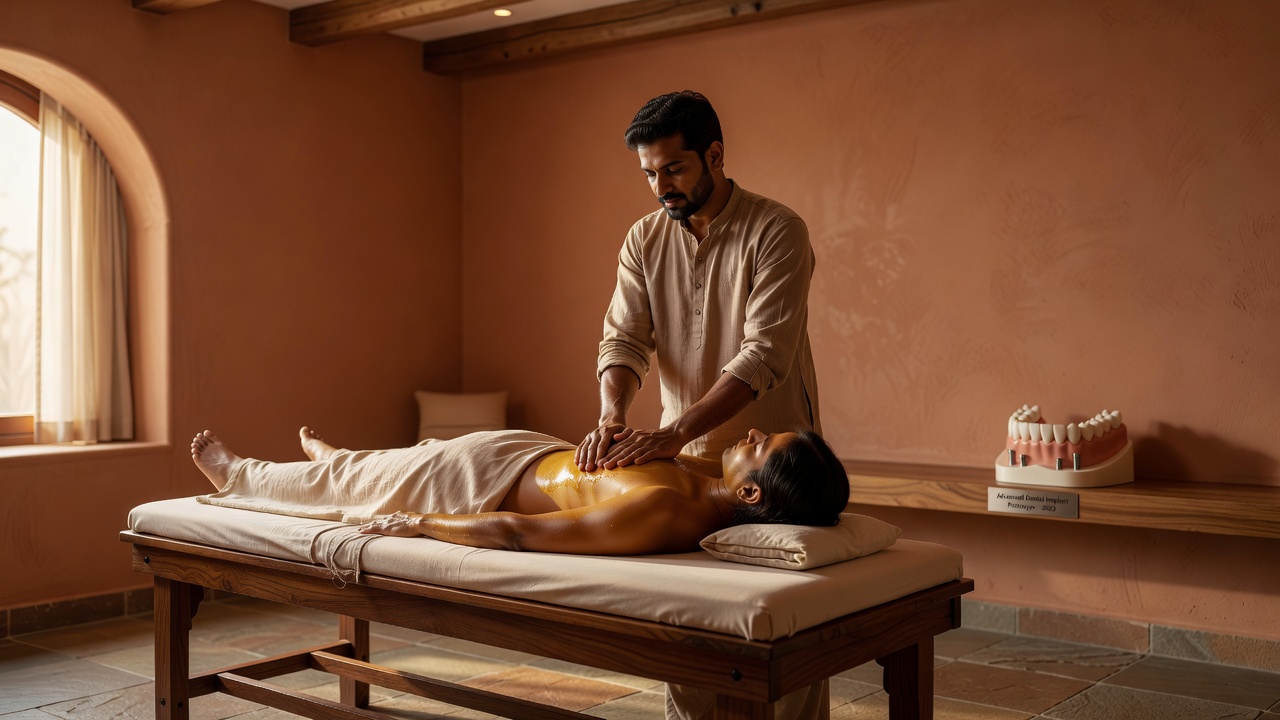
Scalp massages with Bhringraj or Brahmi oils can nourish follicles after hair transplants. These oils are traditionally prepared with carrier bases like sesame or coconut to enhance absorption and provide antimicrobial benefits. For dental patients, clove and neem-based oils applied gently around the jaw may reduce swelling and support gum tissue health. Always consult the treating physician before topical use near surgical sites to avoid irritation. Many clinics abroad now stock certified organic versions of these oils for international patients.
Personalized Diet Plans
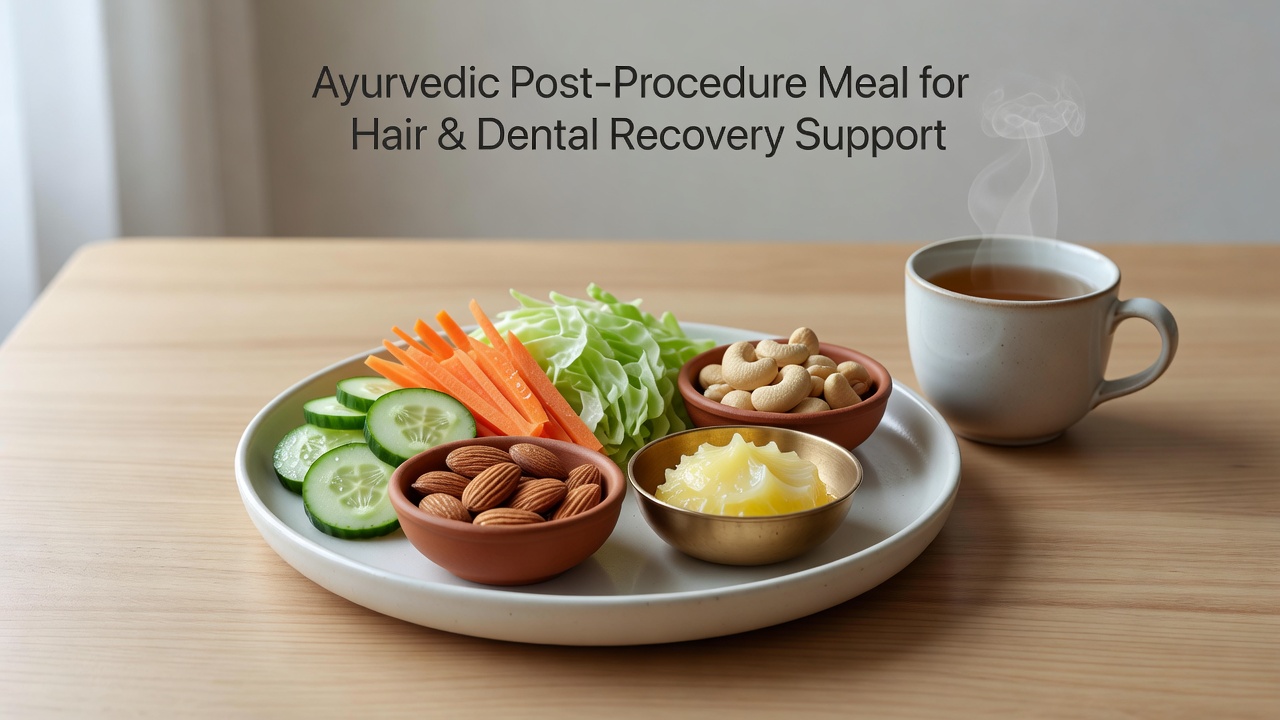
A recovery-focused Ayurvedic diet prioritizes cooling, anti-inflammatory foods. Include fresh vegetables, ghee, and spices like cumin and coriander. Avoid processed items and excessive caffeine. Sample daily meals feature lentil soups, steamed greens, and herbal teas such as tulsi or ginger infusions. For the first two weeks post-procedure, emphasize easily digestible options like rice porridge with added turmeric to promote internal healing. Patients often notice improved energy levels within days of consistent adherence.
Stress-Reduction Techniques
Daily pranayama breathing exercises and short meditation sessions lower cortisol levels that can delay healing. Gentle yoga poses adapted for post-operative patients further support circulation without strain. Techniques like alternate nostril breathing can be practiced for just ten minutes morning and evening to foster calm and better sleep quality.
Step-by-Step 4-Week Integration Timeline
Week 1 focuses on gentle oil applications twice daily, increased hydration with warm water, and basic breathing exercises. Patients should rest extensively while monitoring for any signs of discomfort. Week 2 introduces light dietary shifts such as adding more greens and reducing salt intake, plus ten-minute meditation sessions. Week 3 adds moderate movement like short walks combined with herbal teas and continued scalp or jaw massages. Week 4 emphasizes maintenance routines including weekly oil treatments and balanced meals for long-term results. Track symptoms daily in a simple journal and adjust under professional guidance. This phased approach prevents overwhelming the body while building sustainable habits.
Recovery Speed Comparisons With and Without Ayurveda
Patients combining standard aftercare with Ayurveda often report reduced swelling within 7–10 days versus 14–21 days without supportive practices. A structured routine may also improve sleep quality and energy levels. Individual results vary based on age, procedure complexity, and adherence. Those who follow dietary guidelines consistently tend to experience fewer complications such as prolonged redness or fatigue. Comparative observations from returning medical tourists suggest that the natural anti-inflammatory effects of key herbs contribute to noticeable differences in comfort during the critical first month.
Real-World Examples from Leading Destinations
Clinics in India frequently pair modern surgical suites with on-site Ayurvedic consultants who customize oil blends and meal plans for each patient. In Turkey, some facilities offer post-implant patients access to herbal supplements sourced locally and guided meditation classes. Medical tourists should verify integration protocols in advance through clinic websites or coordinators. For instance, a patient undergoing a hair transplant in Delhi might receive daily consultations with an Ayurvedic practitioner for the first ten days, leading to smoother scab healing and reduced itching. Similar models are emerging in Thailand and Mexico, where wellness centers collaborate with dental clinics to provide seamless care packages.
How to Source Authentic Ayurvedic Support Overseas
Seek practitioners certified by recognized Ayurvedic boards and request ingredient transparency. Reputable clinics partner with licensed herbal suppliers who follow good manufacturing practices. Patients can start by contacting destination tourism boards or verified medical travel agencies for vetted recommendations. Before departure, research online forums and patient reviews to identify trusted providers. It is advisable to bring a small supply of preferred herbs from home if customs allow, and always carry documentation of any supplements being used. This preparation ensures continuity of care upon arrival.
Frequently Asked Questions on Safety and Compatibility
- Is Ayurveda safe alongside prescribed medications? Yes, when coordinated with both your surgeon and Ayurvedic practitioner to prevent interactions.
- Can these practices interfere with implant integration? Properly timed and supervised use typically supports rather than disrupts healing processes.
- How soon after surgery should integration begin? Most protocols start with basic hydration and progress gradually after the first 48–72 hours.
- What if I have allergies to certain herbs? Inform practitioners immediately so substitutes like alternative cooling spices can be recommended.
- Are there any activities to strictly avoid during the first month? Heavy exercise, alcohol, and sun exposure should be minimized to maximize Ayurvedic benefits.
Conclusion: Optimizing Your 2026 Medical Journey
Integrating Ayurveda thoughtfully can enhance recovery after hair and dental procedures abroad. By following structured timelines, sourcing quality support, and combining practices with professional medical advice, patients position themselves for improved outcomes and greater comfort during travel. The combination of ancient wisdom and modern medicine creates a powerful pathway toward faster, more comfortable healing in 2026 and beyond.

No comments yet. Be the first!