 Veda Tour
Introduction: Why Ayurvedic Preparation Matters for Dental Implant Tourism
Planning dental implant tourism in 2026 requires more than booking flights and clinics. Many patients now combine procedures with Ayurvedic preparation to optimize healing, reduce inflammation, and lower post-operative risks. This guide walks beginners through a complete pre-travel Ayurvedic strategy focused on dental implants, with practical timelines and comparisons. Integrating ancient practices with modern dental tourism helps address common concerns like swelling, infection risk, and stress. Research from the World Health Organization highlights the growing role of traditional medicine in supporting surgical outcomes worldwide. Beginners often overlook how pre-travel wellness routines can influence implant success rates, making this preparation essential for those new to medical tourism.
Understanding the Benefits of Ayurveda Before Dental Implants
Ayurveda emphasizes balancing the body's doshas to promote recovery. For dental implant patients, therapies can improve gum health, boost immunity, and manage anxiety. Common benefits include better blood circulation and reduced oxidative stress, which may support faster osseointegration of implants. Real-world examples show patients who followed Ayurvedic prep reporting fewer complications. One traveler from Europe combined Panchakarma with her Thailand implant journey and noted reduced swelling within the first week post-surgery. Another patient preparing for procedures in Mexico used daily Abhyanga to ease pre-travel nerves and improve sleep quality. These approaches work by addressing underlying imbalances rather than just symptoms, creating a foundation for smoother recoveries. Patients frequently experience enhanced energy levels and better tolerance to the physical demands of travel and surgery when following a structured Ayurvedic plan.
Selecting Suitable Ayurvedic Therapies
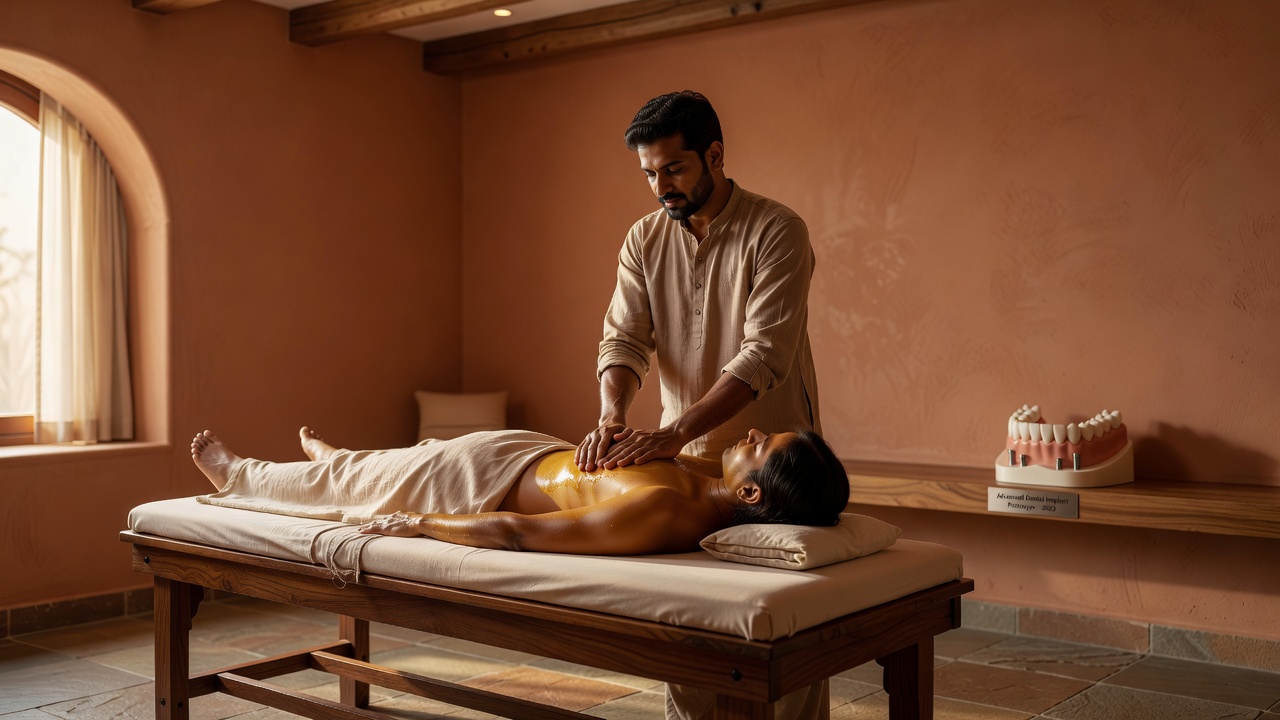
Focus on therapies proven supportive for surgical prep. Panchakarma stands out as a detoxification protocol involving oil massages, herbal steam, and dietary cleansing. Nasya therapy targets sinus and nasal areas, beneficial for upper jaw implants. Abhyanga daily self-massage improves circulation. Additional options include Shirodhara for stress relief and herbal oil pulling to support oral hygiene. Compare options: Panchakarma offers full-body reset but requires 7–14 days, while targeted herbal rinses provide quicker local gum support. Always match therapies to your dosha type after consultation. A scannable list of top therapies includes: Panchakarma for systemic detox, Nasya for facial sinus drainage, Abhyanga for daily circulation, and dietary adjustments using turmeric and ginger for anti-inflammatory effects. Practitioners often customize these based on individual health assessments conducted weeks in advance.
Creating Your 4-6 Week Pre-Travel Timeline
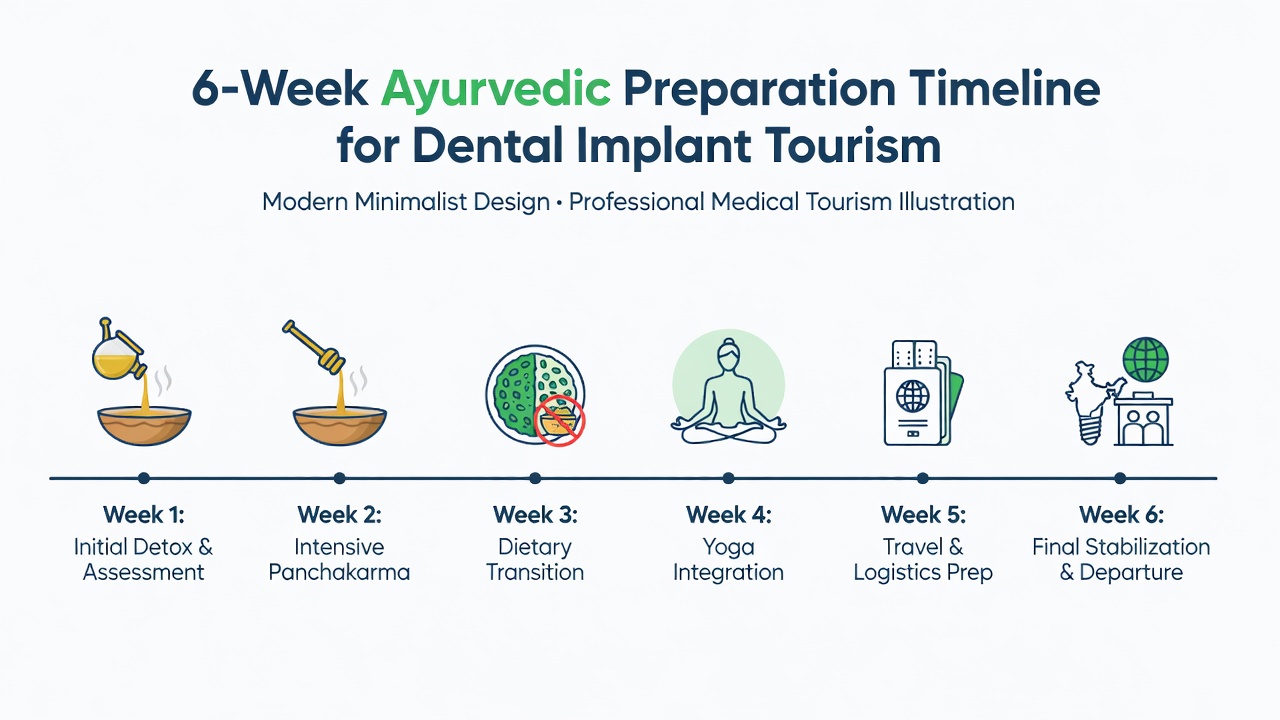
Start 6 weeks before departure. Weeks 1–2 focus on dietary shifts toward anti-inflammatory foods and beginning gentle yoga. Weeks 3–4 introduce Panchakarma sessions twice weekly. Weeks 5–6 emphasize final detox and stress reduction with meditation. A detailed weekly breakdown helps maintain consistency: Week 1 involves initial consultations and starting oil pulling routines; Week 2 adds yoga nidra sessions; Week 3 begins full Panchakarma; Week 4 incorporates herbal supplements; Week 5 focuses on light activity and hydration; Week 6 includes final check-ins and packing wellness essentials. Sample daily routine: Morning oil pulling with sesame oil, followed by herbal tea. Evening Abhyanga and early sleep. Adjust based on practitioner guidance to avoid over-detoxification close to travel. This timeline ensures the body is primed without rushing the process.
Sourcing Qualified Ayurvedic Practitioners Abroad
Research licensed practitioners at destination clinics or partner wellness centers. Look for certifications from recognized Ayurvedic boards and experience with medical tourists. In countries like India or Thailand, many dental tourism hubs offer integrated Ayurvedic services. Verify credentials through clinic websites and patient reviews. Schedule virtual consultations beforehand to align your prep plan with the dental team's timeline. Practical tips include checking for affiliations with international wellness organizations and requesting references from past dental tourism patients. Beginners should prioritize centers that collaborate directly with implant clinics to ensure coordinated care. Examples from successful trips show that early sourcing reduces last-minute stress and allows for personalized adjustments to therapy intensity.
Practical Comparisons of Popular Treatments
Panchakarma vs. herbal supplements: Panchakarma delivers deeper cleansing but demands more time and cost. Supplements like turmeric and ashwagandha offer convenient daily support with milder effects. Patients often combine both for balanced results. Another comparison involves yoga nidra versus standard meditation. The former aids deeper relaxation, useful for pre-surgery anxiety common in implant procedures. Pros of Panchakarma include comprehensive detox and professional oversight, while cons involve higher time commitment. Herbal options excel in accessibility but may lack the intensity needed for significant pre-surgical optimization. Decision factors depend on personal health profiles and available preparation time.
Real-World Patient Preparations and Cost Considerations
Case studies reveal varied approaches. A patient from Australia prepared with 5 weeks of Panchakarma in India before implants, focusing on immune support. Another used at-home Abhyanga and dietary changes while traveling to Mexico. A third example from the United States incorporated Nasya therapy alongside standard dental evaluations, resulting in improved sinus health noted during pre-op scans. Cost considerations vary by location and duration. Ayurvedic prep adds to overall medical tourism budgets but can reduce complication-related expenses. Factor in practitioner fees, herbs, and retreat stays when planning 2026 trips. Qualitative planning helps balance these elements without unexpected financial strain.
Common Mistakes to Avoid in Ayurvedic Prep
Beginners often skip dosha assessments, leading to mismatched therapies. Another pitfall is starting too late, compressing the timeline and reducing effectiveness. Overlooking coordination with dental surgeons can cause conflicts with medication schedules. Always maintain open communication and document all preparations for seamless integration.
Short FAQ Section
Is Panchakarma safe before dental surgery?
Yes, when supervised by qualified practitioners and timed correctly, typically ending 1–2 weeks before the procedure.
How far in advance should I start Ayurvedic prep?
A 4–6 week timeline allows full benefits without interfering with travel or surgery schedules.
Can I source Ayurvedic herbs abroad easily?
Many destinations popular for dental implants stock quality herbs, but bring certified products from home when possible.
Does Ayurveda replace standard medical advice?
No. It complements dental protocols. Always consult your implant surgeon and Ayurvedic doctor together.
What if I have existing health conditions?
Disclose all conditions during consultations so therapies can be safely adapted or modified.
Conclusion
Thoughtful Ayurvedic preparation enhances the safety and success of 2026 dental implant tourism. By following a structured timeline, choosing appropriate therapies, and working with qualified experts, beginners can optimize outcomes and enjoy a smoother recovery. Start planning early to integrate these practices seamlessly into your journey.

No comments yet. Be the first!