 Veda Tour
Introduction to Ayurveda-Enhanced Medical Tourism
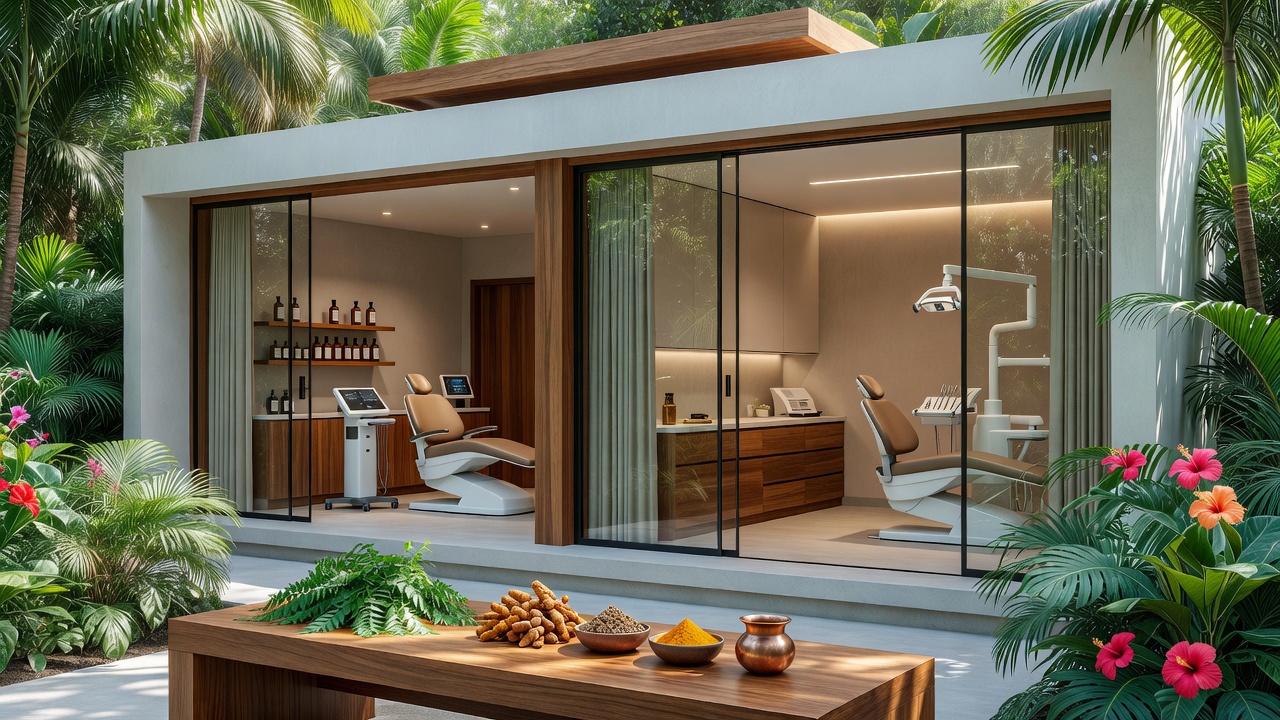
Medical tourism allows patients to access high-quality procedures like hair transplants and dental implants at lower costs while exploring new destinations. For beginners, integrating Ayurveda offers a holistic layer that supports overall wellness during the journey. This guide explains core concepts without diving into recovery details, focusing instead on foundational knowledge to help you plan confidently. Ayurveda, an ancient Indian system of medicine, emphasizes balance through natural methods. When combined with modern procedures, it provides complementary support that appeals to those seeking more than clinical care alone. First-time travelers often discover that this blend creates a more balanced experience, allowing them to address both specific health needs and broader well-being in one trip.
The growing popularity stems from increased awareness of holistic health practices worldwide. Beginners benefit from understanding these foundations before committing to any plans, as it builds confidence and reduces uncertainty associated with international travel for medical reasons.
What Medical Tourism Involves for Beginners
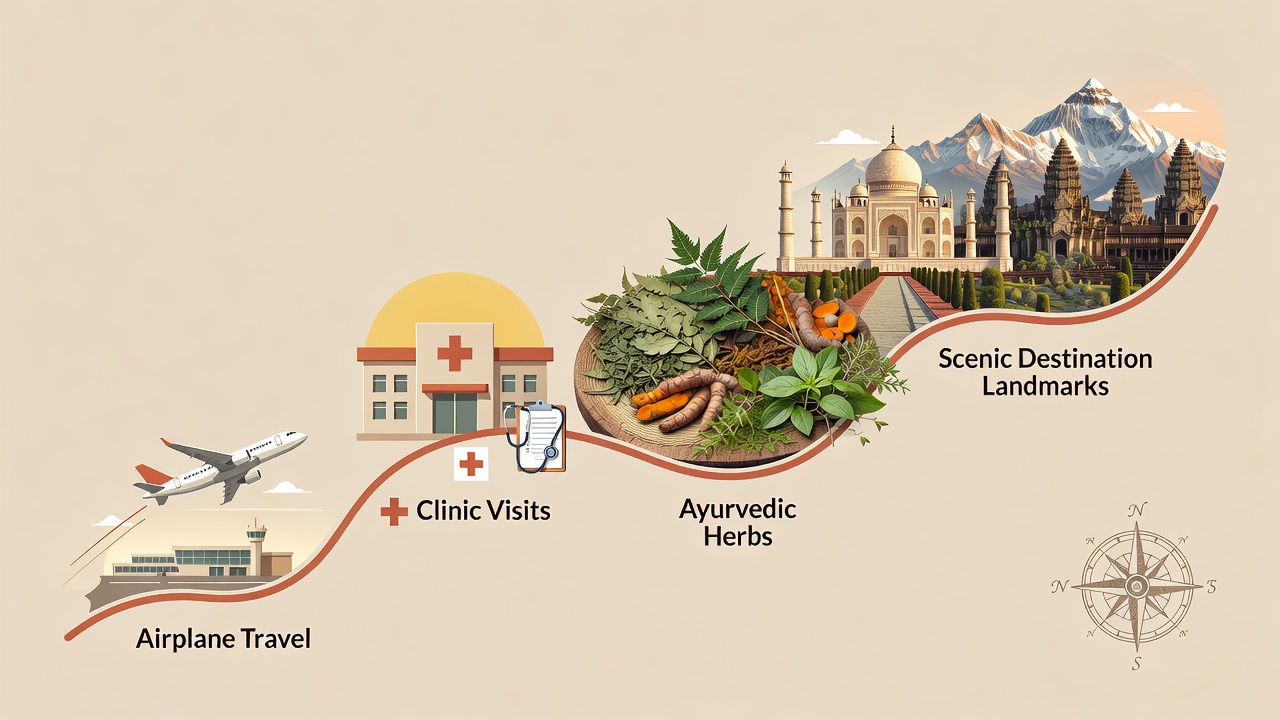
Medical tourism combines travel with healthcare services. Patients choose destinations known for specialized clinics in hair restoration or dental work. The process starts with identifying needs, researching providers, and arranging travel logistics. Many first-timers appreciate how destinations in Asia and Europe blend efficient medical facilities with cultural experiences. Understanding the basics helps avoid overwhelm. Focus on accredited clinics, transparent communication, and clear package options that may include consultations and follow-up planning. Additional considerations include time zone adjustments, local customs, and how to maintain daily routines while abroad. This foundational approach ensures the trip remains educational and manageable rather than stressful.
Core Concepts of Ayurveda for Holistic Support
Ayurveda views health through doshas—vata, pitta, and kapha—and uses herbs, diet, and routines to restore balance. In a tourism context, this means incorporating gentle practices like herbal oils or meditation that align with the body’s natural rhythms. Beginners often find these accessible entry points into wellness that complement procedural care. The philosophy centers on prevention and personalization, encouraging individuals to tune into their unique constitution. Simple concepts such as mindful eating or basic breathing exercises can be introduced gradually, making the system approachable even without prior knowledge. This framework supports the idea that external treatments work best when internal harmony is also nurtured.
Why Ayurveda Is Gaining Traction in This Space
More patients explore Ayurveda because it promotes overall harmony alongside targeted treatments. Clinics in popular medical tourism hubs now offer introductory Ayurvedic sessions that fit seamlessly into travel itineraries. This trend reflects growing interest in wellness tourism that addresses mind, body, and spirit together. Real-world examples show individuals combining a hair procedure with introductory Ayurvedic consultations, creating a more rounded trip that feels restorative from the start. The integration appeals particularly to those who value natural traditions alongside modern medicine, as it provides a sense of cultural immersion in addition to clinical outcomes.
Key Benefits of the Combined Approach
Integrating Ayurveda can enhance the overall experience by fostering relaxation and balance. Patients report feeling more prepared mentally when simple Ayurvedic elements are included. It also encourages lifestyle awareness that extends beyond the trip. Compared to standard packages, those with Ayurvedic components often emphasize personalized attention and natural elements, appealing to holistic-minded travelers. Benefits extend to improved mental clarity and a stronger sense of control over one’s health journey, which can be especially valuable for first-time medical tourists navigating unfamiliar environments.
Simple Comparisons of Treatment Packages
Basic packages focus solely on the procedure, while enhanced options may bundle introductory wellness sessions. When comparing, look at inclusions like initial assessments, accommodation proximity to clinics, and any cultural orientation. Beginners should prioritize clarity over extras to keep the first trip manageable. Destinations vary: some emphasize advanced dental facilities, others specialize in hair restoration with wellness add-ons. Reviewing sample itineraries online helps narrow choices. Consider factors such as clinic communication style, language support availability, and how easily the package aligns with personal wellness preferences. A simple comparison table or checklist can reveal which options best match beginner needs without overcomplicating the decision.
- Standard packages: Procedure-focused with minimal add-ons
- Enhanced packages: Include basic Ayurvedic introductions and orientation
- Hybrid options: Combine elements from both for flexibility
Initial Research Steps for Clinics and Destinations
Start by verifying clinic credentials through official health ministry sites in target countries. Next, read patient testimonials on independent platforms and contact clinics directly with questions about their approach to holistic support. Use resources like the World Health Organization for general safety guidelines on international healthcare travel. Map out visa requirements, flight options, and local transport early. Many beginners create a simple checklist covering language support, payment methods, and emergency contacts. Additional steps include reviewing doctor qualifications, understanding facility accreditations, and exploring how clinics incorporate Ayurvedic principles at an introductory level. Cross-reference multiple sources to build a reliable shortlist of providers.
Real-World Examples of Patient Journeys
One first-time traveler from Europe combined a dental implant consultation in Thailand with introductory Ayurvedic sessions, describing the trip as both practical and calming. Another patient chose India for hair restoration, appreciating how local clinics integrated basic Ayurvedic principles into pre-arrival planning discussions. A third example involves a North American visitor who selected a destination offering combined packages, noting how the holistic elements helped ease initial anxieties about the medical aspects. These stories highlight accessible paths: research thoroughly, select providers open to holistic integration, and keep expectations realistic for a debut journey. Each journey underscores the value of starting small and focusing on education.
Budgeting Basics for Your First Trip
Focus on total estimated costs including procedures, travel, lodging, and any wellness add-ons. Track expenses with a simple spreadsheet and set aside a buffer for unexpected needs. Beginners benefit from comparing multiple quotes without committing immediately. Consider payment options accepted by clinics and any currency conversion factors. Qualitative planning—such as choosing shoulder seasons—can help manage overall spend effectively. Additional tips include researching local cost variations, factoring in meals and local transportation, and reviewing cancellation policies to protect your investment. This careful approach ensures financial preparedness without needing exact figures upfront.
Common Misconceptions to Avoid
Many beginners assume Ayurveda requires extensive prior study, yet introductory applications are designed for newcomers. Another misconception is that medical tourism always involves lower standards of care; reputable clinics maintain international benchmarks. Understanding these points helps set realistic expectations and prevents unnecessary hesitation when exploring combined treatment options.
Short FAQ Section
- Is Ayurveda suitable for first-time medical tourists? Yes, introductory elements are designed to be approachable and supportive.
- How do I choose between destinations? Prioritize clinic reputation and ease of travel logistics for your initial experience.
- What if I have no prior Ayurveda knowledge? Clinics often provide simple overviews tailored for beginners.
- Can I combine both hair and dental procedures? Some packages allow sequencing, but confirm feasibility with providers first.
- Are there language barriers in Ayurvedic clinics abroad? Many facilities employ multilingual staff to assist international visitors.
- How far in advance should planning begin? Allow several weeks for thorough research and coordination of all elements.
Conclusion
Blending Ayurveda with hair transplant and dental implant tourism opens a thoughtful pathway for beginners. By understanding medical tourism fundamentals, exploring holistic concepts, and following structured research steps, you can approach your first trip with greater confidence and clarity. This educational foundation empowers informed decisions that align with both medical goals and personal wellness aspirations.
No comments yet. Be the first!