 Veda Tour
Introduction: Why Mental Preparation Matters for Medical Tourism in 2026
Embarking on medical tourism for Ayurveda treatments, hair transplants, and dental implants requires more than booking flights and clinics. In 2026, travelers increasingly recognize that mental and emotional readiness can determine the success of combined holistic and surgical journeys. This guide explores building resilience for travel stress, cultural adaptation, and post-procedure recovery abroad. Many first-time patients focus solely on physical logistics such as vaccinations and accommodation, yet the psychological aspects often prove equally critical. Research from the World Health Organization shows that emotional well-being directly influences healing timelines and overall satisfaction with outcomes. Without proper mindset preparation, even the most meticulously planned trips can become overwhelming due to unexpected delays, language barriers, or recovery discomfort.
Medical tourism combining Ayurveda with cosmetic or restorative procedures like hair restoration and dental implants has grown steadily. Patients seek holistic benefits alongside aesthetic improvements, but success hinges on addressing anxiety, building patience, and creating support structures before departure. This article provides actionable steps tailored for beginners, including real-world examples and comparisons between mental and physical priorities.
Comparing Mental vs Physical Preparation Priorities
Physical prep includes vaccinations, packing medical records, and scheduling appointments, but mental prep addresses deeper layers that influence long-term results. Physical tasks typically take a few days or weeks to complete, whereas emotional readiness develops gradually over several weeks through consistent practice. Travelers who prioritize visualization and stress reduction report smoother recoveries compared to those who skip mindset work. For instance, a patient combining dental implants with Ayurvedic Panchakarma might physically prepare by researching clinics but mentally falter without tools for procedure anxiety, leading to heightened stress during the actual stay.
In contrast, those investing time in mental exercises often experience reduced cortisol levels and faster adaptation to new environments. Physical preparation ensures the body is ready, but mental preparation safeguards the journey from emotional derailment. Consider allocating equal time to both: one hour daily on logistics and another on mindfulness routines.
Ayurveda-Based Stress Reduction Methods
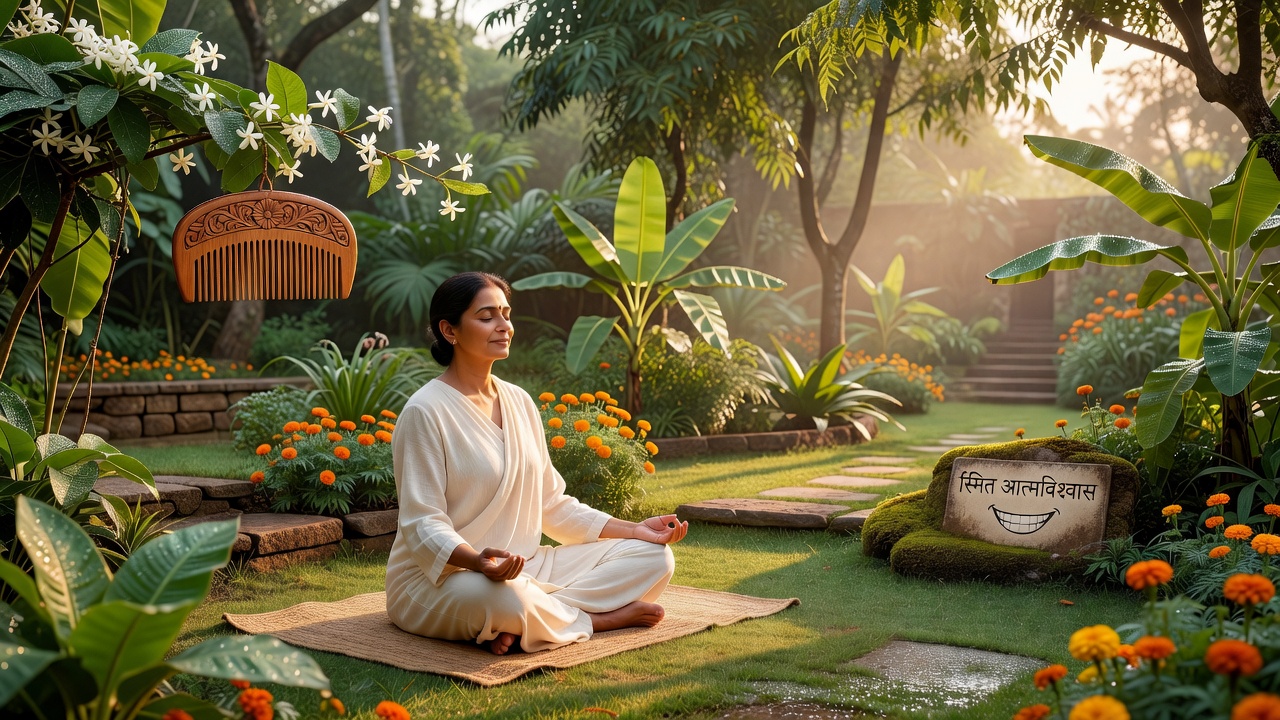
Ayurveda offers time-tested techniques for calming the mind before travel. Begin with daily Abhyanga self-massage using warm sesame oil to ground the nervous system and promote better sleep. Incorporate Nasya nasal oil application each morning and sip herbal teas like Brahmi or Ashwagandha to enhance mental clarity and reduce anticipatory worry. These practices align perfectly with upcoming hair and dental procedures by lowering inflammation-linked stress responses.
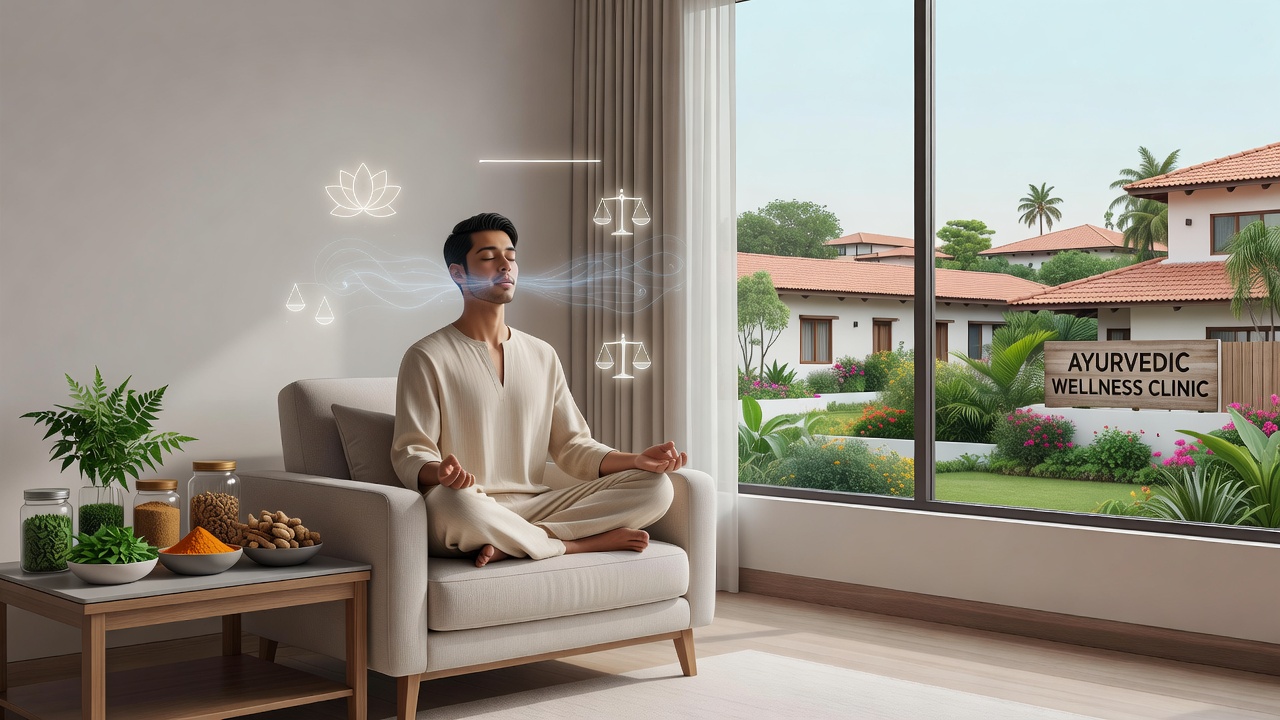
Practical steps include dedicating 20 minutes each morning to pranayama breathing exercises such as alternate nostril breathing. Track emotional progress in a dedicated journal, noting shifts in anxiety levels over time. Real traveler Sarah from Canada used these methods before her 2025 trip to Kerala and described feeling centered despite flight delays and minor clinic schedule changes. Another example involves Mark from Australia who integrated oil pulling and guided meditation, resulting in noticeably lower pre-procedure nerves during his combined dental and hair treatment journey.
Visualization Exercises for Procedure Success
Visualization strengthens confidence by mentally rehearsing positive outcomes. Close your eyes for 10 minutes twice daily and imagine the clinic environment, the gentle expertise of practitioners, and your transformed appearance after hair restoration and dental work. Layer in sensory details like the scent of herbal oils or the sound of calm voices. Combine this with positive affirmations rooted in Ayurvedic principles of dosha balance and inner harmony.
Advanced variations include creating a vision board with printed images of serene recovery spaces and healthy results. Practice progressive muscle relaxation immediately after each visualization session to anchor the calm state. One patient from the United States visualized seamless recovery daily for three weeks and later credited the habit for faster healing and reduced swelling after implants abroad.
Handling Procedure Anxiety and Cultural Shifts
Anxiety frequently peaks around unfamiliar medical settings, time zone changes, and cultural differences. Prepare by researching norms in popular destinations like India or Thailand through reputable travel resources. Practice the 5-4-3-2-1 sensory grounding method whenever overwhelm arises: name five things you see, four you can touch, three you hear, two you smell, and one you taste.
Additional techniques include listening to pre-recorded guided meditations specific to medical procedures and using language-learning apps for basic phrases in the local tongue. This mental rehearsal reduces the fear of the unknown and builds a sense of control. Travelers often find that journaling worst-case scenarios and their solutions diminishes the power of anxiety over time.
Building Emotional Resilience for International Travel
Resilience training involves simulating travel stressors in advance. Role-play scenarios such as lost luggage or communication challenges with clinic staff. Incorporate daily gratitude lists focused on the benefits of your chosen treatments to maintain motivation. These habits help maintain equilibrium when facing real disruptions in 2026 trips.
Creating Personal Support Networks
Isolation abroad can amplify stress significantly. Before departure, assemble a virtual network consisting of family video calls, online medical tourism forums, and a trusted local contact at your destination. Schedule weekly check-ins with a therapist experienced in wellness travel. Consider joining moderated Facebook groups or Reddit communities dedicated to Ayurveda and dental tourism for peer encouragement.
- Identify three emotional anchors such as close family members or daily routines carried abroad.
- Share your full itinerary with at least two trusted people for accountability and emergency support.
- Plan structured post-return integration activities like follow-up Ayurvedic consultations at home.
- Establish a backup communication plan using international SIM cards or reliable apps.
Practical Steps and Real Traveler Examples
Structure your preparation across four weeks. Week one centers on education about procedures and starting breathing exercises. Week two introduces visualization and cultural research. Week three focuses on assembling support networks and testing grounding techniques. Week four includes final mindfulness rehearsals and packing items that support mental calm, such as essential oils. A couple from the UK combined hair transplants with dental care after following this timeline and reported minimal emotional turbulence, citing daily journaling as their key tool for processing feelings.
Mistakes to Avoid in Mental Preparation
Common pitfalls include underestimating recovery time emotionally, ignoring jet lag effects on mood, and neglecting follow-up mental support upon returning home. Avoid comparing your journey to others on social media, as this breeds unnecessary anxiety. Instead, focus on personalized plans and professional guidance when needed.
FAQ: Addressing Common Fears
How do I manage fear of complications abroad?
Research accredited facilities thoroughly and carry detailed medical records. Mental prep includes contingency visualization and having emergency contacts ready at all times.
Is mental prep more important than physical?
Both matter greatly, yet mental resilience often determines long-term satisfaction and adherence to aftercare according to holistic health principles promoted by major wellness organizations.
What if cultural differences trigger anxiety?
Use pre-trip cultural immersion via books, documentaries, and language apps to normalize the experience and reduce surprises upon arrival.
Can I combine these methods with existing therapy?
Absolutely. Many travelers integrate Ayurvedic practices with sessions from licensed counselors for comprehensive support throughout the process.
Conclusion
Mental preparation transforms medical tourism from a potentially stressful experience into an empowering one. By integrating Ayurveda-based methods, structured visualization, resilience exercises, and robust support networks, 2026 travelers can approach combined Ayurveda, hair, and dental treatments with greater confidence and clarity. Begin your mindset journey several weeks in advance to maximize benefits and achieve optimal physical and emotional results.
No comments yet. Be the first!