 Veda Tour
Introduction to Blending Ayurveda and Medical Tourism
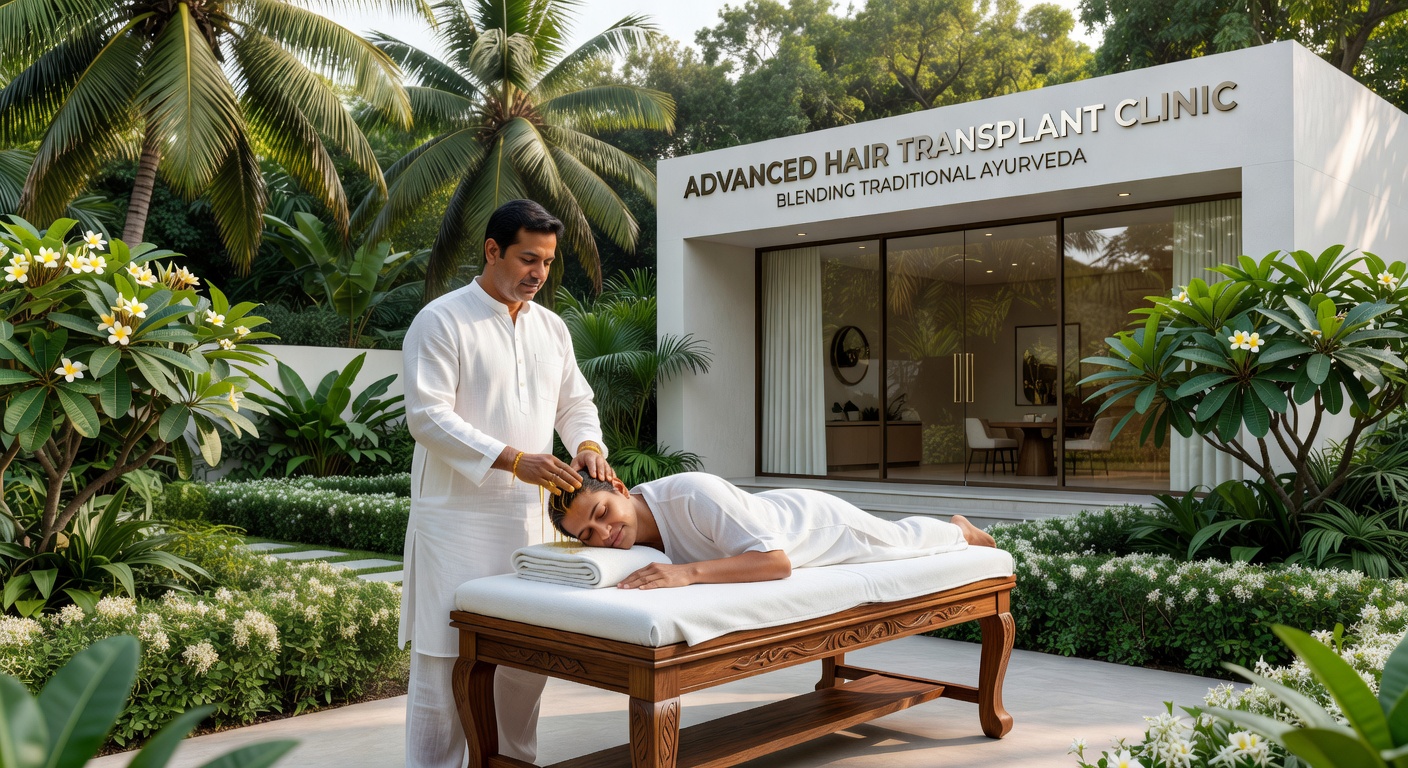
Medical tourism for hair transplants and dental implants continues to grow as patients seek high-quality care at lower costs combined with restorative travel. Integrating Ayurveda, India’s ancient system of holistic medicine, enhances these journeys by supporting natural healing, reducing inflammation, and promoting overall balance. This approach addresses both surgical recovery and long-term wellness, making trips more effective and rejuvenating. Many patients report that standard post-operative protocols alone leave them feeling depleted, whereas layering Ayurvedic principles creates a more complete recovery experience that supports physical repair alongside mental clarity.
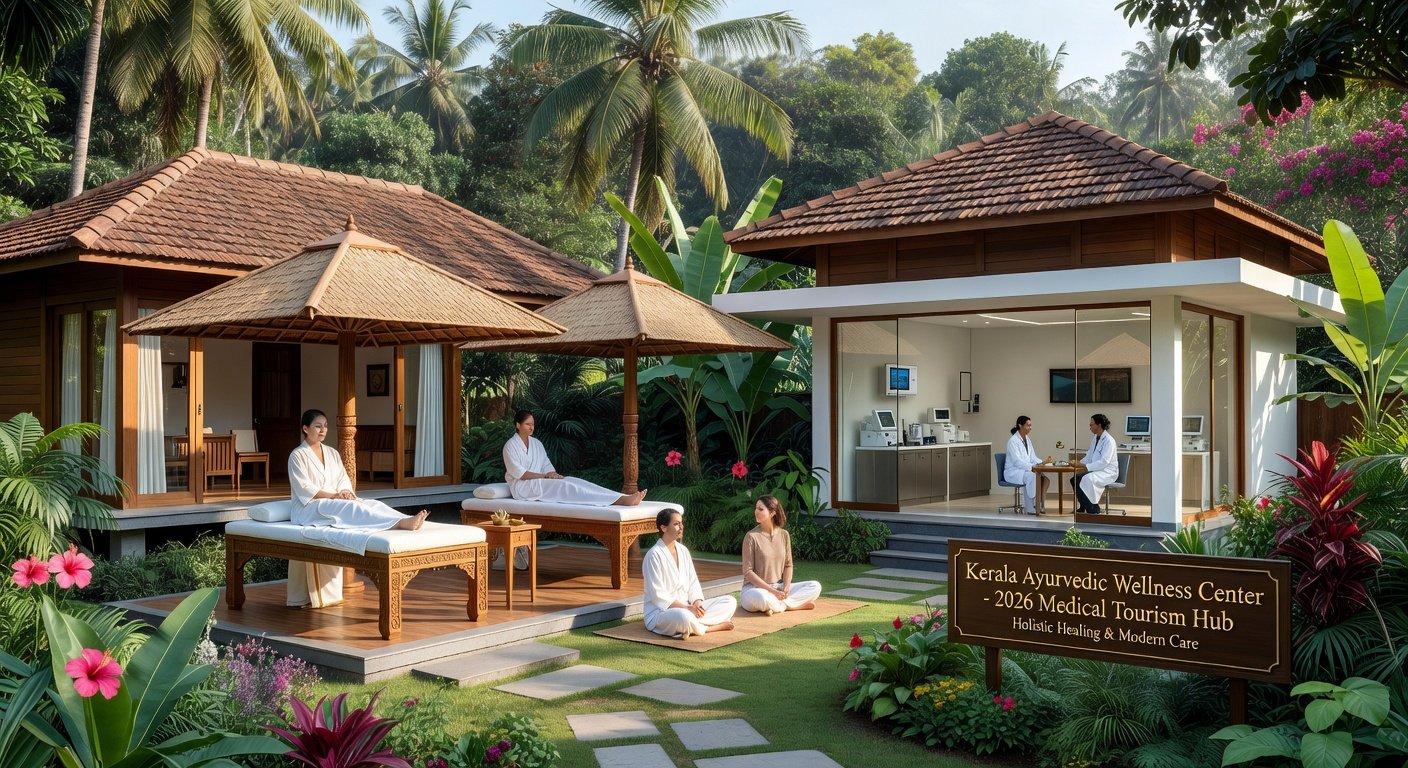
Travelers exploring this blend often choose destinations like India, Thailand, and Turkey where modern clinics coexist with traditional Ayurvedic centers. The synergy helps manage post-operative swelling, stress, and immune support while patients enjoy the cultural experience. Understanding the foundations of both Western surgical techniques and Ayurvedic dosha theory allows for a truly personalized medical tourism plan that respects individual body types and healing speeds.
Benefits of Ayurvedic Integration for Surgical Recovery
Ayurveda focuses on dosha balance (Vata, Pitta, Kapha) through herbs, diet, massage, and lifestyle adjustments. When paired with hair restoration or dental work, it accelerates tissue repair and minimizes complications. For example, herbal oils like Bhringraj strengthen hair follicles after transplants, while turmeric-based preparations reduce gum inflammation following implants. Patients who incorporate daily oil pulling after dental procedures often notice fresher breath and reduced infection risk within the first week.
Patients report faster return to normal activities and improved sleep quality. Standard care focuses on medication and rest, whereas Ayurvedic add-ons add personalized nutrition and stress relief, leading to better emotional outcomes during recovery. Additional benefits include lowered cortisol levels from therapeutic massages and enhanced circulation that supports graft survival in hair transplant cases. Real-world examples show individuals returning to work two to three days earlier than peers who skipped holistic support.
Choosing the Right Destinations
Optimal locations combine accredited surgical facilities with reputable Ayurvedic retreats. India stands out for its deep Ayurvedic heritage alongside world-class hair and dental clinics. Thailand offers luxury wellness resorts paired with advanced implant technology, while Turkey provides cost-effective hair restoration bundled with nearby spa options. Consider factors such as visa ease, flight connections, and clinic-journey proximity to minimize travel fatigue after procedures.
Research climate suitability—mild weather supports outdoor Ayurvedic therapies—and verify that clinics coordinate directly with wellness centers for seamless scheduling. In India, cities like Delhi and Bangalore host integrated centers where surgeons and Ayurvedic physicians share patient files. Thailand’s Phuket region excels for those wanting beachside recovery, and Turkey’s Istanbul clinics often partner with local hammams for gentle post-op steam therapies.
Treatment Sequencing and Timelines
Proper sequencing maximizes results. Most experts recommend arriving several days early for pre-procedure Ayurvedic consultations and Panchakarma detox. Surgery occurs mid-trip, followed by 7–14 days of gentle Ayurvedic therapies such as Abhyanga massages and herbal steam treatments. A sample 10-day pre-op phase might include nasya oil treatments for sinus health and dietary adjustments to reduce Pitta aggravation.
A typical 21-day itinerary allows full integration without rushing. Pre-surgery focus lies on immunity building; post-surgery emphasizes scar healing and energy restoration. Always confirm with both your surgeon and Ayurvedic practitioner to avoid herb-medication interactions. Extended timelines of 28–35 days suit complex cases involving multiple grafts or full-mouth dental work, giving ample space for progressive therapy intensity increases.
Budget Considerations and Value Comparison
Combining therapies adds value without necessarily doubling expenses. Ayurvedic add-ons often cost less than equivalent Western spa or physiotherapy sessions. Patients should compare packages that bundle consultations, treatments, and follow-ups versus paying separately. Focus on transparent providers who outline inclusions clearly. As of 2026-05-31, many medical tourism facilitators emphasize all-inclusive wellness bundles for predictability. The real savings come from reduced complication rates and shorter overall downtime, which translates to fewer lost workdays upon return home.
Clinic Vetting Tips
Thorough vetting protects your investment and health. Verify international accreditations such as JCI for surgical centers and government licensing for Ayurvedic spas. Read recent patient reviews on independent platforms, request before-and-after photos, and schedule virtual consultations. Confirm that the team includes both Western-trained surgeons and certified Ayurvedic doctors working collaboratively.
Watch for red flags such as pressure tactics, lack of transparent pricing structures, or unwillingness to share surgeon credentials. Request written coordination plans between the surgical and wellness teams. Contact previous international patients directly when possible to learn about real recovery timelines and staff responsiveness.
Preparation Checklist
- Obtain medical records and share them with both surgical and Ayurvedic teams two weeks prior.
- Pack loose cotton clothing suitable for massages and recovery.
- Arrange travel insurance that covers both medical procedures and wellness activities.
- Confirm dietary requirements aligned with Ayurvedic principles (e.g., sattvic meals).
- Book follow-up virtual check-ins for continued guidance after returning home.
- Research local emergency contacts and pharmacy locations near both clinic and retreat.
- Prepare a simple dosha self-assessment questionnaire to share with practitioners.
- Organize comfortable footwear for post-procedure swelling management.
Sample Daily Schedule
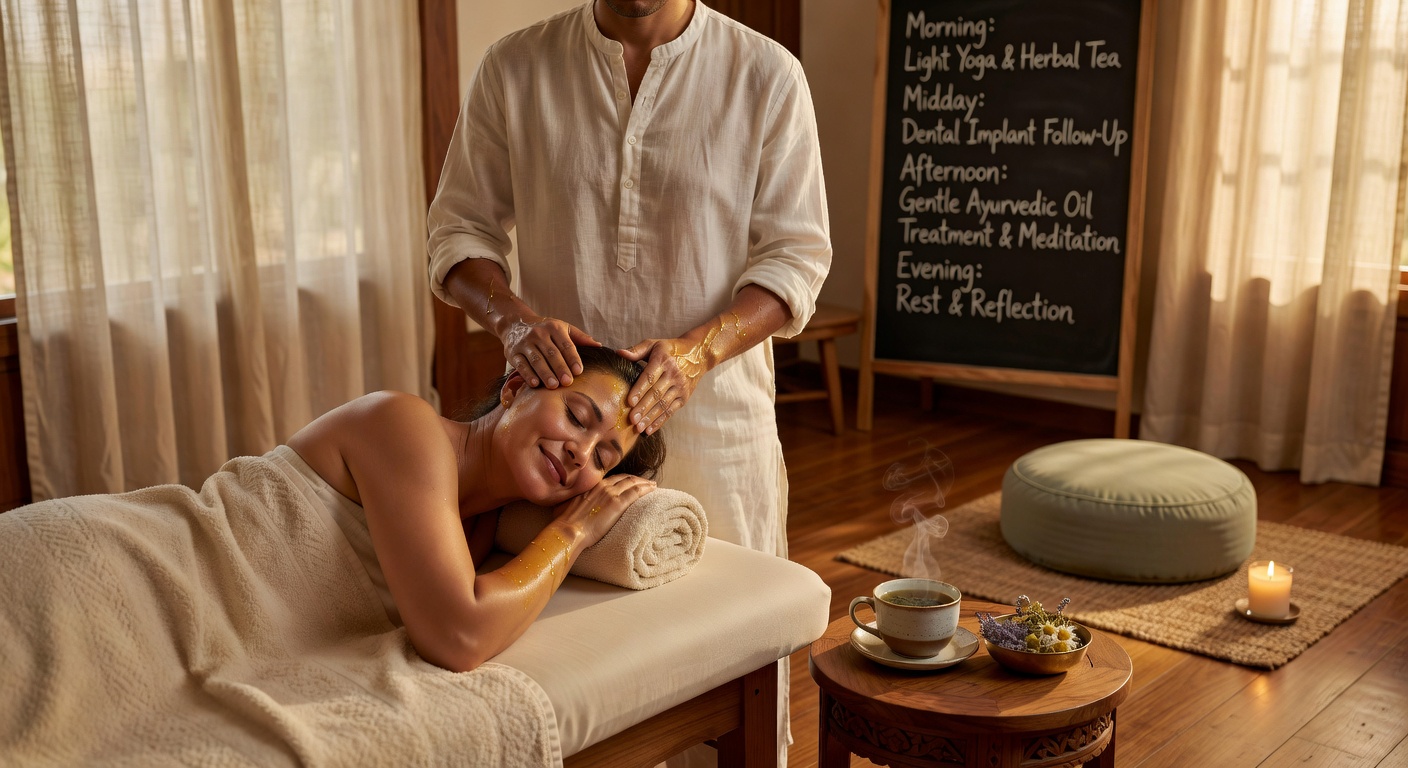
A balanced recovery day might include morning herbal tea and light yoga, followed by a surgical check-up. Afternoon sessions feature Abhyanga or Shirodhara treatments, while evenings focus on dosha-balancing meals and meditation. Adjust intensity based on healing progress and professional advice. For the first three post-op days, limit activity to gentle walks and 30-minute massages; by day seven, incorporate 45-minute guided breathing exercises and customized herbal baths. Evenings often include journaling to track energy levels and any subtle changes in swelling or discomfort.
Ayurvedic Add-Ons vs Standard Care Comparison
Standard care typically provides antibiotics, pain relief, and basic wound care. Ayurvedic options add herbal compresses, oil pulling for dental patients, and personalized diet plans. The combined approach often yields superior inflammation control and mental clarity, though results vary by individual constitution. In hair transplant cases, standard protocols focus on graft protection while Ayurvedic add-ons additionally target scalp circulation and stress reduction. Dental patients benefit from both antibiotic coverage and traditional oil pulling routines that support long-term oral microbiome health.
Potential Challenges and How to Overcome Them
Common hurdles include coordinating schedules between different practitioners and managing jet lag while starting therapies. Overcome these by creating a shared digital calendar accessible to all providers and arriving two full days early for acclimatization. Language barriers at some retreats can be addressed by requesting English-speaking therapists in advance. Weather-related disruptions are mitigated by selecting indoor therapy options during peak monsoon seasons in tropical destinations.
FAQs on Safety, Results, and Combining Therapies
Is it safe to combine Ayurvedic treatments with surgical procedures?
Yes, when supervised by qualified professionals. Share full medical history to prevent contraindications, and choose integrated clinics experienced in medical tourism. Always obtain clearance from your primary physician before travel.
What results can I expect?
Patients commonly experience reduced swelling within days and improved energy. Hair growth and implant integration timelines remain consistent with standard protocols while overall wellness improves. Long-term benefits often include stronger immunity and better stress management habits carried home.
How do I combine therapies effectively?
Begin with a joint consultation. Prioritize gentle therapies immediately post-surgery and increase intensity as healing progresses. Maintain open communication between all providers and adjust plans weekly based on progress reports.
Are there any contraindications to watch for?
Certain herbs may interact with blood thinners or antibiotics. Full disclosure of current medications allows practitioners to substitute safe alternatives such as topical applications instead of internal remedies.
For authoritative guidance on global health standards, consult World Health Organization resources on traditional medicine integration. Additional best practices appear on Mayo Clinic’s patient education pages and research summaries from National Center for Biotechnology Information.
No comments yet. Be the first!