 Veda Tour
Introduction to Combined Medical Tourism in 2026
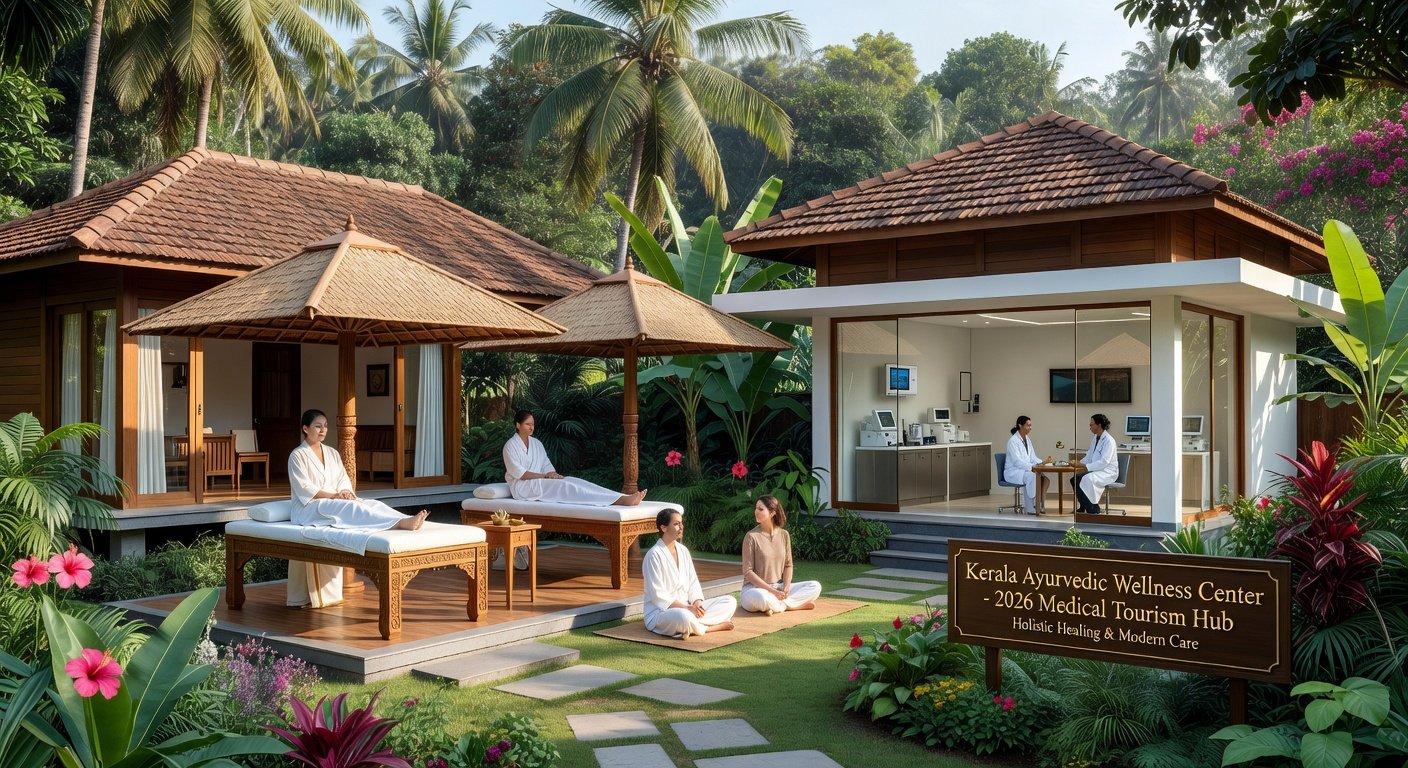
Medical tourism continues to evolve rapidly in 2026 as patients from around the world seek integrated experiences that blend traditional wellness therapies with advanced surgical procedures. Leading destinations now cater to travelers wanting authentic Ayurveda alongside hair restoration or dental work, creating efficient multi-treatment trips that save both time and resources. India stands out for its deep integration of traditional Ayurveda practices with modern medical facilities, while Turkey excels in hair transplant technologies and Mexico offers strong value and convenience for dental implants. This comprehensive guide examines key factors including clinic accreditation standards, recovery timelines, cultural considerations, total cost considerations, and practical logistics to help international patients plan safe and effective journeys.
Patients are increasingly combining treatments to maximize their time abroad and achieve holistic results. For instance, a traveler might undergo Ayurvedic rejuvenation in Kerala to prepare the body before traveling to Istanbul for a hair transplant, then conclude with dental implants in Cancun. Such itineraries require careful coordination of recovery periods, travel requirements, and follow-up care coordination with home physicians. Understanding these elements ensures smoother experiences and better outcomes.
Why India Excels in Ayurveda Integration
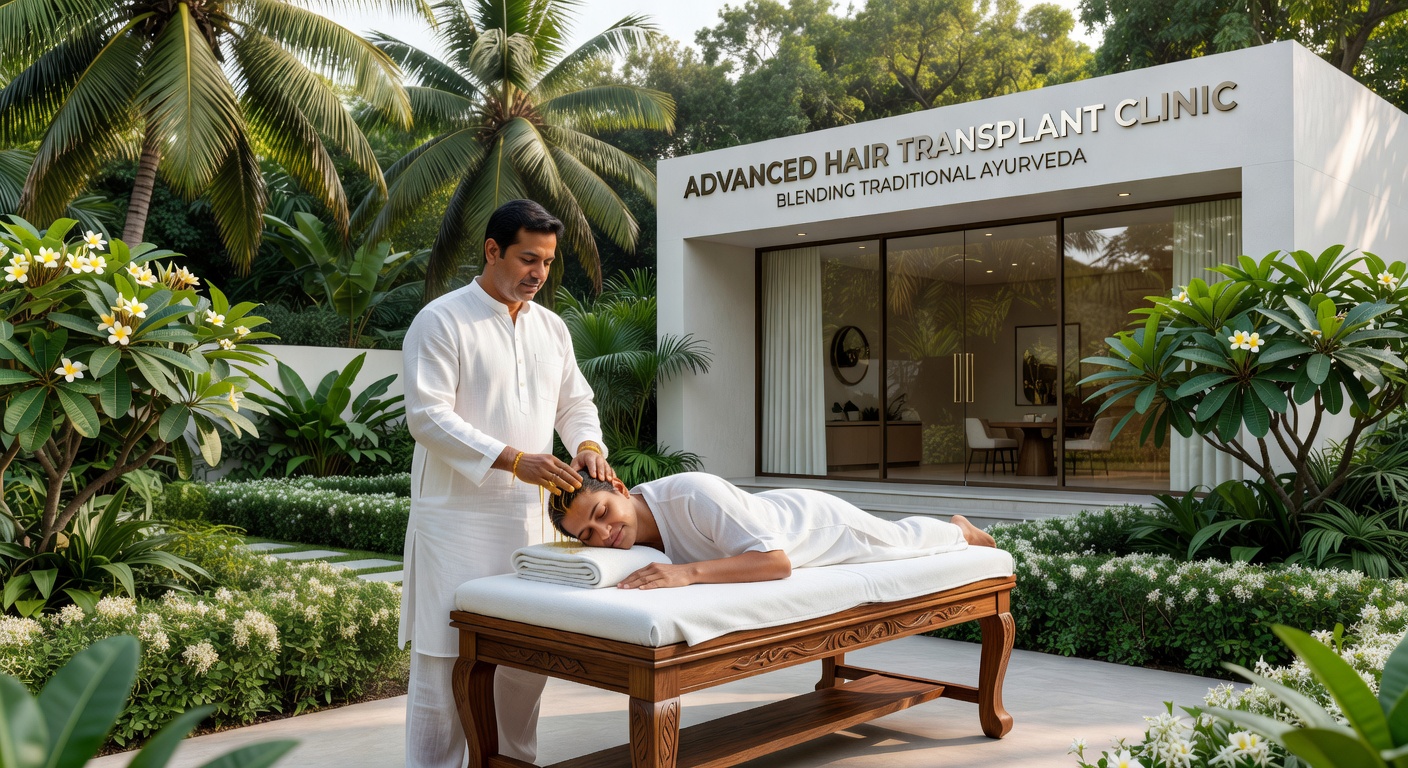
India remains the premier choice for authentic Ayurveda experiences fused with modern medical care. Clinics in states like Kerala and Karnataka often hold international accreditation and combine Panchakarma therapies with post-surgical recovery support. This holistic approach helps reduce inflammation, boost immunity, and promote faster healing after procedures performed elsewhere on the same trip. International patients appreciate the cultural immersion, from daily yoga sessions to customized herbal treatments tailored to individual doshas and body types.
Accredited facilities follow strict hygiene and safety protocols aligned with global standards recommended by organizations such as the World Health Organization. Recovery timelines for Ayurvedic programs typically span 7 to 21 days depending on the intensity of treatments, allowing patients to integrate wellness while preparing for or recovering from surgical interventions. Cultural considerations include respecting vegetarian dietary preferences common in Ayurvedic centers and participating in temple visits or meditation sessions that enhance the overall therapeutic journey and mental well-being.
Turkey's Leadership in Hair Transplant Procedures
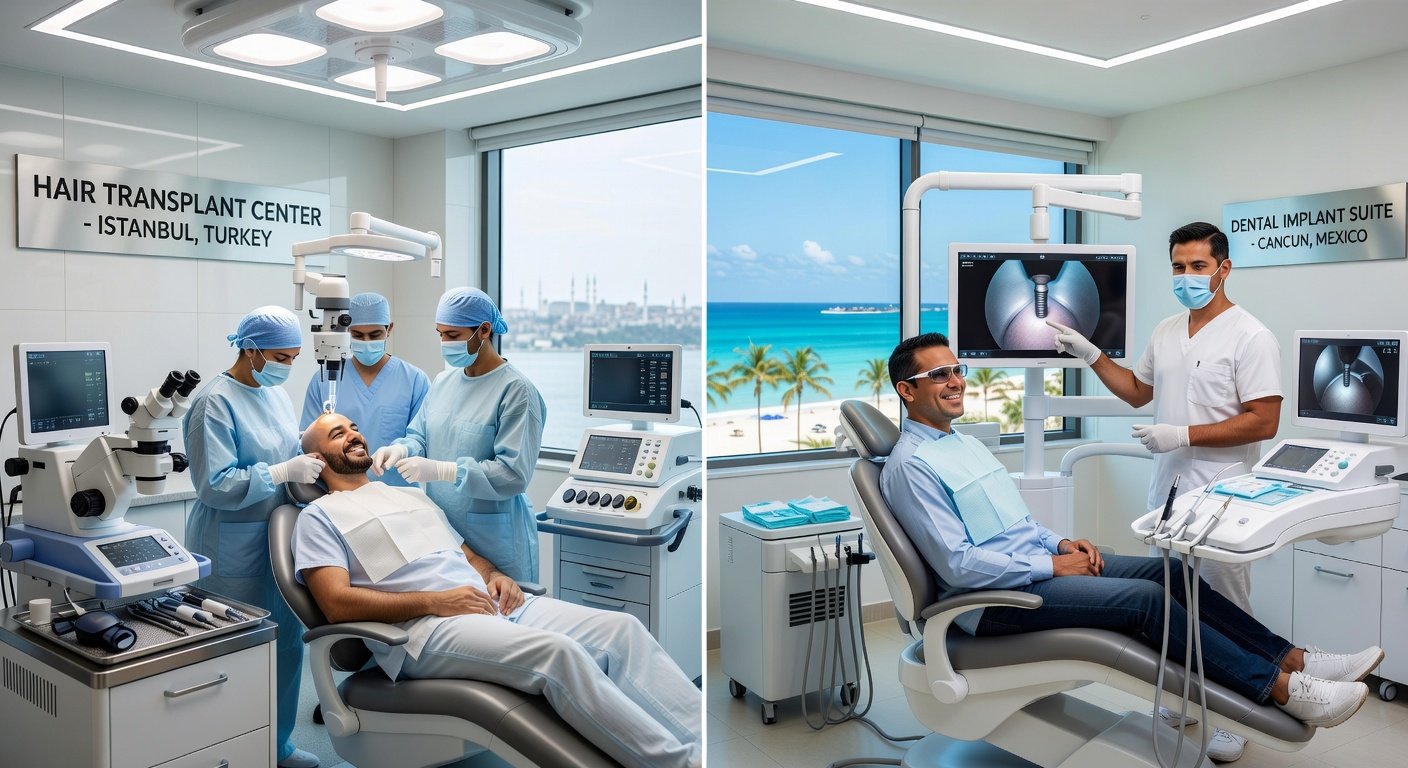
Turkey has solidified its position as a global hub for hair restoration due to highly experienced surgeons, advanced techniques, and state-of-the-art clinics concentrated in Istanbul and Antalya. Popular methods such as FUE and DHI deliver natural-looking results with minimal scarring and high success rates. Many clinics maintain JCI accreditation, ensuring compliance with rigorous safety and quality benchmarks that give patients confidence in outcomes.
Typical recovery involves 10 to 14 days of visible healing, during which patients are advised to avoid strenuous activity, swimming, and direct sunlight. Cultural factors include the welcoming Turkish hospitality and widespread availability of English-speaking medical staff and coordinators, making the experience comfortable for visitors from Europe and North America. Turkey's strategic location also simplifies combining hair transplants with short wellness breaks or sightseeing in nearby historic areas.
Mexico's Strengths in Dental Implant Tourism
Mexico attracts patients seeking high-quality dental implants, particularly in accessible locations like Tijuana near the U.S. border and resort destinations such as Cancun. Clinics frequently partner with U.S.-trained dentists and utilize premium materials including titanium implants. Accreditation through recognized bodies ensures consistent standards of care and patient safety throughout the process.
Implant procedures often require two visits spaced several months apart for proper osseointegration, though some advanced protocols allow for quicker timelines. Patients enjoy shorter overall trips when combining initial consultations and preparatory work during the same journey. Cultural elements feature vibrant local cuisine adapted for post-procedure soft diets and proximity to beaches that support relaxed recovery environments with minimal stress.
Side-by-Side Destination Comparison
Evaluating India, Turkey, and Mexico side by side reveals distinct advantages for combined medical tourism trips in 2026. India offers the most seamless Ayurveda integration with an emphasis on holistic healing that complements other treatments. Turkey provides unmatched expertise and high procedural volume in hair restoration, while Mexico delivers convenient access for North American patients along with strong support for dental work.
- Clinic Accreditation Standards: All three countries feature JCI-accredited facilities, though Turkey and Mexico highlight surgical volume and specialized teams while India focuses on holistic and integrative certifications.
- Recovery Timelines: Ayurveda programs in India require the longest dedicated wellness period for full benefits, hair transplants in Turkey need moderate aftercare with quick return to light activities, and dental implants in Mexico involve staged visits with careful monitoring.
- Cultural Considerations: India emphasizes spiritual wellness and traditional practices, Turkey focuses on modern luxury combined with efficient service, and Mexico blends medical care with leisure and relaxation opportunities.
- Travel Connectivity: Direct flights and regional connections make multi-country itineraries feasible, with each destination offering strong infrastructure for international arrivals.
These comparisons help patients prioritize based on personal health goals and available time for the overall trip.
Visa, Travel Logistics, and Multi-Treatment Itineraries
Visa requirements vary by nationality but often include straightforward e-visas for India and Turkey, with Mexico offering easy tourist permits for many visitors from the United States and Canada. Flights between these destinations remain frequent and reasonably priced, enabling logical routing such as starting in Delhi, moving to Istanbul, and then onward to Cancun or similar combinations.
Real-world examples of successful multi-treatment itineraries include a 28-day journey beginning with 10 days of Ayurvedic detox and rejuvenation in India, followed by a hair transplant procedure in Turkey with built-in recovery time, and concluding with dental implant placement in Mexico. Patients should always factor in buffer days for potential follow-up appointments, minor adjustments, and unexpected travel delays. Consulting travel health resources from the Centers for Disease Control and Prevention helps address vaccinations and health precautions specific to each country.
Practical Steps for Evaluating Providers
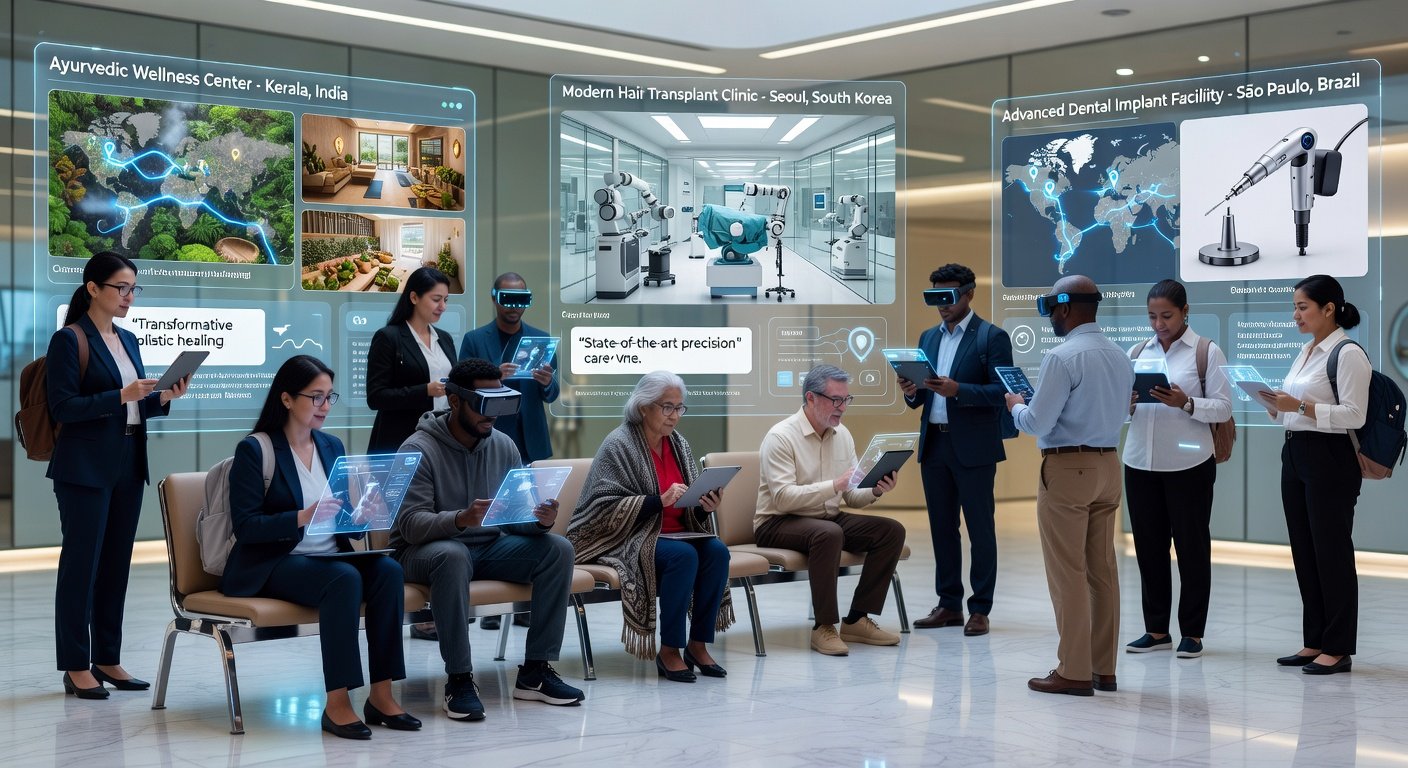
Selecting the right clinics and specialists requires systematic evaluation to ensure safety and quality. Begin by verifying international accreditations such as JCI or national equivalents through official online registries. Next, review recent patient testimonials and detailed before-and-after galleries that specifically address combined treatment experiences. Confirm surgeon credentials, years of experience, and the availability of robust language support services including translators.
Request comprehensive treatment plans that outline every step from initial consultation through aftercare coordination with physicians back home. Compare full packages that include accommodation, airport transfers, medications, and follow-up visits rather than focusing solely on individual procedure elements. Finally, schedule virtual consultations to assess communication quality and comfort level with the medical team before committing.
Potential Challenges and How to Mitigate Them
While combined medical tourism offers many benefits, patients may encounter challenges such as language barriers, varying standards of aftercare, or unexpected complications during recovery. To mitigate these, choose providers with dedicated international patient departments and establish clear communication channels early. Arrange for medical records to be shared electronically with home doctors and consider purchasing supplemental travel insurance that covers medical complications abroad.
Another common issue involves adjusting to different climates and diets during recovery. Planning extra rest days and following personalized dietary recommendations from Ayurvedic or surgical teams helps maintain progress. Being aware of these factors in advance leads to more successful and stress-free experiences.
Short FAQ on Common Concerns
Does insurance cover treatments abroad?
Most standard health insurance policies do not cover elective procedures performed overseas. However, some specialized medical tourism insurance plans provide reimbursement for complications or follow-up needs. Patients should review policy details and consult insurance providers well before travel.
How is follow-up care managed after returning home?
Reputable clinics offer virtual consultations and readily share detailed medical records with local doctors. Establishing a relationship with a home-based specialist prior to departure ensures seamless continuity of care once the trip concludes.
What are key red flags when choosing clinics?
Avoid facilities that pressure immediate decisions, lack transparent accreditation details, or have limited verifiable patient reviews. Always prioritize those with clear aftercare protocols and responsive communication.
Conclusion
Choosing the right combination of destinations for Ayurveda, hair transplants, and dental implants in 2026 depends on individual priorities around wellness integration, surgical expertise, and overall convenience. India, Turkey, and Mexico each bring unique strengths that together create compelling multi-treatment opportunities for patients seeking comprehensive results. By focusing on accredited providers, realistic recovery planning, thorough preparation, and proactive communication, patients can achieve transformative health improvements while enjoying enriching cultural experiences. Always consult qualified medical professionals and conduct detailed research to tailor every aspect of the journey to personal health needs and circumstances.
No comments yet. Be the first!