 Veda Tour

Introduction to Personalized Ayurvedic Healing on the Road
Travelers seeking deeper wellness outcomes in 2026 are turning to personalized Ayurvedic plans that align with individual constitutions rather than generic spa packages. This approach integrates dosha assessment while traveling, blends local ingredients with traditional practices, and adapts daily routines to varying climates for lasting holistic healing. Unlike one-size-fits-all retreats, these custom plans consider your unique prakriti, current imbalances, and the specific demands of your journey, leading to more sustainable results such as improved digestion, better sleep, and reduced stress upon return home.
The growing interest in personalized wellness stems from increased awareness of Ayurveda’s holistic principles. As more people combine international travel with intentional healing, the focus shifts toward customization. This article provides actionable guidance for building effective plans that fit modern travel schedules while honoring ancient wisdom.
Understanding Your Dosha During Travel
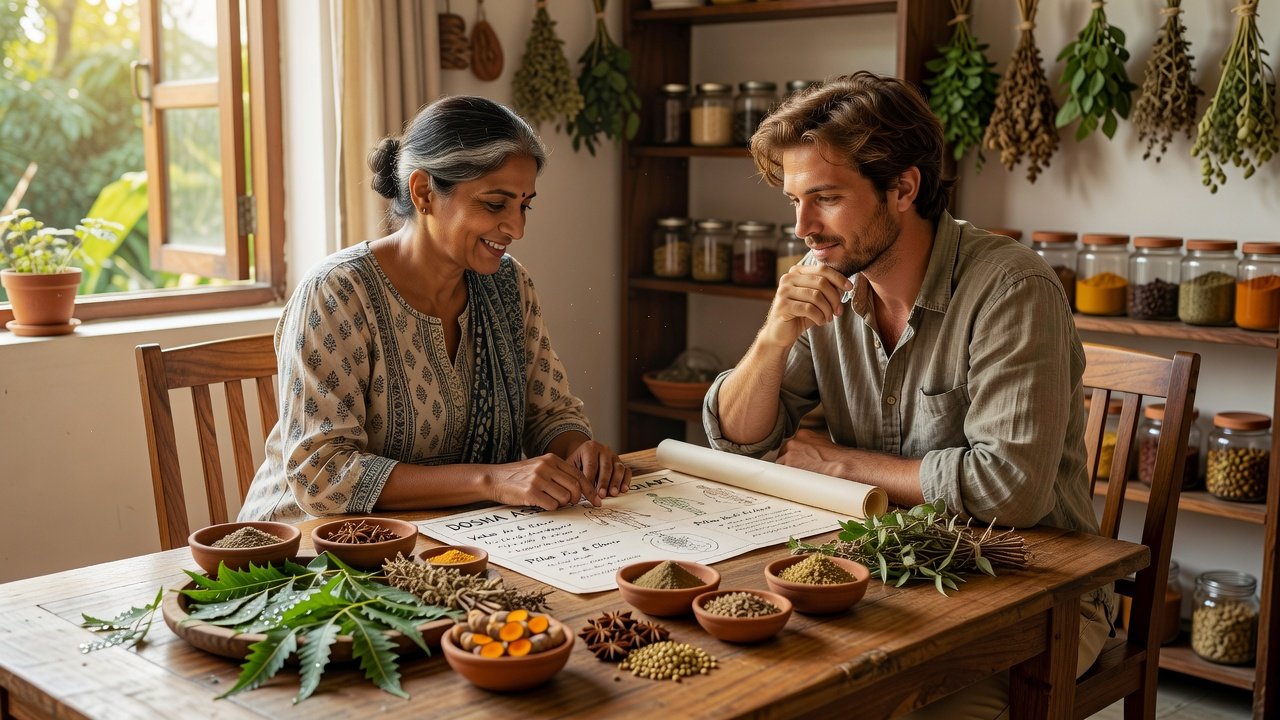
Before departure, complete a professional dosha evaluation or use validated online tools to identify your primary constitution. Once on the road, reassess periodically because jet lag, diet shifts, and climate changes can temporarily alter vata, pitta, or kapha balance. Many wellness destinations now offer on-site consultations within the first 48 hours of arrival. Understanding these shifts helps prevent common travel complaints like fatigue or digestive upset.
Step-by-Step Dosha Assessment on the Go
- Keep a simple journal noting energy levels, digestion, and sleep patterns each evening, rating them on a scale of one to five for quick pattern recognition.
- Consult an on-site Ayurvedic practitioner for pulse diagnosis and tongue examination to confirm any changes from your baseline.
- Adjust oil massages or herbal teas based on observed imbalances, such as increasing sesame oil for vata aggravation or cooling rose water for pitta.
- Re-evaluate mid-trip after three days of new routines to fine-tune the remaining itinerary.
Blending Local Ingredients with Traditional Practices
Authentic personalization means sourcing seasonal produce and herbs at your destination. In tropical climates, incorporate cooling ingredients like coconut and mint for pitta types. In cooler regions, favor warming spices such as ginger and cinnamon. This fusion enhances therapeutic results while supporting local economies and reducing the need to transport heavy supplies. For example, travelers in Southeast Asia often combine fresh turmeric from local markets with classical golden milk recipes, creating potent anti-inflammatory drinks suited to humid conditions.
Learn more about integrative approaches from NCCIH.
Adapting Routines to Different Climates
Hot, humid destinations require shorter outdoor sessions and increased hydration with electrolyte-rich herbal infusions. Arid environments benefit from oil-based self-massage to prevent dryness and twice-daily abhyanga. Mountain retreats may call for earlier bedtimes to accommodate altitude effects on vata, along with heavier grounding foods like root vegetables. Coastal areas with high winds often need protective nasya oil applications to shield the sinuses. These adaptations ensure the body maintains equilibrium despite environmental stressors.
Building Your Personalized Itinerary: Step-by-Step Methods
Follow this framework for a balanced seven- to ten-day journey that allows time for assessment, treatment, and integration. Begin with pre-trip research on destination-specific Ayurvedic resources. Upon arrival, dedicate the first two days to rest and initial consultation. Core treatment days should include two to three therapies daily, alternating active and restorative sessions. Mid-journey workshops teach self-care techniques such as oil pulling and breathwork. End with light activities like mindful walking tours that incorporate Ayurvedic principles. This structure prevents overwhelm while maximizing therapeutic benefits.
Real-World Examples from Wellness Destinations
Travelers in Kerala often combine traditional marma therapy with locally grown turmeric pastes for joint support. In California retreats, practitioners pair Ayurvedic principles with native botanicals like sage for respiratory support during dry seasons. European centers frequently adapt routines for seasonal produce while maintaining classical oil therapies. In Bali, customized plans might include daily yoga synchronized with dosha-specific herbal steam baths using lemongrass and ginger harvested nearby. These examples demonstrate how global destinations successfully merge tradition with local availability for highly effective outcomes.
Self-Guided vs Professional Approaches: A Comparison
Self-guided plans offer flexibility and lower costs but risk incomplete protocols or improper application of therapies. Professional guidance ensures safety and deeper results through expert monitoring of progress and immediate adjustments. Most experts recommend a hybrid: begin with professional assessment, then maintain self-care routines for the remainder of the trip. This balance maximizes both expertise and personal empowerment.
Practical Tips for Maintaining Balance
Pack a travel kit with triphala, sesame oil, and a copper tongue scraper. Schedule digital detox periods and prioritize consistent meal times aligned with your dosha. Monitor hydration and sleep even during sightseeing. Additional strategies include choosing accommodations near natural elements that support your constitution, such as quiet gardens for vata types. Practice daily gratitude journaling to support mental clarity and emotional balance throughout the journey.
FAQs on Common Challenges
How do I integrate Ayurvedic practices with jet lag?
Begin with grounding oil massage and warm, spiced milk upon arrival. Gradually shift meal times to the new time zone over two days while avoiding heavy evening meals.
Where can I find authentic practitioners abroad?
Seek centers affiliated with recognized Ayurvedic institutions and verify practitioner credentials through destination tourism boards or national health authorities.
What if I have dietary restrictions?
Communicate allergies and preferences during the initial consultation so practitioners can substitute ingredients while preserving therapeutic properties of the meals.
Additional guidance is available at World Health Organization.
Conclusion
Personalized Ayurvedic plans transform wellness travel into targeted holistic healing. By assessing doshas dynamically, blending local resources, and adapting to climate, travelers achieve sustainable balance in 2026 and beyond. Implementing these strategies leads to meaningful improvements in physical vitality and mental clarity long after the journey ends.
No comments yet. Be the first!