 Veda Tour
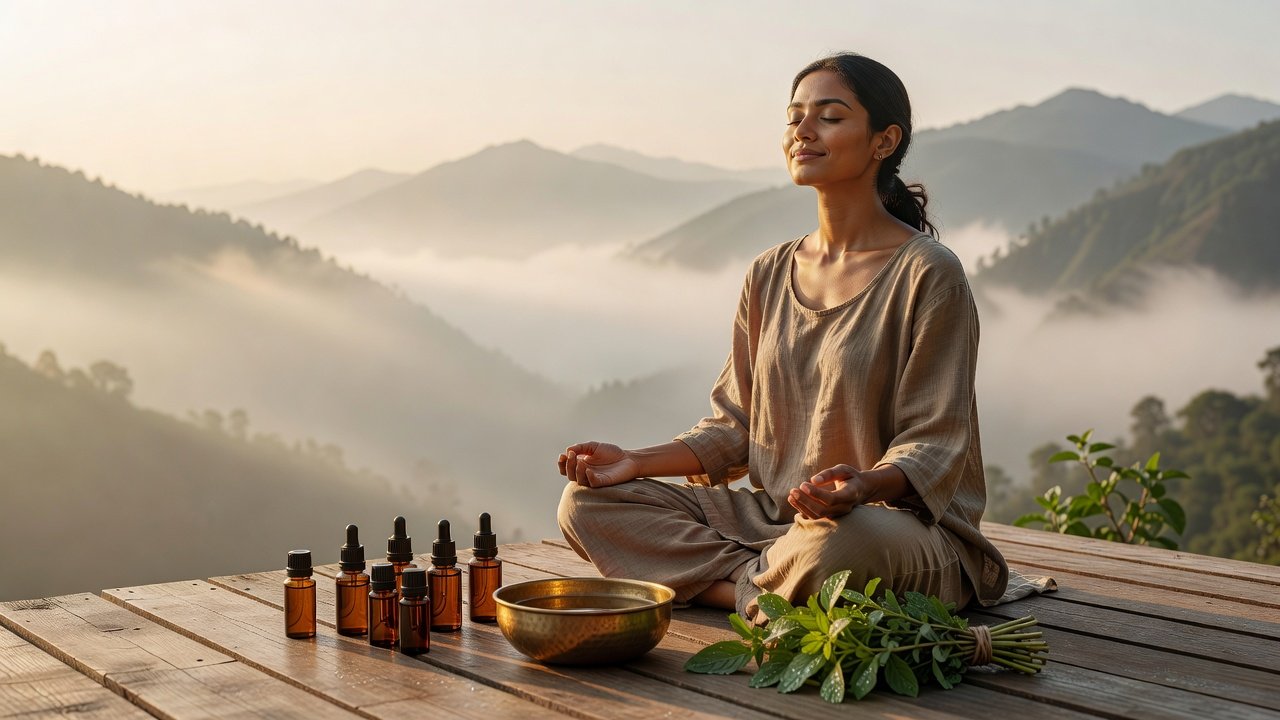
Introduction to Ayurvedic Aromatherapy for Wellness Travel
Wellness trips in 2026 emphasize holistic approaches that align body, mind, and spirit. Ayurvedic aromatherapy combines ancient principles with essential oils to address common travel challenges such as jet lag, digestive upset, and fluctuating energy. By tailoring blends to your dosha, you can create personalized support that promotes balance wherever you go. Ayurveda, the traditional Indian system of medicine, views health as a state of equilibrium among the three doshas: vata, pitta, and kapha. Travel disrupts these energies through time zone changes, unfamiliar foods, and stress, making targeted aromatherapy especially valuable for modern wellness travelers.
This comprehensive guide provides in-depth recipes, application techniques, sourcing advice, and practical tools. Understanding your dominant dosha helps select oils that counteract imbalances caused by disrupted routines and new environments. Whether you are attending a yoga retreat or exploring spiritual destinations, these blends support sustained vitality without synthetic aids.
Matching Essential Oils to Vata, Pitta, and Kapha Doshas
Ayurveda identifies three doshas that govern individual constitution. Vata types often experience anxiety, insomnia, and dryness during travel, benefiting from grounding, warming oils that promote stability. Pitta individuals may face inflammation, irritability, or overheating, so cooling and soothing scents work best to calm excess heat. Kapha travelers tend toward sluggishness, congestion, and low motivation, responding well to stimulating, light aromas that encourage movement and clarity.
Key oils for Vata include sandalwood for its earthy depth, lavender to ease nervousness, and ginger to warm and ground the system. Pitta favors rose for emotional cooling, peppermint for refreshment, and coriander for its gentle digestive support. Kapha thrives with eucalyptus to clear sinuses, cinnamon for circulation, and rosemary to invigorate mental focus. These pairings draw from traditional texts and modern complementary health resources such as National Center for Complementary and Integrative Health. Travelers can identify their dosha through simple online quizzes or consultation with an Ayurvedic practitioner before departure.
Step-by-Step Blend Recipes for Common Travel Issues
Creating custom blends requires precise measurements and suitable carrier oils. Start with a 2% dilution for adults: 12 drops essential oil per ounce of carrier. For jet lag recovery, combine 4 drops lavender, 3 drops bergamot, and 2 drops frankincense in 1 oz jojoba oil. Apply to wrists, temples, and the back of the neck before and after flights while practicing deep breathing.
For digestion support on the road, mix 3 drops ginger, 3 drops fennel, and 2 drops cardamom in fractionated coconut oil. Massage onto the abdomen in clockwise circles twice daily, especially after meals. Sleep blends use 5 drops vetiver, 4 drops chamomile, and 3 drops marjoram diluted similarly; roll onto the neck and inhale for 30 seconds at bedtime. An energy uplift blend for kapha-dominant travelers combines 4 drops rosemary, 3 drops lemon, and 2 drops peppermint in sweet almond oil, applied to the chest each morning. Always test a small patch first and consult a qualified practitioner for personalized advice, particularly if you have sensitivities.
Safe Dilution, Application Methods, and On-the-Go Use
Portable roll-on bottles simplify travel application and comply with airline regulations. Use 10 ml bottles filled with pre-diluted blends for easy access. Inhale directly from the bottle or diffuse in hotel rooms with a compact USB aromatherapy device. Avoid sun exposure after applying citrus oils to prevent photosensitivity reactions. Additional methods include adding one drop to a warm compress for headaches or creating a steam inhalation for sinus relief during flights.
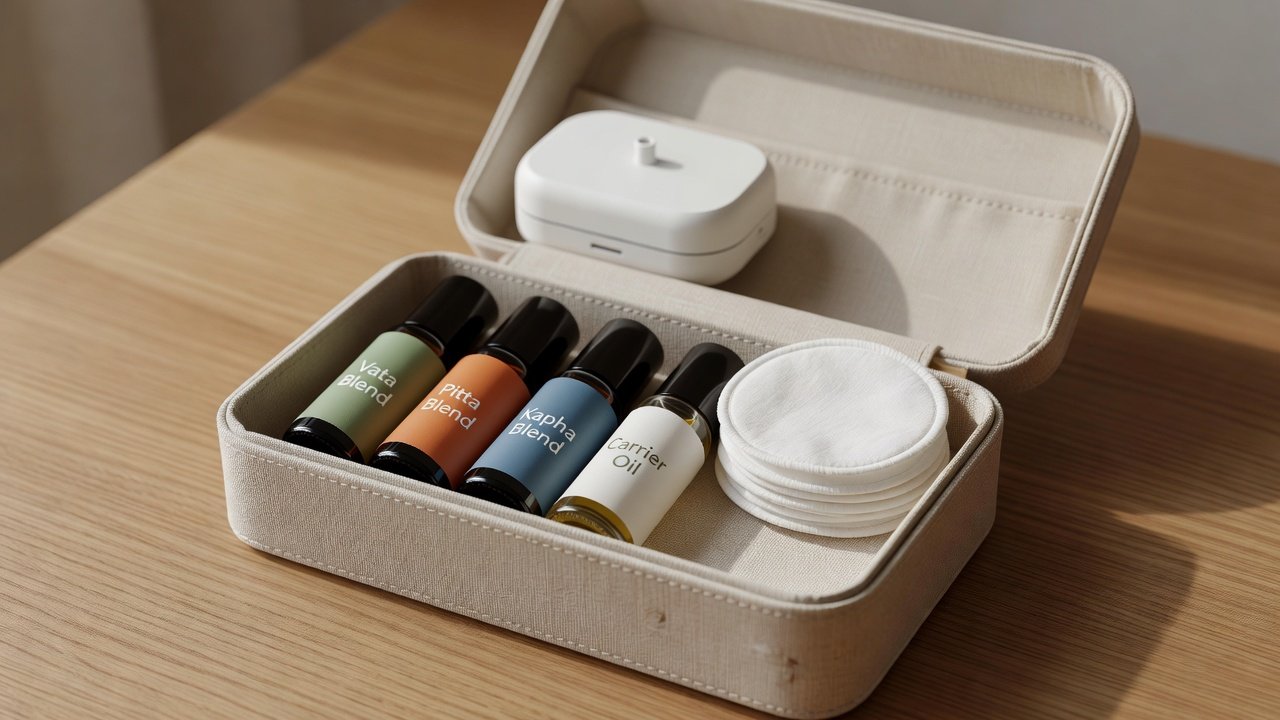
Practical examples include preparing three separate roll-ons labeled by dosha focus and storing them in a clear toiletry bag. Reapply every four to six hours as needed, and combine with mindful practices like meditation for enhanced results. These techniques ensure safe, effective use even in busy airports or remote wellness retreats.
Comparing Carrier Oils for Travel Blends
Selecting the right carrier oil affects absorption, scent longevity, and skin compatibility. Jojoba closely mimics human sebum, offers a long shelf life, and suits all doshas including sensitive skin. Fractionated coconut remains lightweight and non-greasy, absorbing quickly for applications during layovers or hikes. Sweet almond provides deep nourishment but feels heavier, making it ideal for dry vata skin though it benefits from cool storage in tropical climates. Grapeseed delivers a neutral scent and fast absorption that complements pitta needs for cooling relief. Consider your destination climate and skin type when packing to maximize blend performance.
Sourcing Sustainable Ingredients and Building Portable Kits
Prioritize organic, ethically sourced oils from suppliers with transparent certifications. Seek small-batch producers who share origin details to guarantee potency and freshness. A well-designed portable kit contains three roll-on bottles (one per dosha focus), a 1 oz carrier oil vial, cotton rounds for diffusion, and waterproof labels. Store everything in a zippered pouch that meets airline liquids rules. Additional useful items include a mini diffuser, reusable wipes, and a small notebook for tracking which blends work best. Sustainable sourcing protects ecosystems while supporting authentic Ayurvedic traditions, aligning with guidance from World Health Organization on traditional medicine practices.
Integrating Blends into 2026 Wellness Trip Experiences
Wellness journeys often include yoga sessions, meditation, and nature immersion. Use vata blends during early morning travel to maintain calm, pitta blends midday to avoid overheating at outdoor activities, and kapha blends in the evening to sustain energy. Many travelers report improved sleep quality and reduced bloating when consistent with their routines. Combine these oils with breathwork or gentle stretching for synergistic effects that deepen the holistic benefits of your trip.
Conclusion
Ayurvedic aromatherapy empowers wellness travelers with targeted, natural tools rooted in time-tested principles. Experiment with these blends to discover what restores your unique balance, and integrate them mindfully for transformative journeys throughout 2026 and beyond.
FAQ
How long do blends last? Properly stored in dark bottles away from heat and light, they remain effective for 6–12 months depending on the oils used.
Can children use these blends? Dilute further to 1% strength and always consult a pediatric expert or qualified aromatherapist before use on minors.
Are there pregnancy considerations? Many essential oils require avoidance during pregnancy; seek professional medical guidance tailored to your specific situation.
What if I have sensitive skin? Perform a patch test 24 hours in advance and choose gentle carriers like jojoba while starting with fewer drops of essential oil.
How do I identify my dosha? Simple online quizzes from reputable Ayurvedic sites or an in-person consultation provide accurate starting points for blend selection.


No comments yet. Be the first!