 Veda Tour
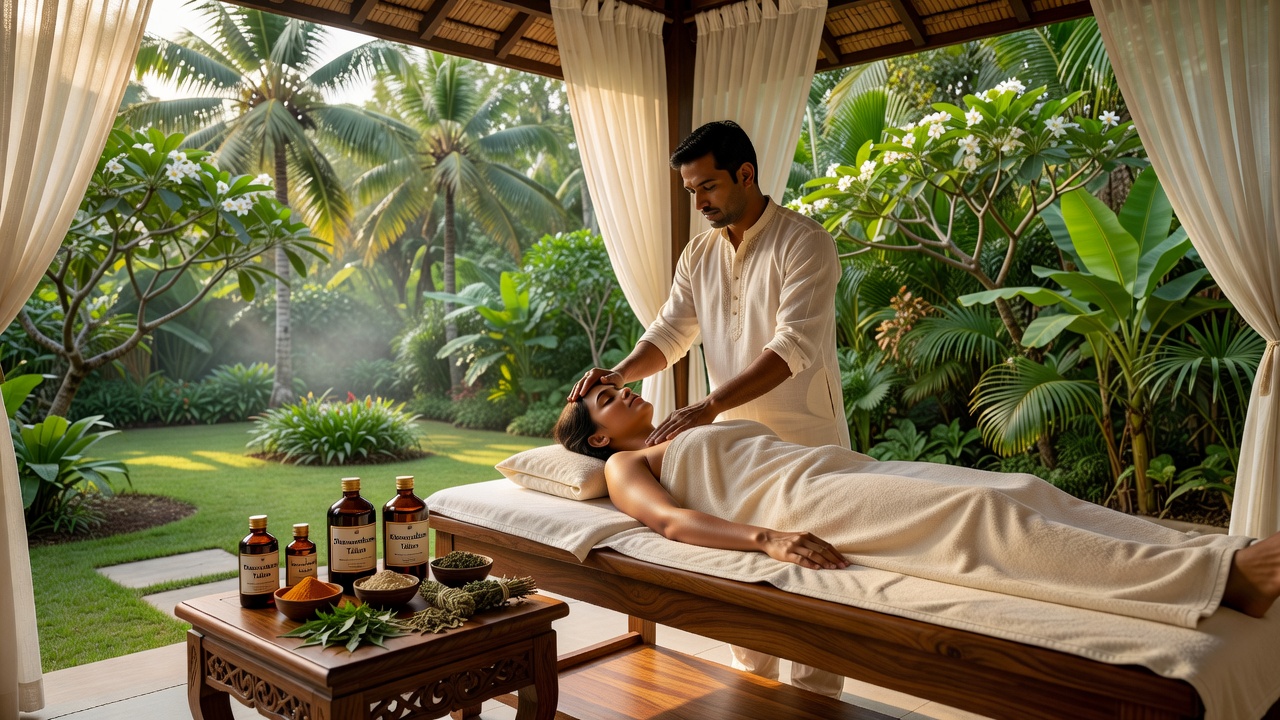
Marma therapy represents an advanced dimension of Ayurvedic healing that transcends basic spa rituals and standard detox programs popular in wellness travel. In 2026, discerning travelers are actively seeking targeted techniques for pain relief and energy restoration that integrate seamlessly into immersive journeys. This ancient system of vital energy points provides precise tools to address physical discomfort and emotional imbalances encountered during extended trips, offering a portable pathway to holistic well-being that complements yoga, meditation, and nutrition-focused retreats.
History and Foundational Principles of Marma Therapy
Rooted in classical Ayurvedic texts such as the Sushruta Samhita, marma therapy dates back thousands of years and views the body as an interconnected network of energy channels. The 107 primary marma points act as junctions where physical structures meet subtle energies, influencing organ function, emotional states, and overall vitality. Contemporary wellness programs adapt these principles for modern travelers facing jet lag, postural strain from flights, and stress from itinerary changes. Scientific interest has grown, with complementary medicine resources highlighting its role in supporting circulation and nervous system regulation without invasive interventions.
Mapping the Major Marma Points for Travelers
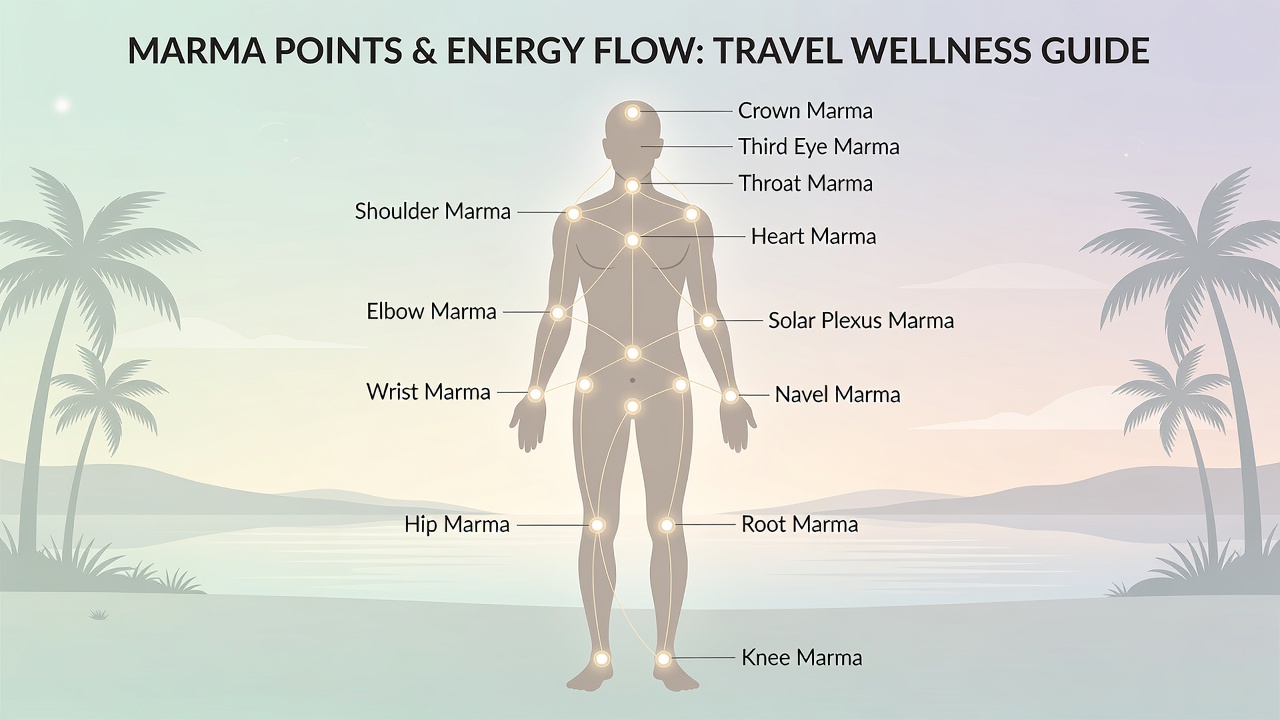
Effective practice begins with accurate location of key points. Talahridaya on the center of the palms and soles promotes circulation and grounds excess energy after long travel days. Kshipra, situated between the thumb and forefinger, aids stress reduction and immune support during exposure to new environments. Apanga near the outer corners of the eyes relieves headaches and eye strain from screens and altitude shifts. The Nabhi point around the navel regulates digestion disrupted by irregular meals and time zones, while Hridaya in the heart region fosters emotional stability amid cultural transitions. Additional points such as the cervical region for neck tension from carrying luggage and the lumbar area for lower back relief from prolonged sitting expand practical applications. Visual references help travelers memorize locations quickly before departure.
Step-by-Step Self-Application Methods
Self-application empowers travelers to maintain consistency without daily practitioner access. Begin each session by washing hands and warming them through gentle rubbing. Apply oil or lotion, then use circular motions with the thumb for larger zones like the chest and fingertips for sensitive areas such as the temples. Hold pressure for 30 to 90 seconds per point, breathing deeply to enhance prana flow. Morning sequences focus on energizing points like the palms to combat fatigue, while evening routines target calming points near the ears and feet for restful sleep in unfamiliar accommodations. Variations account for dosha types: Vata individuals use light, warming strokes; Pitta types prefer cooling, moderate pressure; Kapha benefits from vigorous stimulation. Repeat full-body sequences three times weekly during trips for cumulative effects.
Combining Marma with Travel-Friendly Practices
Integration amplifies results when paired with accessible modalities. Perform brief marma sessions alongside pranayama breathing exercises on airplanes or trains to mitigate cabin pressure effects. Follow with short yoga flows upon hotel arrival to release accumulated tension. Many 2026 wellness packages incorporate portable kits containing travel-sized oils and wooden probes, enabling independent practice between guided spa treatments and sightseeing. Combining with sound therapy or journaling after sessions deepens awareness of energetic shifts and supports mindful travel experiences.
Real-World Examples from Wellness Destinations
Destination retreats in Kerala, India, embed marma therapy within seven-day panchakarma programs, where guests receive guided instruction alongside herbal therapies and report measurable reductions in travel-induced inflammation. In Bali, Indonesia, luxury villas offer customized marma add-ons to yoga retreats, focusing on shoulder and hip points for surfers and hikers recovering from physical exertion. European wellness centers in Portugal have introduced marma-infused mindfulness walks, teaching point stimulation during nature immersion. These examples demonstrate adaptability across climates and traveler profiles, with participants noting sustained energy and improved sleep quality post-journey.
Essential Oil Pairings and Application Techniques
Strategic oil selection enhances therapeutic outcomes. Frankincense grounds energy at spinal base points during long-haul flights. Lavender soothes the third-eye region for mental clarity after timezone adjustments. Sandalwood supports heart-center work for emotional resilience, while ginger stimulates digestive nabhi points. Always dilute in carrier oils such as jojoba at safe ratios and conduct patch tests 24 hours prior to full use. Store blends in small, leak-proof containers within carry-on luggage to maintain freshness in varying temperatures.
Safety Precautions and Contraindications
- Never apply direct pressure over varicose veins, open wounds, or recent surgical sites.
- Individuals with pacemakers or serious cardiovascular conditions should seek professional guidance first.
- Stay well hydrated before and after sessions to support detoxification processes.
- Monitor for excessive tenderness and reduce intensity or pause if symptoms persist.
- Pregnant travelers must avoid abdominal and lower back points unless cleared by a qualified Ayurvedic practitioner.
- Discontinue immediately if dizziness or unusual fatigue occurs and consult on-site medical staff at the retreat.
Practical Tips for Seamless Integration
Pack a compact reference card with point diagrams and recommended sequences. Schedule sessions during natural transition times, such as sunrise or pre-dinner, to align with circadian rhythms. Track responses in a travel journal to refine personal protocols. Many retreats now provide evening workshops teaching these skills, ensuring travelers depart with actionable routines rather than one-off experiences.
Common Mistakes to Avoid
Overly aggressive pressure can aggravate sensitive points, especially for first-time users. Skipping warm-up steps reduces effectiveness and comfort. Ignoring dosha-specific adjustments leads to suboptimal results. Failing to maintain consistency after returning home diminishes long-term benefits gained abroad.
Integrating Marma Therapy into Ongoing Wellness Routines
Upon returning home, travelers establish monthly professional sessions alongside daily five- to ten-minute self-practices. Online communities and follow-up virtual consultations with retreat practitioners help sustain momentum. Over time, this layered approach supports chronic pain management and preventive energy balancing within everyday life.
Frequently Asked Questions
How soon can results appear from consistent marma practice?
Immediate relaxation often occurs within the first session, while noticeable pain reduction and energy improvements typically manifest after five to seven consecutive days of application.
Is marma therapy appropriate for all fitness levels and ages?
Yes, with appropriate pressure modifications; children and seniors respond well to very gentle techniques under supervision.
Can marma be safely combined with other wellness modalities?
It pairs effectively with acupuncture, massage, yoga, and breathwork when sequenced thoughtfully by experienced facilitators.
What should I do if a point feels particularly tender?
Apply lighter pressure or skip the point temporarily and focus on surrounding areas until sensitivity decreases.
Are there specific marma sequences recommended for jet lag?
Yes, sequences emphasizing the navel, feet, and head points performed upon arrival help recalibrate the body clock efficiently.
Conclusion
Marma therapy elevates 2026 wellness travel by delivering precise, accessible methods for holistic healing and targeted relief. Through detailed point mapping, disciplined self-application, thoughtful oil pairings, and adherence to safety protocols, travelers achieve lasting balance that extends far beyond their trips. For further reading on traditional healing systems and complementary approaches, consult resources from the World Health Organization, Mayo Clinic, and National Center for Complementary and Integrative Health.

No comments yet. Be the first!