 Veda Tour
Introduction to Ayurvedic Sound Therapy in Wellness Travel
Travelers in 2026 increasingly seek non-invasive methods to enhance well-being during journeys. Ayurvedic sound therapy combines ancient Indian healing principles with sound vibrations from mantras and instruments like singing bowls. This approach supports stress relief and energy balance without relying on medications or invasive procedures. As global wellness tourism expands, more people incorporate vibrational healing into their itineraries to maintain harmony amid changing environments, long flights, and packed schedules. Sound therapy aligns with Ayurveda's core philosophy of treating the whole person by addressing physical, mental, and spiritual layers through resonance rather than external substances.
Wellness tourism continues to grow as people prioritize holistic experiences. Sound therapy fits seamlessly into trips, offering portable tools for daily routines. It draws from Ayurveda’s focus on balancing the doshas—vata, pitta, and kapha—through vibrational healing. Modern travelers appreciate its accessibility, requiring little more than a quiet space and basic instruments or recordings. This makes it ideal for digital nomads, adventure seekers, and those on multi-city itineraries who want consistent self-care without disrupting their travel flow.
The Science Behind Mantras and Singing Bowls
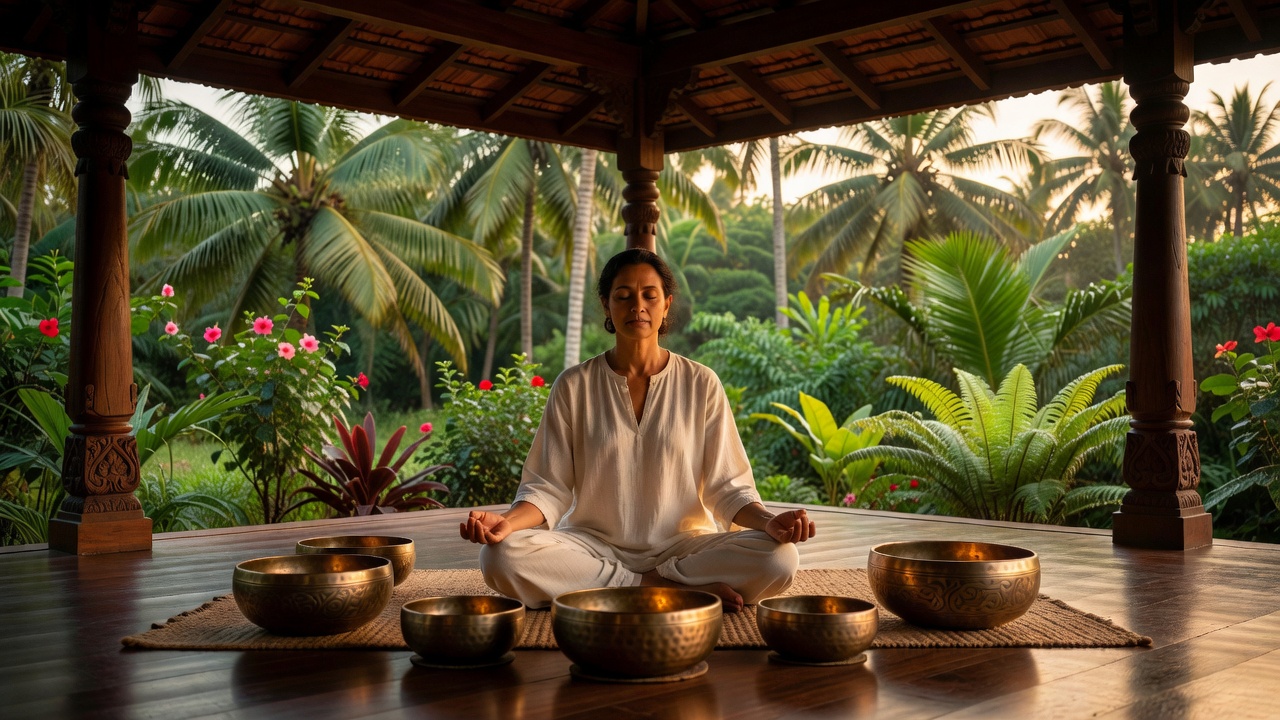
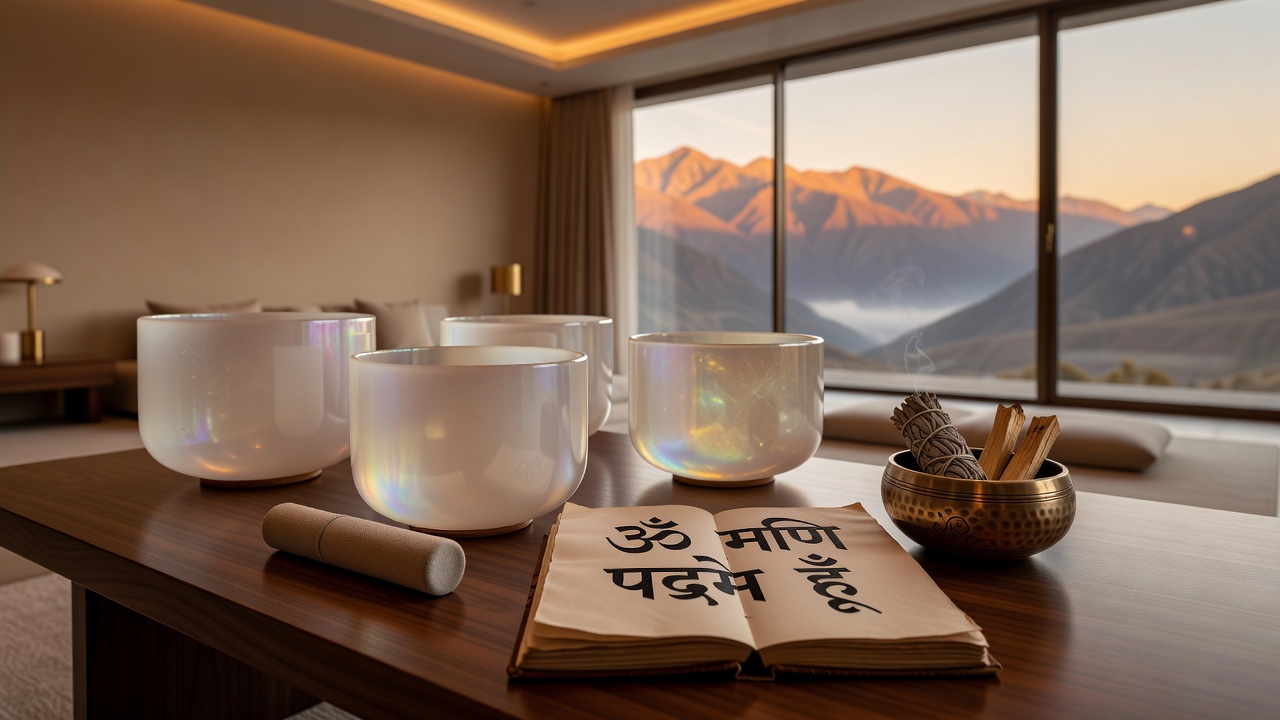
Sound therapy in Ayurveda uses specific frequencies to influence the body’s energy centers. Mantras, repeated Sanskrit phrases, create rhythmic vibrations believed to calm the nervous system. Scientific interest has grown, with studies examining how sound affects brain waves and reduces cortisol levels. When chanted, mantras generate subtle oscillations that may synchronize with the body’s natural rhythms, promoting parasympathetic activation for rest and recovery. Instruments such as Tibetan singing bowls and crystal bowls produce sustained tones that resonate at frequencies corresponding to different chakras or doshic imbalances.
Research from institutions like the National Center for Complementary and Integrative Health explores vibrational therapies for relaxation. Learn more about integrative approaches. These tools help synchronize bodily rhythms disrupted by travel. Additional evidence from sources such as the World Health Organization highlights the role of traditional medicine practices in supporting mental health and stress management worldwide. Explore WHO resources on traditional medicine. Practitioners often combine mantra repetition with bowl tones to create layered soundscapes that enhance focus and reduce travel-related anxiety.
Benefits for Jet Lag Recovery Without Remedies
Jet lag disrupts circadian rhythms, leading to fatigue and mood imbalances. Ayurvedic sound therapy offers a natural alternative by promoting deep relaxation and realigning internal clocks. Sessions before bed can ease transitions across time zones. The vibrational input helps reset the body’s internal timing mechanisms more gently than artificial light exposure or supplements. Travelers who practice consistently often notice improved sleep architecture and reduced daytime drowsiness within the first 48 hours of arrival.
Regular practice improves sleep quality and mental clarity. Travelers report faster adaptation and sustained energy levels. Unlike pharmaceutical options, this method avoids side effects and integrates easily into hotel rooms or airport lounges. Beyond jet lag, benefits extend to reduced muscle tension from long-haul flights, enhanced immune resilience through lowered stress hormones, and better emotional regulation during cultural transitions. Many users describe a renewed sense of grounding that supports overall trip enjoyment and prevents burnout on extended journeys.
Step-by-Step Guide to Incorporating Sound Therapy into Travel Routines
Beginners can start with simple daily practices. First, select a portable singing bowl or use a mantra app. Second, dedicate 10-15 minutes each morning and evening. Third, sit comfortably, focus on breath, and chant or strike the bowl slowly. Fourth, combine with gentle yoga poses for enhanced effect. Fifth, track progress in a travel journal. Consistency yields the best results for energy balance during multi-destination trips.
For added depth, consider tailoring sessions to the environment. In a city hotel, use headphones with recorded bowls to avoid disturbing neighbors. In nature settings, perform outdoor sessions at sunrise to amplify grounding effects. During layovers, short five-minute mantra repetitions in quiet corners can prevent energy dips. Advanced practitioners sometimes layer multiple instruments or alternate between vocal chanting and bowl strikes to target specific doshas, such as using lower tones for vata pacification during cold-weather travel.
Comparing Sound Therapy to Traditional Ayurvedic Treatments
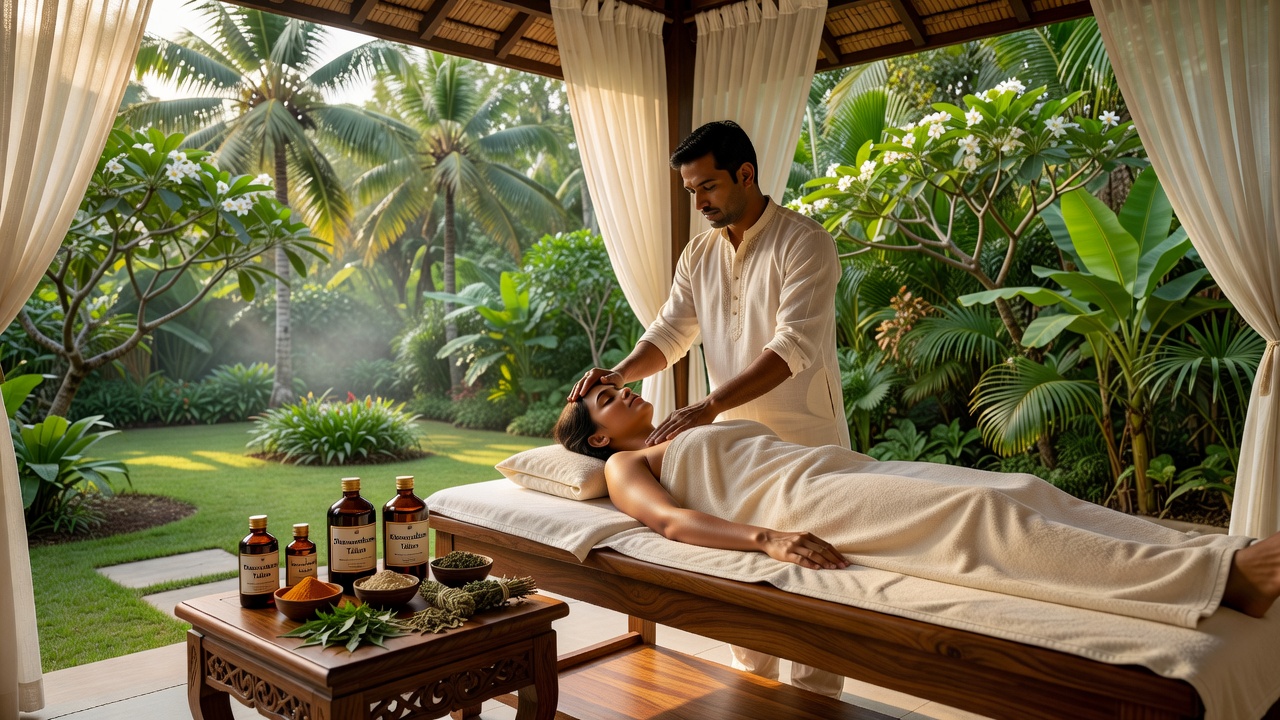
Traditional Ayurveda often involves herbal oils, massages, and dietary changes. Sound therapy provides a lighter, more accessible complement. It requires minimal equipment and suits travelers with limited time or space. While panchakarma offers deep detoxification, sound sessions focus on immediate vibrational reset. Many wellness centers now combine both for comprehensive programs. This hybrid model appeals to modern travelers seeking flexibility.
Sound therapy also differs in its portability and immediacy. Traditional treatments may require clinic visits and preparation, whereas a singing bowl session can begin within minutes of unpacking. The vibrational approach complements dietary and herbal protocols by addressing the subtle energy body that Ayurveda recognizes as crucial for long-term balance. Travelers who combine both report synergistic effects, with sound sessions preparing the mind for deeper therapeutic work upon arrival at destination retreats.
Destinations Offering Ayurvedic Sound Therapy Sessions
India remains the premier destination, with retreats in Kerala and Rishikesh featuring daily sound baths. Europe hosts growing options in Portugal and Spain, blending Ayurveda with local wellness traditions. Southeast Asia, particularly Bali and Thailand, integrates singing bowl sessions into beachside resorts. North American spas in California and Arizona increasingly offer these therapies. Research centers and hotels provide guided experiences tailored to international visitors.
Additional emerging locations include Costa Rica’s eco-lodges, which pair sound therapy with rainforest immersion, and Australia’s wellness properties that incorporate Indigenous elements alongside Ayurvedic principles. Many facilities now offer customizable packages that include private bowl sessions, group mantra circles, and integration with meditation or pranayama. Checking provider credentials and reading recent traveler reviews helps ensure authentic experiences aligned with classical Ayurvedic texts.
Beginner Checklist for Ayurvedic Sound Therapy
- Research certified practitioners or apps with authentic mantras.
- Pack a compact singing bowl or download high-quality sound files.
- Schedule sessions around flight times to combat jet lag.
- Combine with hydration and light walking for optimal results.
- Consult a doctor if managing chronic conditions.
- Start with short 5-minute practices to build familiarity.
- Experiment with different tones to identify personal resonance preferences.
- Practice in varied lighting conditions to simulate travel environments.
Common Mistakes to Avoid
New practitioners sometimes rush through sessions or choose overly complex mantras. Begin with simple sounds and gradually increase duration. Another frequent error is neglecting consistency; sporadic practice yields limited benefits compared with daily integration. Finally, avoid forcing results—sound therapy works best when approached with relaxed awareness rather than performance pressure.
Frequently Asked Questions
Is Ayurvedic sound therapy accessible for beginners?
Yes, many sessions require no prior experience. Guided retreats and online resources make it easy to start.
What are typical costs in 2026?
Prices vary by location and duration. Expect session fees to range from moderate to premium depending on the destination and provider expertise.
Can it replace medical treatments?
Sound therapy supports wellness but does not substitute professional medical care. Use it as a complementary practice.
How long before results appear?
Many travelers notice improved relaxation after the first session, with cumulative benefits for jet lag and energy emerging within three to five days of consistent use.
Are instruments difficult to transport?
Compact bowls and digital alternatives fit easily in carry-on luggage, making them practical for international travel.
Conclusion
Ayurvedic sound therapy enriches wellness travel by offering gentle, effective tools for modern travelers. By understanding its principles and integrating simple routines, visitors achieve deeper relaxation and balance throughout their journeys in 2026 and beyond. With thoughtful preparation and regular practice, this ancient method becomes a reliable companion for maintaining vitality across time zones and cultures.

No comments yet. Be the first!