 Veda Tour

Introduction to Ayurvedic Herbs for Travel Immunity
Wellness travelers in 2026 are increasingly seeking natural ways to maintain strong immunity while exploring new destinations. Ayurvedic herbs offer travel-friendly solutions that fit seamlessly into holistic healing journeys, focusing on everyday applications rather than intensive retreats. These time-tested botanicals support the body’s natural defenses through sustainable practices that align with modern 2026 trends toward eco-conscious sourcing and regenerative agriculture. As global wellness tourism grows, more people are turning to ancient Indian traditions to combat the stresses of frequent flights, climate shifts, and exposure to unfamiliar pathogens.
Travelers often face immune challenges from changing climates, jet lag, and new environments. Incorporating herbs like ashwagandha and tulsi provides practical support without relying solely on conventional supplements. This guide explores real-world integration for wellness trips, emphasizing sustainable sourcing for lasting benefits. By understanding how these herbs work at a cellular level, travelers can make informed choices that enhance resilience throughout their journeys.
Top Ayurvedic Herbs for Immunity Support
Ashwagandha stands out as an adaptogen that helps the body manage stress, a common immunity disruptor during travel. It supports cortisol balance and promotes restful sleep, which indirectly strengthens immune response. Tulsi, known as holy basil, offers antioxidant properties that promote respiratory health and help fend off seasonal allergies common in new climates. Other notable options include turmeric for its anti-inflammatory effects that ease joint discomfort from long travel days and amla for its natural vitamin C content that aids collagen production and tissue repair.
Additional herbs worth considering are ginger for digestive support that prevents gut-related immune dips and brahmi for cognitive clarity during time zone adjustments. These herbs address search intent around practical use on the go by coming in portable powder, capsule, or tea forms. Comparisons to conventional supplements reveal key differences. While multivitamins deliver isolated nutrients, Ayurvedic herbs provide synergistic compounds that work holistically. Travelers report fewer side effects and better long-term resilience when using whole-herb forms during trips, as the natural matrix of compounds enhances bioavailability over synthetic isolates.
Sourcing Tips During Wellness Trips
2026 wellness travelers prioritize sustainable sourcing to ensure herbs retain potency and support ethical practices. Look for certified organic vendors at local markets in India or Southeast Asia. Verify suppliers through fair-trade labels and avoid overharvested regions. Many travelers now use apps to trace origins back to small farms practicing regenerative agriculture, ensuring biodiversity is preserved for future generations.
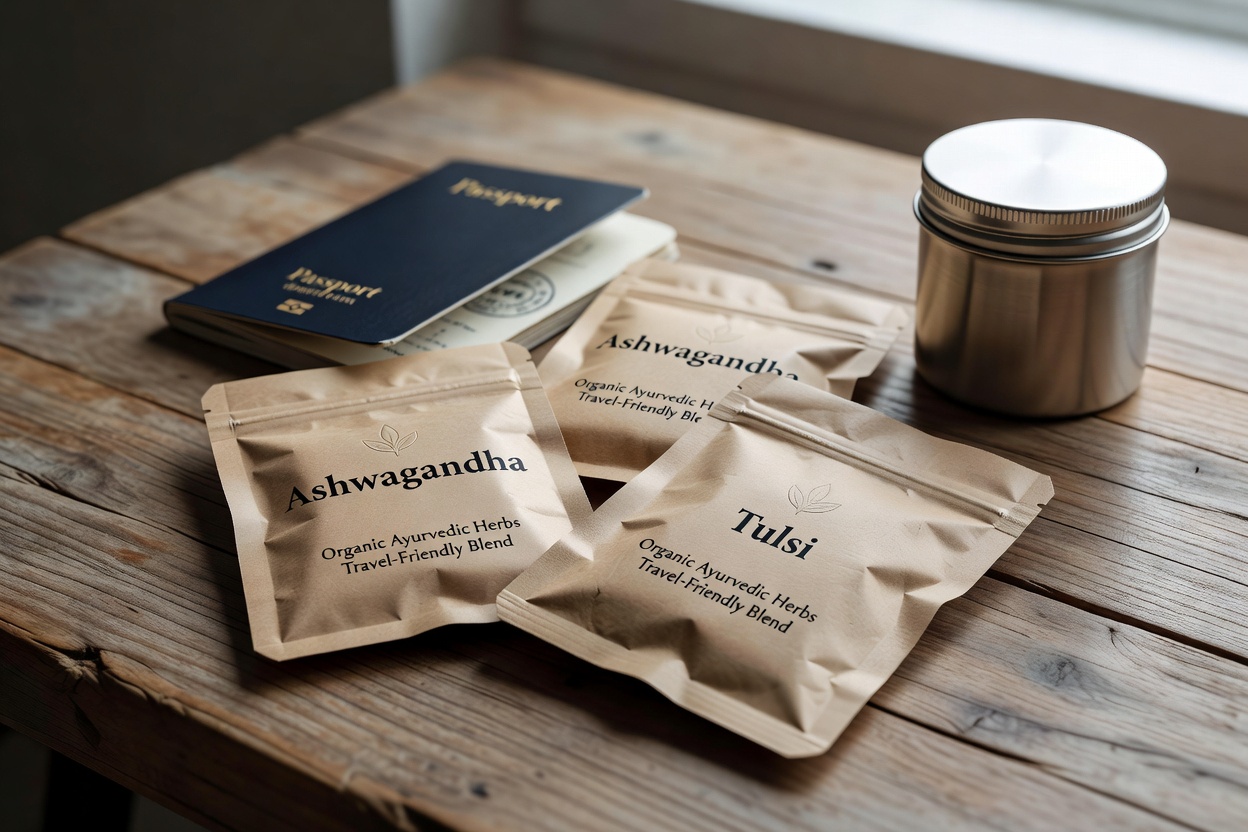
Pack dried powders or capsules in reusable containers to minimize plastic waste. Fresh tulsi leaves can often be sourced from hotel gardens or community markets in Ayurvedic hubs. Always check local regulations for importing herbs back home and opt for vacuum-sealed options that maintain freshness across long flights. When shopping, examine color, aroma, and texture—high-quality ashwagandha should have an earthy scent without mustiness. Partnering with local cooperatives not only guarantees authenticity but also contributes to community economies in sourcing regions.
Real Traveler Examples and Experiences
Sarah, a frequent wellness traveler from Canada, incorporated ashwagandha tea into her 2025 India trip routine. She noticed improved energy levels and fewer colds despite long flights and crowded trains. Her journal entries detail how a simple nightly brew helped her adapt to humid climates without relying on caffeine. Similarly, a group of yoga enthusiasts in Bali sourced fresh tulsi from a local cooperative, blending it into smoothies for daily respiratory support during monsoon season. They reported fewer sinus issues compared to previous trips using only standard vitamins.
Another example comes from Marco, an Italian digital nomad who combined turmeric and ginger in golden milk while trekking in Nepal. He avoided common altitude-related fatigue by maintaining consistent intake and shared his recipes in online wellness forums. These stories highlight how small, consistent habits yield noticeable results without disrupting travel itineraries, proving the value of integrating herbs into daily life on the move.
Simple 3-Step Daily Routine
- Start the morning with a warm tulsi infusion to awaken the immune system and ease jet lag. Steep one teaspoon of dried leaves in hot water for five minutes and sip slowly while practicing light stretching.
- Midday, add ashwagandha powder to a smoothie or golden milk for stress adaptation during activities. Mix half a teaspoon with almond milk, a pinch of turmeric, and local honey for better absorption.
- End the evening with a turmeric-amla blend to promote overnight recovery and antioxidant protection. Combine one teaspoon each of the powders in warm water or yogurt and consume 30 minutes before bed.
This routine takes under 10 minutes and uses portable ingredients suitable for hotel rooms or trains. Variations include adding ginger for extra digestive aid on days with heavy meals or adjusting quantities based on body weight and activity level. Consistency over two weeks typically yields the most noticeable immunity benefits.
Comparing Ayurvedic Herbs to Conventional Supplements
Conventional options like vitamin C tablets offer quick dosing but lack the adaptogenic balance of Ayurvedic herbs. In contrast, herbs like ashwagandha address root causes such as stress-induced immune suppression. Many 2026 travelers combine both approaches for optimal results, starting with herbs as the foundation and layering targeted vitamins only when lab tests indicate deficiencies.
Key advantages of herbs include broader spectrum support for mood, sleep, and inflammation alongside immunity. Drawbacks may involve slower onset compared to isolated supplements, requiring patience and steady use. A practical comparison list shows herbs excel in sustainability and minimal processing while supplements win in precise standardization and shelf stability.
Mistakes to Avoid When Using Herbs on Trips
- Skipping quality checks and purchasing from unverified street vendors, which risks contamination.
- Overdosing in an attempt to accelerate results, leading to digestive upset.
- Ignoring interactions with prescription medications or existing health conditions.
- Storing herbs in humid luggage without proper sealing, causing spoilage.
FAQ on Safety and Dosages
Are these herbs safe for all travelers?
Most healthy adults tolerate ashwagandha and tulsi well, but consult a healthcare provider before use, especially with existing conditions or medications. Pregnant travelers should avoid ashwagandha entirely.
What are typical dosages for travel?
Standard travel doses include 300-500 mg of ashwagandha extract daily and 1-2 cups of tulsi tea. Start low and adjust based on tolerance, monitoring for any unusual reactions over the first three days.
Can I combine multiple herbs?
Yes, synergistic blends like tulsi with turmeric are common, but monitor for interactions and source high-quality products. Space intake by at least two hours if trying new combinations.
How long before noticing benefits?
Most travelers report subtle improvements in energy and digestion within five to seven days, with stronger immune resilience appearing after two weeks of consistent use.
Explore WHO guidance on traditional medicine safety. Review Mayo Clinic insights on herbal medicine evidence.
Conclusion
Integrating Ayurvedic herbs into 2026 wellness trips empowers travelers with natural immunity support through sustainable, practical methods. By focusing on sourcing, routines, and informed comparisons, these journeys become more resilient and holistic. Begin with small steps to experience the benefits firsthand and adapt the practices to your unique travel style for enduring wellness gains.


No comments yet. Be the first!