 Veda Tour
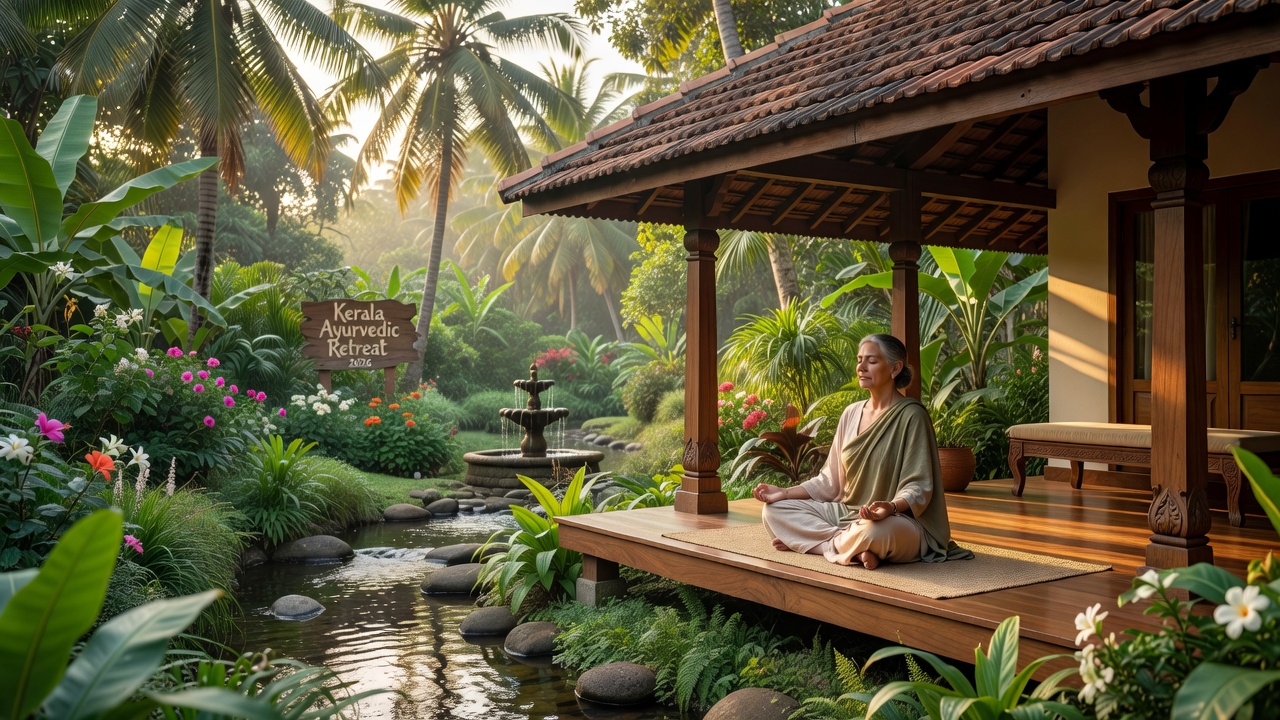
Introduction to Meditation and Ayurvedic Integration
Wellness travelers in 2026 are moving beyond basic retreats toward sophisticated combinations that deliver lasting results. The fusion of meditation practices with Ayurvedic treatment creates a comprehensive system for holistic healing that simultaneously addresses physical imbalances, mental clarity, and spiritual growth. This integrated approach draws from centuries-old Indian traditions while adapting them to the practical needs of modern international travelers seeking transformative experiences.
Ayurveda focuses on balancing the three doshas—Vata, Pitta, and Kapha—through customized therapies including herbal treatments, dietary adjustments, and detoxification procedures. When these are combined with carefully selected meditation techniques, participants often experience accelerated progress compared to using either method in isolation. The synergy arises because meditation calms the nervous system while Ayurvedic interventions support the body’s natural detoxification pathways.
The Science Behind the Fusion Approach
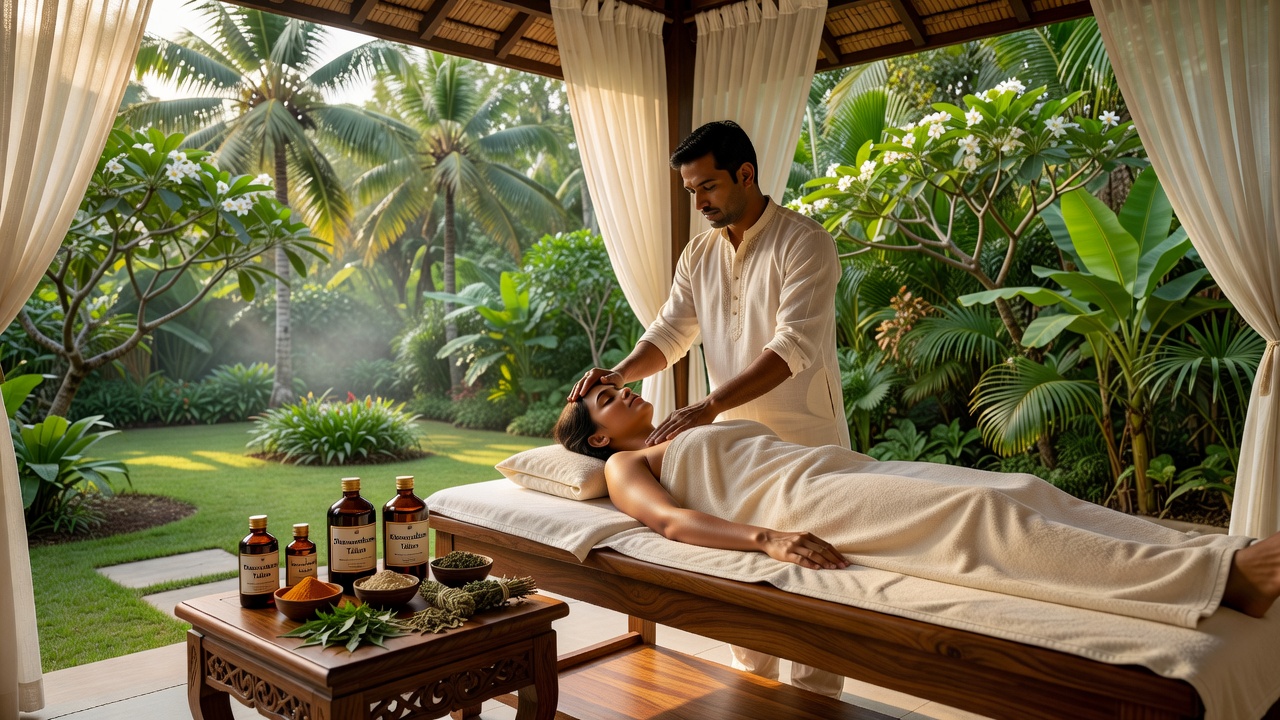
Modern research supports the value of combining mind-body practices with traditional healing systems. Studies from the National Center for Complementary and Integrative Health indicate that integrated approaches produce stronger reductions in cortisol levels and inflammatory markers than single-modality interventions. Meditation enhances parasympathetic activity, making the body more receptive to Ayurvedic therapies such as oil massages and herbal steam treatments. Conversely, the physical release achieved through Panchakarma prepares the mind for deeper meditative states.
This bidirectional reinforcement explains why many 2026 wellness programs now schedule meditation sessions immediately before or after Ayurvedic treatments. The timing maximizes absorption of therapeutic benefits and extends the duration of positive effects long after the trip concludes.
Understanding Dosha-Specific Meditation Styles
Each dosha type responds optimally to particular meditation methods. Vata-dominant individuals benefit from grounding practices such as progressive muscle relaxation, body-scan meditation, or slow walking meditation performed in stable environments. These techniques counteract Vata’s tendency toward restlessness and scattered thoughts.
Pitta types achieve better results with cooling visualizations, loving-kindness meditation, or moon-gazing practices that reduce internal heat and competitive mental patterns. Kapha constitutions respond well to energizing breathwork combined with seated awareness, including techniques like Kapalabhati followed by focused attention on the breath. Matching the meditation style to the individual’s current dosha state ensures the practice supports rather than aggravates existing imbalances.
Many retreat centers now provide initial pulse diagnosis followed by personalized meditation instruction on the first day of arrival, allowing travelers to adjust their daily routine immediately.
Step-by-Step Daily Protocols for Integrated Healing
A well-designed daily protocol begins before sunrise with Abhyanga self-massage using warm, dosha-appropriate oils. This is followed by 20 to 30 minutes of tailored meditation while the body is still in a receptive state. Mid-morning sessions typically include Panchakarma treatments such as Shirodhara or Abhyanga performed by trained therapists. Afternoon periods feature guided meditation focused on emotional release, often combined with gentle yoga movements.
Evenings incorporate yoga nidra or body-based awareness practices alongside herbal steam inhalation to prepare for restorative sleep. Travelers are encouraged to maintain a simple journal noting energy levels, sleep quality, and emotional shifts each evening. Over a 10- to 14-day stay, this consistent rhythm produces cumulative benefits that standalone retreats rarely achieve.

Real-World Examples from Global Destinations
Kerala, India continues to set the standard with centers that integrate traditional Ayurvedic hospitals and silent meditation pavilions overlooking tropical backwaters. Guests receive daily consultations that adjust both treatments and meditation focus based on real-time pulse readings. In Bali, several luxury properties combine Ayurvedic nutrition plans with Vipassana-style sitting practice amid rice-terrace landscapes. Costa Rica offers eco-resorts where dosha assessments are followed by forest bathing meditations and herbal body therapies in open-air treatment rooms.
These destinations share a commitment to employing practitioners trained in both Ayurvedic medicine and meditation instruction, preventing the fragmented experiences that occur when modalities are delivered separately.
Benefits Compared to Standalone Methods
Participants consistently report superior outcomes when meditation and Ayurveda are fused. Meditation alone improves concentration and emotional regulation, while Ayurvedic treatments excel at physical detoxification and tissue rejuvenation. Together they create synergistic effects including deeper sleep, reduced joint inflammation, and sustained mood stability that persists for weeks after returning home. Many travelers also notice improved digestion and skin clarity that neither practice produces as effectively on its own.
Practical Travel Packing List
- Dosha-specific massage oils and herbal teas in travel-approved containers
- Lightweight meditation cushion or folded cotton shawl for floor seating
- Small journal for recording daily observations and protocol adjustments
- Loose cotton clothing in neutral, breathable fabrics
- Noise-canceling headphones loaded with guided audio sessions
- Reusable copper-lined water bottle for Ayurvedic hydration practices
- Basic first-aid items including natural insect repellent and lip balm
- Comfortable walking shoes suitable for both indoor practice and outdoor reflection walks
Sample 10-Day Itinerary
Days 1-2 focus on arrival, comprehensive dosha assessment, and introduction to foundational meditation techniques. Days 3-6 incorporate full Panchakarma therapies paired with twice-daily meditation sessions of increasing duration. Days 7-9 introduce advanced integration workshops, nature immersion activities, and personalized take-home protocols. Day 10 is reserved for final consultations and departure planning.
Common Mistakes to Avoid
One frequent error is attempting overly intense meditation schedules immediately upon arrival, which can increase Vata imbalance and fatigue. Another is neglecting to communicate changes in energy or digestion to practitioners, missing opportunities for timely protocol adjustments. Travelers should also avoid combining the program with heavy sightseeing or late-night activities that disrupt the body’s healing rhythm.
Preparing for Your Trip and Post-Trip Maintenance
Preparation includes gradually shifting sleep and meal times to the destination schedule several days before departure. Upon return, maintaining a simplified version of the daily protocol—such as morning self-massage and 15-minute meditation—helps preserve benefits. Many participants schedule follow-up virtual consultations with their retreat practitioners to refine home routines.
Frequently Asked Questions
How do I handle integration challenges like jet lag?
Begin with gentle Vata-pacifying meditation upon landing and adjust meal times gradually to local Ayurvedic schedules while staying hydrated with warm herbal infusions.
Can beginners participate effectively?
Yes, most programs offer modified sessions suitable for all experience levels while maintaining therapeutic integrity through personalized guidance.
What if my dosha changes during travel?
Daily pulse diagnosis allows practitioners to adjust both treatments and meditation focus in real time, ensuring the protocol remains aligned with your evolving state.
Is this approach suitable for people with chronic conditions?
Many centers welcome guests with chronic issues provided they supply recent medical records and receive clearance from both their physician and the on-site Ayurvedic doctor.
Conclusion
The fusion of meditation and Ayurvedic treatment represents the next evolution in wellness travel for 2026. By following structured protocols, selecting appropriate destinations, and preparing thoughtfully, travelers achieve deeper, longer-lasting healing than either practice offers alone. This integrated model continues to attract those seeking meaningful transformation rather than temporary relaxation.
No comments yet. Be the first!