 Veda Tour
Introduction to Ayurvedic Skin Health in Wellness Travel
Ayurveda offers timeless principles for maintaining radiant skin while traveling. In 2026, wellness travelers seek natural solutions that address dryness, inflammation, and jet lag effects without relying on synthetic products. This approach blends ancient dosha balancing with modern portability for visible results on the road. As more people prioritize holistic healing during trips to destinations like Kerala or Bali, understanding these methods becomes essential for long-term skin vitality. Ayurveda views skin as a reflection of internal balance, influenced by diet, environment, and daily routines. Travelers often face challenges such as cabin pressure, changing climates, and disrupted sleep, which disrupt doshas and lead to issues like flakiness or breakouts. By incorporating targeted treatments, individuals can maintain healthy skin throughout extended journeys.
Understanding Your Dosha for Personalized Skincare
Each traveler has a dominant dosha—Vata, Pitta, or Kapha—that influences skin type. Vata skin tends toward dryness and roughness from air travel, often exacerbated by low humidity in planes. Pitta skin shows redness and sensitivity to sun or stress, common during intense sightseeing days. Kapha skin may appear oily or congested in humid destinations, leading to dullness. Identifying your dosha helps tailor routines for 2026 wellness journeys. To assess accurately, observe how your skin reacts to different climates and foods during the first few days of a trip. Many practitioners recommend starting with a simple self-evaluation focusing on physical traits and emotional tendencies.
Step-by-Step Dosha Assessment
- Observe your skin's response to climate changes during trips, noting any immediate dryness or oiliness.
- Consult an Ayurvedic practitioner via virtual sessions before departure for personalized insights.
- Use simple quizzes from reputable sources to confirm your type and cross-reference with physical symptoms.
- Track changes over a week of travel to refine your understanding and adjust treatments accordingly.
This foundational knowledge allows for proactive care rather than reactive fixes mid-journey.
Key Herbs and Oils for Common Travel Skin Issues
Turmeric reduces inflammation from long flights, while neem combats bacteria in new environments. Sesame oil nourishes Vata dryness by locking in moisture, and rose water soothes Pitta irritation from sun exposure. These ingredients support holistic healing when integrated into daily itineraries. For instance, a simple face pack of turmeric and honey can be prepared in hotel rooms to calm redness. Sandalwood powder offers cooling effects for overheated skin, and manjistha supports detoxification from environmental pollutants encountered in urban wellness spots. Travelers should source high-quality, organic versions to maximize benefits. Application methods include gentle massage to stimulate circulation, followed by rinsing with lukewarm water.
Practical recipes include mixing equal parts sesame oil and turmeric for a nourishing mask applied twice weekly. This combination addresses multiple concerns simultaneously, providing both hydration and anti-inflammatory action.
Preparing a Portable Ayurvedic Kit
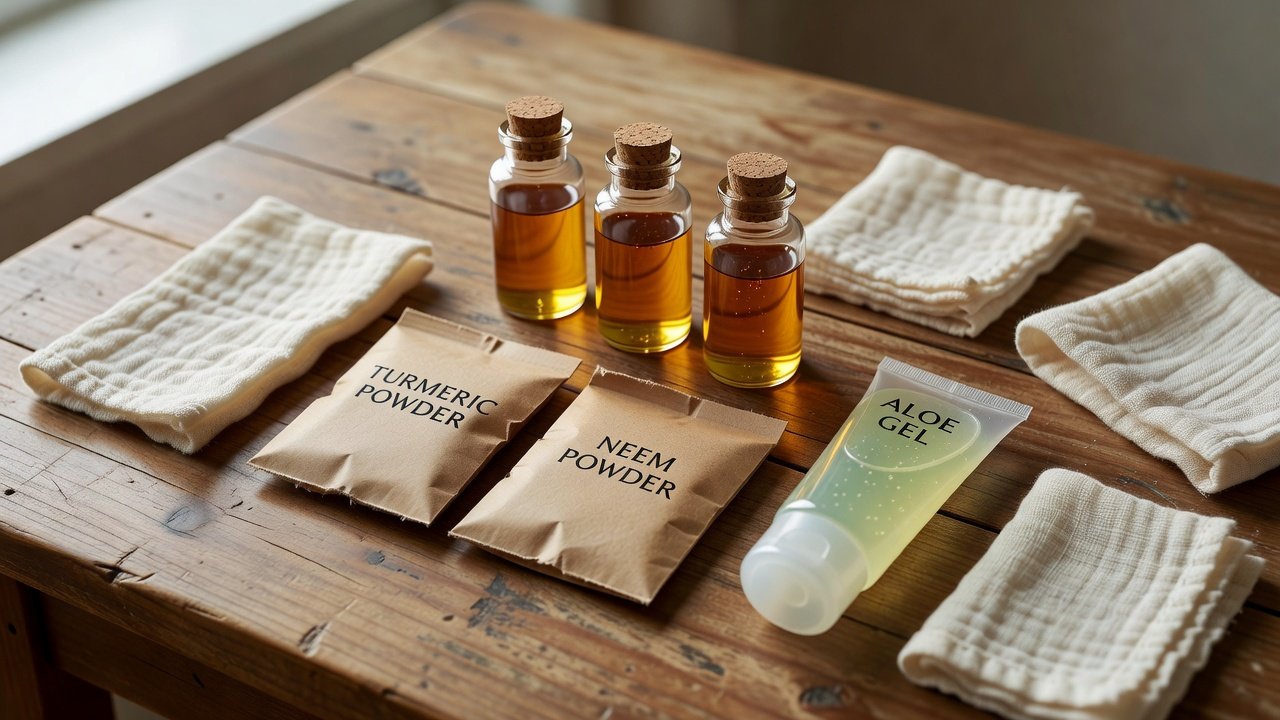
Pack lightweight essentials like small bottles of coconut oil, triphala powder, and aloe vera gel. Include reusable containers to meet airline rules. This kit fits in carry-on luggage and supports skin health throughout multi-week trips. Consider multi-use items to save space, such as a single oil that serves as moisturizer, cleanser, and hair treatment. Source travel-sized versions from trusted suppliers or decant at home using dark glass bottles to preserve potency. Label everything clearly with contents and usage instructions for quick access during layovers or hotel stays.
Essential Items List
- 5-10ml bottles of base oils (sesame, coconut, almond) for different doshas
- Dried herbs in sachets (turmeric, neem, rose petals) for on-the-go mixing
- Travel-sized face masks and toners made from natural powders
- Reusable muslin cloths for application and gentle exfoliation
- Small measuring spoons and mixing bowls for custom blends
- Antibacterial wipes for maintaining hygiene when preparing mixtures
Additional tips include checking local regulations for powders and liquids at each destination.
Integrating Routines into Daily Wellness Itineraries
Morning oil pulling and evening abhyanga massage slot easily between yoga sessions and meditation. Adjust for time zones by performing self-massage before bed to promote restful sleep and skin repair. A sample day might start with warm water infused with triphala, followed by a 10-minute facial oil application. Midday, refresh with rose water mist during activities. Evening routines focus on cleansing and nourishing to counter daily exposures. This seamless integration ensures consistency without overwhelming busy travel schedules.
Comparing Traditional Practices and Modern Adaptations
Traditional Ayurvedic treatments emphasize fresh herb pastes and seasonal ingredients prepared on-site. Modern adaptations include pre-made serums with stabilized extracts for travel convenience, often available in wellness centers. Both yield results when used consistently, with traditional methods often preferred at destination spas for their purity. Traditional approaches require more preparation time but offer deeper connection to the practice, while modern versions prioritize ease and shelf stability. Many 2026 travelers combine both for optimal flexibility.
Real Traveler Examples and Practical Tips
One wellness traveler to India in early 2026 used a Vata-focused sesame oil routine to combat flight-induced dryness, noticing improved skin texture within five days after consistent evening massages. Another adjusted for Pitta by incorporating cooling rose water during a summer Bali trip, reducing sun sensitivity and achieving calmer complexion by the return flight. A third example involved a Kapha-dominant individual managing humidity-related congestion in Thailand with neem-based cleansers, resulting in clearer pores after two weeks. These cases highlight the importance of consistency and dosha awareness.
Seasonal Adjustments for 2026 Destinations
In winter destinations like northern India, increase warming oils like sesame to combat cold winds. Summer calls for lighter coconut-based applications and extra hydration with aloe in tropical areas such as Sri Lanka. Monitor local climates through weather apps and adapt dosha routines accordingly for optimal skin health. For shoulder seasons, focus on balancing blends that address variable conditions.
FAQ: Addressing Jet Lag Effects on Skin
How does jet lag impact skin? Disrupted sleep increases cortisol, leading to inflammation and dullness that manifests as puffiness or breakouts.
What Ayurvedic remedies help? Evening abhyanga with calming oils restores balance quickly and supports overnight repair.
Can routines be done on planes? Yes, apply facial oils mid-flight for moisture retention while avoiding heavy masks.
Are there seasonal tweaks? Align with destination weather as noted in previous sections for best outcomes.
How long until results appear? Most travelers notice improvements within three to seven days of consistent use.
Is professional guidance necessary? Initial consultation enhances effectiveness, especially for first-time users.
What about dietary support? Incorporate hydrating foods like cucumber and coconut water alongside topical treatments.
Travelers can achieve glowing skin by blending these holistic principles with practical wellness travel strategies for sustained results across global destinations.


No comments yet. Be the first!