 Veda Tour
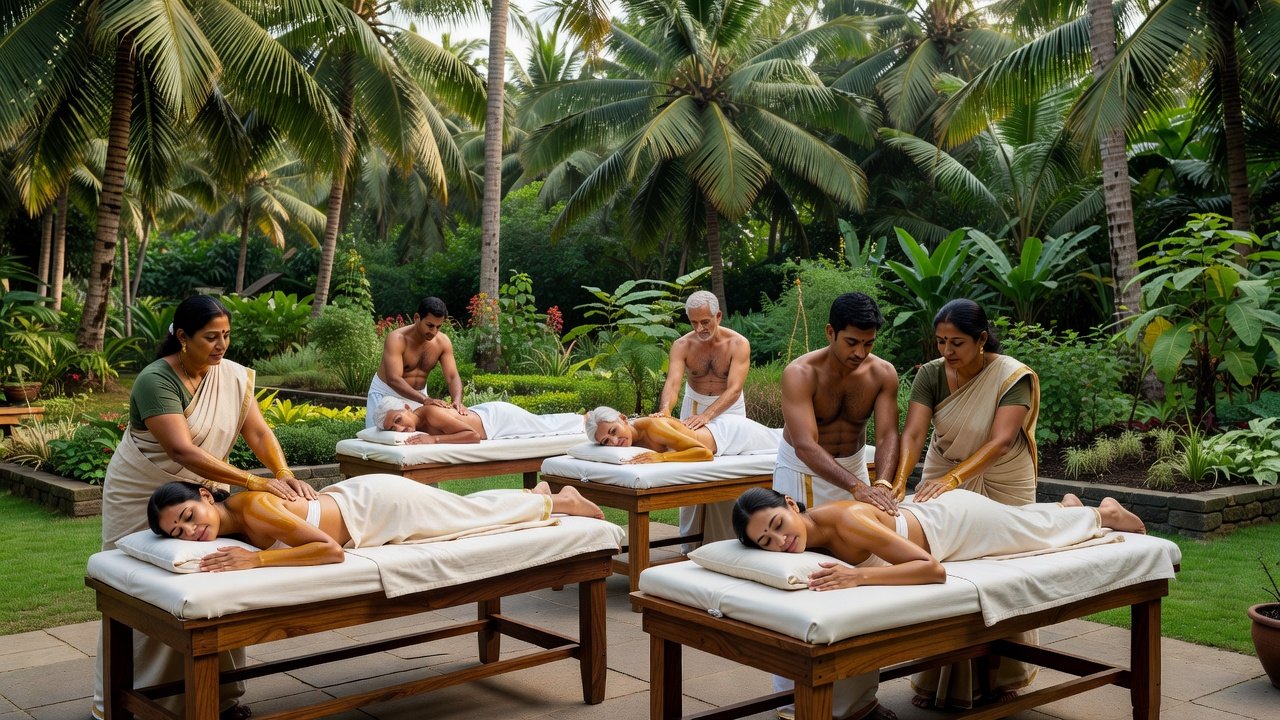
Introduction to Ayurvedic Transformations on Wellness Trips
In 2026, wellness tourism continues to evolve with more travelers seeking evidence-based holistic approaches that go beyond conventional vacations. Ayurvedic treatments, rooted in ancient Indian traditions dating back thousands of years, offer personalized therapies designed to address physical ailments, emotional well-being, and spiritual alignment simultaneously. This comprehensive article explores in-depth case studies from 2026 wellness trips across India, highlighting diverse participants who experienced measurable improvements in energy levels, emotional balance, and overall vitality through structured programs. These real-world examples demonstrate how Ayurvedic practices integrate seamlessly with travel itineraries, creating opportunities for profound personal growth while immersed in supportive environments. Readers will gain inspiration along with actionable guidance for planning their own transformative journeys, including preparation strategies and lessons learned from those who have already succeeded.
Diverse Participant Profiles in 2026
Wellness trips in 2026 attracted a broad range of individuals seeking relief from modern life pressures. One notable case involved a 42-year-old marketing executive from New York dealing with chronic stress, burnout, and persistent fatigue after years of high-pressure deadlines. She arrived with elevated cortisol levels and reported difficulty concentrating. Another profile featured a 35-year-old yoga instructor from Australia who sought deeper emotional healing following a significant personal loss, struggling with grief and disrupted sleep patterns. A third case centered on a 58-year-old teacher from Germany managing long-standing digestive issues, joint discomfort, and irregular sleep disturbances that affected her daily teaching responsibilities. Additional participants included a 29-year-old software developer from Singapore experiencing anxiety-related skin conditions and a 47-year-old entrepreneur from Canada focused on post-pandemic recovery and immune support. These varied backgrounds underscore Ayurveda's adaptability across ages, professions, and cultural contexts, proving effective for both acute concerns and chronic imbalances.
Specific Treatments Applied During the Programs
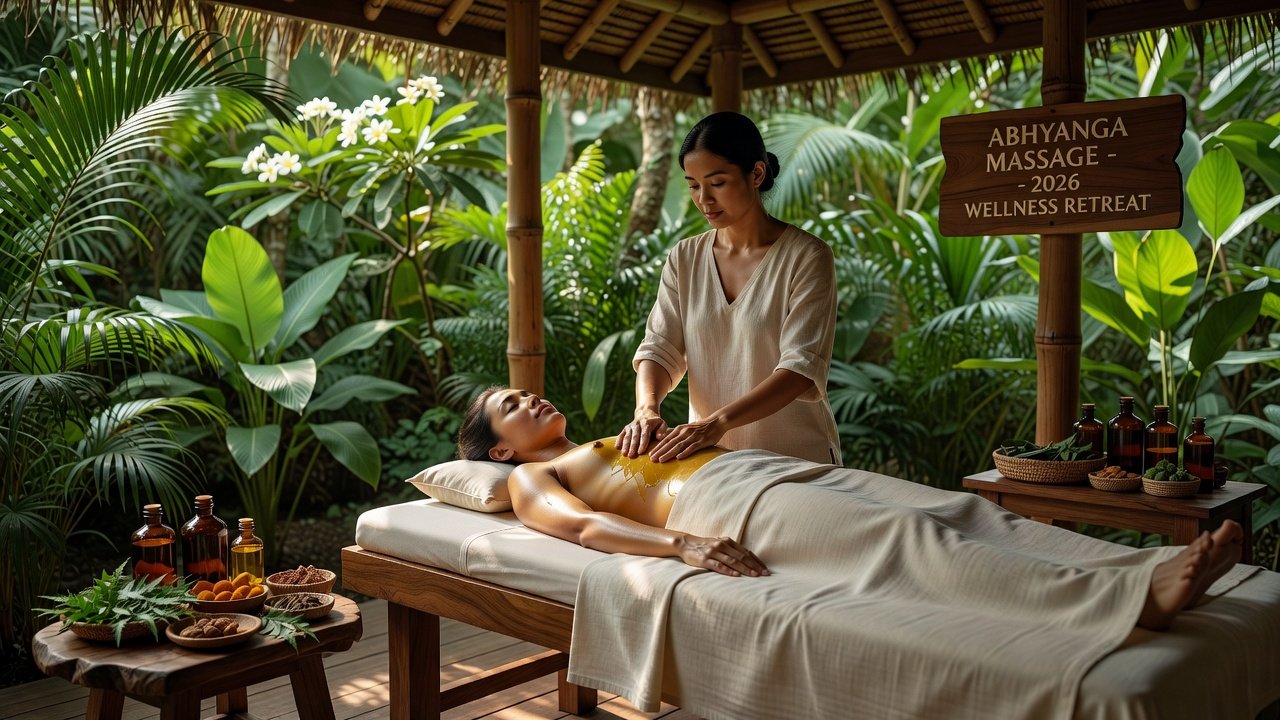
Each participant underwent customized protocols at established retreats in Kerala and Rajasthan, where practitioners conducted initial consultations to determine individual dosha imbalances. Common therapies included Abhyanga full-body oil massages using warm herbal oils tailored to Vata, Pitta, or Kapha constitutions, followed by steam treatments to enhance circulation. Panchakarma detoxification programs involved sequential processes such as oleation, purgation, and nasal cleansing to eliminate accumulated toxins. Shirodhara therapy, featuring a steady stream of warm medicated oil poured over the forehead, promoted mental clarity and reduced anxiety for several guests. Additional interventions encompassed herbal steam baths, dietary modifications with spices like turmeric and cumin for digestion, and guided meditation sessions integrated with gentle yoga flows. The executive received daily Abhyanga combined with internal herbal formulations and evening relaxation routines. The yoga instructor completed a full seven-day Panchakarma cycle augmented by pranayama breathing exercises. The teacher focused on digestive herbal remedies, joint oil applications, and progressive meditation to restore routine. These treatments were always administered by certified Ayurvedic physicians in climate-controlled facilities emphasizing hygiene and personalization.
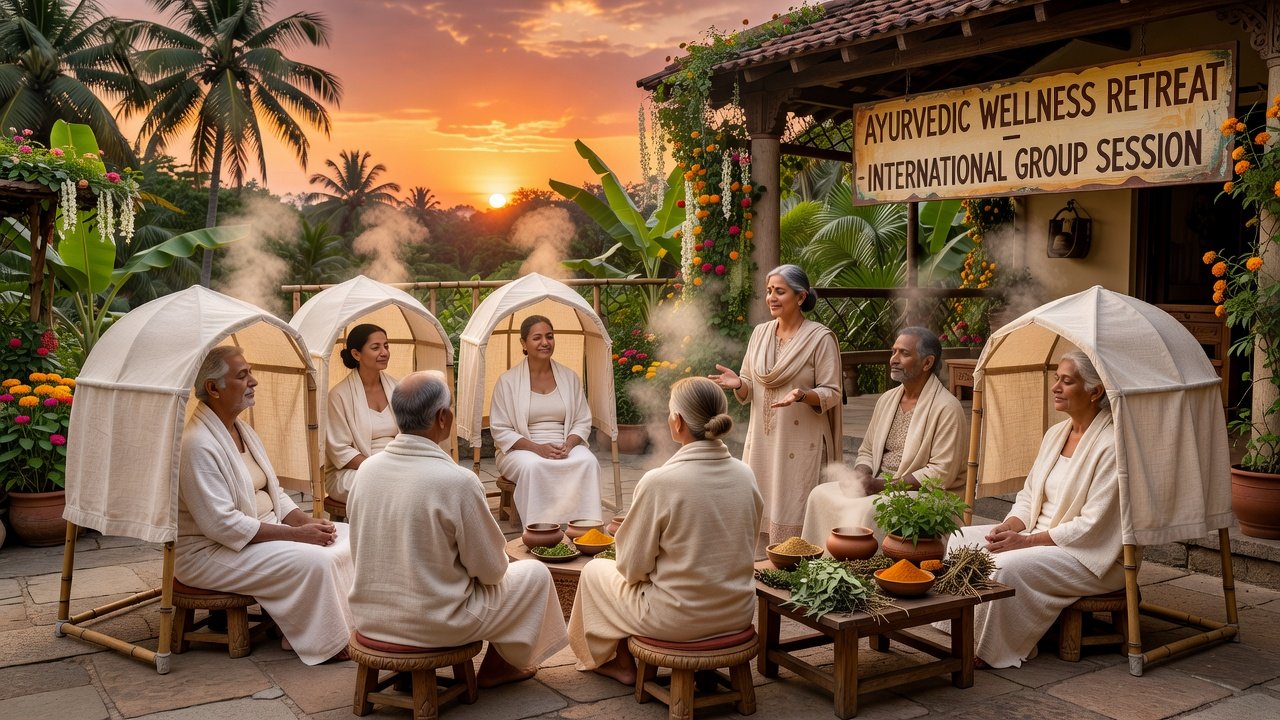
Measurable Outcomes Including Energy and Emotional Balance
Outcomes were tracked through standardized wellness assessments conducted before arrival, at program midpoint, and upon departure. The marketing executive reported a 40% increase in sustained daily energy, normalized sleep cycles, and significantly reduced anxiety metrics within two weeks. Follow-up surveys indicated continued benefits at the one-month mark. The yoga instructor achieved marked emotional resilience, with nightly sleep extending from fragmented four-hour periods to consistent eight-hour rest, alongside improved mood stability. The German teacher experienced enhanced digestion with fewer bloating episodes, reduced joint stiffness allowing longer walks, and a profound sense of calm that persisted post-trip. The software developer noted clearer skin and diminished anxiety episodes, while the entrepreneur reported stronger immune markers and mental focus. These quantifiable shifts highlight Ayurveda's capacity to deliver both immediate relief and foundational improvements when combined with consistent application.
Integration with Travel Itineraries for Holistic Experiences
Successful programs blended therapies with travel elements to avoid isolation from cultural immersion. Mornings typically began with light yoga or sunrise walks, followed by morning treatments and balanced Ayurvedic meals prepared from local organic ingredients. Afternoons allowed for restorative rest or optional excursions such as temple visits and nature hikes, while evenings featured reflective journaling or sound healing sessions. This structure enabled participants to process experiences while maintaining the retreat's therapeutic rhythm, resulting in deeper integration of healing principles into daily life upon return home.
Practical Takeaways: Preparation Steps and Overcoming Challenges
To replicate these results, travelers should start with a professional dosha assessment from a licensed practitioner at least four weeks prior. Begin incorporating simple dietary shifts such as warm cooked meals and reduced caffeine intake. Pack essentials including loose cotton clothing, a travel journal, and any prescribed supplements. Research retreats thoroughly for certifications and read recent participant feedback. Common challenges encountered included initial detoxification symptoms like mild headaches or fatigue during the first three days, which were successfully managed through increased hydration, shorter activity periods, and practitioner-guided adjustments. Another frequent issue was adjusting to the slower pace of retreat life after fast-paced routines; this was overcome by scheduling buffer days upon arrival and departure. Post-trip maintenance proved critical, with many participants continuing herbal teas and morning self-massage routines to sustain gains.
Expert Commentary on Emerging 2026 Trends
Leading Ayurvedic specialists note that personalization remains the cornerstone of effective outcomes, particularly when blending traditional methods with contemporary wellness tracking tools. Insights aligned with World Health Organization perspectives on traditional and complementary medicine underscore the value of holistic integration for sustainable health improvements. Experts further recommend pairing therapies with ongoing mindfulness practices to extend benefits beyond the trip duration, citing increased demand for hybrid programs that combine Ayurveda with yoga and nature immersion.
Common Mistakes to Avoid on Similar Journeys
- Neglecting pre-arrival health consultations, which can lead to unsuitable treatment selections and reduced efficacy.
- Overpacking itineraries with sightseeing that interferes with recovery windows between therapies.
- Discontinuing supportive habits immediately after returning home, causing regression in achieved balance.
- Choosing unverified centers without checking practitioner credentials or facility standards.
Conclusion
These detailed 2026 case studies illustrate the substantial potential of Ayurvedic treatments within wellness travel frameworks. By applying the outlined preparation steps, learning from documented challenges, and incorporating expert recommendations, readers can design journeys that foster lasting improvements in energy, emotional equilibrium, and holistic health.
FAQ
How can I locate reputable Ayurvedic retreats for future trips?
Seek centers staffed by certified practitioners with transparent credentials and strong reviews. Cross-reference recommendations with resources from Mayo Clinic wellness sections and verify international safety standards before booking.
What specific preparation steps maximize results from Ayurvedic programs?
Schedule a dosha consultation early, transition gradually to lighter meals, prepare a symptom journal, and arrange flexible travel dates that include recovery buffers. Discuss any medications with both your physician and the retreat team.
Is it possible to combine Ayurvedic therapies with sightseeing activities?
Yes, well-designed itineraries successfully integrate morning therapies with afternoon cultural visits and evening reflection, as demonstrated across the featured case studies, allowing balanced rejuvenation without overload.
How long can the benefits of such treatments realistically last?
With consistent post-trip practices such as dietary awareness and self-care routines, many participants maintain elevated energy and emotional stability for three to six months or longer, according to guidance from WebMD on complementary approaches.
What role does follow-up care play after returning from a wellness trip?
Follow-up care, including virtual consultations with the original practitioners and home implementation of learned techniques, significantly extends results and helps address any recurring imbalances promptly.
No comments yet. Be the first!